Navigating Type 1 Diabetes: A Mother-Daughter Journey Through Research, Advocacy, and the Breakthrough T1D Participant Advisory Council

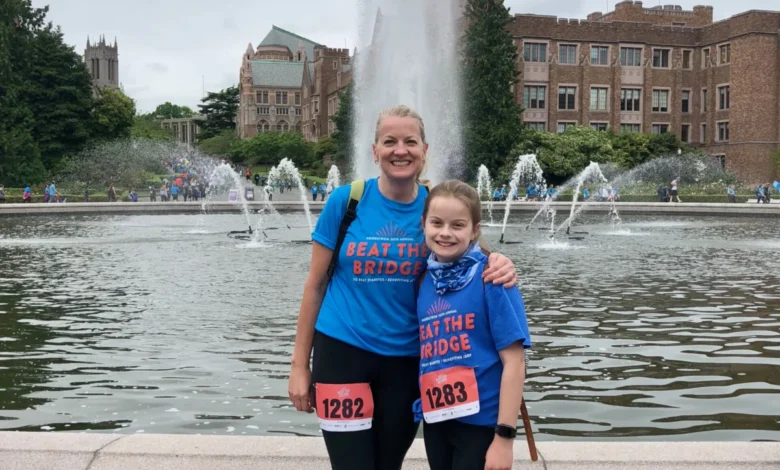
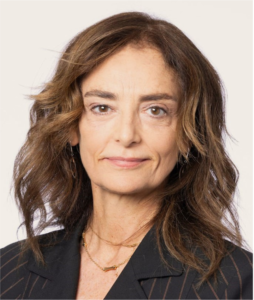
The diagnosis of type 1 diabetes (T1D) is an event that alters the trajectory of a household in a single afternoon. For Loraine Brogan and her daughter, Natalie, that life-altering moment arrived when Natalie was just nine years old. Overnight, the family was thrust into a complex medical reality defined by carbohydrate counting, constant insulin calculations, blood-glucose fingerpricks, continuous glucose monitor (CGM) alarms, and an unrelenting state of vigilance. While the medical community often focuses on the clinical metrics of managing a chronic autoimmune condition, families navigating T1D quickly discover that the physical routine is only half of the equation. The emotional toll—comprising persistent anxiety, the fear of unpredictable hypoglycemic episodes, and the social isolation of feeling fundamentally different from peers—requires an equally resilient coping mechanism.
The Realities of Early-Onset T1D Management
Type 1 diabetes is a chronic autoimmune condition in which the pancreas produces little or no insulin, a hormone necessary for glucose to enter cells and produce energy. According to epidemiological data from the Centers for Disease Control and Prevention (CDC) and the American Diabetes Association, hundreds of thousands of children and adolescents live with the condition globally, with incidence rates steadily rising over the past several decades. Managing pediatric T1D requires a 24-hour-a-day, 7-day-a-week commitment from both the patient and their caregivers.
For Natalie and Loraine, the initial years following the 9-year-old’s diagnosis involved a steep learning curve. As Natalie grew older and naturally sought greater independence, the family faced the delicate task of balancing rigorous safety protocols with normal adolescent autonomy. This transition highlighted a systemic gap in how medical care and research are traditionally structured: young patients and their families frequently bear the invisible mental load of disease management without their everyday lived experiences being adequately factored into scientific studies.
Transitioning from Patients to Partners in Research
The turning point for the Brogan family came through community engagement and a shift in perspective regarding the role of medical research. Rather than viewing research as a distant, clinical endeavor confined to laboratories, Natalie and Loraine began to see it as a collaborative lifeline.
Natalie’s introduction to institutional research began in earnest when she participated in a two-year pilot project at Seattle Children’s Research Institute. In this role, she provided direct input on the development of youth-centered educational curricula. Working alongside researchers and clinicians, Natalie offered youthful insights into how complex medical concepts could be communicated without overwhelming pediatric patients and their families.
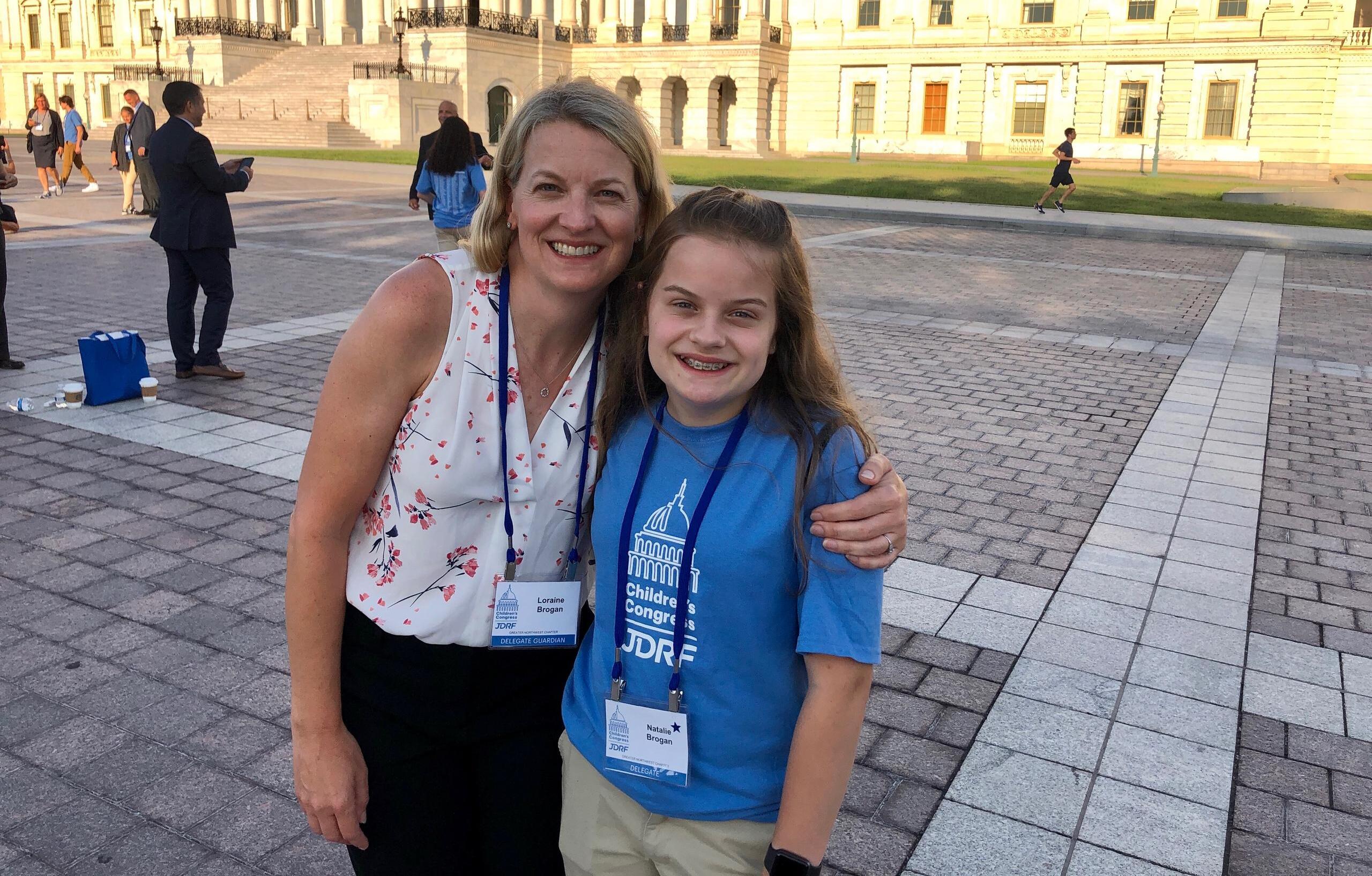
Witnessing her daughter thrive in an environment centered on inquiry and empathy inspired a profound career ambition. It was during this project that Natalie first articulated her goal of becoming a pediatric endocrinologist—a specialist who treats children with diabetes and other endocrine disorders. For Loraine, watching her daughter transform from a frightened pediatric patient into an empowered young researcher underscored the vital importance of incorporating patient perspectives into the earliest stages of scientific design.
The Breakthrough T1D Participant Advisory Council
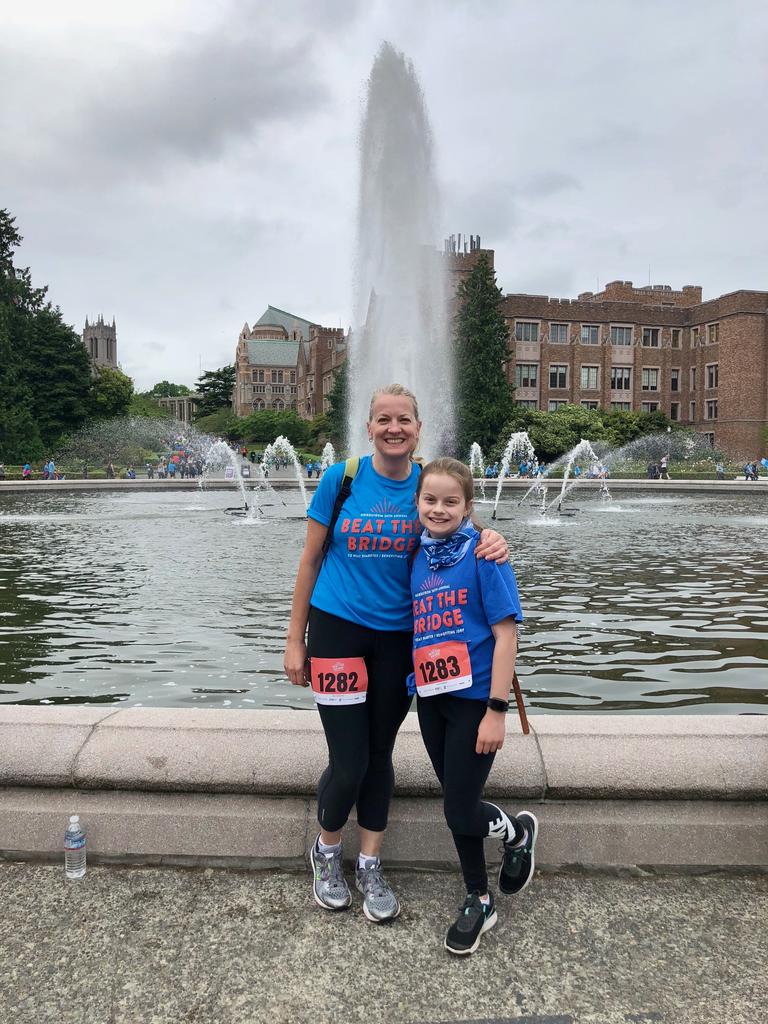
Driven by a shared commitment to improving the future of diabetes care, both mother and daughter eventually joined the Participant Advisory Council (PAC) of Breakthrough T1D, a leading global type 1 diabetes research and advocacy organization historically known as JDRF. Their connection to the organization spanned back years, originating from an encounter with a Breakthrough T1D staff member shortly after Natalie’s initial diagnosis.
The PAC serves as a critical bridge between the scientific community and the individuals who live with T1D every day. By recruiting individuals with lived experience—including both patients and caregivers—the council ensures that clinical trials and research initiatives are designed with practical human factors in mind.
Within the PAC, Natalie and Loraine bring distinct, highly complementary perspectives to the table. Natalie represents the voice of the youth demographic, articulating the realities of navigating alarms, nighttime blood-glucose drops, and the constant mental math required before consuming a meal. Loraine contributes the essential caregiver standpoint, illuminating the sleepless nights, the coordination of school care plans, and the profound psychological weight carried by parents and guardians.
Impact on Clinical Trial Design and Accessibility
The integration of patient advisory councils into medical research addresses a long-standing challenge in clinical studies: participant recruitment, retention, and protocol adherence. Historically, clinical trial drop-out rates have been exacerbated by rigid protocols that fail to account for the realities of daily life, such as excessive clinic visits, inflexible scheduling, and burdensome time commitments.
During their tenure on the Breakthrough T1D PAC, the Brogans actively participated in reviewing study designs for upcoming clinical trials. In one notable project, they provided candid feedback regarding the emotional burden and logistical hurdles of trial participation. Their recommendations directly influenced researchers to adjust communication strategies and introduce greater flexibility into clinic visit schedules. According to the authors, witnessing these institutional changes provided immense validation, proving that patient-centered advocacy can successfully reshape clinical methodologies to be more humane, accessible, and scientifically effective.
The Broader Implications of Patient-Centric Science
The collaboration between researchers and patient advocates represents a broader paradigm shift in modern medicine. Healthcare systems globally are increasingly recognizing that patient engagement is not merely an optional outreach tool, but a fundamental component of rigorous scientific investigation.
When researchers consult patients and families at the inception of a study, several key areas improve:
- Study Design: Protocols are streamlined to minimize unnecessary patient burden.
- Recruitment and Retention: Trials become more approachable, leading to more diverse and stable participant pools.
- Communication: Medical terminology is translated into clear, empathetic language that fosters trust between clinicians and families.
- Real-World Applicability: Findings more accurately reflect the challenges of managing chronic conditions in daily life.
For families affected by type 1 diabetes, this collaborative approach nurtures a tangible sense of hope. While the ultimate objective remains the discovery of a biological cure that eliminates T1D entirely, intermediate advancements in treatment technology, psychological support, and clinical accessibility significantly improve the quality of life for millions of individuals today.
Looking Forward and Getting Involved
The journey of Loraine and Natalie Brogan highlights the transformative power of storytelling and active community participation in medical research. By sharing their dual perspective as a patient and a caregiver, they continue to advocate for a future where type 1 diabetes management is less burdensome and, ultimately, obsolete.
Organizations like Breakthrough T1D continue to expand their outreach to ensure that affected families remain at the center of the scientific mission. Individuals interested in contributing their lived experiences to the Participant Advisory Council can contact Breakthrough T1D administration for more information on how to participate. Furthermore, patients and caregivers seeking to contribute directly to scientific progress are encouraged to explore active studies through Breakthrough T1D’s dedicated clinical trial resources, utilize online matching tools to find recruiting trials, and connect with local Clinical Trial Education Volunteers to navigate the participation process.