The Ultimate Guide to Healthy, Family-Friendly Thanksgiving Side Dishes for the 2026 Holiday Season

While the roasted turkey invariably claims the physical center of the holiday table, culinary historians and modern home economists alike recognize that the true heartbeat of Thanksgiving dinner lies within the supporting cast of side dishes. As households across North America prepare for the late-November holiday gatherings of 2026, a significant cultural and nutritional shift is underway. Consumers are increasingly moving away from overly processed, high-sodium shortcuts and heavily refined sugars, pivoting instead toward balanced, vibrant, and scratch-made alternatives that satisfy both traditional palates and modern wellness goals.
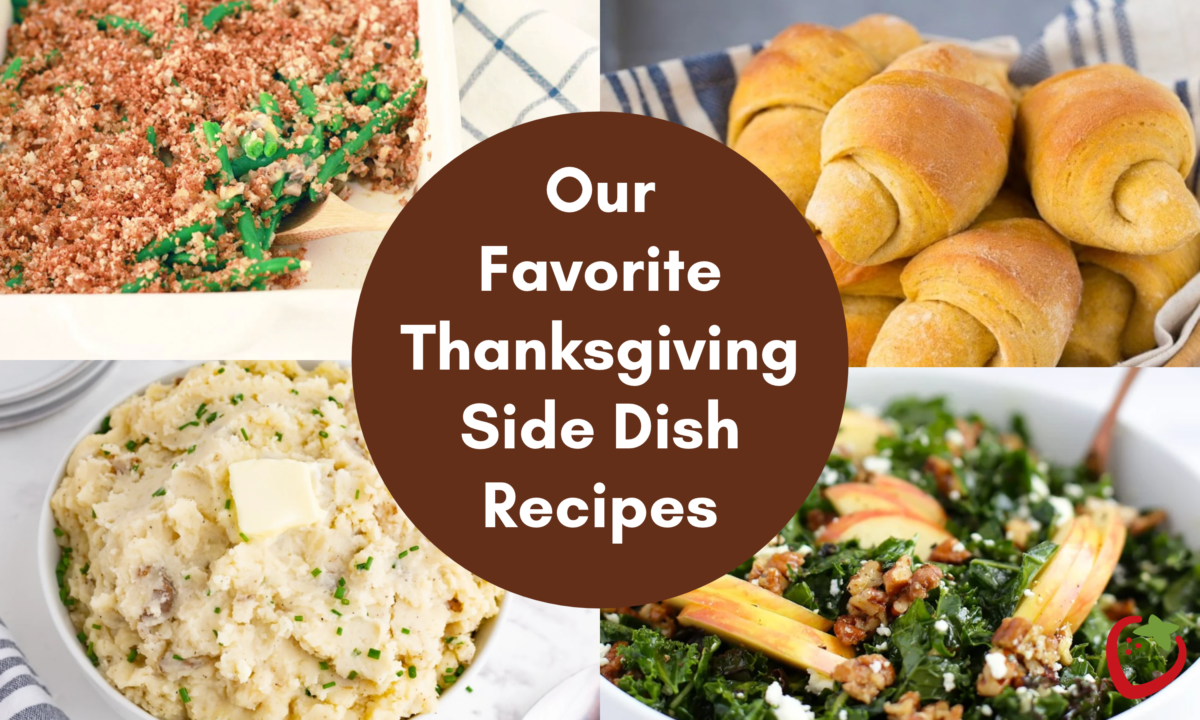
Culinary data from seasonal food networks and consumer trend analysts indicate that family hosts are dedicating more planning time to side dishes than ever before. This evolution is driven by a desire to accommodate diverse dietary needs, incorporate seasonal root vegetables, and—critically—engage younger eaters without resorting to the short-sighted strategy of preparing separate meals for children. To navigate this perennial holiday challenge, home cooks have curated an exhaustive compendium of 19 standout recipes, balancing comforting classics with nutrient-dense vegetable medleys, fresh autumnal salads, and artisan breads designed to streamline kitchen operations while elevating the dining experience.
The Evolution of the Thanksgiving Menu and Modern Dietary Shifts

The traditional American Thanksgiving menu has roots stretching back centuries, heavily influenced by early New England harvest festivals and regional Victorian additions. Historically, staples such as heavy mashed potatoes, cream-laden green bean casseroles, and exceptionally sweet marshmallow-topped yams dominated the spread. However, public health initiatives and shifting nutritional paradigms over the last decade have redefined how families approach holiday feasting.
Dietitians and nutritionists emphasize that a memorable holiday meal does not require culinary restriction, but rather strategic balance. By incorporating whole grains, antioxidant-rich seasonal produce, and lighter dairy alternatives—such as substituting Greek yogurt for heavy cream in mashed potatoes or utilizing natural maple syrup in place of refined white sugars—hosts can maintain the rich flavor profiles associated with the holiday while significantly reducing heavy post-meal lethargy. This balancing act is particularly vital for households managing picky eaters, where introducing familiar comfort foods infused with hidden nutrients acts as a bridge to healthier eating habits.

Classic Comforts Reimagined: Traditional Flavors with a Modern Twist
No Thanksgiving meal is complete without honoring the time-tested favorites that generations of families have anticipated all year. However, these foundational recipes have undergone subtle modernizations to improve texture, reduce prep time, and maximize flavor efficiency in busy home kitchens.
Leading the charge in the classic category is a scratch-made Homemade Stuffing utilizing rustic sourdough bread, savory breakfast sausage, aromatic fresh herbs, and a buttery foundation. By finely dicing the traditional mirepoix of onions and celery, this recipe achieves deep aromatic complexity without alienating children or guests who object to large, visible pieces of cooked vegetables.
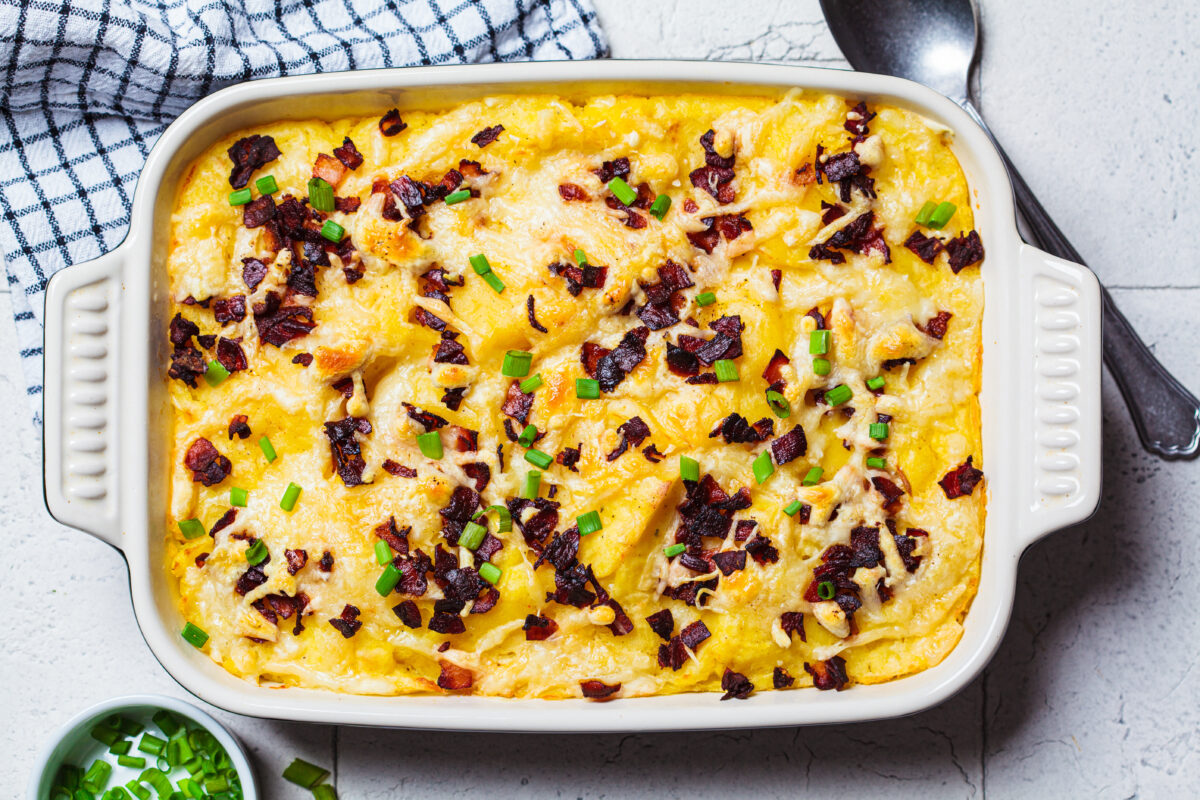
Equally indispensable to the holiday spread are mashed potatoes. The introduction of the Easy Crockpot Mashed Potatoes recipe addresses one of the most stressful logistical bottlenecks of Thanksgiving Day: stovetop overcrowding. By utilizing a slow cooker combined with Greek yogurt for enhanced creaminess and structural integrity, home cooks can prepare the dish hours in advance and safely hold it at optimal serving temperatures. For families seeking an elevated potato option, the Twice Baked Potato Casserole merges fluffy russets with cheddar cheese, crispy bacon, and green onions, offering a make-ahead friendly alternative that routinely outperforms standard mashed varieties at the dinner table.

Sweet potatoes and yams also receive a thoughtful nutritional upgrade. The Sweet Potato Casserole with Oat Crumble replaces traditional processed marshmallow toppings with a nutrient-dense pecan and oat streusel, lightly sweetened with pure maple syrup. For those seeking a simpler, stovetop-free preparation, Easy Candied Sweet Potatoes rely on brown sugar, butter, and warm baking spices to achieve natural caramelization from scratch, discarding canned alternatives entirely.
Vegetable Side Dishes: Bringing Color and Nutrition to the Holiday Spread

Integrating colorful, nutrient-dense vegetables into the Thanksgiving menu provides essential visual contrast and dietary fiber to offset richer protein dishes. Roasting remains the premier culinary technique for holiday vegetables, as high-heat caramelization breaks down natural plant sugars and creates appealing textures that even hesitant vegetable eaters find approachable.
Maple Roasted Carrots exemplify this approach, utilizing a simple glaze of garlic, butter, and maple syrup to elevate standard root vegetables into a sophisticated side dish suitable for any formal holiday gathering. Similarly, Honey Roasted Butternut Squash harnesses the inherent sweetness of winter squash, offering an accessible introductory vegetable rich in vitamins A and C.

For cruciferous vegetable lovers, the culinary landscape has expanded far beyond bitter boiled sprouts. Roasted Honey Bacon Brussels Sprouts combine caramelized exterior leaves with crispy pork and chewy tart cranberries, all unified by a final honey drizzle. Meanwhile, Roasted Cauliflower with Bacon and Pomegranate introduces a striking visual element to the table; the golden, charred florets paired with ruby-red pomegranate arils deliver a dynamic interplay of savory crunch and juicy tartness.
Refreshing Salads and Bright Cranberry Accompaniments
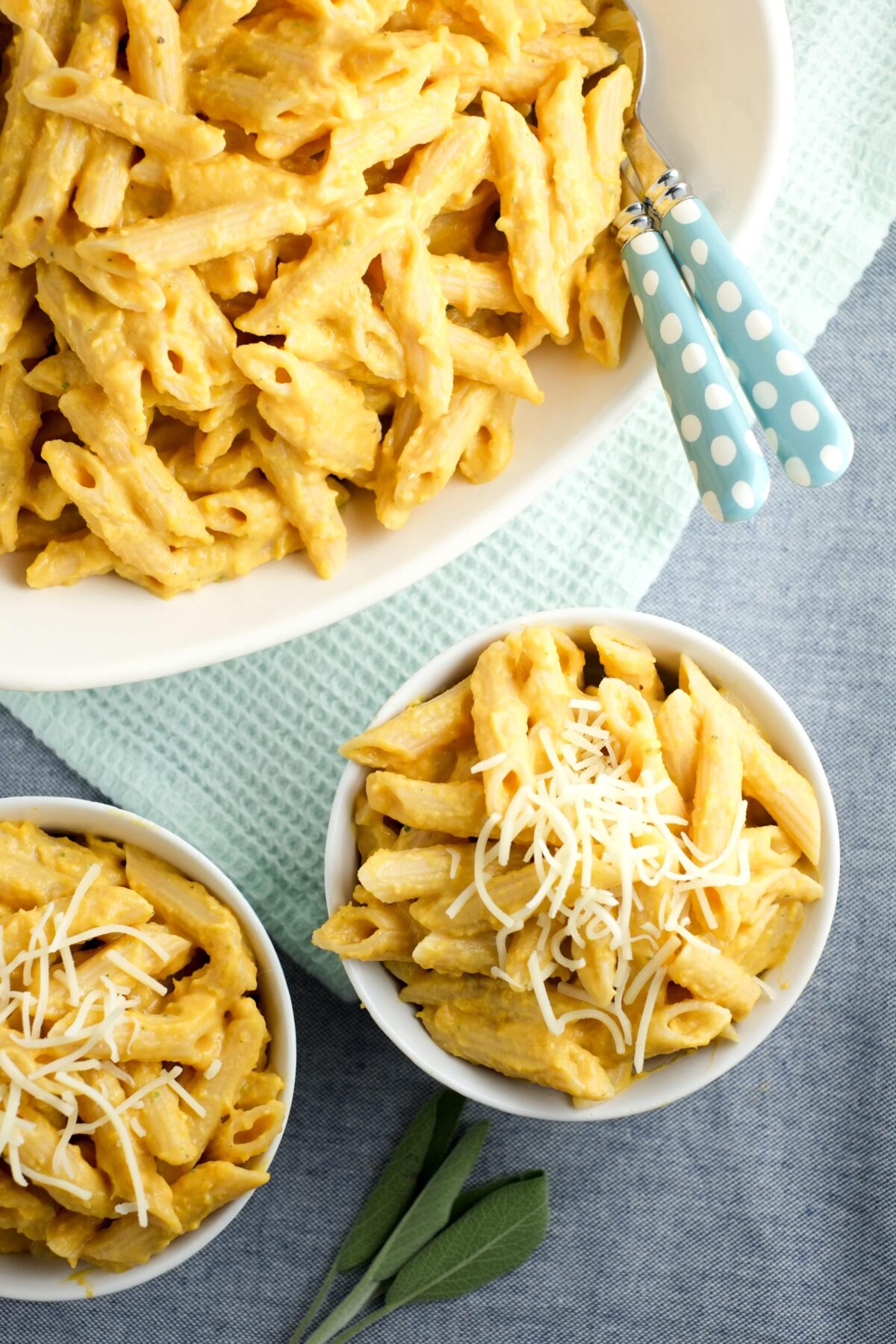
Because heavy, cooked dishes tend to dominate the Thanksgiving plate, incorporating fresh salads and bright, acidic elements is crucial for cleansing the palate and balancing the meal’s overall macro-nutrient profile.
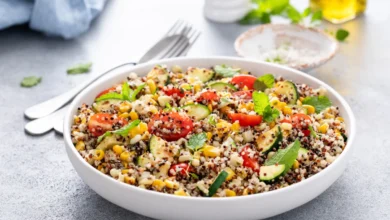
The Holiday Spinach Salad delivers a complex matrix of textures, combining tender baby spinach leaves with crisp apple slices, crumbled feta cheese, candied pecans, and pomegranate seeds, all tossed in a light apple cider vinaigrette. For a grain-based option, the Wild Rice Salad with Pear and Maple Vinaigrette offers nutty, earthy notes from wild rice paired with seasonal pears and walnuts, serving as a robust, fiber-rich centerpiece for vegetarian guests or an exceptional side for meat-eaters alike.

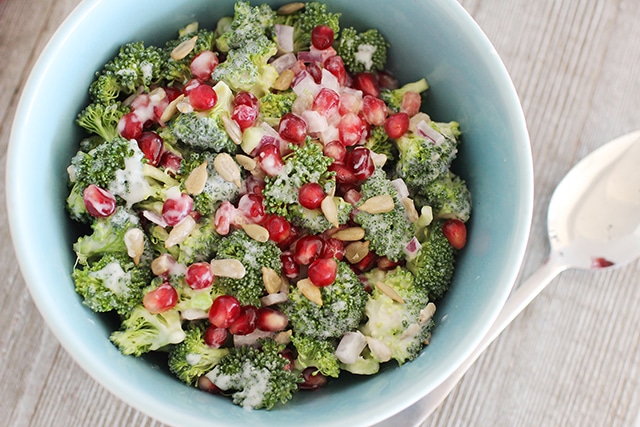
In the realm of produce-forward side salads, the Holiday Broccoli Salad modernizes a traditional picnic staple by incorporating raw, finely chopped broccoli florets, sunflower seeds, and sweet fruit elements bound together by a tangy, yogurt-based dressing. No traditional table is complete without Easy Homemade Cranberry Sauce. Discarding gelatinous canned cylinders in favor of fresh cranberries simmered with fresh orange zest and whole spices yields a condiment that provides the necessary acidity to cut through the rich fats of roasted turkey and gravy.
Breads, Rolls, and Casseroles: The Ultimate Comfort Foods

Carbohydrates occupy a sacred space in Thanksgiving culinary tradition, providing warmth and comfort as temperatures drop in late autumn. Quick and Easy Homemade Dinner Rolls offer soft, pillowy interiors and golden crusts designed specifically to absorb leftover turkey pan drippings.
For regional American flair, Cornbread Casserole—frequently referred to as spoon bread—brings a moist, sweet-and-savory profile to the table, utilizing fresh corn kernels and cornmeal baked to a golden finish. Additionally, specialized bread options like Sweet Potato Crescent Rolls integrate leftover or puréed root vegetables directly into yeast doughs, imparting a subtle golden hue and tender crumb that delights dinner guests of all ages.

Strategic Logistical Planning: The Make-Ahead Timeline
Preparing a multi-course Thanksgiving meal for a family gathering of six to eight people—which culinary experts suggest warrants between four and six distinct side dishes—requires rigorous project management. To mitigate holiday stress, professional caterers and home-economists recommend executing tasks across a structured timeline.

Two to Three Days Before Thanksgiving:
- Finalize the menu and cross-reference guest dietary restrictions.
- Purchase all non-perishable goods, canned items, baking supplies, and beverages.
- Prepare homemade cranberry sauce and store it in an airtight container in the refrigerator, where it will actually improve in flavor as the spices meld.
The Day Before Thanksgiving:

- Wash, peel, and chop root vegetables, storing them in water-filled containers in the refrigerator.
- Assemble complex casseroles—such as the sweet potato casserole, twice-baked potato casserole, or corn casserole—right up to the baking step. Cover tightly with foil and refrigerate.
- Prepare salad dressings and chop dry salad ingredients separately.
- Bake breads or rolls if utilizing recipes that freeze and reheat well.
On Thanksgiving Day:
- Execute slow-cooker recipes, such as the crockpot mashed potatoes, allowing them to shift to the "warm" setting well before guests arrive.
- Bake pre-assembled casseroles according to recipe guidelines, staggering oven times based on temperature requirements.
- Toss fresh salads and dress them immediately before plating to maintain crisp structural integrity.
Navigating Family Dynamics and Kid-Friendly Strategies

One of the most common stressors for holiday hosts is managing children’s dietary preferences amid unfamiliar or complex food presentations. Culinary child-nutrition specialists advise against the creation of entirely separate menus, which can isolate young diners and increase mealtime friction.
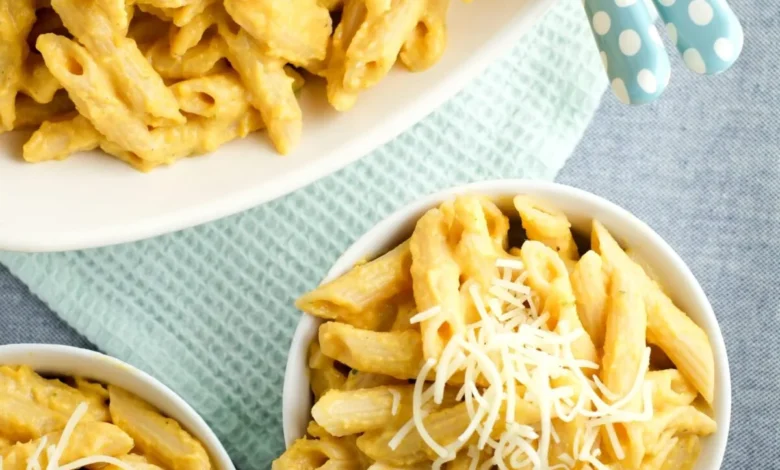
Instead, hosts should anchor the holiday table with universally accepted comforting anchors—such as plain dinner rolls, smooth mashed potatoes, and simple macaroni and cheese—while placing smaller, accessible portions of new vegetable dishes within arm’s reach. Encouraging children to participate in simple kitchen tasks leading up to Thanksgiving, such as stirring ingredients or tearing salad greens, significantly increases their psychological investment in trying the final dishes. Ultimately, experts remind families that Thanksgiving is fundamentally an exercise in community and gratitude; if a child’s holiday plate consists largely of dinner rolls and potatoes, the overarching goal of shared joy and celebration remains fully achieved.
Conclusion: A Balanced and Memorable Holiday
As families gather across the country for the 2026 holiday season, the philosophy surrounding Thanksgiving cooking continues to mature. By striking a harmonious balance between cherished family traditions and health-conscious culinary innovations, hosts can deliver a holiday spread that is simultaneously comforting, nourishing, and logistically manageable. Whether through the implementation of slow-cooker shortcuts, make-ahead casserole strategies, or the integration of vibrant, fiber-rich seasonal vegetables, the modern Thanksgiving table proves that great food and thoughtful preparation can coexist seamlessly, ensuring a memorable celebration for every guest in attendance.