Healthy Corn Chowder: A Nutrient-Dense Seasonal Culinary Evolution

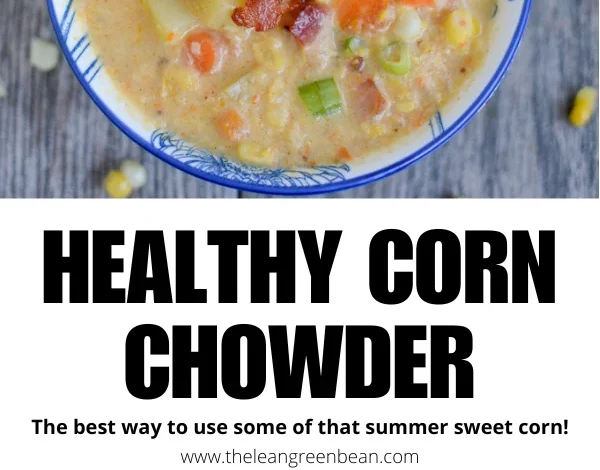
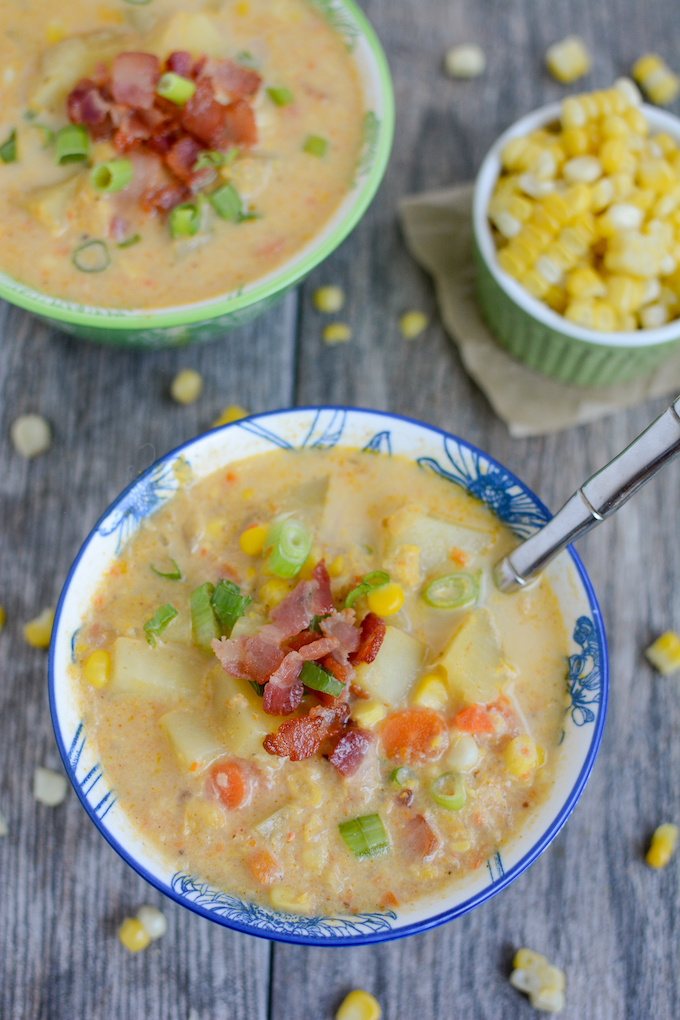
The transition from late summer to early autumn brings a unique bounty of seasonal produce, with sweet corn serving as a cornerstone of traditional harvest-time cooking. While classic corn chowder has long been a staple of American comfort food, its traditional preparation—often heavy on butter, flour-based thickeners, and high-fat heavy cream—frequently results in a dish with a significant caloric load and saturated fat content. Recent shifts in culinary nutrition have prompted a reimagining of this classic, focusing on lighter, broth-based preparations that retain the signature velvet texture without relying on excessive dairy. This modern iteration of corn chowder emphasizes the natural starchiness of potatoes and the inherent sweetness of fresh corn to achieve a balanced, health-conscious profile suitable for contemporary dietary needs.
The Nutritional Revaluation of Classic Chowders
Historically, the American chowder tradition—specifically the corn-based variety—was developed as a method to preserve and utilize end-of-season produce. However, from a nutritional standpoint, many traditional recipes contain upwards of 600 to 800 calories per serving, primarily derived from heavy cream and bacon fat. Registered Dietitians and food scientists have recently advocated for "lightening" these recipes to make them viable as a regular meal rather than an occasional indulgence.
By replacing the traditional heavy cream base with a combination of vegetable or chicken stock and a minimal volume of low-fat milk, chefs can significantly reduce the lipid profile of the dish. The technique of partial emulsification—blending a portion of the soup containing softened potatoes and corn—is a critical development in this culinary evolution. This process leverages the natural pectin and starch content within the vegetables to create a viscous, creamy consistency that mimics the mouthfeel of heavy cream without the added fat. This approach aligns with broader public health initiatives to increase vegetable consumption while maintaining palatability.
Seasonal Procurement and Agricultural Context
The success of a high-quality corn chowder is intrinsically linked to the procurement of fresh produce. Agricultural data from the United States Department of Agriculture (USDA) indicates that peak harvest for sweet corn typically occurs between July and September, depending on the latitude. Using corn at the height of its sweetness is not merely a matter of taste; it is a functional requirement for this recipe.
When corn is harvested, its natural sugars begin to convert into starch immediately. Therefore, the "farm-to-table" interval is the primary determinant of flavor. For those attempting to replicate this dish outside of the primary harvest window, the use of flash-frozen corn is often recommended. Modern flash-freezing technology captures the corn at the peak of its sugar content, effectively halting the conversion to starch and providing a nutrient profile comparable to, and sometimes superior to, fresh corn that has spent several days in transit.
Technical Methodology for Preparation
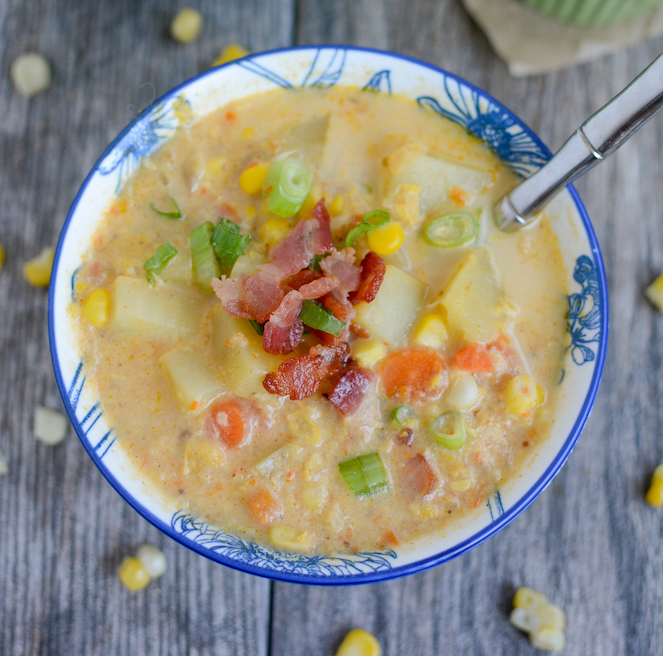
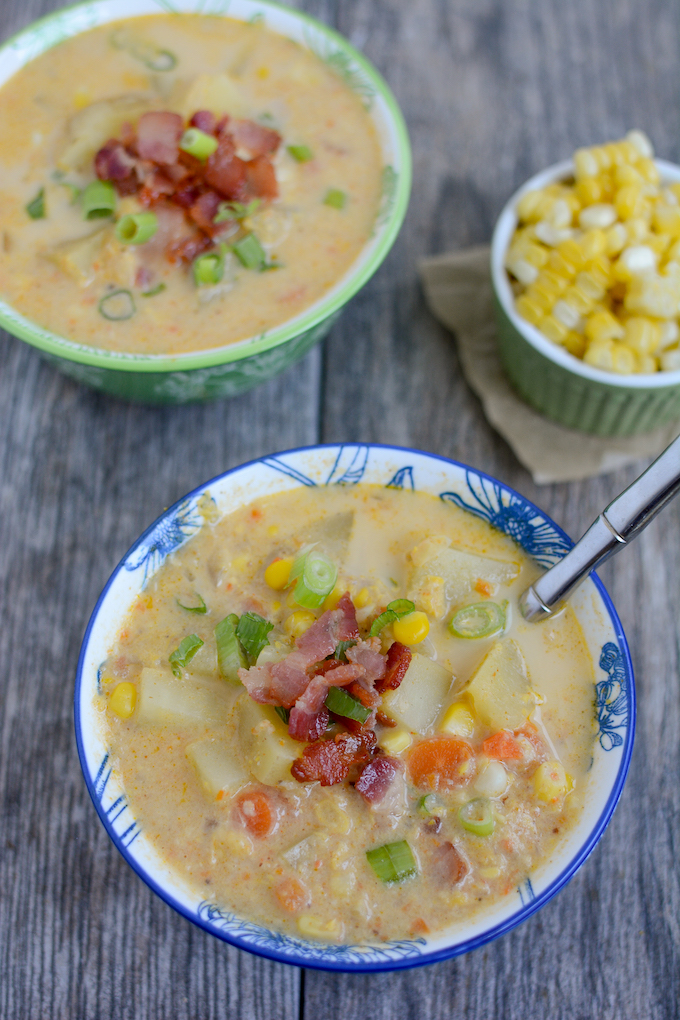
The preparation of a modernized corn chowder follows a structured, scientific approach to flavor development. The process typically begins with the creation of a vegetable-forward broth. A distinctive, highly effective technique involves using the bare cobs of the corn. After the kernels have been removed, simmering the cobs in the broth base extracts residual sugars and corn-specific aromatics that are otherwise discarded.
Once the aromatic base is established, the structural components—typically diced potatoes and onions—are added. The inclusion of potatoes is not merely for bulk; the potatoes serve as the primary thickening agent. Once the starch has been released during the simmering process, a small portion of the mixture is processed with an immersion blender. This creates a base that is naturally thick. The addition of a "splash" of cream or milk at the final stage is intended purely for color and a slight rounding of the flavor profile, rather than as a primary source of texture.
Addressing Culinary Challenges: Texture and Consistency
One of the most frequent criticisms of low-fat or "healthy" chowder recipes is the tendency for the soup to become "watery" or thin. This occurs when the traditional fat-based roux is removed. To address this without resorting to high-calorie thickeners, several culinary techniques are employed:
- Starch Gelatinization: By ensuring the potatoes are cooked until they are tender and partially breaking down, the soup naturally thickens as the starch molecules absorb water.
- Legume Integration: The addition of white beans, such as Cannellini or Great Northern beans, is a modern innovation. When blended, these beans provide a neutral flavor and a high-fiber, high-protein creaminess that drastically improves the body of the soup.
- Potato Flakes: In instances where a thicker consistency is desired without extended cooking times, the measured use of instant potato flakes provides an immediate, consistent thickening effect without altering the underlying flavor profile.
Storage, Preservation, and Food Safety
From a food safety perspective, dairy-based soups present specific challenges regarding storage and reheating. The emulsion of milk and cream is susceptible to "breaking"—a process where the fat separates from the water content—upon freezing and thawing. Consequently, culinary experts recommend that if a batch of chowder is intended for long-term storage, it should be frozen before the addition of the dairy components.
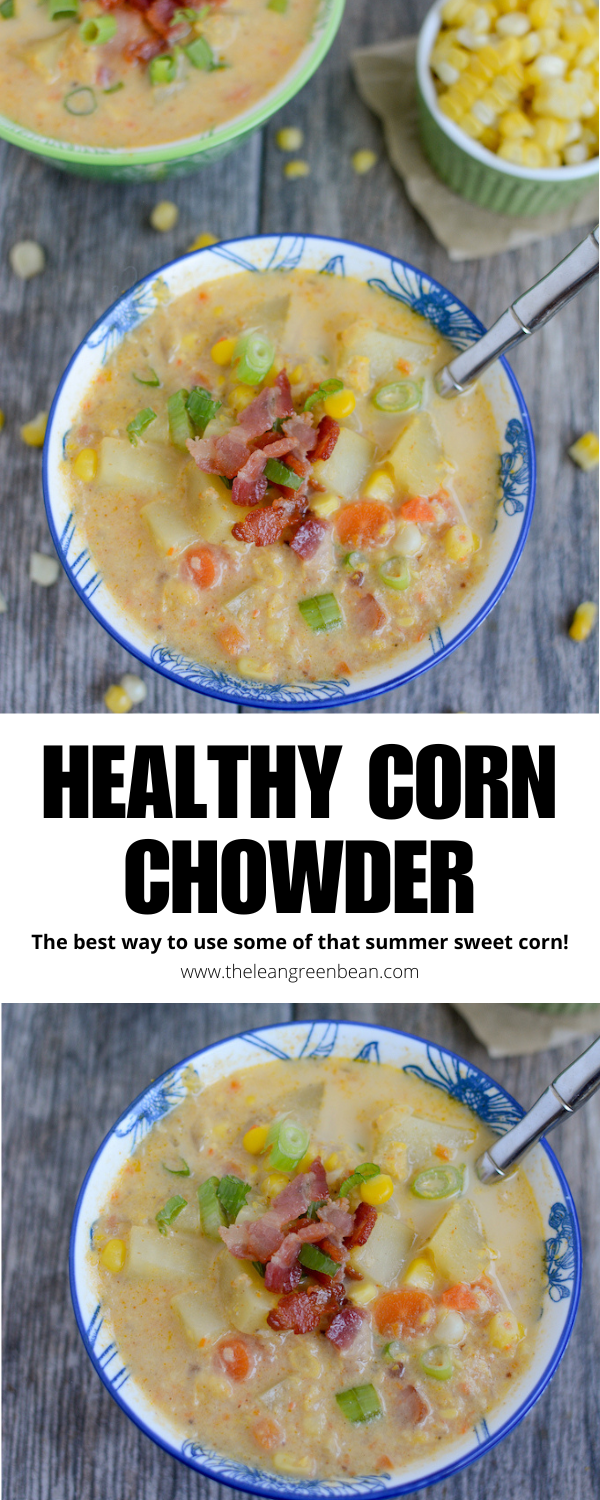
By freezing the soup in its broth-and-vegetable state, the integrity of the potatoes and corn is better preserved. The milk or cream can be incorporated during the reheating phase, ensuring a fresh, homogenous texture that avoids the graininess often associated with reheated cream soups.
Broader Nutritional and Economic Implications
The shift toward healthier, lighter chowder recipes reflects a broader trend in the American diet: the "substitution movement." As consumers become increasingly aware of the health implications of high-sodium, high-saturated-fat diets, the demand for recipes that can be easily modified at home has surged.
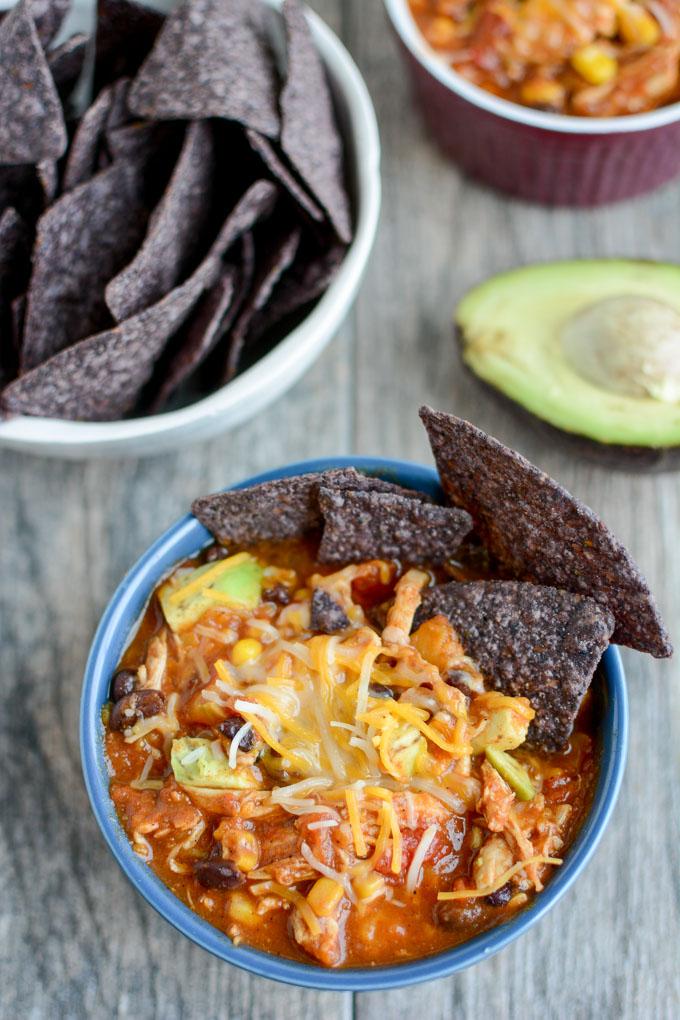
Economically, this recipe is highly efficient. By utilizing the entirety of the corn cob and stretching the soup with affordable, shelf-stable ingredients like potatoes and beans, the cost-per-serving remains significantly lower than many meat-centric dishes. Furthermore, the versatility of this base allows for the inclusion of various protein sources—such as lean chicken sausage or leftover roasted poultry—making it a flexible foundation for a complete, nutritionally balanced meal.
As public health officials continue to emphasize the importance of home cooking as a mechanism for controlling nutritional intake, recipes like this serve as a vital tool. They bridge the gap between traditional comfort food and modern nutritional standards, providing a sustainable, scalable model for healthy eating that does not sacrifice the sensory satisfaction associated with classic culinary traditions. By leveraging simple, whole-food ingredients and efficient cooking techniques, the modern corn chowder stands as a testament to the fact that healthy eating does not require the abandonment of seasonal, flavorful traditions, but rather their refinement through scientific and culinary innovation.