The premium stroller market has long been defined by the intersection of high-end engineering and fashion-forward aesthetics, a niche where the German manufacturer Cybex has established a dominant presence. Among its flagship offerings, the Cybex Priam and the Cybex Mios stand as the two most sought-after models for urban parents. While both strollers reflect the brand’s "D.S.F. Innovation Principle"—a design philosophy focusing on distinctiveness, safety, and functionality—they serve different lifestyle needs. This report provides a comprehensive analysis of the technical specifications, performance capabilities, and practical implications of choosing between these two luxury mobility solutions.
Design Evolution and Market Positioning
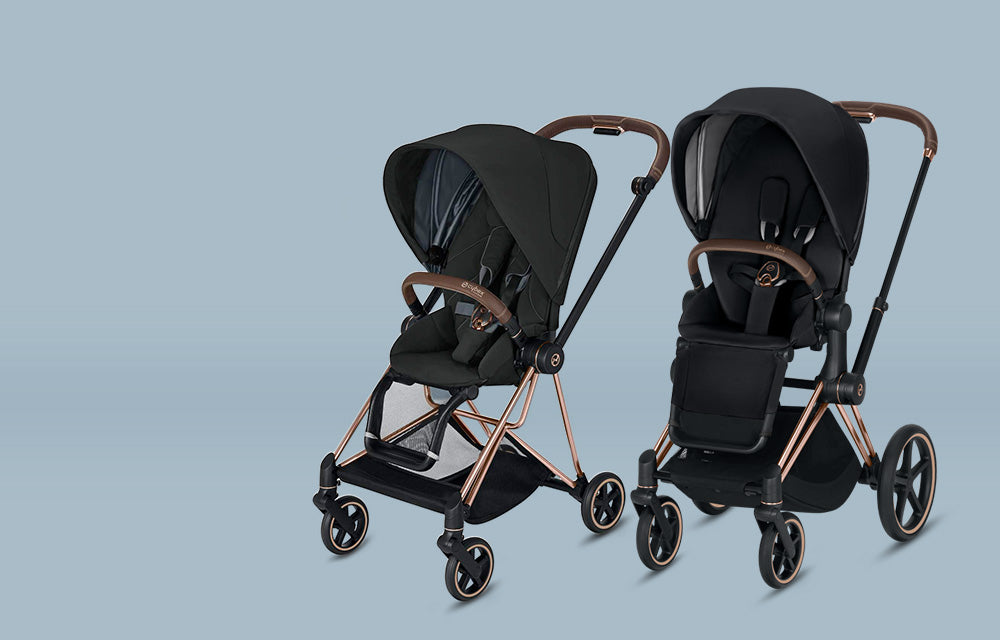
The Cybex brand has historically targeted the intersection of lifestyle and utility. The Priam, often described as the "gold standard" of the brand’s portfolio, was designed to function as a complete 3-in-1 travel system capable of handling diverse terrains. In contrast, the Mios, introduced as the "little brother" of the Priam, was engineered with a specific focus on urban agility.
The two models share a common lineage, both incorporating the brand’s signature leather-look detailing and high-quality textiles. However, the market segmentation is clear: the Priam is built for parents who prioritize comfort, wheel size, and all-terrain versatility, whereas the Mios is tailored for the high-density urban environment where maneuvering through narrow retail aisles and navigating public transit is a daily necessity.

Comparative Technical Specifications
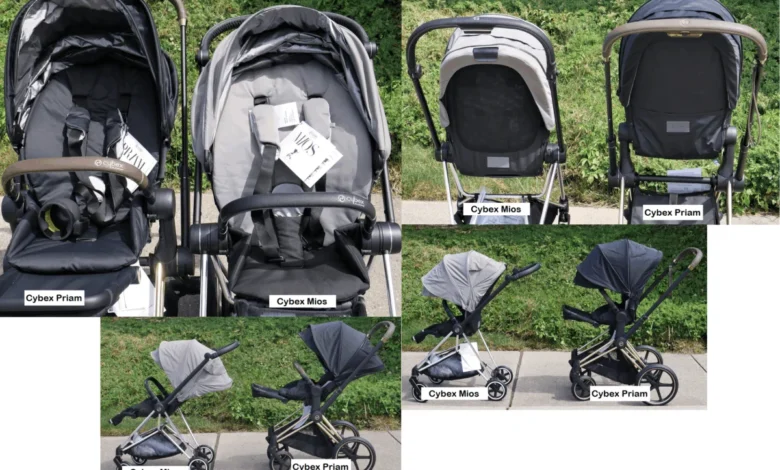
A granular examination of the weight and dimension metrics reveals the primary differentiator between these two units. The Priam, constructed for stability and heavy-duty use, weighs in at approximately 28.1 lbs. Its chassis is wider, providing a broader base that translates into increased stability during long-distance walks or when encountering uneven surfaces.
The Mios, by design, focuses on weight reduction and a streamlined footprint. Weighing 21.6 lbs, it offers a significant reduction in mass, which is a critical factor for parents who live in walk-up apartments or frequently lift their stroller into a vehicle. The dimensional delta is equally important; the Mios’s narrower frame allows for seamless navigation through urban infrastructure, whereas the Priam requires a more substantial storage area.

Performance and Engineering
Both strollers feature the brand’s sophisticated all-wheel suspension system, which mitigates the impact of vibrations on the infant. However, the implementation of these features differs to suit their respective target environments. The Priam utilizes larger wheels—7.5 inches in the front and 12 inches in the back—which are optimized for traversing cracks, gravel, or park pathways. The suspension on the Priam is calibrated for maximum shock absorption, reflecting its status as a full-size, all-terrain performer.
The Mios, while maintaining the same suspension technology, uses smaller wheel assemblies. While this ensures a smooth ride on flat city concrete, it is not intended for the same degree of off-road utility as the Priam. Both models incorporate a one-hand fold mechanism, a critical convenience feature for modern parents, though the resulting folded dimensions reflect the structural differences of the frames.

Comfort Features and Interior Ergonomics
Cybex has prioritized climate control and ergonomic support in both models. A notable feature is the breathable mesh seat-back, which is a significant departure from the traditional padded, non-breathable fabrics found in many competing luxury strollers. This mesh design is intended to regulate the child’s body temperature, particularly in warmer climates.
Both models feature reversible seats, allowing the child to face the parent for early development or face forward to explore the environment. The memory buttons included on the seat attachment points are a sophisticated touch, allowing for a one-handed removal of the seat unit. Furthermore, both strollers include an adjustable leg rest and a five-point harness system, ensuring that the seat remains functional and comfortable as the child grows toward the 55 lb weight capacity limit.

Canopy and Sun Protection Standards
The canopy design on both the Priam and the Mios represents a pinnacle of stroller engineering. Both units feature an extendable, three-panel sun canopy with a dedicated peek-a-boo window. The fabric is rated UPF 50+, providing rigorous protection against ultraviolet radiation. The hand-stitched leather insignia, reading "For Tomorrow’s People," serves as a branding hallmark that underscores the company’s commitment to premium material quality. The level of coverage, which extends down to the bumper bar, ensures that the child is shielded from external elements, including wind and excessive sunlight.
Travel System Integration
The flexibility of these strollers is perhaps best demonstrated by their modular nature. Both the Priam and the Mios function as the centerpiece of a comprehensive travel system. By utilizing dedicated car seat adapters—which are included as part of the standard purchase package—parents can attach Cybex infant car seats directly to the chassis. This creates a seamless transition from the vehicle to the stroller without disturbing a sleeping infant. The inclusion of a rain cover, cup holder, and bumper bar as standard equipment mitigates the need for costly initial add-ons, a common frustration for consumers in the luxury goods sector.

Economic Considerations and Market Value
The price discrepancy between the two models—starting at approximately $649.95 for the Mios versus $999.95 for the Priam—reflects the difference in frame construction, wheel size, and the intended longevity of the chassis.
From an analytical standpoint, the price premium for the Priam is largely attributed to its role as a "heavy-duty" primary stroller. It is built to endure more rigorous daily usage. The Mios, while still a premium product, is priced for the demographic that values agility and aesthetics over rugged terrain capabilities. Both models, however, retain a high resale value due to the brand’s reputation and the durability of the components.

Handling and Maneuverability
The handlebar design illustrates the divergent focus of the two models. The Priam utilizes a telescopic adjustment mechanism that moves the handlebar vertically, allowing for a neutral, upright pushing position. The Mios employs an angled adjustment, which provides a greater range of motion for parents of varying heights. This allows the Mios to feel exceptionally nimble in tight spaces, as the user can adjust the leverage point of the stroller with greater precision.
Implications for Modern Parents
The choice between the Priam and the Mios should be dictated by the user’s primary environment. For families residing in suburban areas or those who prioritize long, outdoor excursions, the Priam’s stability and wheel size are superior. It is designed to handle the unpredictability of diverse terrains. Conversely, the Mios is the definitive choice for the urban professional. Its compact nature, lower weight, and exceptional maneuverability make it a tool designed to solve the logistical challenges of city living.

Conclusion and Final Verdict
The Cybex Priam and the Cybex Mios are not merely tools for transportation; they are sophisticated pieces of industrial design that cater to the evolving needs of the modern family. While the Priam offers the robustness and stability of a full-sized, all-terrain unit, the Mios provides the lightweight agility required for the modern metropolis. Both strollers demonstrate a high level of consistency in terms of safety, comfort, and aesthetic customization.
By offering multiple base color options—such as rose gold, chrome, and matte black—and a vast array of fabric colors, Cybex allows parents to treat these strollers as an extension of their personal style. Whether the decision is made for the Priam’s rugged, high-performance frame or the Mios’s streamlined, urban-focused architecture, both represent the upper tier of the current stroller market, delivering on the promise of high-quality engineering and functional, everyday luxury. The ultimate decision rests on the specific lifestyle requirements of the user, yet both options provide a reliable and fashionable solution for child mobility.