Just Add Water: A Timeless Parenting Philosophy Embraced by the Cup of Jo Community


Eight years ago, a seemingly simple comment on a lifestyle blog post unexpectedly ignited a transformative parenting philosophy that has since become a cornerstone for thousands of families worldwide. This enduring advice, encapsulated in the phrase "If they are crabby, add water," originated from a reader named Chloe on the popular Cup of Jo platform in May 2018. What began as a personal anecdote quickly transcended its digital origins, evolving into a widely adopted, intuitive strategy for navigating the daily challenges of raising children and even fostering adult well-being.

The Genesis of a Movement: From Comment to Community Mantra
The phrase "If they are crabby, add water" was first shared by Chloe in a comment section, detailing its effectiveness across a wide age range, from a 14-year-old to an eight-year-old. Her practical suggestions—running a bath, taking a shower, watering the garden, washing the dog, having a hot or cold drink—highlighted the versatility and universal accessibility of water-based interventions. Chloe’s assertion that "It works 99% of the time" resonated deeply with parents seeking straightforward, effective solutions to common childhood frustrations like grumpiness, restlessness, or meltdowns.

This initial comment struck a chord with the Cup of Jo community, known for its engaged readership and shared experiences in parenting and daily life. The blog’s founder, Joanna Goddard, herself became a proponent, noting how she applied the motto daily, particularly during her baby Evelynn’s "witching hour," illustrating its immediate and personal impact. The public sharing of this simple yet profound advice tapped into a universal need for practical, low-barrier strategies in the often-overwhelming landscape of modern parenting. Its widespread adoption underscores a collective yearning for simplicity and connection amidst the complexities of contemporary family life.
An Eight-Year Journey: Cultivating Calm and Connection

Over the past eight years, the "just add water" motto has been continually rediscovered and championed by new generations of parents, demonstrating its timeless appeal and practical efficacy. Its longevity can be attributed to its adaptability across various contexts and age groups, from infants to teenagers, and its ability to address a spectrum of emotional states. The methodology is not prescriptive but rather suggestive, encouraging parents to interpret "adding water" broadly, encompassing everything from a quick splash to an immersive experience.
The journey of this philosophy reflects a growing trend in parenting towards mindful, responsive approaches that prioritize emotional regulation and sensory engagement. In an era often dominated by structured activities and screen time, the simplicity of water play offers a refreshing alternative, promoting unstructured engagement and natural exploration. This community-driven phenomenon illustrates the power of shared wisdom, where a single insight can foster a collective understanding and provide a tangible tool for enhancing family harmony. The consistent testimonials from readers, spanning nearly a decade, confirm its sustained relevance and efficacy as a go-to strategy for parental peace of mind.

The Science Behind the Soothe: Why Water Works
The profound calming and regulating effects of water are not merely anecdotal but are supported by scientific understanding of human physiology and psychology. Engaging with water offers a multi-sensory experience that can significantly impact mood, stress levels, and cognitive function.

- Sensory Integration: Water provides rich sensory input—tactile (temperature, texture), auditory (splashing, running water), and visual (reflections, movement). For children, especially those experiencing sensory overload or underload, water play can be incredibly regulating. It offers a gentle, pervasive stimulus that can help organize the nervous system, leading to a state of calm.
- Stress Reduction: Immersion in water, particularly warm water, is known to reduce cortisol levels, the body’s primary stress hormone. This physiological response contributes to a feeling of relaxation and well-being. The rhythmic nature of water activities, such as bathing or watering plants, can induce a meditative state, reducing anxiety and promoting mental clarity for both children and adults.
- Cognitive Reset: The focused engagement required for many water activities—like pouring, scooping, or observing—can act as a mental break from other stressors. This allows the brain to shift focus, providing a cognitive "reset" that can alleviate grumpiness or irritability stemming from mental fatigue or overstimulation.
- Promoting Play and Creativity: Water is an open-ended play material that encourages imaginative and exploratory behavior. It doesn’t come with predetermined rules, allowing children to experiment, problem-solve, and express themselves creatively. This unstructured play is vital for healthy development and can be deeply satisfying, turning a crabby mood into one of joyful engagement.
- Connection to Nature: Many "just add water" activities inherently involve an element of nature, whether it’s splashing in puddles, playing at the beach, or watering a garden. Exposure to natural environments has well-documented benefits for mental health, reducing symptoms of ADHD, anxiety, and depression in children and adults. The "blue space" hypothesis suggests that proximity to water bodies enhances psychological well-being.
By leveraging these inherent properties, "just add water" offers a holistic approach to managing challenging moods, fostering emotional resilience, and promoting overall well-being within the family unit.
Diverse Applications: Real-World Testimonials Illustrate Water’s Power

The versatility of the "just add water" motto is best illustrated through the varied experiences shared by readers, each finding unique ways to apply the philosophy to their daily lives.
-
The Calming Rituals of Bathing: The most direct interpretation of "add water" often involves a bath or shower. Purnima, a long-time adherent, recounts how bubble baths were a consistent remedy for sibling disagreements when her sons were younger, transforming "hurt feelings and harsh words" into "giggling and ready to take on the world together." Even as her children aged, the simple act of a shower remained an effective tool for a teenager overwhelmed by school tasks. The routine and sensory comfort of warm water create a predictable, soothing environment conducive to emotional recalibration. The Cup of Jo founder herself highlighted using a kitchen sink bath for her baby Evelynn, a poignant example of adapting the advice to immediate needs during the "witching hour."
-
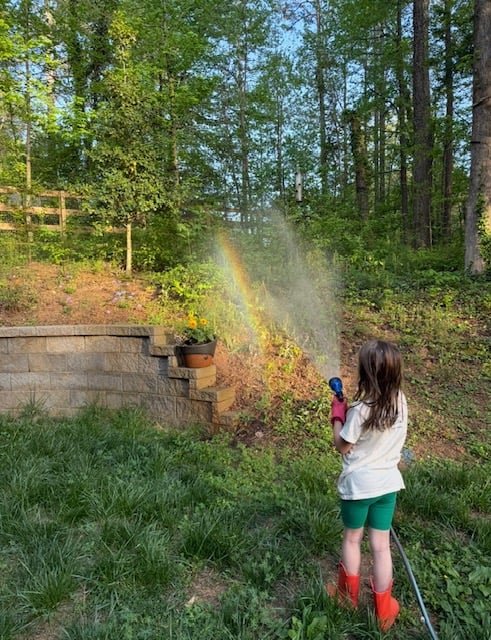
Outdoor Adventures and Sensory Exploration: Water’s capacity to facilitate outdoor play and exploration is a recurring theme. Claire, desperate for an activity to bridge the gap until her husband’s return, found success with car washing in early March, demonstrating how a mundane chore can become an engaging, water-centric play opportunity. Jessica embraced "rain walks," allowing her children to abandon umbrellas and raincoats to revel in getting soaked, transforming dreary weather into an exciting adventure. Ginelle observed her two-year-old, Beau, finding pure joy and "levity" in the biggest puddle after a morning rain, showcasing the uninhibited freedom water can offer. Helle, living in rural Norway, noted how simply turning on the hose brought her children and dogs "alive" during the endless summer days, requiring "zero effort" on her part. Emily O. described an annual "Open to Close Day" at the public pool, where her kids "never get bored," highlighting water’s sustained engagement potential. These instances underscore water’s ability to foster connection with nature, encourage physical activity, and provide rich sensory experiences that captivate children and dispel grumpiness. Rebekah’s recent experience with her sick son, whose grumpiness lifted after playing in a new splash pad, further illustrates the immediate therapeutic effect of water play, even leading to better sleep.
-
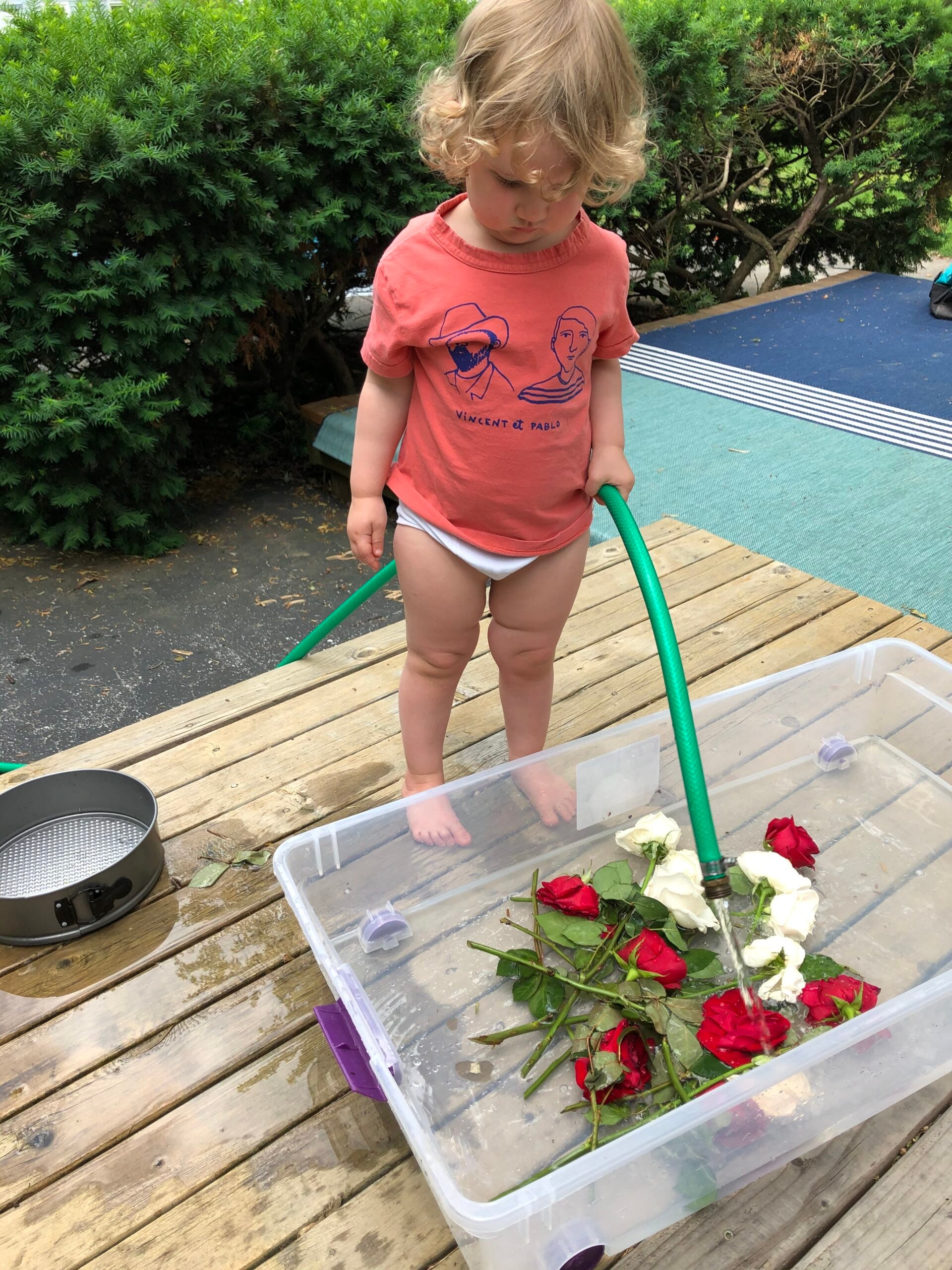
Water as a Catalyst for Connection and Resilience: Beyond immediate mood regulation, water activities often create opportunities for deeper connection and emotional processing. Lauren shared how fishing with her son at a nearby jetty, despite rarely catching anything, became a "lovely, peaceful way to spend time together outdoors after a busy day." This exemplifies how water facilitates shared, low-pressure experiences that strengthen bonds. Christa’s testimony provides a powerful example of water’s role in personal resilience. During her divorce, daily dips in the sea with her daughter became a vital ritual, a "dream" that helped them navigate a challenging period by offering a sense of calm and continuity. This demonstrates that "just add water" extends beyond children’s moods, offering a powerful tool for adult emotional well-being and shared healing. Miranda’s story of her toddler turning a simple act of watering flowers into an "immersive rose-petal bath" for herself illustrates how water can ignite imaginative play and spontaneous joy, turning a quiet moment into an exploratory adventure. Katherine found that a bath followed by watering "the garden" (mostly weeds) effectively helped her eight-year-old daughter recover from post-school grumpiness, showcasing how practical, water-based tasks can be therapeutic.

These diverse narratives collectively paint a picture of water as an accessible, versatile, and profoundly effective tool for fostering joy, calm, and connection within families.
Beyond the Bathtub: Broader Implications for Parenting

The "just add water" philosophy, while seemingly simple, carries significant broader implications for contemporary parenting and family dynamics.
- Simplification of Parenting Advice: In an age saturated with complex parenting theories, expensive gadgets, and overwhelming advice, "just add water" stands out for its elegant simplicity. It offers a counter-narrative to the pressure to constantly entertain or intellectually stimulate children, instead advocating for basic, sensory-rich experiences. This simplification can reduce parental stress, offering a clear, actionable strategy when other methods fail.
- Emphasis on Unstructured Play: The motto inherently promotes unstructured, child-led play. Whether it’s a bath, splashing in puddles, or watering plants, these activities allow children to direct their own engagement, fostering autonomy, creativity, and problem-solving skills, which are crucial for healthy development. This contrasts sharply with the increasingly structured and scheduled lives of many children.
- Accessibility and Equity: Water is a universally accessible resource, making the advice equitable across different socioeconomic backgrounds. Unlike expensive toys or elaborate outings, "adding water" often requires minimal financial investment, democratizing access to effective parenting tools. This accessibility ensures that the benefits of sensory play and emotional regulation through water are available to a wider demographic.
- Promoting Parental Well-being: The testimonials clearly show that the motto isn’t just for children. Parents like Christa found solace and a "dream" in ocean dips during a divorce, highlighting water’s therapeutic benefits for adults too. The ability to quickly and effectively shift a child’s mood also reduces parental frustration and stress, contributing to a more harmonious home environment. The ease of implementation means parents can achieve positive results with less effort, providing much-needed respite.
- Fostering Resilience and Emotional Regulation: By providing a reliable method for resetting challenging moods, "just add water" helps children develop better emotional regulation skills. They learn that certain activities can help them feel better, contributing to their emotional literacy and resilience. For parents, it provides a consistent strategy for managing emotional outbursts without resorting to punitive or overly complex interventions.
A Simple Solution in a Complex World
In conclusion, the "just add water" motto, born from a reader comment on Cup of Jo eight years ago, has evolved into a powerful and widely embraced parenting philosophy. Its sustained popularity is a testament to its elegant simplicity, universal accessibility, and profound effectiveness in fostering calm, connection, and joy within families.
The scientific underpinnings of water’s calming effects, combined with the rich tapestry of real-world experiences shared by parents, underscore its value as a practical tool for emotional regulation and sensory engagement. In a world increasingly complex and demanding, this straightforward advice offers a refreshing antidote, reminding parents of the profound power inherent in elemental experiences. As the Cup of Jo community continues to share and apply this wisdom, "just add water" remains a beacon of simple, impactful parenting, proving that sometimes, the most effective solutions are the most fundamental. It serves as a powerful reminder that basic resources and imaginative play can profoundly impact family well-being, fostering resilient children and calmer households.
Related posts: