Navigating Teen Piercing Requests: Why Maturity and Readiness Matter More Than Age

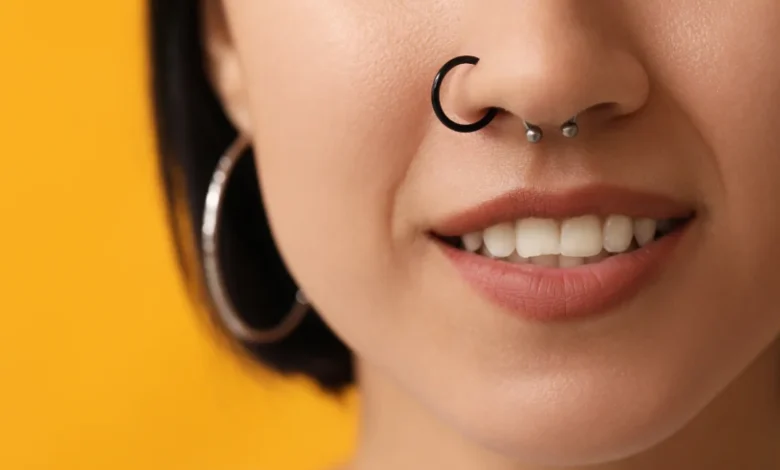
When a teenager approaches their parents with a request for a body piercing, the initial parental reaction often sets the tone for the entire conversation. Long before evaluating the merits of a nose stud, cartilage ring, or eyebrow bar, child psychologists and pediatric health experts emphasize that how parents respond in the exact moment the topic is broached can profoundly influence family communication. Rather than immediately shutting down the request or giving an impulsive green light, experts suggest that the initial dialogue should serve as an opportunity to gauge a teen’s overall maturity, responsibility, and understanding of bodily autonomy.
The quest for self-expression through body modification is a standard developmental milestone for adolescents. However, navigating this rite of passage requires parents to balance safety concerns with their teenager’s growing desire for independence. Understanding the nuances of adolescent development, medical guidelines, and the varying risk profiles of different types of piercings can help families transform a potentially contentious battle into a constructive exercise in trust-building and decision-making.
Beyond the Birthday: Assessing Individual Readiness
A common point of contention in households is whether there is a universal "magic age" when a teenager becomes ready for a piercing. Pediatricians and adolescent medicine specialists resoundingly answer in the negative. Age is merely one component of a much larger developmental picture. Two teenagers of the exact same chronological age can possess vastly different levels of emotional maturity, impulse control, and personal responsibility.
The American Academy of Pediatrics (AAP) offers broad guidance on ear piercing that focuses squarely on readiness rather than prescribing a specific age threshold. According to pediatric frameworks, the primary indicator of readiness is whether the child or teenager possesses the maturity required to properly care for the piercing site during the healing process. This includes adhering to strict hygiene protocols, recognizing the early signs of infection, and resisting the urge to prematurely change or remove jewelry.
Consequently, readiness depends heavily on the specific type of piercing requested and the teen’s demonstrated track record of personal care. For instance, a thirteen-year-old who has a proven, reliable hygiene routine and a history of conscientiously following through on responsibilities may be entirely ready for a simple earlobe piercing. Conversely, a sixteen-year-old who still requires frequent reminders to manage basic personal hygiene tasks may struggle with the daily aftercare demands of a more complex modification.
The Risk Hierarchy: From Earlobe Piercings to Dermal Modifications
Not all piercings carry the same physiological risks. Medical professionals categorize piercings based on their anatomical locations, healing complexities, and complication rates. Understanding this hierarchy is essential for parents evaluating their teenager’s request.
Standard earlobe piercings generally represent the lowest-risk category. They tend to feature simpler aftercare regimens, shorter healing times, and significantly lower complication rates compared to piercings situated in cartilage, facial tissues, or mucosal areas. The fleshy nature of the earlobe allows for relatively straightforward healing, provided standard antiseptic guidelines are maintained.
However, medical professionals stress that "safer" does not equate to "risk-free." Any procedure that breaches the skin introduces the potential for bacterial infections, allergic reactions to metals such as nickel, and localized tissue trauma. Furthermore, when adolescents venture beyond the earlobe into cartilage piercings—such as the helix, tragus, or daith—the healing timeline expands dramatically. Cartilage possesses a significantly lower blood supply than the earlobe, making it much more susceptible to persistent infections, perichondritis (a painful infection of the cartilage lining), and stubborn hypertrophic scarring or keloids.
At the higher end of the risk spectrum are facial piercings and specialized body modifications, such as dermal or surface piercings. Dermal piercings, which involve anchoring a small metal base directly underneath the skin with a visible gem or disk protruding on top, require exceptional precision and meticulous aftercare. Because dermal piercings are frequently placed in areas prone to friction and accidental trauma—such as the hands, collarbones, or cheeks—they carry a substantially elevated risk of migration (where the body slowly pushes the anchor out), rejection, scarring, and permanent tissue damage.
The Broader Educational Goal: Fostering Decision-Making Skills
Child development experts underscore that when a teenager asks for a piercing, the ultimate objective for parents should extend far beyond winning or losing the immediate argument. The foundational goal of parenting through adolescence is to raise a capable, independent young person who is equipped to make increasingly thoughtful, informed decisions.
When parents approach a piercing request with curiosity rather than immediate hostility, they create a safe conversational space. This teaches teenagers how to research health and safety standards, weigh pros and cons, and communicate effectively with authority figures. Engaging in a measured dialogue allows teens to practice advocating for themselves while learning that bodily autonomy comes paired with personal accountability. If a teenager feels heard and respected during these negotiations, they remain far more likely to turn to their parents for guidance when facing more significant life decisions down the road.
Moreover, framing the discussion around safety and responsibility rather than arbitrary parental vetoes helps demystify the process. Parents can direct their teenagers to investigate professional piercers who utilize sterile, single-use needles rather than piercing guns, which can shatter cartilage tissue and harbor pathogens. By collaborating on research regarding studio licensing, autoclave sterilization practices, and hypoallergenic metal grades (such as implant-grade titanium), parents impart valuable consumer advocacy and health literacy skills.
Implications for Family Dynamics and Adolescent Health
The way families navigate body modification requests carries implications that stretch well beyond the physical appearance of the teenager. Studies in adolescent psychology indicate that autonomy-supportive parenting—where adults set clear boundaries while encouraging independent thinking—fosters higher self-esteem and better emotional regulation in teenagers. When restrictions are placed arbitrarily without explanation, adolescents may resort to clandestine body modifications performed in unsanitary conditions by peers, which dramatically increases their risk of bloodborne pathogens, severe infections, and systemic complications.
By establishing a framework of open dialogue, clear behavioral expectations, and shared research, families can mitigate these health risks while reinforcing mutual trust. Ultimately, whether a teenager walks away from the conversation with a new piercing scheduled at a professional studio or with a deeper understanding of why they need to wait until their maturity catches up to their desires, the interaction serves as a valuable building block in the transition from childhood to responsible adulthood.