Navigating the Sidelines: How Youth Sports Parents Can Balance Passion and Good Sportsmanship

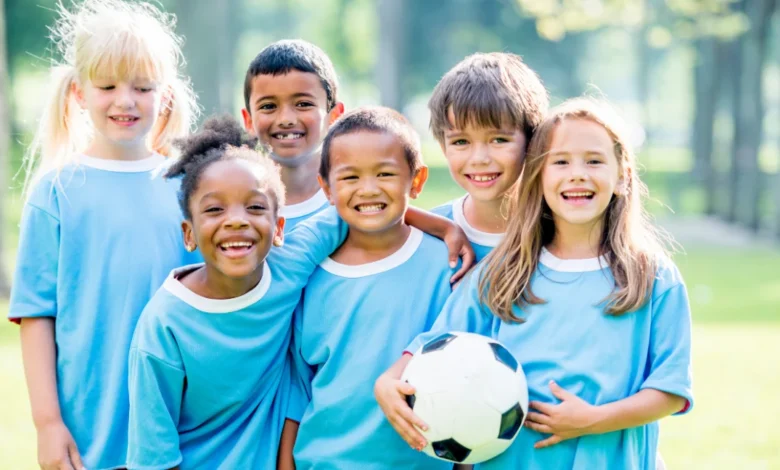
Youth sports have long served as a cornerstone of community development, instilling discipline, teamwork, and physical fitness in millions of children worldwide. However, the modern landscape of youth athletics is increasingly complicated by the intense emotional and financial investments of parents. Between registration fees, equipment costs, and countless hours spent chauffeuring children to early-morning practices and weekend tournaments, parents are profoundly invested in their children’s athletic journeys. This high level of investment frequently manifests as intense sideline behavior, raising critical questions about the psychological boundaries of youth sports parenting and the role of adults in fostering healthy competitive environments.
The Phenomenon of Sideline Coaching and Its Origins
The phenomenon commonly known as "coaching from the sidelines" has become a pervasive issue across soccer fields, baseball diamonds, and basketball courts. Historically, youth sports were characterized by neighborhood pick-up games and minimal adult intervention, allowing children to navigate the rules, conflicts, and outcomes independently. Over the past few decades, however, the professionalization of youth sports—fueled by the promise of collegiate athletic scholarships and elite club circuits—has shifted the cultural paradigm.
Sociological studies on youth athletics indicate that parental over-involvement typically stems from projection and altruistic intentions. Parents naturally want their children to succeed, avoid pain, and be rewarded for their hard work. Yet, when this desire morphs into constant vocal instructions, public critiques of referees, and contradictions of authorized coaching staff, it creates a toxic environment. According to child psychologists, children subjected to intense sideline pressure often experience heightened anxiety, diminished intrinsic motivation, and, ultimately, burnout, leading them to abandon sports altogether by early adolescence.
Establishing Healthy Foundations: Sportsmanship at Home
Addressing the issue of over-competition requires foundational shifts that begin long before a child steps onto a formal playing field. Family game nights offer an early, low-stakes arena for children to learn the nuances of winning, losing, and emotional regulation. When families engage in board games, card games, or cooperative activities, children experience the disappointment of defeat in a controlled environment.
Experts in child development emphasize that parents play a critical role during these domestic activities by modeling emotional resilience. If a parent reacts to a loss with anger, frustration, or melodramatic outbursts, children internalize those behaviors as acceptable responses to failure. Conversely, maintaining a lighthearted, process-oriented attitude teaches children that failure is not a reflection of their self-worth, but rather a natural component of learning and skill acquisition. Selecting games that balance luck and skill, or incorporating cooperative play where family members work together against the game itself, helps level the playing field for younger participants and minimizes the anxiety associated with zero-sum outcomes.

Managing Expectations in Competitive Youth Athletics
A primary catalyst for disruptive sideline behavior is the presence of unrealistic expectations. Parents frequently project long-term athletic ambitions onto children who are simply exploring their options. For instance, an eight-year-old entering his first season of organized baseball may experience a string of strikeouts and team losses. While parental instincts often drive adults to intervene—such as volunteering as assistant coaches or seeking specialized private training to force a winning season—this hyper-focus on outcomes can alienate the child.
Data from youth sports advocacy groups consistently show that the number one reason children quit sports is that "it’s no fun anymore." When the metric of success is reduced to the scoreboard, the developmental milestones of the sport are overshadowed. Analysts suggest shifting the evaluative framework from macro-results (wins and losses) to micro-efforts (hustle, sportsmanship, and technical improvement). By celebrating a well-executed swing, a determined chase for a fly ball, or attentive listening during a timeout, parents reinforce a growth mindset. True athletic resilience is forged through adversity; thus, embracing losses as learning opportunities is essential for long-term development.
Modeling Respect for Officials, Coaches, and Peers
The behavior of adult spectators directly influences the psychological safety of youth sports environments. In most community leagues, coaches and referees are volunteers who dedicate their personal time to facilitate games. Despite this, they frequently become targets of verbal abuse stemming from disputed calls or tactical disagreements.
Psychologists note that children act as social mirrors, closely observing and replicating adult authority figures. When a parent launches into a tirade against an official or belittles an opposing player, they validate aggressive confrontation as a legitimate problem-solving strategy. Professional sports figures, such as famously volatile tennis players of the past, often normalize these outbursts in popular media, but youth sports demand a different standard.
Organizations governing youth athletics increasingly emphasize codes of conduct for spectators. If parents harbor legitimate concerns regarding a coach’s methodology or player safety, established protocols dictate that grievances should be addressed privately outside of game hours. Scheduled one-on-one meetings yield far more productive outcomes than emotional outbursts shouted across a crowded field. Furthermore, when parents inevitably lose their cool, the act of issuing a sincere, accountable apology to their children and the affected parties serves as a powerful lesson in emotional maturity and accountability.
Addressing Disruptive Spectators and Community Dynamics

The ripple effects of an overbearing parent extend beyond their own family, often disrupting the entire team culture. While individuals cannot control the behavior of opposing parents or visiting spectators, proactive strategies can mitigate tension. Engaging overly vocal parents in neutral, positive conversations about their shared appreciation for the sport can frequently de-escalate aggressive tendencies.
When sideline behavior crosses the line into harassment or verbal abuse, direct public confrontation often exacerbates the situation. In such instances, league administrators, head coaches, or referees should be notified to handle the disruption through formal channels. Maintaining an even temperament and modeling exemplary sportsmanship sets a stabilizing standard that can gradually influence the broader sideline culture.
Evaluating Persistence Versus Attrition: When to Let Kids Quit
A frequent dilemma faced by parents involves children who demand to quit a sport shortly after registering. The financial and emotional investment made by the family often creates friction when a child attempts to withdraw after a single difficult practice.
Youth development specialists advocate for a balanced approach to perseverance. If a child wishes to quit purely out of momentary frustration, teaching them to push through discomfort builds essential resilience and honors their commitment to teammates. However, if the environment proves psychologically or physically harmful, or if the child’s sustained apathy indicates a fundamental mismatch with the sport, forcing continuation can be counterproductive. Parents are encouraged to consult with coaches to evaluate whether finishing out a season is beneficial or if transitioning to a different activity is the healthier path forward.
Broader Implications for Youth Development
Ultimately, the goal of youth sports extends far beyond the development of elite athletic talent. Participation in structured physical activity teaches cooperation, emotional regulation, conflict resolution, and perseverance—traits that translate directly into academic, professional, and personal spheres later in life.
By keeping sideline coaching in check, maintaining realistic expectations, and modeling profound respect for all participants, parents help preserve the intrinsic joy of play. When children feel supported rather than pressured, they are empowered to develop not only as athletes, but as resilient, well-rounded individuals capable of navigating life’s inevitable victories and defeats with grace.
Related posts: