Navigating the Back-to-School Season: A Comprehensive Weekly Family Meal Plan and Nutritional Strategy for Busy Households


The transition from the relaxed routines of summer to the structured, fast-paced rhythm of the academic year presents a significant logistical challenge for modern households, particularly when it comes to meal preparation. As millions of families settle into the swing of the back-to-school season, the demand for efficient, nutritious, and appealing meal options reaches its annual peak. Nutritional experts and family lifestyle planners continually emphasize that establishing a predictable weekly meal schedule not only reduces daily decision fatigue but also plays a critical role in ensuring children receive adequate nutrition to support cognitive development and sustained energy throughout the school day. This comprehensive overview examines a strategic, week-long culinary blueprint designed to balance dietary variety, time efficiency, and family-friendly appeal, offering a detailed breakdown of breakfasts, midday lunches, portable snacks, and dynamic dinners tailored for the autumn transition.
The Strategic Importance of Structured Meal Planning

In contemporary domestic management, the convergence of professional obligations and children’s academic schedules has elevated meal planning from a routine household chore to a vital health strategy. According to recent studies in nutritional epidemiology, children who consume regular, home-prepared meals exhibit better overall dietary quality, higher intake of essential micronutrients, and a lower prevalence of childhood obesity. Furthermore, structured meal planning serves as a financial deterrent against impulsive fast-food purchases and minimizes household food waste—an increasingly pressing economic and environmental concern.
However, the primary hurdle for most parents lies in execution: finding recipes that satisfy discerning young palates while meeting high nutritional standards within a limited timeframe. The featured weekly menu addresses this dichotomy by integrating make-ahead components, utilizing modern kitchen appliances like air fryers for rapid cooking, and incorporating hidden vegetables into familiar, comforting dishes.
Morning Fuel: Energizing Breakfasts and Weekend Brunches

Mornings during the academic term are notoriously compressed, requiring breakfast solutions that are either entirely portable or capable of being prepared in under ten minutes. Nutritionists consistently advocate for breakfast options that combine complex carbohydrates, healthy fats, and high-quality proteins to stabilize blood glucose levels and enhance classroom focus.
For the morning commute or rapid consumption before the school bell rings, the weekly menu relies heavily on nutrient-dense smoothies. The rotation features the Chocolate Peanut Butter Smoothie, which pairs plant-based proteins with potassium-rich bananas; the Vanilla Avocado Greens Smoothie, designed to seamlessly incorporate micronutrient-dense leafy greens without altering the familiar vanilla flavor profile; the Tropical Lassi, offering probiotics and bright fruit flavors; and the Mango Spiced Smoothie, which introduces anti-inflammatory spices like ginger and turmeric.
Conversely, the weekend schedule affords families the luxury of a slower culinary pace. For weekend brunch, the menu shifts toward traditional European-style Crepes. While often perceived as an indulgent weekend treat, crepes can be customized with fresh fruits, lean proteins, or light spreads, serving as an interactive culinary activity that encourages family engagement in the kitchen.

Midday Sustenance: Creative School Lunches and Bento-Style Options
Packing a school lunch that a child will actually consume—rather than discard in the cafeteria waste bin—remains a perennial challenge for parents. Dietitians specializing in pediatric nutrition suggest that visual appeal and textural variety are the primary drivers of children’s food acceptance.
The midday meal schedule for the week incorporates innovative formats designed to make eating fun without sacrificing nutritional integrity. The Turkey Club Lettuce Wraps offer a low-carbohydrate, protein-heavy alternative to traditional heavy bread sandwiches, utilizing crisp butter lettuce leaves as a natural vessel. For younger children or those who prefer tactile dining experiences, the Vegetarian Sandwich on a Stick transforms standard deli ingredients and cheeses into colorful, bite-sized skewered components.
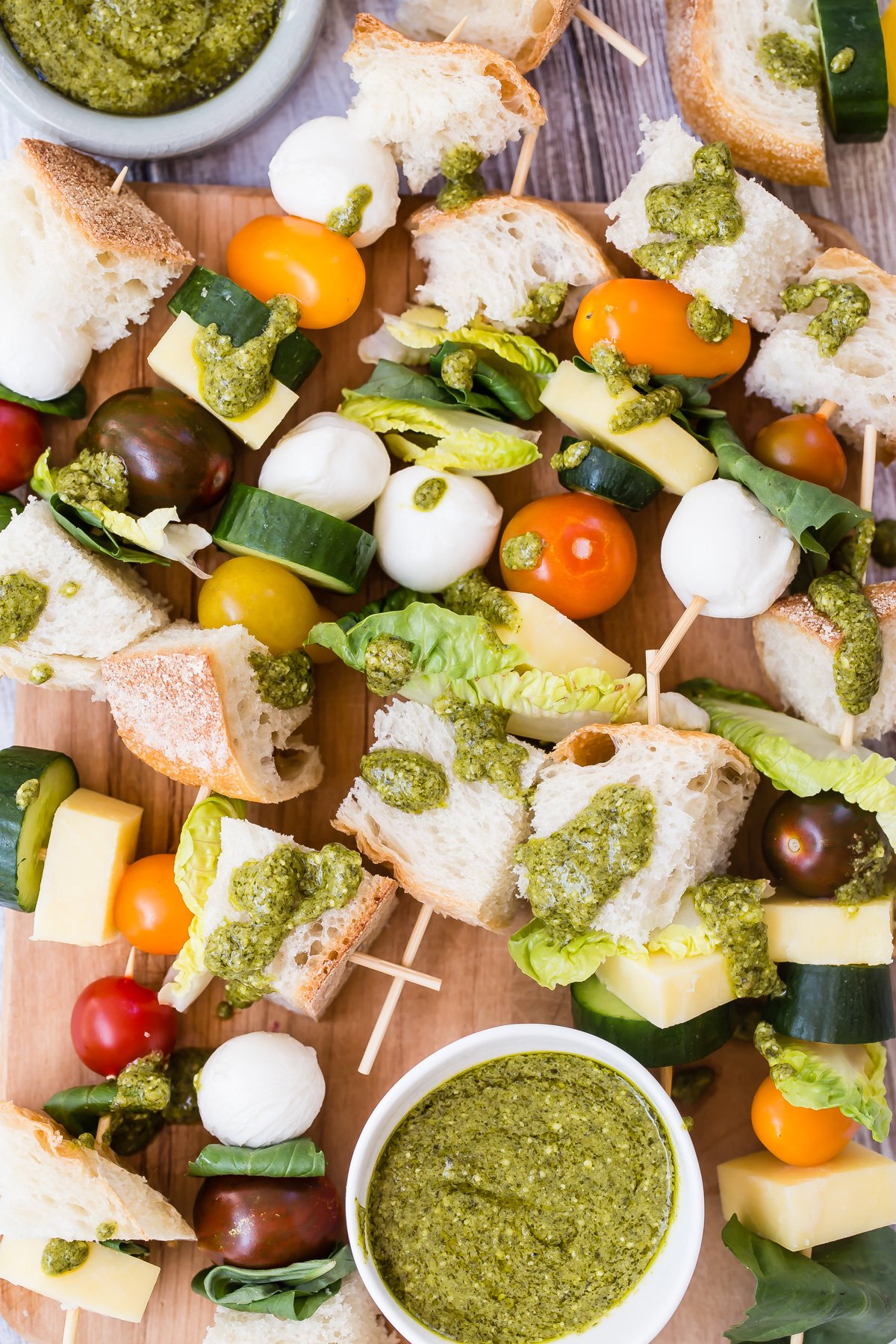
Additional lunch options include classic, comforting Egg Salad, which delivers high biological value protein and essential B-vitamins, and Spaghetti and Meatball Muffins. This latter innovation repurposes traditional Italian comfort food into individual, portable portions baked in muffin tins, ensuring easy containment and portion control for school lunchboxes.
After-School and Portable Snacks
The physiological gap between a school lunch and the evening meal often leads to post-school lethargy and irritability, commonly referred to among parents as the "witching hour." Providing a structured, nutrient-dense after-school snack is essential for bridging this gap and maintaining metabolic stability.

This week’s snack roster prioritizes whole foods with creative presentations. Apple Donuts—created by slicing apples horizontally and coring them to resemble doughnut rings before topping them with nut butter and granola—offer a fiber-rich alternative to processed baked goods. For chocolate cravings, Chocolate Oat Muffins provide sustained energy through whole grains. On the savory side, Hummus Pinwheels utilize rolled tortillas to deliver plant-based protein and healthy fats, while Air Fryer Crispy Chickpeas offer a crunchy, protein-packed substitute for commercially produced potato chips, leveraging the rapid convection technology of air fryers to achieve optimal texture with minimal oil.
Dynamic Dinners: A Seven-Day Culinary Journey
The evening meal serves as the cornerstone of family reconnection during the busy school year. The featured seven-day dinner schedule is carefully curated to balance animal and plant-based proteins, incorporate diverse global flavor profiles, and utilize efficient cooking methods.
Sunday Supper: Lemon Herb Chicken and Lemon Spaghetti
Kicking off the week, Sunday dinner features a classic Lemon Herb Chicken served atop a bed of Lemon Spaghetti with Toasted Walnuts. This pairing provides lean poultry protein alongside heart-healthy monounsaturated fats from walnuts and bright, citrus-infused carbohydrates. A side of Air Fryer Veggies ensures an effortless intake of fiber and fat-soluble vitamins.
Meatless Monday: Shiitake Veggie Stir-Fry and Sweet Gingery Tofu
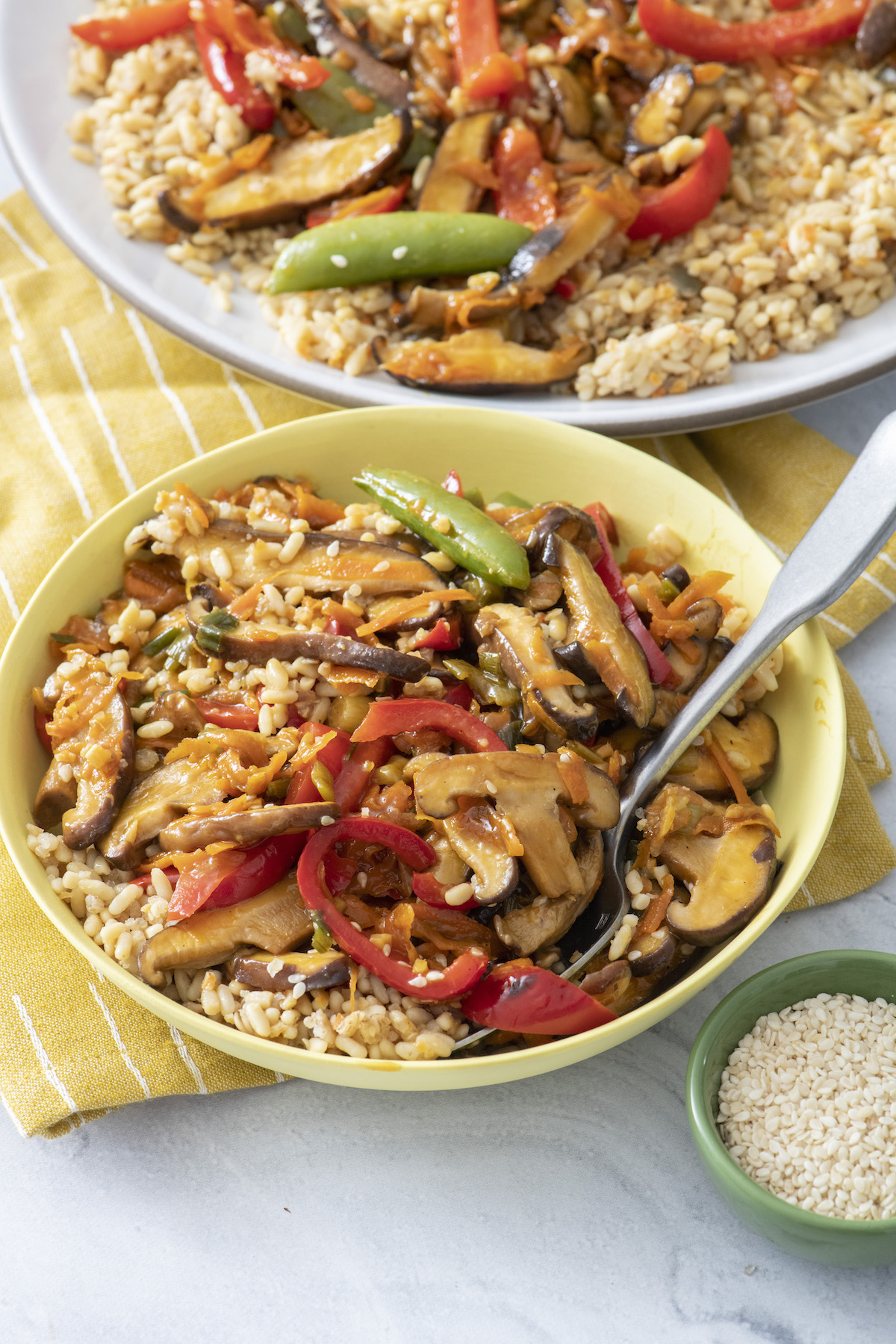
Aligning with the global "Meatless Monday" movement—which aims to reduce environmental footprints and promote cardiovascular health—Monday’s menu features a Shiitake Veggie Stir-Fry complemented by Sweet Gingery Tofu. Shiitake mushrooms are recognized in nutritional science for their immune-boosting polysaccharides, while tofu provides a complete plant-based protein source.
Tuesday: Crispy Fish Fingers, Air Fryer Okra, and Smashed Potatoes
Recognizing the nutritional mandate to incorporate omega-3 fatty acids for cognitive development, Tuesday’s dinner highlights Crispy Fish Fingers. Eschewing the heavily processed, deep-fried versions found in the frozen aisle, homemade or quality-sourced fish fingers are paired with innovative sides: Air Fryer Okra, which retains its crisp texture without the sliminess often associated with boiling, and Crispy Smashed Potatoes.

Wednesday: Sweet Potato Black Bean Enchiladas
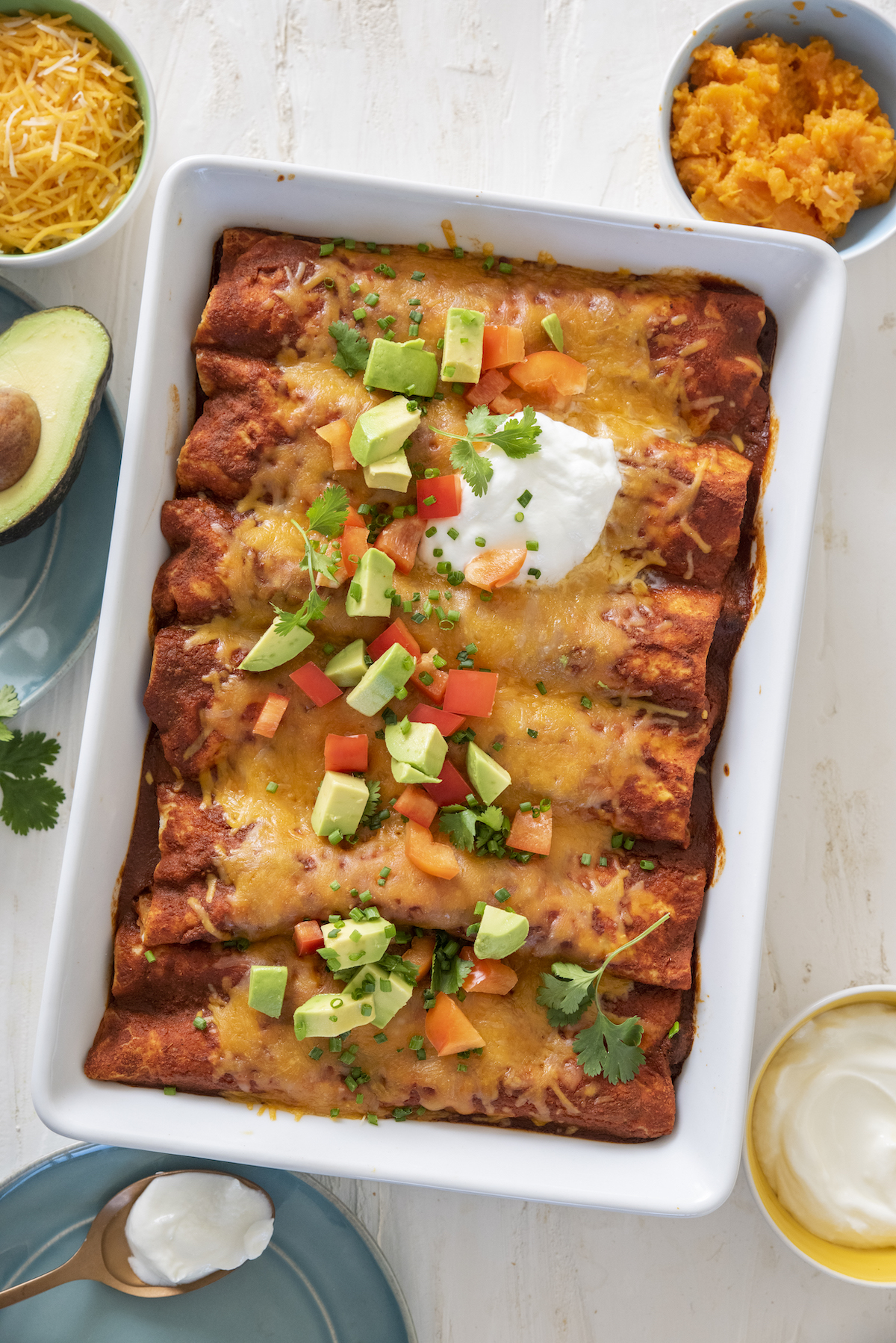
Mid-week comfort arrives in the form of Sweet Potato Black Bean Enchiladas. This dish capitalizes on the nutritional synergy of sweet potatoes (rich in beta-carotene) and black beans (high in soluble fiber and plant protein), served alongside Spanish Rice and fresh, antioxidant-rich Guacamole.
Thursday: Salmon Burgers with Seasonal Greens
Continuing the emphasis on marine-derived omega-3 fatty acids, Thursday’s meal features Salmon Burgers accompanied by Sweet Potato Fries and a Sugar Snap Pea and Asparagus Saute. This combination delivers high levels of vitamins A, C, and K, supporting immune function during the vulnerable back-to-school transition period.
Friday: Sheet Pan Pizza and Chocolate Chip Cookie Cake
Acknowledging the psychological need for culinary relief at the conclusion of the academic week, Friday night embraces the tradition of "Pizza Friday." The featured Sheet Pan Pizza utilizes a No-Yeast Crust recipe, significantly reducing preparation and proofing time for time-pressed parents. To mark the arrival of the weekend, the meal concludes with a decadent Chocolate Chip Cookie Cake.
Saturday: Community Support and Culinary Respite
To alleviate domestic labor fatigue at the end of the week, Saturday evening is intentionally designated for ordering in from a local restaurant. Culinary experts and family psychologists frequently endorse this practice, noting that supporting local small businesses not only provides necessary respite for domestic cooks but also strengthens community economic resilience.
Broader Implications and Nutritional Outlook
Implementing a structured meal plan during the back-to-school season yields profound implications for long-term family health habits. Public health advocates note that children who actively participate in selecting and preparing meals develop higher culinary literacy, which translates into healthier autonomous dietary choices in adulthood. Furthermore, systematic meal planning serves as a powerful psychological anchor, helping children transition from the unstructured environment of summer vacation to the rigorous cognitive demands of the school year.

As families continue to navigate the complexities of modern scheduling, the integration of quick-cooking technologies, nutrient-dense whole foods, and planned culinary flexibility remains the most effective strategy for achieving domestic harmony and optimal nutritional health.