Cross-Country Cyclist Pat McAleer Completes Epic 5,000-Mile Journey to Virginia Beach, Raising Over $250,000 for Type 1 Diabetes Cures

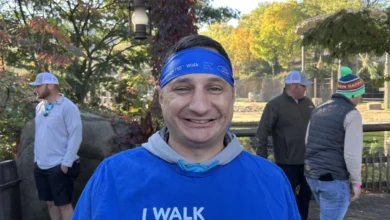
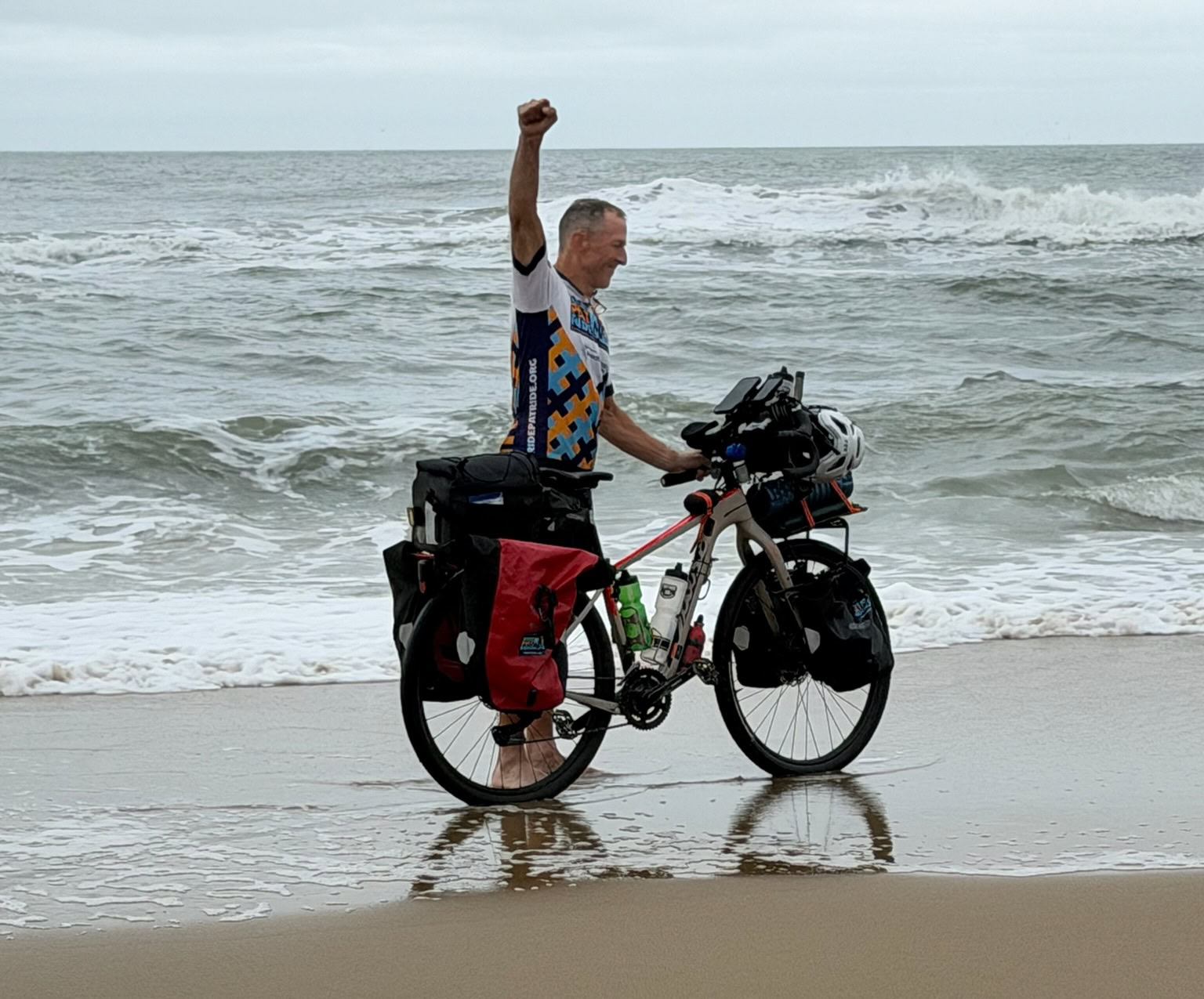
The journey began with the simple, symbolic act of dipping a bicycle tire into the chilly waters of the Pacific Ocean at La Push, Washington. For Pat McAleer, a dedicated advocate and cyclist from Richmond, Virginia, this July 15 departure marked the official kickoff of "Ride Pat Ride," an ambitious, grueling, solo cross-country expedition spanning more than 5,000 miles and three demanding months. McAleer’s ultimate objective was clear from the outset: to reach the Atlantic Ocean at Virginia Beach, Virginia, while raising vital awareness and critical funds for type 1 diabetes (T1D) research and cures through Breakthrough T1D.
Following a grueling three-month trek that tested his physical endurance, mental fortitude, and adaptability, McAleer successfully crossed his ultimate finish line at the historic Cavalier Hotel in Virginia Beach on Sunday, October 11. Not only did he complete the transcontinental itinerary without major physical setbacks, but he also surpassed his fundraising goals, crossing the $250,000 threshold just 24 hours before completing his final miles. This remarkable achievement underscores the growing momentum behind grassroots philanthropic campaigns and highlights the vital role that individual endurance initiatives play in funding complex medical research.
The Genesis and Background of the Ride
Type 1 diabetes is a chronic, autoimmune condition characterized by the body’s failure to produce insulin, a hormone essential for converting food into energy. Affecting millions of individuals globally, T1D requires meticulous, round-the-clock management of blood glucose levels through multiple daily insulin injections or an automated insulin delivery system. Despite advancements in medical technology, a cure remains elusive, making continuous philanthropic support essential for organizations like Breakthrough T1D (formerly JDRF) to fund groundbreaking research initiatives, artificial pancreas technologies, and biological cure pathways.
McAleer’s personal and professional dedication to this cause provided the driving force behind his grueling three-month itinerary. Rather than opting for a standardized fundraising gala or a localized athletic event, he chose a transcontinental cycling route designed to traverse the diverse geographic and cultural landscapes of the United States. By taking his message directly to communities nationwide, McAleer sought to engage the public face-to-face, illustrating the relentless daily endurance required of individuals living with T1D by mirroring that perseverance through his own physical challenges on the road.
A Chronological Overview of the Expedition
The trajectory of Ride Pat Ride was meticulously planned, yet inevitably shaped by the unpredictable elements of long-distance bicycle touring. Following his departure from Washington state on July 15, McAleer’s route carried him eastward through the expansive agricultural terrain and rolling hills of the Great Plains in North Dakota, testing his stamina against open winds and punishing summer heat.
As late summer transitioned into early autumn, McAleer’s route shifted toward the urban corridors of the Midwest and Northeast. By late September, he reached Buffalo, New York, where he transitioned onto the scenic and historic Empire State Trail. Rather than riding alone through this leg of the journey, McAleer was joined by a peloton of 19 dedicated supporters who rode alongside him all the way into New York City, demonstrating the growing community mobilization surrounding his campaign.
Arriving in New York City at the end of September, McAleer paused briefly to recalibrate. On Tuesday, September 29, accompanied by his wife, Molly, he made a high-profile morning television appearance on the Today show before heading to Lower Manhattan for a pivotal lunchtime strategy meeting with Dr. Aaron J. Kowalski, Chief Executive Officer of Breakthrough T1D.
"My conversation with Aaron just recharged my battery to finish the last two weeks of the trip strong—to stay focused and upbeat and, you know, forward moving on the fundraising," McAleer reflected after the meeting. "I didn’t know that’s what I was looking for, but that ended up being what I needed at the time."
Leaving Manhattan the following day via the Staten Island Ferry, McAleer navigated the dense traffic corridors of New Jersey, Pennsylvania, Maryland, and Washington, D.C. Just south of the nation’s capital, he paused in Fairfax, Virginia, for a scheduled two-day respite at his mother’s home, reconnecting with family and friends.
Continuing southward, McAleer pedaled through Fredericksburg, stopping at his alma mater, the University of Mary Washington, before returning briefly to his home base in Richmond for a final night of rest in his own bed. This strategic pause proved crucial, as meteorological forecasts indicated an approaching coastal hurricane. To mitigate safety risks associated with high winds and falling tree limbs, McAleer made the tactical decision to forego his camping gear for the final stretch, opting instead for secure hotel accommodations.
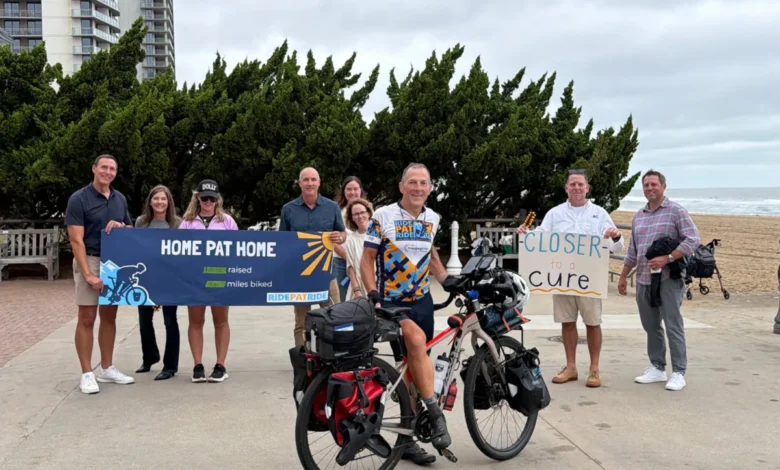
On Sunday, October 11, McAleer completed the final leg of his journey, arriving at Virginia Beach to a welcoming crowd of family, friends, and supporters holding banners bearing messages such as "Home Pat Home" and "Closer for a Cure." The physical toll of the journey was immediately apparent; following the finish line celebration, McAleer slept for 11 consecutive hours, followed by three distinct daytime naps—an unusual recovery pattern for the seasoned athlete.
Financial Milestones and Impact Metrics
The quantitative success of Ride Pat Ride matched its geographical scope. Financial contributions steadily accumulated as word of McAleer’s cross-country trek spread through traditional media, social channels, and the Breakthrough T1D network. On the Saturday preceding his finish—barely 24 hours before his arrival in Virginia Beach—the campaign officially surpassed the $250,000 fundraising mark.
This financial milestone represents a significant infusion of capital for Breakthrough T1D, directly supporting the organization’s mission to accelerate life-changing breakthroughs to cure, prevent, and treat T1D and its complications. Analysts note that grassroots campaigns of this scale do more than generate direct revenue; they serve as powerful public relations platforms that elevate rare or chronic health conditions into mainstream public discourse, driving sustained donor engagement and corporate matching programs.
Participant Perspectives and Official Responses
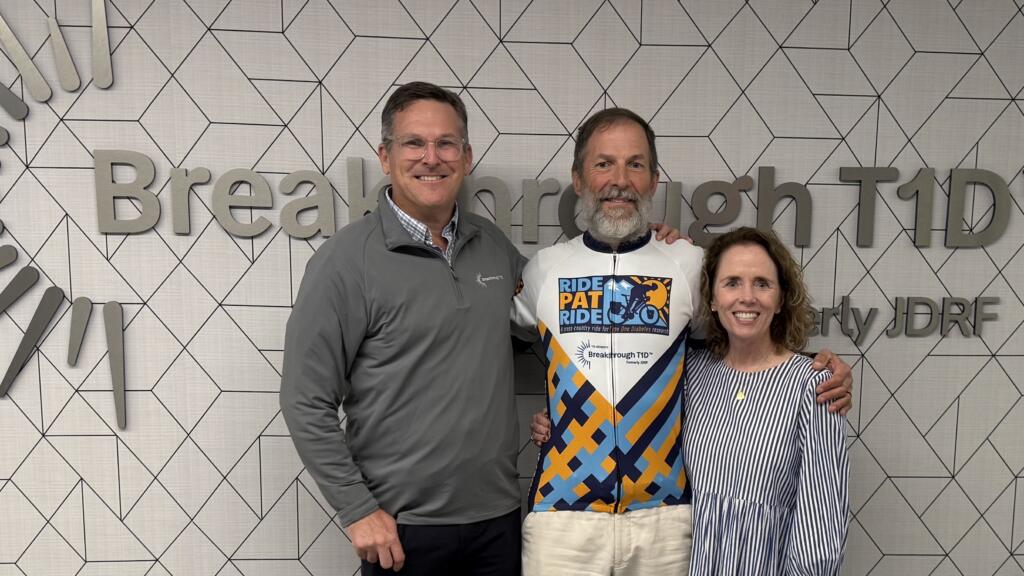
Throughout the journey, leadership at Breakthrough T1D closely monitored McAleer’s progress, recognizing the unique alignment between his athletic endeavor and the organization’s core ethos of perseverance. Dr. Aaron J. Kowalski praised McAleer’s unwavering dedication during their New York City meeting, noting that individual initiatives of this magnitude embody the grassroots strength required to combat systemic health challenges.
Reflecting upon the completion of his 5,000-mile odyssey, McAleer highlighted three primary takeaways that defined his transcontinental experience. First, he emphasized the boundless potential of human determination. "You can really accomplish just about anything you set your mind to," McAleer observed, noting that surpassing the $250,000 target retroactively prompted questions regarding what might have been achieved with an even more ambitious initial goal.
Second, McAleer expressed profound gratitude for the unexpected kindness of strangers encountered along remote highways in Montana, bustling urban streets, and suburban neighborhoods alike. Whether motorists stopping to offer roadside assistance or local residents inquiring about his mission, the widespread displays of empathy prompted a personal introspection regarding community care. "The takeaway was, for me, kind of a self-assessment. Am I doing that enough for other people?" he remarked.
Finally, McAleer underscored the reality that rigid adherence to initial plans rarely captures the true essence of such an undertaking. Pointing to an incident six miles into the trip where a stray stick tore the derailleur off his bicycle, he noted that navigating unexpected disruptions builds the resilience necessary to overcome larger obstacles.
Broader Implications for DIY Philanthropy
Ride Pat Ride was facilitated through "Breakthrough T1D Your Way," a specialized do-it-yourself (DIY) fundraising platform designed to empower individuals to design customized community campaigns while receiving administrative and logistical backing from the parent organization. This model reflects a broader paradigm shift in the non-profit sector, wherein organizations increasingly decentralize fundraising efforts, allowing passionate advocates to leverage their personal hobbies—whether cycling, marathon running, or artistic exhibitions—into structured philanthropic enterprises.
For individuals inspired by McAleer’s journey but unable to commit to a three-month transcontinental expedition, alternative engagement avenues remain available. Breakthrough T1D continues to host organized cycling events across multiple domestic destinations annually, alongside virtual participation options via its "My Ride" program. These structured events ensure that the momentum generated by extraordinary individual efforts like McAleer’s translates into sustained, long-term support for medical research initiatives aimed at eradicating type 1 diabetes entirely.
Related posts: