Navigating Your Child’s Transition to a Meatless Diet: Essential Nutritional Guidelines for Parents

The scenario is a familiar one in households across the country: a family sits down to a traditional dinner, only for a child to pause mid-bite, look up from their plate, and ask where their food actually comes from. For many children, connecting a piece of meat to a living animal prompts an immediate and emotional reaction. Whether this realization results in tears, ethical awakening, or simply a sudden aversion to the taste and texture of poultry, beef, and pork, parents often find themselves scrambling to respond.
When a child abruptly announces they want to stop eating meat, it frequently catches meat-eating parents off guard. Questions immediately arise about whether a growing child can truly thrive without animal protein, how to manage family meals, and where to begin ensuring proper nutrition. According to pediatric dietitians and nutritional researchers, the short answer is yes: children of all ages can grow, develop, and thrive on well-planned vegetarian and vegan diets. However, transitioning a child away from meat requires intention, organization, and a solid understanding of how to replace key nutrients traditionally supplied by animal products.
The Rising Trend of Plant-Based Eating Among Youth
Over the past decade, demographic shifts and heightened public discourse regarding environmental sustainability, animal welfare, and personal health have influenced younger generations significantly. Data from various public health and consumer research organizations indicate a steady rise in adolescents and children adopting vegetarian, vegan, or flexitarian eating patterns.
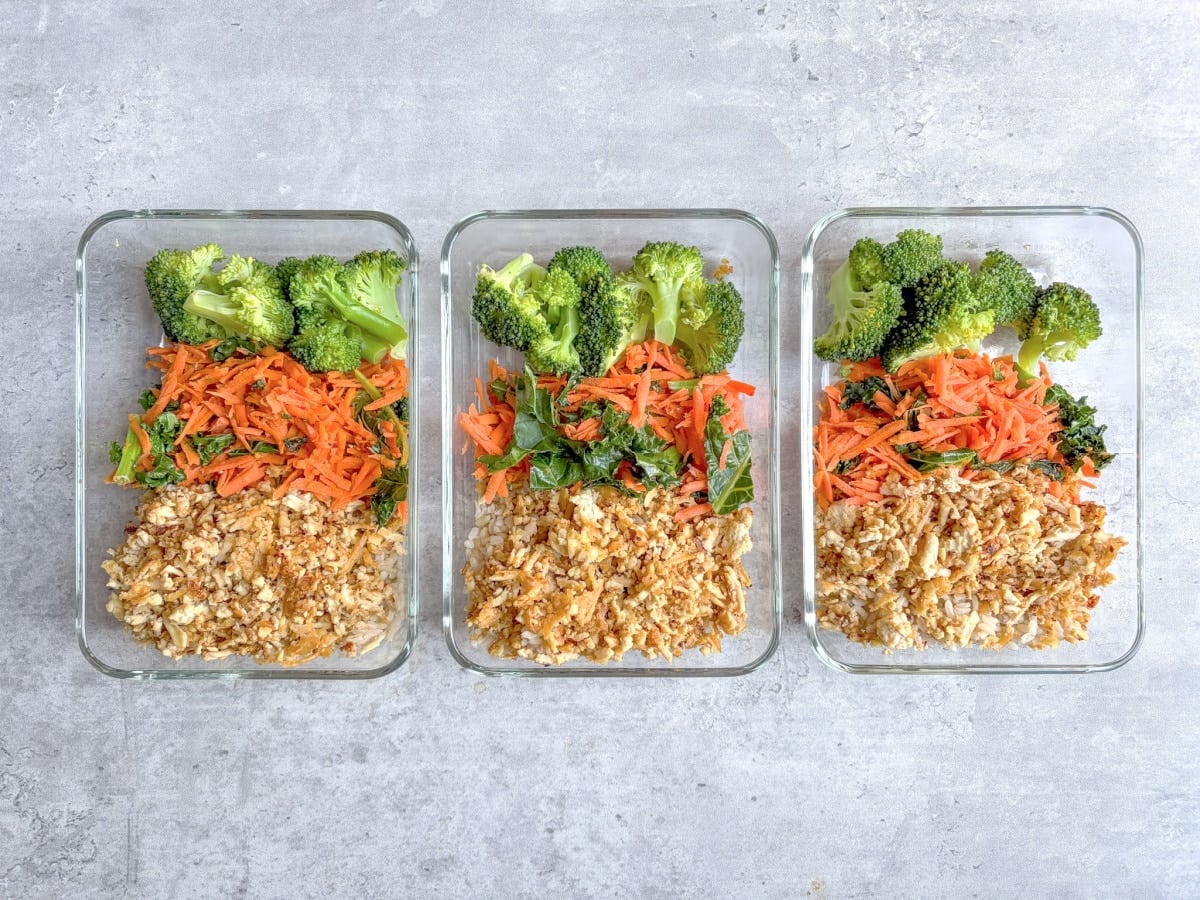
Historically, vegetarianism was often adopted later in life, but modern children are encountering discussions about climate change, industrial farming, and ethics much earlier through school programs, documentaries, and social media. When a child decides to reject meat, pediatricians emphasize that parents should first determine the underlying motivation. Some children are driven by ethical convictions and empathy for animals, while others simply dislike the sensory experience of chewing meat. Differentiating between a deep-seated ethical choice and a passing phase helps parents determine the best approach for support.
For families accustomed to preparing meat-centric meals, accommodating a newly vegetarian child can feel daunting. Yet, rather than viewing this dietary shift as a logistical burden, many nutrition experts recommend treating it as an opportunity to introduce the entire household to a wider variety of nutrient-dense plant foods, whole grains, and diverse flavor profiles.
Core Nutritional Pillars for Meatless Children
When animal products are removed or significantly reduced in a child’s diet, parents must pay careful attention to specific vitamins and minerals that support rapid growth, cognitive development, and immune function. Registered dietitians highlight five primary nutrients that require active management in a vegetarian or vegan diet:
1. Vitamin B-12 and the B-Complex Family
Vitamin B-12 is crucial for neurological function, red blood cell formation, and DNA synthesis. Because B-12 is naturally found almost exclusively in animal-derived foods such as meat, poultry, fish, eggs, and dairy, meat-free children face a higher risk of deficiency if their diets are not properly supplemented or fortified.

To prevent deficiencies, parents should incorporate fortified breakfast cereals, nutritional yeast, and enriched grains like pasta, rice, and flour into daily meals. Natural sources of broader B-complex vitamins include lentils, black beans, spinach, broccoli, sunflower seeds, peas, and fresh orange juice. In cases where a child follows a strict vegan diet, pediatricians frequently recommend a reliable B-12 supplement to ensure adequate intake.
2. Iron and the Role of Enhancers
Iron is essential for transporting oxygen throughout the body via hemoglobin. Plant-based iron, known as non-heme iron, is not absorbed by the human body as efficiently as the heme iron found in meat. Consequently, vegetarian children require a higher overall intake of iron-rich plant foods to meet their physiological demands.
Primary plant-based sources of iron include pumpkin seeds, quinoa, lentils, chickpeas, beans, dried apricots, and dark leafy greens like spinach. An important nutritional strategy for maximizing iron absorption is pairing these foods with vitamin C. Vitamin C chemically alters non-heme iron into a form that the digestive tract can absorb much more easily. Incorporating ingredients like bell peppers, citrus fruits, tomatoes, or strawberries into iron-rich meals—such as adding tomatoes to bean chili or strawberries to a spinach salad—significantly boosts nutrient uptake. Conversely, parents should avoid serving calcium-rich foods like milk simultaneously with iron-heavy meals, as calcium can inhibit iron absorption.
3. Zinc for Immunity and Growth
Zinc plays a critical role in cellular metabolism, immune response, and physical growth during childhood and adolescence. While red meat and poultry are traditionally the highest dietary sources of zinc, plant-based alternatives can adequately fulfill these requirements when consumed consistently. Excellent sources of zinc include chickpeas, lentils, and various soy products such as edamame, tofu, and soy milk, alongside whole grains and nuts.

4. Protein: Separating Fact from Fiction
Paradoxically, while protein is the nutrient parents worry about most when their child drops meat, it is frequently the easiest to manage. Protein is abundant across a vast array of plant foods, ranging from legumes and nuts to grains and vegetables.
Furthermore, certain plant foods are classified as "complete proteins," meaning they contain all nine essential amino acids that the human body cannot synthesize on its own. Quinoa and soy are prime examples of complete plant-based proteins, matching the amino acid profile of animal meat. Other rich sources include peanut butter, beans, lentils, seeds, cheese, yogurt, and eggs. Providing a varied diet ensures that a child naturally accumulates a complete amino acid profile throughout the day.
Staple Foods for the Meatless Kitchen
Stocking the pantry and refrigerator with versatile, nutrient-dense ingredients simplifies the process of cooking for a vegetarian child while keeping meals appealing to the entire family. Dietitians recommend focusing on five foundational food groups:
- Beans and Lentils: These powerhouses provide an exceptional combination of plant-based protein, dietary fiber, and iron. They integrate seamlessly into tacos, soups, pasta dishes, and grain bowls. For reluctant eaters, lentils can even be incorporated into creative recipes such as red lentil soups or chocolate chip cookies as a gentle introduction.
- Quinoa: Serving as a versatile grain substitute that doubles as a complete protein, quinoa can replace white rice in stir-fries and bowls or serve as the base for homemade snack bars.
- Strawberries and Citrus: Serving as rich reservoirs of vitamin C, these fruits enhance the body’s ability to absorb iron when paired strategically with plant-based meals.
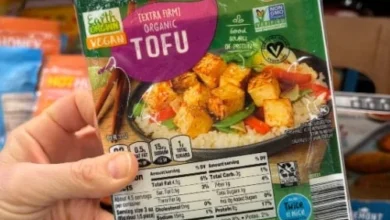
- Soy Foods: Tofu, tempeh, edamame, and fortified soy milk offer high concentrations of protein, iron, and zinc. Edamame offers an interactive, appealing snack for younger children, while pressed tofu can be baked or pan-fried into crispy cubes.
- Fortified Cereals: Checking nutrition labels for added vitamins and minerals allows parents to easily incorporate essential nutrients like iron and B-12 into breakfast routines.
Addressing Pediatric and Adolescent Demographics
Nutritional requirements shift significantly depending on a child’s developmental stage. Managing a vegetarian diet varies widely when comparing toddlers, pre-teens, and teenagers:

Picky Eaters and Restricted Diets
When a child who already exhibits selective eating habits or sensory food aversions suddenly decides to eliminate meat, the risk of nutritional gaps increases. If a child refuses common plant-based proteins like beans, lentils, and tofu, and their overall dietary variety contracts rather than expands, parents are strongly advised to consult a pediatrician or a registered pediatric dietitian to design a safe, customized eating plan.
The Role of Dietary Supplements
Children who consume dairy products and eggs alongside plant foods generally find it easier to meet their nutritional requirements. However, strict vegan diets or highly restrictive vegetarian routines may necessitate targeted supplementation for nutrients such as iron, vitamin B-12, vitamin D, and calcium. Professional medical guidance ensures that supplements match the exact physiological needs of the child without risking toxicity or inadequate dosing.
Supporting Vegetarian Teenagers
Adolescence is a period of accelerated physical growth and hormonal change, making proper nutrition critical. Teenagers—particularly active teen athletes and adolescent girls—have elevated demands for protein and iron. Because teenagers often exercise greater autonomy over their food choices, parents and guardians can support them by collaborating on meal planning, stocking the kitchen with high-protein vegetarian snacks, and ensuring that caloric intake remains sufficient to sustain healthy development.
Family Integration and Broader Implications
Adopting a meatless lifestyle for one family member does not necessarily mean preparing two entirely separate menus every evening. Many meals can be easily adapted to accommodate both meat-eaters and vegetarians. For instance, grilling plant-based burger patties alongside beef patties, or preparing a vegetable stir-fry with a side of tofu and chicken, allows families to share a cohesive meal experience.

Public health analysts note that supporting a child’s transition to a vegetarian diet can foster important life skills, including nutritional literacy, empathy, and environmental consciousness. By framing the dietary change as a collaborative family venture focused on whole foods, parents can turn a potentially stressful kitchen transition into a positive educational milestone.
Ultimately, medical and nutritional consensus emphasizes that with thoughtful planning, education, and open communication, children can safely and successfully grow on a meatless diet. Parents seeking tailored guidance are encouraged to consult qualified pediatric dietitians to ensure all developmental milestones are fully supported.