New Guidance Strengthened to Highlight Risks of Drowsiness-Inducing Medications and Co-Sleeping


New guidance aimed at protecting infants has been significantly strengthened this week, with a particular focus on informing parents and carers about the heightened risks associated with co-sleeping when drowsiness-inducing medications are involved. Pharmacists are now being encouraged to actively discuss these dangers with individuals who may be caring for babies under 12 months old, marking a crucial step in promoting safer sleep practices and reducing the incidence of Sudden Infant Death Syndrome (SIDS).
Enhanced Pharmacist Counselling for Safer Sleep
The updated guidance, integrated into standard cautionary advice dispensed with medications, now explicitly advises patients who are parents or carers of infants under 12 months to be counselled on the risks of co-sleeping. This includes sleeping with a baby on a bed, sofa, or chair. Furthermore, these individuals will be directed to trusted sources for comprehensive safer sleep information. The Lullaby Trust, a leading UK charity dedicated to preventing infant deaths, is specifically signposted as a key resource for families seeking further guidance on safer sleep and the complexities of co-sleeping.
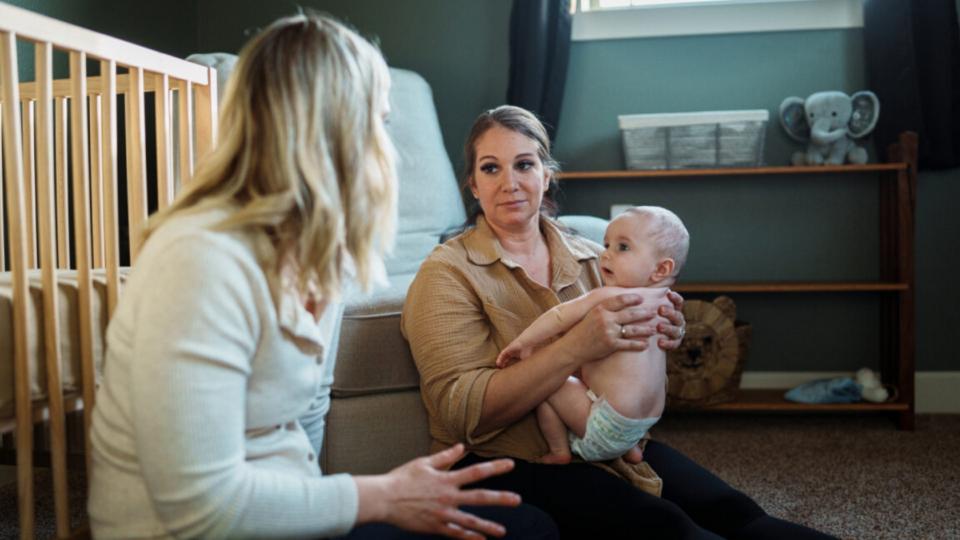
This proactive approach by pharmacists aims to equip parents with the knowledge to make informed decisions about where and how their baby sleeps, particularly when their awareness or responsiveness might be compromised by medication. The change represents a collaborative effort to embed crucial safety messaging at a point of frequent interaction between healthcare providers and the public.
The Growing Evidence Behind the Update
The impetus for strengthening this guidance stems from a growing body of evidence, notably highlighted by Child Death Overview Panels (CDOPs) across the country. These panels, which review infant deaths to identify trends and learning opportunities, have repeatedly identified instances where co-sleeping alongside drowsiness-inducing medication was a significant contributing risk factor. These medications can profoundly affect an adult’s awareness and responsiveness, tragically increasing the likelihood of accidental suffocation or other sleep-related infant deaths.
The British National Formulary (BNF) and the British National Formulary for Children (BNFC), authoritative resources for medicines information in the UK, have been instrumental in incorporating these updated warnings. Their inclusion ensures that the cautionary advice is disseminated through official channels, reaching healthcare professionals and subsequently, the public. The National Child Mortality Database (NCMD) has also played a vital role in collating and analysing data that underscores the importance of this updated guidance.

Why This Update is Critical for Infant Safety
Co-sleeping, while a practice some families choose, carries inherent risks that are amplified under specific circumstances. When an adult is under the influence of medications that induce drowsiness, their ability to remain vigilant and respond to their baby’s needs is significantly impaired. This can lead to accidental suffocation, overlaying, or entrapment, all of which are serious risks for infants.
Research consistently shows that the safest sleep environment for a baby is on their back, on a firm, flat surface, in their own clear cot or Moses basket, in the same room as an adult for at least the first six months of life. This updated guidance aims to reinforce these recommendations by providing a critical warning at a point where a potential risk factor – drowsiness from medication – is introduced.
The implications of this strengthened guidance are far-reaching. It fosters a more consistent and evidence-based approach to infant safety messaging across various healthcare touchpoints. By empowering pharmacists to have these crucial conversations, it creates more opportunities for families to receive vital information that could prevent tragic outcomes. The collaboration between The Lullaby Trust, the BNF, BNFC, NCMD, NHS England, and numerous CDOPs demonstrates a unified commitment to safeguarding infants.

The Lullaby Trust’s Position on Safer Sleep
The Lullaby Trust has long advocated for the safest sleep practices for babies. Their core advice remains:
- Always place your baby on their back to sleep. This is the single most effective action parents can take to reduce the risk of SIDS.
- Keep your baby’s sleep space clear. This means no pillows, duvets, blankets, cot bumpers, or soft toys in the cot.
- Sleep your baby in a cot or Moses basket. For at least the first six months, babies should sleep in the same room as an adult, on a firm, flat mattress.
- Avoid co-sleeping if you are a smoker, have been drinking alcohol, are excessively tired, or have taken medication that makes you drowsy. This new guidance directly supports and reinforces this crucial warning.
The Lullaby Trust provides a wealth of resources for parents, including detailed information on sleeping positions, the complexities of co-sleeping, and advice on choosing safe baby sleeping products. Their website offers comprehensive guides, leaflets, and a helpline for parents seeking support and information.
Broader Impact and Future Implications
This enhancement to medication guidance represents a significant public health intervention. By integrating infant safety advice into routine pharmaceutical care, it capitalizes on existing healthcare pathways to reach a broad audience of parents and carers. The increased awareness among pharmacists about the risks associated with drowsiness-inducing medications and co-sleeping can lead to more targeted and effective preventative advice.

The success of this initiative will be measured by a reduction in sleep-related infant deaths. Continued monitoring by bodies like the NCMD and ongoing collaboration between healthcare organisations will be essential to evaluate its impact and identify any further areas for improvement. This proactive approach, driven by evidence and a shared commitment to infant well-being, is a positive development in the ongoing effort to protect the most vulnerable members of society.
The involvement of key national organisations such as the British National Formulary, the British National Formulary for Children, the National Child Mortality Database, and NHS England, alongside the crucial grassroots work of Child Death Overview Panels, underscores the multi-faceted and collaborative nature of this important safety update. It serves as a testament to what can be achieved when different sectors of the health and social care system work in concert to address critical public health challenges. Families can be reassured that these updated guidelines are designed with their baby’s safety as the paramount concern, providing them with clearer information and more accessible support to navigate the crucial early months of parenthood.
Related posts: