Preschool Students and Educators Conclude Seasonal Apple Unit with Hands-On Homemade Applesauce Project

The intersection of early childhood education and culinary arts was on full display this week as a local preschool program wrapped up its comprehensive autumn-themed apple curriculum. Following the success of a previous baking project involving miniature apple pies, educators introduced a new collaborative cooking activity designed to teach students about food processing, sensory exploration, and nutrition. The final culinary undertaking of the unit centered on producing large batches of homemade applesauce entirely from scratch, utilizing simple kitchen appliances and active participation from the young students.
This hands-on cooking initiative served as the capstone project for a multi-week educational unit dedicated to apples. Throughout the program, instructors integrated agriculture, science, and mathematics into daily lessons by examining different apple varieties, studying the lifecycle of apple trees, and engaging in sorting and counting exercises. Food-based learning has become an increasingly popular pedagogical strategy in early childhood education, supported by child development experts who emphasize that preparing food in the classroom fosters fine and gross motor skill development, encourages healthy eating habits, and reinforces teamwork among students.
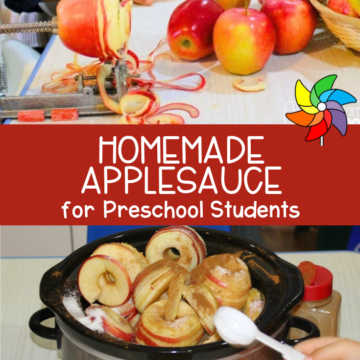
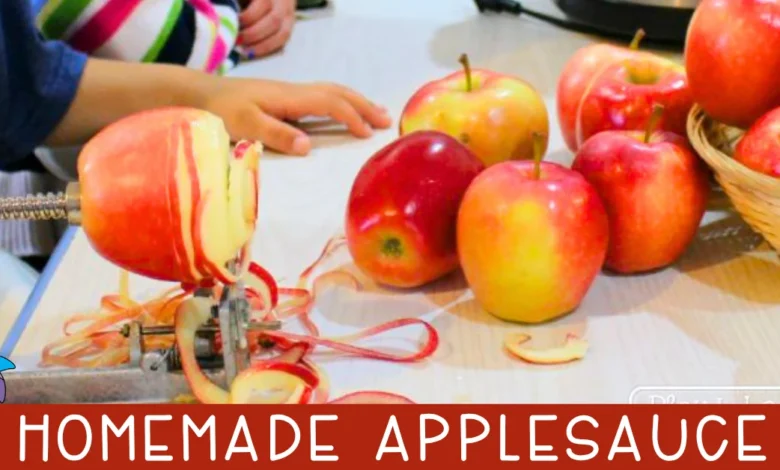
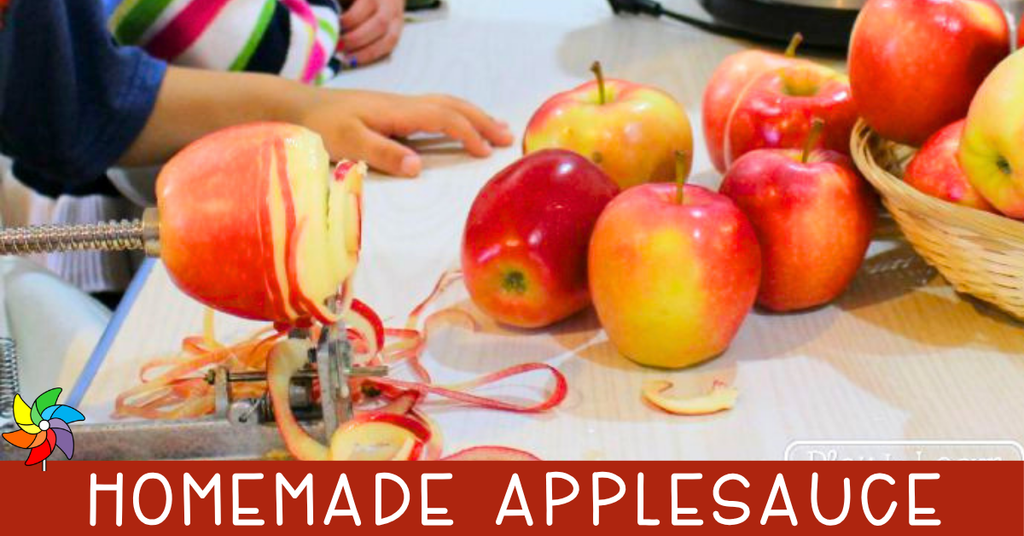
The project began with the arduous task of preparing the fruit, which quickly transformed into an impromptu gross motor skill exercise. Teachers had initially planned for each child to peel, core, and slice a single apple. However, the unexpected popularity of a hand-cranked apple peeling, coring, and slicing machine led to enthusiastic participation, resulting in a total yield of approximately twenty apples processed by the classroom.
Educators noted that the mechanics of the peeling apparatus required specific varieties of fruit to operate efficiently. Crisp, firm apples—specifically the Gala variety—proved optimal for the mechanical peeler, gliding smoothly through the blades without jamming or tearing. Conversely, softer heritage varieties, such as Red Delicious, were found to be unsuitable for the device due to their softer flesh, which often breaks apart under the pressure of industrial or mechanical peelers.
Following the preparation phase, the chronology of the cooking process shifted to the classroom’s slow cooker. The students actively contributed to the recipe by measuring and transferring the freshly sliced Gala apples into a crockpot, followed by precise additions of water, granulated sugar, and ground cinnamon.
The ingredients were left to simmer on a low heat setting for an extended duration of approximately eight hours. This slow-cooking method allowed the natural sugars within the fruit to caramelize and blend with the aromatic spices, filling the educational facility with autumnal scents. Once the cooking cycle concluded, instructors transferred the softened mixture to a countertop blender to achieve a smooth, uniform puree characteristic of traditional applesauce.
Despite the careful preparation, the classroom reception of the finished culinary product yielded mixed reactions among the young consumers. While a significant portion of the students eagerly tasted and consumed the warm applesauce, others expressed hesitation. Instructors observed that a few children were initially deterred by the natural brownish hue of the homemade creation, which lacked the bright white or artificially tinted appearance of commercially manufactured applesauce purchased in grocery stores.
This perceptual hurdle highlights a broader challenge in nutritional education: bridging the gap between whole-food preparation and the standardized, heavily processed foods to which many children are accustomed. Commercial applesauce producers frequently utilize chemical additives, ascorbic acid, or specific filtering techniques to preserve a light, uniform color, whereas oxidation naturally darkens home-cooked fruit purees when exposed to air during processing.

Despite minor student hesitations in the classroom, the surplus of applesauce found enthusiastic approval outside of school hours. Family members of the lead educators consumed the remaining portions at home, subsequently requesting that the recipe be repeated for future school and family events.
Nutritional specialists and educational analysts frequently point to activities like the preschool applesauce project as having positive long-term implications for child development. By demystifying the origin of everyday foods, children develop a foundational understanding of agricultural supply chains and home economics. When students observe raw produce transform into a cooked snack through their own physical labor, they are statistically more likely to sample new foods and develop an early appreciation for balanced nutrition.
As the autumn semester progresses, the success of the apple curriculum has prompted school administrators to consider expanding the hands-on culinary program for future seasonal units. Educational researchers suggest that incorporating sensory-rich cooking projects into standard curricula reinforces cognitive concepts through tactile engagement, leaving a lasting impression on developing minds long after the final snack has been served.