Creamy Chicken and Cashew Curry: A Versatile One-Pan Weeknight Solution for Modern Family Nutrition

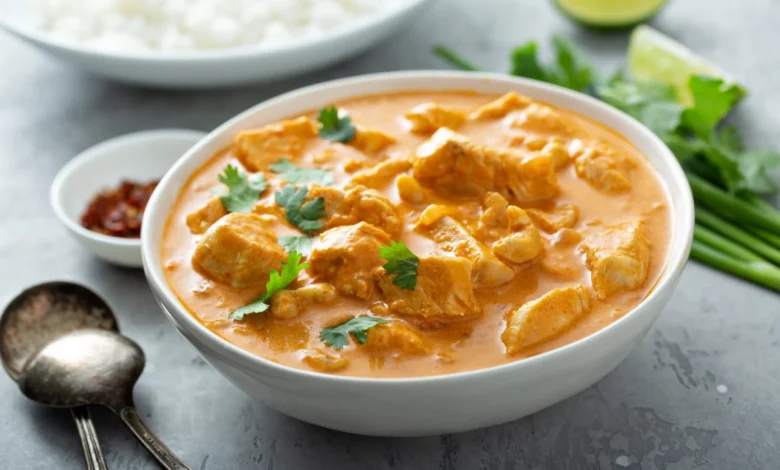
The contemporary culinary landscape for households across North America has increasingly prioritized meals that successfully bridge the gap between nutritional efficiency and global flavor profiles. Amid a growing consumer demand for approachable international cuisine, a distinct culinary trend has emerged focusing on hybridized comfort foods that appeal to both adult palates and children. The introduction of the one-pan Chicken and Cashew Curry represents a significant development in this category, offering a streamlined approach to complex flavor integration. Designed to address the perennial weeknight challenge of preparing wholesome, low-friction dinners, the dish combines tender poultry, toasted tree nuts, and a rich coconut-based sauce. Culinary nutritionists and food science experts note that such recipes reflect a broader shift toward introducing children to diverse spices—such as turmeric, cumin, and mild curry powder—in environments that minimize sensory intimidation through the use of healthy fats and natural sweetness.
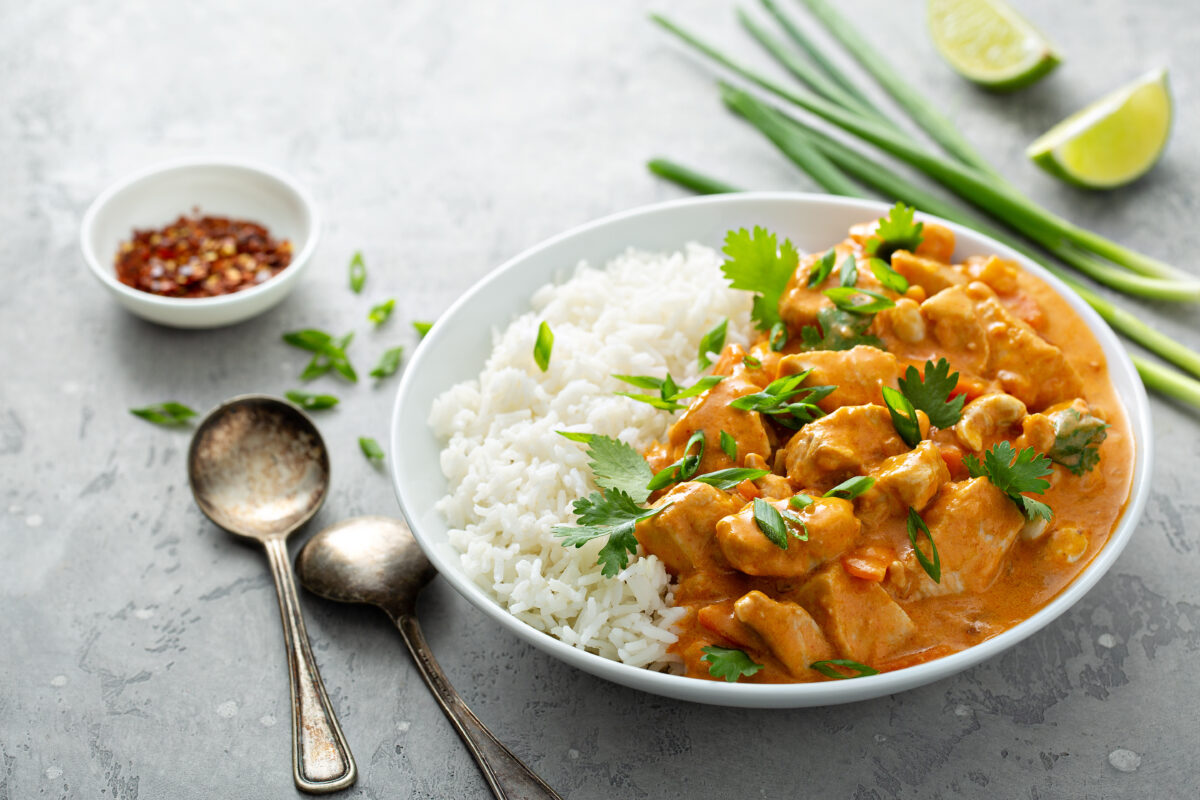
The genesis of modern family-friendly curry adaptations traces back to the broader multicultural culinary exchange that accelerated in Western households throughout the late 20th and early 21st centuries. Traditional South Asian curries, renowned for their complex heat profiles and intricate spice layering, historically presented barriers for younger demographic groups unaccustomed to capsaicin and pungent aromatics. Over the past decade, recipe developers and family nutrition platforms have systematically engineered "de-escalated" versions of these dishes. By substituting heavy creams with full-fat coconut milk and tempering heat levels with subtle agents like raw honey or citrus, home economists have established a bridge for culinary exploration. The Chicken and Cashew Curry builds directly upon this timeline, serving as a contemporary case study in how traditional techniques—such as blooming spices in oil before liquid introduction—can be preserved while adapting the end product for mainstream domestic consumption.
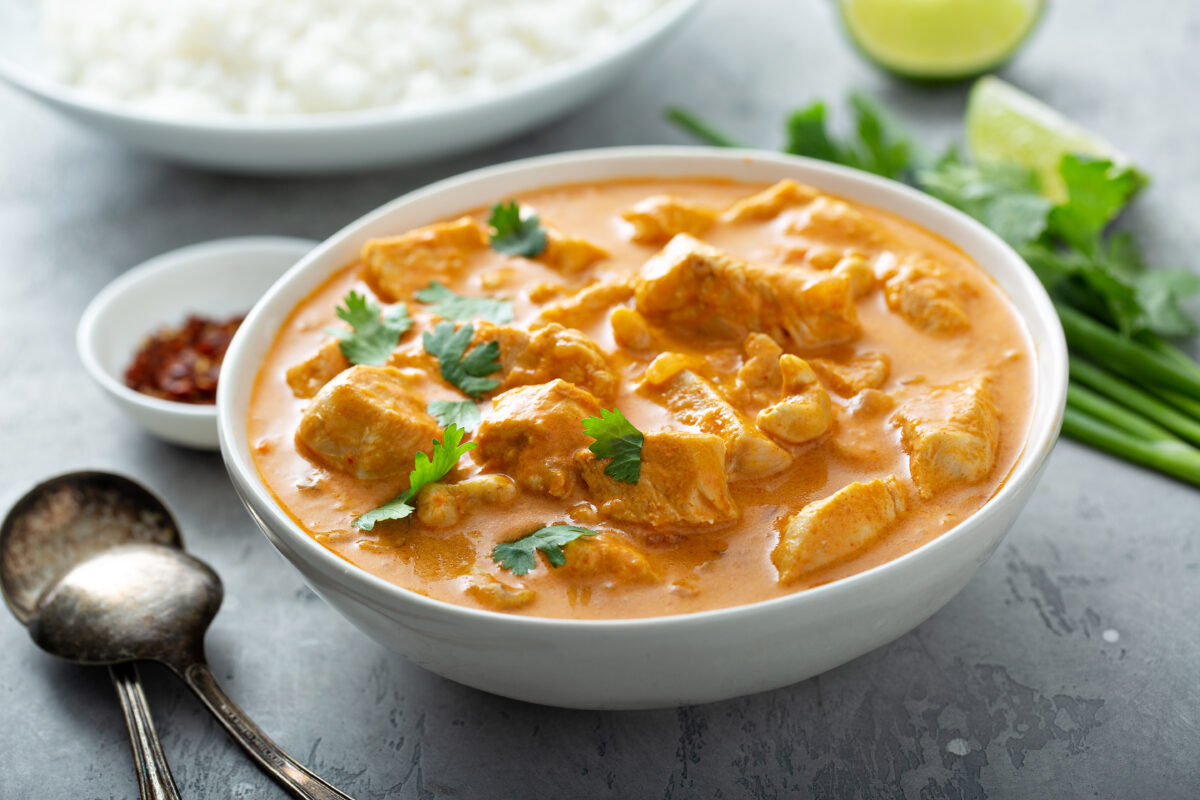
Nutritional and logistical data surrounding the preparation of one-pan weeknight meals underscore their growing dominance in household routines. Market research within the domestic cooking sector indicates that dishes requiring under forty-five minutes of total preparation and cooking time account for more than sixty-five percent of weekday meal selections among working parents. The Chicken and Cashew Curry fits squarely within these operational parameters, requiring approximately fifteen minutes of active preparation and twenty-five minutes of thermal processing. From a nutritional standpoint, the integration of poultry provides a complete amino acid profile, while unrefined coconut milk delivers medium-chain triglycerides (MCTs). Furthermore, the incorporation of cashews introduces essential minerals including magnesium, zinc, and iron, complemented by healthy monounsaturated fats. Dietary analysts point out that the flexibility of the recipe—allowing for the seamless integration of cruciferous vegetables such as broccoli and cauliflower, or leafy greens like spinach—maximizes micronutrient density without compromising the cohesive flavor profile of the dish.
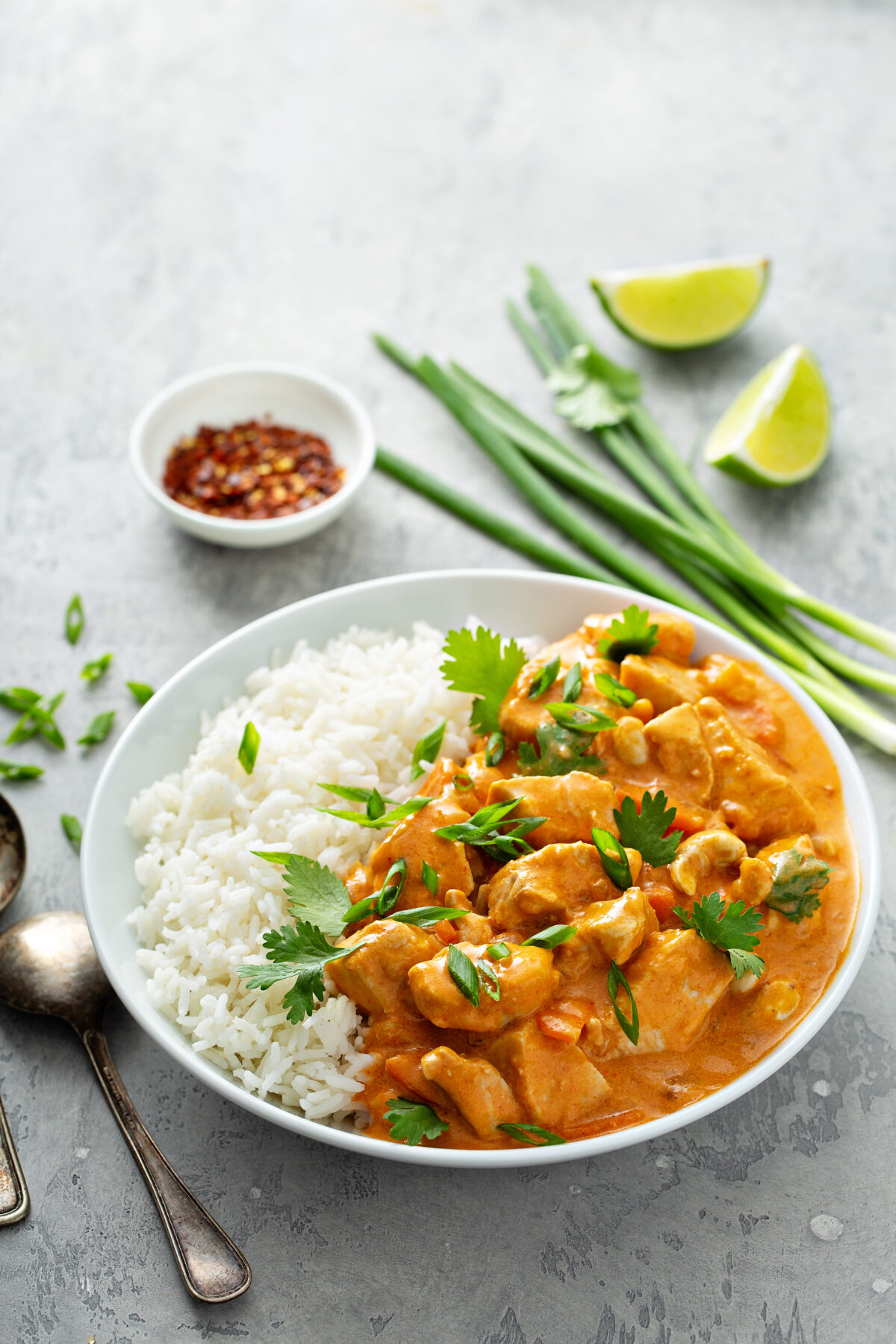
Culinary professionals and institutional recipe developers emphasize specific technical execution points to achieve optimal results when preparing mild coconut-based curries at scale or in home kitchens. According to standardized culinary methodology, the foundational step of toasting dry spices—including cumin, turmeric, and baseline curry powders—directly in a dry or lightly oiled pan is critical. This thermal activation breaks down raw chemical compounds within the spices, releasing volatile oils that generate depth without requiring excessive salt or heat. Additionally, temperature management regarding the protein component remains paramount. Culinary instructors routinely advise searing chicken pieces briefly to achieve light surface caramelization before removing them from the vessel, thereby preventing moisture loss and rubbery textures during the subsequent simmering phase in the coconut sauce. The final stage incorporates the cashews just prior to service, a deliberate timing choice designed to maintain structural crunch and prevent the lipids within the nuts from degrading into the surrounding liquid.
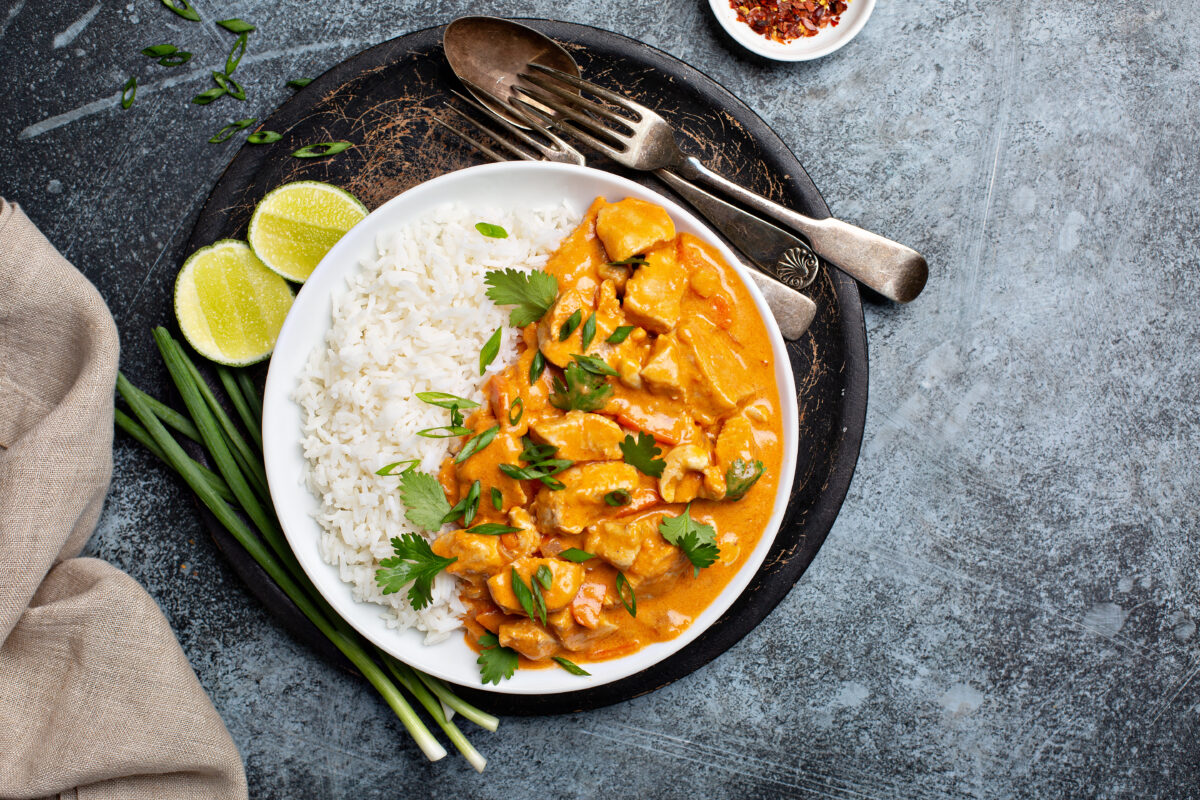
The implications of adapting culturally rich dishes for broader domestic markets extend into discussions regarding culinary inclusivity and the psychology of child nutrition. Pediatric dietitians frequently observe that forced dietary rigidity often leads to food aversion among children. Conversely, iterative exposure methods—such as presenting novel spices within a familiar, creamy medium—encourage autonomous culinary experimentation. By allowing children to curate secondary elements, such as adjusting the volume of rice or selectively applying toasted cashews and fresh herbs like cilantro, meals transform from dictatorial feeding sessions into interactive sensory experiences. This psychological framing reduces mealtime anxiety for caregivers while systematically expanding the domestic palate, laying the groundwork for long-term dietary diversity and improved nutritional literacy in younger populations.