Aggressive behavior in children, ranging from hitting and kicking to verbal outbursts, presents a significant challenge for parents, educators, and the broader community. Far from being an isolated issue or a sign of parental failure, it is a common concern that reflects a child’s struggle with emotional regulation, impulse control, or an inability to effectively communicate their needs and frustrations. This article delves into evidence-based strategies to understand, prevent, and respond to aggressive tendencies, emphasizing a constructive, empathetic approach over punitive measures.
Understanding the Landscape of Childhood Aggression
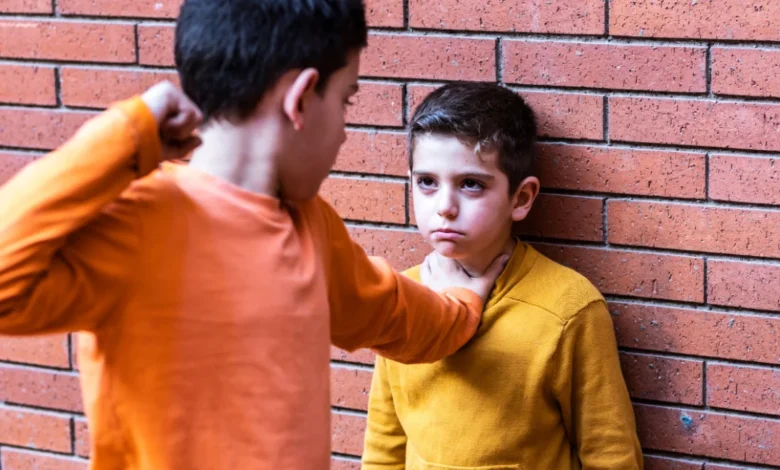
Aggression in children is a complex phenomenon, often a symptom rather than the root problem. It can manifest in various forms, including physical (hitting, biting, kicking), verbal (yelling, name-calling), and relational (social exclusion, spreading rumors). While some level of aggression, particularly in toddlers (ages 1-3), is a normal part of developmental exploration and boundary testing, persistent or escalating aggression in older children warrants careful attention.
Developmental Context: The human brain’s prefrontal cortex, responsible for executive functions like impulse control, planning, and emotional regulation, continues to mature well into early adulthood, typically around age 25. This neurological reality explains why children, especially those under ten, may struggle with intense emotions and act impulsively. Their capacity for self-regulation is still developing, making them more susceptible to aggressive outbursts when overwhelmed or frustrated. Studies in developmental neuroscience consistently highlight that emotional self-regulation is a learned skill, not an inherent trait, underscoring the importance of parental guidance.
Common Triggers and Underlying Factors: Aggressive behavior is rarely unprovoked. Identifying and understanding a child’s specific triggers is crucial for prevention. Common triggers include:
- Fatigue and Hunger: A lack of adequate sleep or proper nutrition significantly impacts a child’s mood and ability to cope. Research published in Neuroscience News indicates a strong correlation between healthy sleep habits and impulse control in children.
- Overstimulation and Overwhelm: Excessive sensory input, crowded environments, or demanding social situations can overload a child’s system, leading to meltdowns.
- Unmet Needs: Children may resort to aggression when they feel unheard, misunderstood, or when their need for attention, autonomy, or connection is not met.
- Stress and Anxiety: Underlying stress from school, family changes, or peer relationships can manifest as aggression.
- Modeling: Children often imitate behaviors they observe. Exposure to aggressive behavior in the home, media, or peer groups can normalize such responses.
- Skill Deficits: A lack of appropriate communication skills, problem-solving abilities, or emotional vocabulary can leave a child feeling helpless and resorting to physical or verbal aggression.
Proactive Prevention: Cultivating a Peaceful Environment
The most effective strategies for mitigating aggressive behavior are proactive, focusing on preventing outbursts before they occur. These methods build a foundation of emotional intelligence and resilience.
Identifying and Managing Environmental Triggers
Parents are uniquely positioned to observe and understand their child’s specific triggers. By recognizing early warning signs—such as whining, complaining, clinginess, or restlessness—caregivers can often preempt an aggressive episode. For instance, during social engagements, being attuned to a child’s emotional or social limits and initiating an exit before they become overtired or overstimulated can prevent a public meltdown. This approach preserves the child’s dignity and avoids uncomfortable situations for all involved.
Prioritizing Rest and Calm
Adequate rest is fundamental for a child’s emotional regulation, irrespective of age. Sufficient sleep directly correlates with improved impulse control and better emotional processing. While naps may phase out for older children, incorporating "rest moments" into their daily routine remains vital. These might involve quiet reading time, solitary play, or simply a few peaceful moments of decompression. Such periods allow children to reset their nervous system, making them more capable of managing challenging social interactions later.
Fostering Daily Parent-Child Connection
Consistent, positive attention is a cornerstone of preventing misbehavior. Dedicated daily connection time, often referred to as "special time" or "Mind, Body, and Soul Time Connection" in some parenting philosophies, involves a parent intentionally stepping into their child’s world for at least ten minutes daily, on the child’s terms, with full engagement and no distractions. This focused attention fills a child’s "attention basket," reducing their need to seek attention through negative behaviors, including aggression. A strong emotional connection makes children feel seen, valued, and more cooperative, significantly decreasing the likelihood of aggressive outbursts.
Teaching Constructive Conflict Resolution Skills
Equipping children with non-violent conflict resolution skills is imperative. This involves explicitly teaching alternatives to hitting, biting, or lashing out. Simple strategies include:
- "I feel" statements: Encouraging children to articulate their emotions ("I feel angry when you take my toy without asking") helps them express themselves constructively.
- Walking away: Teaching children that it’s acceptable to remove themselves from a conflict to cool down.
- Ignoring: For minor provocations, teaching children to ignore can prevent escalation.
- Finding a compromise: Guiding children through negotiation and finding mutually agreeable solutions.
Regular practice and reinforcement of these skills, perhaps through role-playing, empower children to respond with self-control in challenging moments.
Strategic Intervention in Sibling and Peer Conflicts
Parents must strike a balance between allowing children to independently resolve conflicts and intervening when necessary. When children are using words to navigate disagreements, it’s beneficial to allow them to work through it, as these are invaluable learning opportunities for communication and problem-solving. However, intervention becomes crucial when conflicts escalate to physical aggression. When fists are raised or aggressive actions surface, immediate intervention is required to ensure safety, help children calm down, and guide them toward a peaceful resolution. This might involve separating the children temporarily and then facilitating a discussion once emotions have subsided.

Modeling Peaceful Reactions
Children are keen observers, and parental behavior serves as a powerful model. When parents manage their own frustrations and conflicts with calm and respect, they provide a tangible example of emotional regulation. Conversely, reacting to a child’s aggression with anger or aggression inadvertently teaches them that such responses are acceptable. Consistent modeling of peaceful problem-solving and emotional control reinforces the desired behaviors.
Redirecting Aggressive Energy Through Healthy Physical Activity
Physical activity is vital for all children, particularly those with high energy levels. Encouraging healthy outlets for this energy—such as structured sports (soccer, martial arts that emphasize discipline), running, jumping, or even hitting a punching bag—can significantly reduce aggressive tendencies. Regular physical activity helps children process strong emotions, burn off excess energy, and learn self-discipline, making them less likely to direct their energy aggressively toward peers or siblings. The American Academy of Pediatrics advocates for regular physical activity, noting its benefits for mental health and emotional well-being.
Responsive Strategies: Addressing Aggression in the Moment
When aggression does occur, the response from caregivers is critical in shaping future behavior. The goal is to teach, guide, and support, rather than to shame or punish.
The Ineffectiveness of Aggression to Stop Aggression
A critical principle in managing aggressive behavior is to avoid using aggression as a response. Reacting with physical punishment (spanking, slapping) or harsh verbal reprimands (yelling, shaming) often reinforces the very behaviors one seeks to stop. Numerous studies, including those reviewed by the American Psychological Association, consistently demonstrate that corporal punishment is ineffective in promoting long-term behavioral change and is associated with increased aggression, anxiety, and depression in children. Instead, a calm, firm, and teaching-oriented approach is far more beneficial.
Discipline Versus Punishment: A Fundamental Distinction
The terms "discipline" and "punishment" are often used interchangeably, but their meanings and impacts are vastly different. Dr. Jane Nelsen, a pioneer in positive discipline, defines punishment as anything that causes a child to feel blame, shame, or pain. Punishment tends to be reactive, focusing on immediate cessation of undesirable behavior through fear, and often overlooks the underlying reasons for the aggression. It emphasizes external control rather than internal learning.
Discipline, conversely, involves training and guidance designed to teach children self-control, responsibility, and problem-solving skills. It is proactive and focuses on long-term emotional development. For example, instead of punishing a child for hitting, discipline involves teaching them appropriate coping mechanisms, such as using words to express feelings, taking a break, or walking away. This approach prepares children for long-term emotional success by equipping them with healthy tools to manage intense emotions.
Focusing on the Child’s Needs, Not External Opinions
Witnessing a child’s aggressive outburst in public can be deeply embarrassing, leading parents to react impulsively to "save face." However, prioritizing the child’s needs over the opinions of onlookers is paramount. Parents know their child’s temperament, developmental stage, and challenges best. While unsolicited judgments may arise, these should not dictate the parenting response. The focus must remain on helping the child regulate their emotions and learn, rather than on external validation.
The Power of Parental Calm
When a child is caught in an emotional storm, a parent’s calm demeanor is a powerful tool for co-regulation. Reacting with anger or frustration can escalate the situation, providing negative attention that might reinforce the behavior, and failing to guide the child back to a stable emotional state. Maintaining composure allows parents to prevent negative power dynamics and serves as a direct model for emotional control. Parents are the "thermostat," setting the emotional temperature, rather than the "thermometer," merely reflecting the child’s heat.
Teaching Empathy and Repairing Harm
When a child acts aggressively toward another person, addressing the needs of the hurt party is essential. If the aggressive child has sufficiently calmed down, involving them in checking on the other person and making amends (e.g., offering an apology, helping to comfort) is a valuable empathy-building opportunity. If the child is still dysregulated, the parent can model empathy by attending to the injured individual, demonstrating care and concern. This teaches children about the impact of their actions and the importance of repair.
Balancing Empathy with Clear, Respectful Boundaries
Children’s brains are still developing, and their capacity for emotional regulation is limited. While empathizing with their intense feelings ("Wow, you seem really angry/frustrated/upset") is crucial for connection, it must be paired with clear, respectful boundaries ("But it’s never okay to hurt others when you feel that way"). This approach validates the child’s emotions, showing them that their feelings are understood, while simultaneously setting a firm limit on unacceptable behaviors. This balance teaches a valuable lesson without resorting to blame or punishment.
Cultivating Long-Term Emotional Resilience
Beyond immediate responses, sustained effort during calm moments is vital for building a child’s long-term emotional resilience.

Utilizing Role-Play for Triggering Scenarios
Practicing responses to potential triggers through role-play during calm times is highly effective. Parents can create scenarios that typically provoke aggression, such as a peer taking a toy or a sibling invading personal space. Guiding the child through alternative, non-aggressive responses (e.g., using "I feel" statements, asking for the item back, setting a boundary verbally) helps them internalize these strategies. With consistent practice, children develop a repertoire of constructive responses, making them more likely to use these skills when real-life situations arise.
Integrating Daily Calming Strategies
To enhance a child’s ability to self-regulate, parents can brainstorm and incorporate effective calming strategies into daily routines. Techniques like deep breathing exercises (e.g., belly breathing, "star breath"), mindful meditation, or sensory activities can be practiced regularly. Reflecting on past successful methods and adapting them as the child grows ensures that these tools remain relevant and effective. Daily practice builds muscle memory for self-regulation, making these strategies more accessible during moments of stress.
Creating Secret Signals for Public Self-Regulation
A fun and effective strategy is to create a secret signal between parent and child. This signal, established during a calm, playful moment (perhaps during dedicated connection time), can be used discreetly in public. The child can use it to indicate they are feeling overwhelmed or about to lose control, or the parent can use it as a gentle reminder for the child to engage their calming strategies. This empowers the child to seek help subtly, saves them "face" in front of others, and provides a clear, non-verbal communication channel when tensions are high.
Broader Impact and When to Seek Professional Support
Addressing aggressive behavior has far-reaching implications. Children who learn to manage their emotions constructively are more likely to succeed academically, build healthier peer relationships, and develop into well-adjusted adults. Conversely, unresolved aggression can lead to significant social difficulties, academic challenges, and an increased risk of mental health issues.
While the strategies outlined provide a robust framework, some children may require additional support. If aggression is persistent, severe, or escalating despite consistent efforts, it may signal underlying issues such as Attention-Deficit/Hyperactivity Disorder (ADHD), anxiety disorders, trauma, or other developmental challenges. In such cases, seeking professional help from a pediatrician, child psychologist, counselor, or parenting coach is crucial. These professionals can conduct comprehensive assessments, identify underlying causes, and recommend tailored interventions, including therapy, skill-building programs, or medication if appropriate. Collaborative efforts between parents, schools, and mental health professionals offer the best chance for positive outcomes.
Conclusion
Navigating childhood aggression is undoubtedly one of parenting’s most challenging aspects, often leaving parents feeling overwhelmed or inadequate. However, understanding aggression as a call for help or a sign of developing skills, rather than an intentional act of malice, reframes the challenge. By embracing proactive prevention, empathetic responses, and consistent teaching, parents can equip their children with the emotional intelligence and self-regulation skills necessary to thrive. This journey of learning and growth, supported by evidence-based strategies and, when necessary, professional guidance, empowers families to transform aggressive patterns into opportunities for connection, learning, and lasting peace.
Frequently Asked Questions:
Q: Is aggression normal in older kids?
A: While more commonly associated with toddlers, older children can also struggle with aggression. It’s often a sign of underdeveloped emotional regulation skills or unmet needs. The key is to teach them healthier tools for managing big feelings rather than dismissing or punishing the behavior outright.
Q: What are the best strategies to stop aggressive behavior in kids at school?
A: Addressing school-based aggression requires a collaborative approach. Start by identifying potential triggers at school (e.g., peer conflicts, academic frustration, sensory overload). Reinforce calm-down strategies and conflict resolution skills at home, and maintain regular, open communication with your child’s teachers and school counselors. Consistency in strategies across both home and school environments is crucial for success.
Q: Should I punish my child for aggressive behavior?
A: Research consistently shows that punishment, particularly physical punishment, is largely ineffective in curbing aggression and can often increase it. Instead, focus on respectful discipline, which involves teaching, guiding, and providing consequences that are logical, related to the behavior, and respectful. The goal is to help children develop emotional control and empathy, not to instill fear or shame.
Q: What if my child keeps acting aggressively even after trying these techniques?
A: Some children require more intensive support or have underlying challenges that contribute to persistent aggression. If aggression persists, escalates, or significantly impacts your child’s daily life despite consistent implementation of positive parenting strategies, it is advisable to seek professional help. Consult a pediatrician, child psychologist, or family counselor to explore potential underlying causes and develop a tailored intervention plan.
Q: How do I stay calm when my child is acting out?
A: Staying calm is challenging but essential. Practice deep breathing exercises yourself, and if possible, take a brief moment to regulate your own emotions before responding. Remind yourself that your calm response models emotional regulation for your child and helps them to co-regulate. You are the emotional "thermostat" for your household, setting the tone for how emotions are managed.
Related posts: