The Comprehensive Guide to Modern Parenting: Navigating Milestones, Financial Wellness, and Childhood Development in 2025 and Beyond


The landscape of modern parenting has undergone a profound transformation, driven by an intersection of rapid technological advancements, shifting economic pressures, and an evolving understanding of child development. As families navigate the complexities of 2025, the demands placed on parents—particularly mothers—have expanded beyond the traditional scope of nurturing and logistics to include complex financial planning, mental health advocacy, and the management of a digital-first household. This comprehensive report explores the critical pillars of contemporary family life, offering a roadmap for balancing career growth, emotional well-being, and the practical necessities of raising children in an increasingly unpredictable world.

The Economic Realities of Motherhood in 2025

Perhaps the most significant challenge facing families today is the persistent "motherhood tax." Recent economic data indicates that the financial burden on working mothers has intensified, manifesting in lower lifetime earnings, the rising cost of childcare, and the disproportionate share of unpaid domestic labor. The concept of the "motherhood tax" is no longer a peripheral issue; it is a central factor in family stability.

Financial stress in the household is inextricably linked to the "emotional load." When a family budget tightens, the mental burden of tracking expenses, managing insurance premiums, and planning for maternity leave often falls on the mother. To mitigate this, financial experts are increasingly recommending nine specific "money shifts" designed to reduce friction. These include automating savings for educational milestones, auditing recurring subscriptions, and utilizing high-yield accounts for emergency funds. These small, low-lift adjustments are not merely about accumulation; they are about reclaiming a sense of agency in a system that often disadvantages caregivers.

Furthermore, the transition back to work following maternity leave remains a flashpoint for many. In 2025, the conversation has shifted from simply requesting time off to advocating for parental leave as a fundamental aspect of medical recovery and child bonding. Research shows that when employers provide robust, flexible leave policies, retention rates increase significantly. Mothers who navigate this period with a clear plan—one that accounts for both the physical recovery of the postpartum phase and the identity shift associated with balancing a career—report higher levels of long-term job satisfaction.

The Developmental Intersection: Baby Milestones and Motherhood

The paradigm of child development has moved toward a more holistic view, where every milestone a child reaches is recognized as a concurrent milestone for the mother. As an infant learns to crawl, walk, or speak, the mother is simultaneously learning to trust her instincts, establish healthy boundaries with extended family, and navigate the transition from a solitary sense of self to a collaborative family identity.

This developmental synchronicity is particularly evident during the "fourth trimester." Far from being a luxury, postpartum rest is now categorized by medical professionals as essential medical care. The physiological toll of childbirth requires a period of recovery that is often overlooked in fast-paced modern society. When mothers prioritize this recovery, it serves as a foundational step for the child’s long-term attachment and emotional stability. Feeding—whether via nursing, formula, or solids—is also evolving into a "love language" that fosters connection, provided the parent has the support system required to manage the logistics without succumbing to burnout.

The Role of the "Invisible Scaffolding": Grandparents and Extended Support

Grandparents and extended family members serve as the invisible scaffolding for many young families. In 2025, the research on grandparental impact suggests that their role is most effective when it is structured around clear communication and safe boundaries. The pressure on grandparents has also increased; they are often called upon to be the "family safety net," assisting with logistics, financial gaps, and emotional reassurance.

However, the dynamics of these relationships are shifting. Modern parents are more intentional about how they invite help, ensuring that the "village" supports their specific parenting philosophy. Whether it is through shared childcare or simply providing a space for respite, the most successful partnerships between parents and grandparents are those built on respect for the parents’ autonomy.

Navigating the Teen Years and Sibling Dynamics

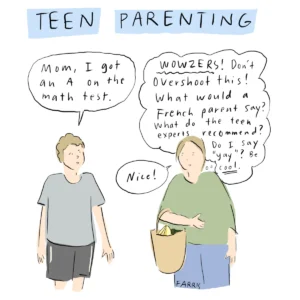
As children transition into their teenage years, the parenting focus shifts from direct supervision to mentorship and connection. The "closed bedroom door" of a teenager is often a source of anxiety for parents, but developmental psychologists now characterize this distance as a healthy, natural part of adolescent identity formation. The key to staying close during this period lies in the quality of engagement rather than the quantity.

Seven specific questions and conversation prompts have been identified as effective tools for parents to bridge the gap without making their teens feel defensive. By shifting from directive questions—such as "Did you do your homework?"—to open-ended inquiries about their feelings, interests, and social dynamics, parents can maintain a steady line of communication.

Meanwhile, sibling rivalry continues to be a common concern. Research published in 2025 reframes this conflict not as a failure of discipline, but as a complex manifestation of "love in disguise." Siblings who bicker are often navigating the boundaries of their own identities within the family unit. When parents coach this conflict toward empathy rather than suppression, it can actually strengthen the sibling bond, teaching children how to negotiate, compromise, and resolve disagreements in later life.

Technology and the Digital-First Household

The integration of technology into the home is a double-edged sword. While tools like Yoto players and kids’ tablets provide educational value and entertainment, they also introduce the need for digital hygiene. The "best phones for kids" are no longer just devices for communication; they are robust platforms for parental control and digital safety.

Parents are increasingly turning to screen-free alternatives to help children with self-regulation. Devices like the "Moonbuddy," which provide tactile, non-digital comfort, have gained traction as effective tools for kids to process frustration or "burnout" after a long school day. This trend underscores a broader movement toward "slow parenting," where the focus is on reducing over-stimulation and fostering a child’s ability to self-soothe.

The Importance of Advocacy and Systemic Change

Beyond the individual household, the narrative of 2025 is marked by a push for systemic change. The "motherhood tax" and the inequities in healthcare for women—such as the tendency for providers to minimize or misdiagnose symptoms—have sparked a wave of activism. Reports from organizations like Gallup and Pivotal have highlighted that a majority of women are dissatisfied with their treatment in the healthcare system.

This dissatisfaction is driving a new era of advocacy. Mothers are increasingly vocal about the need for better NICU support, more equitable parental leave, and medical care that respects their lived experience. Figures such as Stephanie Roberson have become prominent voices, fighting for structural changes that ensure no family has to face the trauma of extended NICU stays or chronic illness without adequate institutional support.

Conclusion: The Path Forward

The challenges of 2025 are significant, yet the resources available to parents have never been more diverse or evidence-based. Whether it is through the adoption of mindful money practices, the intentional building of a supportive village, or the advocacy for better workplace and healthcare policies, parents are redefining what it means to raise a healthy, resilient generation.

The core takeaway for families is that parenting is an evolving process that requires constant calibration. By prioritizing the emotional health of both the parent and the child, and by recognizing that individual struggles are often part of a larger, systemic picture, families can navigate these complex years with greater confidence and clarity. The "hardest love"—as many seasoned parents describe the early years of child-rearing—is also the most rewarding, provided one has the right tools, the right support, and the patience to move forward one step at a time. As we look toward the remainder of the decade, the focus will undoubtedly remain on building a society that supports the most vital unit of all: the family.