Modern Motherhood in 2025: Navigating the Complex Realities of Postpartum Care, Parental Rights, and Family Dynamics

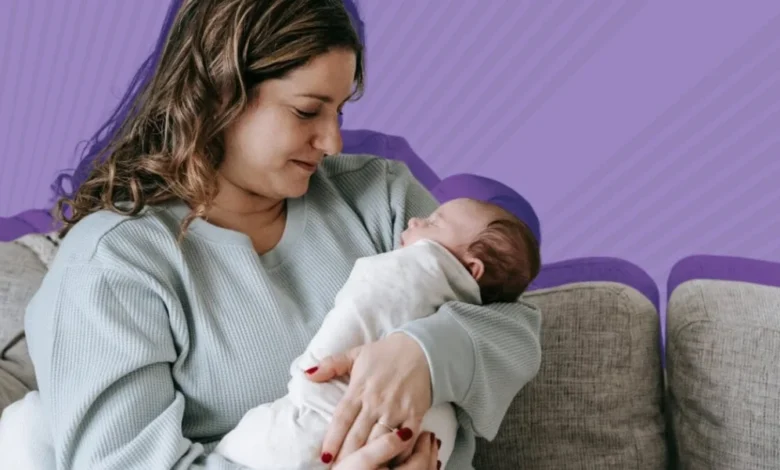
The landscape of modern motherhood is undergoing a profound transformation, driven by a confluence of legislative progress, corporate policy shifts, and an evolving understanding of postpartum health. As families navigate the mid-2020s, the challenges of raising children are increasingly intersecting with complex economic realities and a growing demand for systemic support. From the "motherhood tax" to the critical importance of the fourth trimester, the experience of parenting today is defined by both a struggle for resources and a deeper, more evidence-based approach to family well-being.

The Legislative and Corporate Evolution of Parental Leave
One of the most significant shifts in the parental landscape is the movement toward paid leave at both the state and corporate levels. In 2025, Alabama took a monumental step by implementing a paid parental leave law, a move that Governor Kay Ivey described as a commitment to strengthening families and supporting state employees. This legislation reflects a broader national trend where states are beginning to recognize that parental leave is not a luxury, but a protective health measure that safeguards physical recovery, mental well-being, and infant bonding.

In the private sector, global professional services firm Deloitte has set a new benchmark by equalizing parental leave for all employees. Their policy now offers fathers the same 26 weeks of fully paid leave previously reserved for mothers. This shift is grounded in data showing that when fathers take at least two weeks of leave, their partners are 31% more likely to continue breastfeeding at the eight-week mark. Despite these advancements, a significant gap remains: research indicates that fathers in the United States often leave approximately $1.6 billion in paid parental leave on the table annually, often due to workplace culture and a lack of leadership support.

The Economic Burden: The Motherhood Tax and the Cost of Raising a Child
Financial strain remains a dominant theme in modern parenting. The "motherhood tax" continues to manifest through lower lifetime earnings, higher costs for childcare and household essentials, and a disproportionate amount of unpaid labor. Recent data suggests that for approximately 15% of mothers, baby-related expenses consume more than half of their total income.

The rising cost of the first year of life has reached levels that many families find shocking. This financial pressure often forces mothers back into the workforce before they are physically or emotionally ready. Viral social media accounts have highlighted the "emotional minefield" of returning to work, with many mothers reporting that the transition feels less like a schedule change and more like a jarring identity shift. To combat this stress, financial experts are increasingly advocating for "small money shifts"—low-lift habits such as automating savings or auditing subscription services—to help parents feel a sense of agency amidst rising inflation and healthcare costs.

Redefining Postpartum Care as Essential Medicine
A critical component of the modern discourse on motherhood is the rebranding of the "fourth trimester"—the first 12 weeks after birth—as a period of essential medical recovery rather than a temporary inconvenience. Healthcare providers are increasingly emphasizing that postpartum rest is medical care. The physiological toll of childbirth requires a structured recovery period to prevent long-term health complications and protect maternal mental health.

Clinical data shows that many mothers feel "quietly struggling" during the summer months or during transitions back to work, often because the invisible labor of healing is not acknowledged by society. Experts now suggest that bonding is not limited to a "golden hour" immediately after birth; rather, it is a process that grows through skin-to-skin contact and daily interaction, particularly for those recovering from C-sections. For these mothers, recovery involves advocating for their needs in the operating room and following evidence-backed guidance to regain physical strength without the pressure to "bounce back" to a pre-pregnancy body.

The Changing Face of Family Building: Adoption and Surrogacy
The definition of the modern family continues to expand, with adoption and gestational surrogacy becoming more prominent paths to parenthood. However, these paths bring unique emotional and logistical challenges. Adoption is increasingly viewed not as a "lesser" form of love, but as a deliberate and resilient way to build a family. Experts emphasize the importance of adoption anniversaries and rituals to help children build a strong sense of identity and attachment.

Similarly, surrogacy is being recognized as a process that requires a "village of support." The medical, legal, and emotional layers of gestational surrogacy necessitate clear boundaries and mutual respect between intended parents and surrogates. For these families, the journey is built on clarity and protection, ensuring that the surrogate, the baby, and the parents are all supported throughout the process.

Developmental Milestones and the Parental Identity Shift
As children grow, the milestones they reach are often mirrored by milestones in their parents’ own development. When a baby learns to walk or talk, the mother is often learning to trust her instincts and set boundaries. This "identity rebirth" is a hallmark of the transition into parenthood, affecting how individuals perceive time and value.

The challenges of parenting do not end in infancy. The transition into the teen years often brings a "pulling away" that can be emotionally taxing for parents. Psychologists suggest that distance is a healthy part of adolescence and that staying connected requires asking better questions—focusing on the teen’s internal world rather than just their academic or social performance. Meanwhile, sibling rivalry is being reframed by researchers as "love in disguise," a natural byproduct of children learning empathy and conflict resolution within a safe environment.

The Role of the Extended Village: Grandparents and Educators
In an era of high parental stress, the "invisible scaffolding" provided by grandparents and educators has never been more vital. Grandparents often serve as the primary safety net for many families, providing childcare and emotional reassurance. However, research suggests that this role can carry its own pressures, and successful partnerships between parents and grandparents depend on clear communication and mutual respect for parenting boundaries.

In the school system, educators are noticing shifts in student well-being that parents may miss. Former teachers have used platforms like TikTok to share insights on hygiene and social issues that they are often unable to address directly with families due to school policies. This highlights the growing "mental load" on parents, who must balance career growth with the minute details of their children’s daily lives, from hygiene to nutritional goals.

Critical Health Trends: The Decline in Prenatal Care
A concerning trend in 2025 is the decline in early prenatal care. Reports indicate that nearly one in four pregnant women are skipping or delaying essential checkups. Veteran nurses and healthcare advocates warn that this decline could lead to a rise in preventable complications. The reasons for this shift are multi-faceted, including a lack of access to providers in "maternity deserts," the high cost of healthcare premiums, and the logistical challenges of balancing work and medical appointments.

This decline underscores the need for better support systems for pregnant women. When women feel supported—both financially and emotionally—they are more likely to seek the care they need. This includes better education on the signs of labor and the long-term benefits of early medical intervention.

Conclusion: The Path Forward for Modern Families
The state of motherhood in 2025 is one of transition. While legislative and corporate policies are beginning to catch up with the needs of modern families, the emotional and financial weight of parenting remains significant. The "motherhood tax," the complexities of postpartum recovery, and the evolving nature of family dynamics all require a more robust social safety net.

Progress is being made through a combination of evidence-based research and a growing cultural willingness to discuss the "hardest love" of parenting openly. By treating postpartum rest as medical care, equalizing parental leave, and recognizing the identity shifts inherent in motherhood, society can begin to provide the support that modern parents and their children truly require. The goal is a future where parenting is not an endurance sport performed in isolation, but a supported, celebrated, and sustainable part of the human experience.