Empowering Early Learners Through Representation: A Definitive Guide to Black History Month Literature in Preschool Education

The integration of diverse literature in early childhood education has evolved from a supplemental activity into a fundamental pedagogical responsibility, as educators increasingly recognize the profound impact that inclusive storytelling has on cognitive and social-emotional development. In the modern classroom, teachers are tasked with the critical role of expanding a child’s worldview beyond the immediate confines of their own neighborhood or socioeconomic status. While children in major metropolitan areas may encounter a spectrum of cultures in their daily lives, those in rural or more homogeneous environments often rely almost exclusively on classroom resources to experience the diversity of the human condition. Consequently, the selection of literature that highlights the contributions, history, and lived experiences of Black Americans is not merely a seasonal observance for February but a vital component of a comprehensive educational framework.
The Pedagogical Framework: Mirrors, Windows, and Sliding Glass Doors
The necessity of diverse literature in preschool settings is often analyzed through the theoretical lens of "Mirrors, Windows, and Sliding Glass Doors," a concept pioneered by Dr. Rudine Sims Bishop in 1990. According to this framework, books serve as "mirrors" when they allow children to see themselves reflected in the narrative, reinforcing their sense of identity and self-worth. Conversely, "windows" offer a view into lives and cultures different from their own, fostering empathy and cross-cultural understanding. "Sliding glass doors" represent the moment a reader can intellectually and emotionally step into a different world.
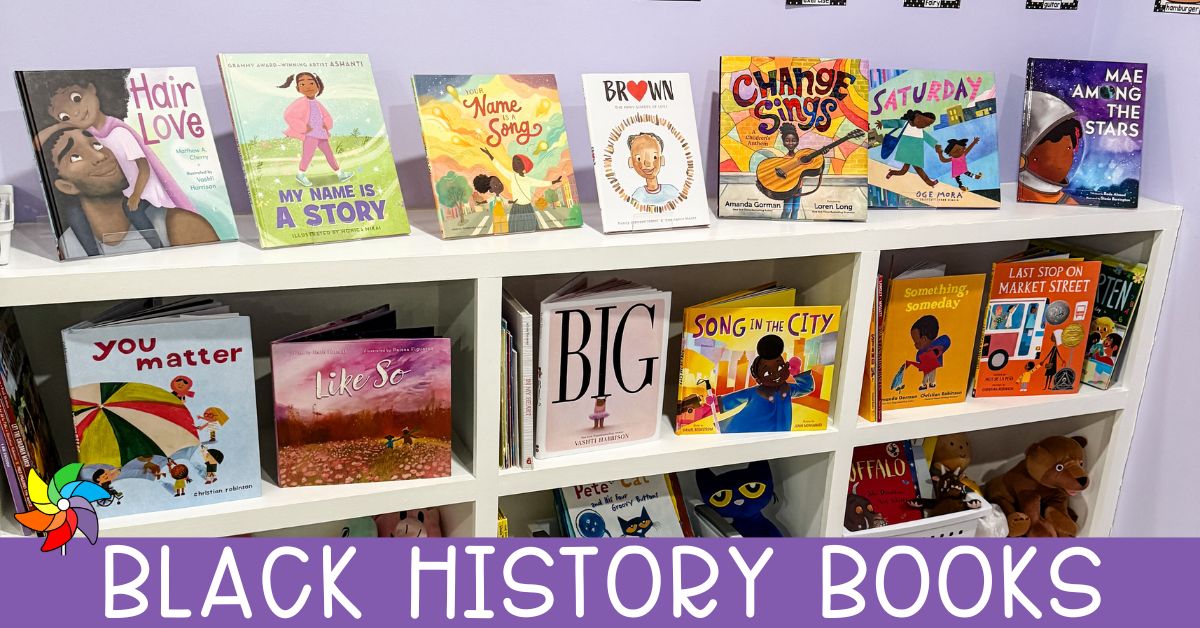
For preschool-aged children, who are in a formative stage of identity development, the presence of Black protagonists and historical figures in their reading material is essential. Research from the Cooperative Children’s Book Center (CCBC) at the University of Wisconsin-Madison has historically highlighted a significant "diversity gap" in children’s publishing. While the number of books featuring Black characters has increased significantly over the last decade—rising from roughly 3.3% in 2012 to over 12% in recent years—educators argue that the quality and variety of these stories are as important as the statistics.
Historical Context and the Evolution of Black History Month
The observance of Black History Month began as "Negro History Week," established in 1926 by historian Carter G. Woodson and the Association for the Study of Negro Life and History. Woodson chose the second week of February to coincide with the birthdays of Abraham Lincoln and Frederick Douglass. By 1976, the celebration was expanded to the entire month of February by President Gerald Ford, who urged Americans to "seize the opportunity to honor the too-often neglected accomplishments of Black Americans in every area of endeavor throughout our history."

In the context of preschool education, this historical background provides a foundation for teaching concepts of courage, fairness, and perseverance. Rather than focusing on the complex political intricacies of history, educators utilize picture books to distill these themes into age-appropriate narratives that emphasize the power of the individual to effect change.
Biographies and Nonfiction: Highlighting Real-World Contributions
Biographical picture books serve as a bridge between the past and the present, introducing young learners to the concept that history is made by real people. The following titles have been identified by literacy experts as essential for preschool collections:

Stand Up! by Brittney Cooper
This narrative chronicles the lives of ten women who significantly impacted the Civil Rights Movement and modern social justice. By featuring both historical icons like Ruby Bridges and Rosa Parks alongside contemporary figures such as Bree Newsome—who famously scaled a flagpole to remove the Confederate flag in South Carolina—the book demonstrates the continuity of activism. It emphasizes the importance of using one’s voice to advocate for justice, a concept easily grasped by preschoolers learning about fairness.
Mae Among the Stars by Roda Ahmed
Focusing on the childhood of Mae Jemison, the first African American woman to travel into space, this book highlights the intersection of science and ambition. It serves as an inspirational tool for encouraging STEM interest among young girls of color while reinforcing the role of parental support and personal determination.

Let the Children March by Monica Clark-Robinson
This book provides a factual account of the 1963 Birmingham Children’s Crusade. It is particularly effective for preschool audiences because it centers on the agency of children. It explains segregation through the lens of basic human rights, making the historical struggle for equality relatable to children who are beginning to understand social rules and boundaries.
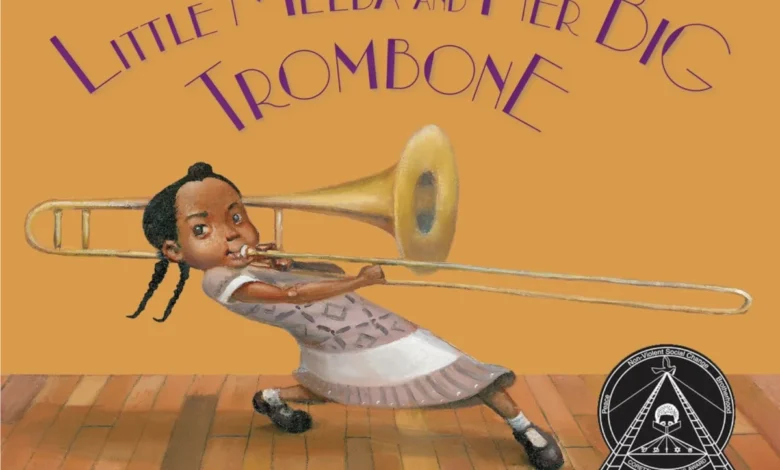
Little Melba and Her Big Trombone by Katheryn Russell-Brown
The story of Melba Liston, a jazz virtuoso and pioneer in a male-dominated field, introduces children to the cultural heritage of American music. Liston’s journey—from teaching herself the trombone at age seven to arranging music for legends like Duke Ellington—illustrates the concept of mastery through practice and the overcoming of gender and racial barriers in the arts.

The Oldest Student by Rita Lorraine Hubbard and Oge Mora
This biography of Mary Walker, who learned to read at the age of 116, offers a unique perspective on the timeline of American history. Walker’s life spanned from the era of slavery through the Civil Rights Movement, providing a profound lesson on the lifelong value of education and the resilience of the human spirit.
The Importance of Contemporary Fiction and "Black Joy"
While historical narratives are crucial, contemporary educational experts, including those from the National Association for the Education of Young Children (NAEYC), emphasize that Black History Month should not be limited to stories of struggle or historical milestones. It is equally important to include "Black Joy" narratives—fictional stories that depict Black children in everyday situations, celebrating family, creativity, and mundane adventures.

Celebrating Identity and Self-Acceptance
Titles such as Big by Vashti Harrison and Sulwe by Lupita Nyong’o address themes of body image and colorism with gentleness and visual splendor. Big explores the emotional weight of words and the importance of self-acceptance in a world that often imposes rigid standards of beauty. Sulwe tackles the internal struggle with skin tone, utilizing a magical, celestial metaphor to teach children that every shade of beauty is valuable.
Family Dynamics and Community
Books like Hair Love by Matthew A. Cherry and Saturday by Oge Mora highlight the strength of the familial bond. Hair Love celebrates the relationship between a father and daughter while normalizing natural hair textures, a significant step in providing "mirrors" for Black children. Saturday depicts the resilience of a mother and daughter whose carefully planned day goes awry, focusing on the emotional intelligence required to find joy in simple togetherness.

Perspective and Urban Life
Last Stop on Market Street and Milo Imagines the World, both written by Matt de la Peña and illustrated by Christian Robinson, are lauded for their depiction of urban environments and the diversity of socioeconomic experiences. These stories encourage children to look beyond appearances and appreciate the beauty and complexity of the people they encounter in their daily lives.
Supporting Data: The Impact of Inclusive Libraries
Statistical evidence suggests that when children have access to books that reflect their own identities, their engagement with literacy increases. A 2020 study published in the Journal of Early Childhood Literacy found that inclusive classroom libraries correlate with higher rates of reading motivation among minority students. Furthermore, early exposure to diverse characters has been shown to reduce the development of implicit racial biases in young children.

According to the Cooperative Children’s Book Center, while representation is improving, the industry still faces a "disparity of authorship." In 2022, while 12% of books featured Black protagonists, only about 9% were actually written by Black authors. Educators argue that seeking out "own voices" narratives—stories written by authors who share the identity of their characters—ensures a level of authenticity and nuance that is vital for accurate representation.
Institutional Responses and Broader Implications
Educational organizations such as the NAEYC and the American Library Association (ALA) have increasingly advocated for year-round integration of diverse literature. They posit that confining Black history to a single month can inadvertently "other" the experience, suggesting it is separate from the standard American narrative.

In response to these recommendations, many school districts are auditing their curricula to ensure that diversity is a permanent fixture. This shift is not without challenges; in some regions, the inclusion of books discussing race and history has met with political resistance. However, the prevailing consensus among child development experts is that avoiding these topics can be detrimental. As author Eric Smith noted, "When kids grow up not seeing themselves in books, they grow up feeling like they don’t matter."
Long-term Societal Impact
The long-term implications of diversifying preschool literature extend far beyond the classroom. By fostering empathy and a broad understanding of history from an early age, educators are preparing children for citizenship in a globalized society. These books serve as the foundational tools for building a community based on mutual respect and shared humanity.

As children transition from preschool to primary education, the lessons learned from these narratives—perseverance from Mae Jemison, the value of voice from the Birmingham children, and the beauty of identity from Sulwe—form a moral and intellectual framework. Black history is inextricably linked to the broader American story, and by introducing these themes early, educators ensure that the next generation views diversity not as a special interest topic, but as an essential and vibrant part of the world they inhabit.
Related posts: