Parents grappling with aggressive behavior in their children are part of a widespread demographic, seeking effective, compassionate strategies beyond traditional punitive measures. The challenge of managing hitting, kicking, or yelling outbursts is not a reflection of parental failure but a common developmental hurdle that, with the right approach, can be transformed into opportunities for emotional growth and restored domestic peace. This guide delves into evidence-based methods to address the root causes of aggression, foster emotional control, and equip children with vital life skills.
Understanding the Dynamics of Childhood Aggression
Aggressive behavior in children, while unsettling for parents, is often a complex manifestation of underdeveloped emotional regulation skills, frustration, or unmet needs. It is more commonly expected in toddlers, whose language skills are still emerging, leading them to use physical actions to communicate distress or desire. However, aggression can persist or re-emerge in older children, challenging parents who might expect them to "know better." Far from being a predictor of lifelong bullying or permanent negative labeling, aggression in older children frequently signals an underlying struggle with impulse control, emotional overload, or difficulty expressing complex feelings constructively.
Developmental psychologists emphasize that the brain region responsible for emotional regulation, the prefrontal cortex, does not fully mature until the mid-twenties. This means that children, regardless of age, are still developing the neural pathways necessary for impulse control and complex problem-solving. A study published in the Journal of Child Psychology and Psychiatry highlights that persistent aggressive behavior in school-aged children, if unaddressed, can impact social relationships and academic performance. Understanding this developmental context is crucial for parents to approach the issue with empathy and a focus on teaching rather than merely punishing.
Proactive Strategies: Cultivating Calm and Preventing Outbursts
The most effective approach to managing aggression begins with prevention. By proactively preparing children and mitigating potential triggers, parents can significantly reduce the incidence of aggressive outbursts and foster a more harmonious home environment.
Identifying and Mitigating Triggers That Lead to Aggression
Parents possess unique insights into their children’s temperaments, strengths, and vulnerabilities. This knowledge is paramount in identifying specific triggers that lead to aggressive behavior. These can be physiological, such as hunger or overtiredness, or environmental, like overstimulation in crowded places, overwhelming social interactions, or transitions between activities. When children reach their emotional or social limits, they are more prone to acting out. Early signs—whining, complaining, clinginess, or restlessness—are critical cues. Recognizing these signals and taking proactive steps, such as exiting a stimulating environment, offering a snack, or providing a quiet space, can de-escalate potential meltdowns, preserving the child’s dignity and preventing uncomfortable situations for all involved.
The Critical Role of Rest in Impulse Control
Adequate rest is a cornerstone of emotional regulation and impulse control, irrespective of a child’s age. Research from institutions like Neuroscience News underscores the strong link between healthy sleep habits and a child’s ability to manage impulses. When children are well-rested, their prefrontal cortex functions more effectively, allowing for better decision-making, emotional processing, and self-control. For older children who may have outgrown naps, "rest" doesn’t always equate to sleep. Even a few moments of peaceful quiet—reading a book, listening to calm music, or engaging in solitary, low-stimulus play—can help a child decompress, reset their nervous system, and improve their capacity to navigate social situations calmly later in the day.
Nurturing Connection Through Daily Parent-Child Interaction
One of the most powerful preventative tools against misbehavior, including aggression, is consistent, positive parental attention. Child development experts frequently advocate for dedicated "special time" or "Mind, Body, and Soul Time Connection®," as some parenting programs refer to it. This involves intentionally stepping into a child’s world, on their terms, for at least ten minutes daily, free from distractions. Allowing the child to choose the activity—be it playing a game, drawing, or simply talking—and engaging fully, sends a powerful message of being seen, valued, and loved. This consistent emotional connection creates a secure attachment, reducing the child’s need to seek attention through negative behaviors and fostering a cooperative spirit. Studies on attachment theory consistently show that secure attachments are correlated with better emotional regulation and social skills in children.
Teaching Conflict Resolution Skills Without Violence
Equipping children with positive, respectful methods for resolving conflict is indispensable. Children who are explicitly taught alternatives to hitting, biting, or lashing out are better prepared to respond with self-control in challenging moments. Practical strategies include using "I feel" statements ("I feel frustrated when you take my toy without asking"), walking away from escalating situations, ignoring minor provocations, or finding compromises. Regular practice of these skills through discussions and hypothetical scenarios reinforces them as valuable tools the child can access when faced with frustration or anger. This proactive teaching instills a sense of agency and confidence in managing difficult interactions.
Strategic Intervention in Sibling or Peer Conflicts
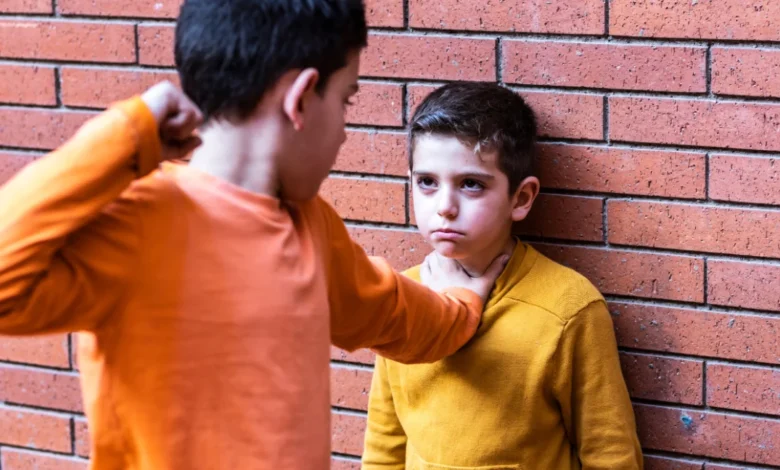
Parents often grapple with when to intervene in sibling or peer disputes. A key principle is to allow children to work through conflicts independently when they are using their words and practicing their newly acquired conflict resolution skills. These moments are invaluable learning opportunities for developing communication and problem-solving abilities. However, intervention becomes imperative once interactions turn physical or escalate to emotional harm. If fists are raised, pushing occurs, or verbal abuse begins, stepping in immediately is crucial. The goal is to help children calm down and guide them toward a peaceful resolution, reinforcing the boundary that physical aggression is never acceptable. Depending on a child’s history with aggression, closer supervision during interactions might be necessary.

Modeling and Encouraging Peaceful Reactions at Home
Children are keen observers and often mirror the behaviors they witness. Therefore, parents serve as primary role models for emotional regulation. When parents manage their own frustrations calmly, apologize for mistakes, and communicate respectfully, they demonstrate effective coping mechanisms. Positive reinforcement plays a vital role in encouraging peaceful behavior. Acknowledging a child’s effort and success in managing a challenging situation without resorting to aggression, with comments like, "You showed great control when you were frustrated with your friend; I know that was hard, and I’m proud of how you handled it," boosts their confidence and promotes the continuation of peaceful responses. This positive reinforcement is a proactive approach to reducing the likelihood of future aggression.
Redirecting Aggressive Energy Through Healthy Physical Activity
Physical activity is fundamental for all children, providing an outlet for pent-up energy and emotions. For children prone to aggressive outbursts, channeling this energy into healthy physical activities can be particularly beneficial. Encouraging sports that promote self-discipline, like martial arts or team sports, or simply providing opportunities for vigorous play—kicking a soccer ball, hitting a punching bag, running, or cycling—can make a significant difference. Regular physical activity reduces stress, improves mood, and helps children regulate their energy levels, making them less likely to express excess energy in aggressive ways toward others.
Responsive Strategies: Effective Intervention When Aggression Occurs
Despite proactive efforts, aggressive outbursts may still occur. How parents respond in these moments is critical for teaching lasting emotional control and empathy.
Avoiding Aggression to Stop Aggression
A cornerstone of positive parenting is the understanding that reacting to aggression with further aggression, such as spanking or yelling, is counterproductive. Extensive research, including studies referenced by organizations like the American Academy of Pediatrics, consistently shows that physical punishment not only fails to curb aggressive behavior but often exacerbates it, teaching children that violence is an acceptable means of problem-solving. It can also damage the parent-child relationship and lead to increased anxiety and aggression in children. Instead, the focus must shift to teaching and guiding rather than punishing.
Discipline Over Punishment: Fostering Long-Term Emotional Success
While often used interchangeably, punishment and discipline are fundamentally different. Dr. Jane Nelsen, a pioneer in Positive Discipline, defines punishment as anything that causes a child to feel blame, shame, or pain. Punishment typically reacts to behavior, emphasizing short-term control. In contrast, discipline involves training and guidance, a proactive approach that helps children develop the skills to manage intense emotions healthily. Instead of punishing a child for hitting, discipline focuses on teaching appropriate coping methods—such as using words to express feelings or walking away from frustrating situations. Discipline prepares children for long-term emotional success by fostering self-regulation, responsibility, and empathy.
Focusing on the Child’s Needs, Not External Opinions
It is incredibly challenging for parents to manage a child’s aggressive outburst, especially in public. The pressure of external judgment—the nasty side-eyes or rude comments—can be immense. However, succumbing to these external pressures often distracts parents from what truly matters: their child’s immediate emotional needs and the long-term goal of teaching appropriate behavior. Parents know their children best—their temperament, developmental stage, and challenges. Tuning out the "audience" and focusing on the child’s needs allows parents to respond thoughtfully and effectively, rather than react impulsively out of embarrassment or frustration.
Parental Calm: A Superpower for Child Regulation
When a child is caught in an emotional storm, a parent’s calm demeanor is a powerful tool. Reacting with anger or an explosive response can escalate the situation, providing negative attention that might inadvertently reinforce the aggressive behavior. More importantly, an emotionally dysregulated parent cannot effectively help a child regulate their own emotions. By maintaining composure, parents prevent negative power struggles and model healthy emotional control. This "co-regulation" helps to soothe the child’s overwhelmed nervous system, creating a safe space for them to begin processing their feelings and return to a stable emotional state. Deep breaths, a brief mental pause, or even stepping away for a few seconds if safety allows, can help parents reset their own emotional thermostat.
Teaching Empathy by Addressing the Needs of the Hurt Person
When a child is aggressive toward another, addressing the needs of the hurt party is paramount for teaching empathy. Once the aggressive child has calmed sufficiently, encouraging their involvement in checking on the other person—asking if they are okay, offering comfort, or helping to repair what was broken—provides a valuable, real-world lesson in empathy and responsibility. If the child is still too emotionally unstable, the parent can model empathy by ensuring the injured child or adult is alright, demonstrating the importance of care and concern for others. This approach shifts the focus from punishment to understanding the impact of one’s actions and making amends.
Balancing Empathy with Clear, Respectful Boundaries
Children, even older ones, are still developing the capacity for emotional regulation. It is crucial for parents to approach these moments with both empathy and clear boundaries. Starting by acknowledging the child’s feelings ("Wow, you seem angry/frustrated/mad/upset") validates their internal experience. However, this empathy must be immediately followed by a clear distinction between feelings and actions: "But it’s never okay to hurt others when you feel that way." This dual approach teaches children that all feelings are acceptable, but not all behaviors are. It offers a valuable lesson without resorting to blame or shame, guiding them toward appropriate expressions of their intense emotions.
Reinforcing Skills: Practice During Calm Moments
Addressing aggression is not limited to moments of crisis; significant learning occurs during calm periods.

Role-Playing to Prepare for Triggering Scenarios
Proactive preparation through role-playing can significantly improve a child’s ability to handle challenging situations. Parents can guide children through typical scenarios that might trigger aggression—a classmate taking a toy, a sibling entering their room without permission, or a friend making an unkind remark. By practicing alternative responses—using "I feel" statements, walking away, or problem-solving collaboratively—children develop a repertoire of constructive reactions. This rehearsal builds confidence and reduces the likelihood of impulsive, aggressive responses when real-life situations arise.
Daily Calming Strategies for Self-Control
Incorporating daily calming strategies helps children build their emotional toolkit. Brainstorming effective techniques with the child and integrating them into daily routines can be highly beneficial. This might include belly breathing exercises, progressive muscle relaxation, or mindful moments. If counting to ten was effective when they were younger, perhaps mindful meditation or a quiet reflection period could be adapted for an older child. Consistent practice of these strategies during calm moments makes them more accessible and effective during moments of stress or frustration.
Creating Secret Signals for Public Self-Regulation
A fun and effective strategy is to create a secret signal between parent and child. This signal, perhaps developed during "special time," can be used by the child to indicate they are feeling overwhelmed and need help, or by the parent as a gentle, discreet cue for the child to engage their calming strategies. For example, a parent might say, "If you feel your anger rising and are tempted to lash out, just flash me our secret signal, and I’ll be there to help," or, "If I notice you struggling with your emotions, I’ll use our secret signal to prompt you to focus on your calming strategies." This method fosters a sense of partnership, allows for communication in high-tension moments, and enables the child to "save face" in public.
Final Thoughts: Parental Resilience and Seeking Support
Few experiences challenge parental confidence more than witnessing a child’s aggressive behavior. However, it is crucial for parents to understand that seeking knowledge and implementing constructive strategies is a testament to their dedication, not a sign of failure. Parenting is a journey of continuous learning.
For families struggling with persistent aggression, professional support can be invaluable. Pediatricians can rule out underlying medical issues, while child psychologists or counselors can help identify and address deeper emotional or behavioral challenges. Parenting coaches offer structured guidance and tailored strategies to implement positive discipline effectively. Resources such as comprehensive parenting systems or free webinars can also provide foundational tools and a supportive community for parents navigating these complex behaviors.
Frequently Asked Questions:
Q: Is aggression normal in older kids?
A: Yes, to an extent. While more common in toddlers due to developing language skills, older children can also struggle with emotional regulation, leading to aggressive outbursts. The key is to teach them healthier tools to handle big feelings rather than assuming they should simply "know better."
Q: What are the best strategies to stop aggressive behavior in kids at school?
A: Consistency across environments is crucial. Start by identifying potential triggers at school through communication with teachers. Reinforce calm-down strategies at home and teach specific conflict resolution skills. Maintain regular, open communication with your child’s teacher to create a unified approach and ensure strategies are applied both at home and in the school setting.
Q: Should I punish my child for aggressive behavior?
A: No. Research consistently shows that punishment, especially physical punishment, often increases aggression and can negatively impact a child’s emotional development. Instead, focus on respectful discipline that teaches emotional control, problem-solving, and empathy. Discipline involves guidance and teaching, not blame or pain.
Q: What if my child keeps acting aggressively even after trying these techniques?
A: Some children require more time, patience, or additional support. If aggressive behavior persists despite consistent application of positive parenting strategies, it is advisable to seek professional help. Consult a pediatrician to rule out medical factors, or a child psychologist, counselor, or parenting coach to explore underlying causes such as anxiety, ADHD, learning differences, or other emotional challenges.
Q: How do I stay calm when my child is acting out?
A: Staying calm is vital as it models emotional regulation for your child. Take deep breaths, count to ten, or briefly step away if safety allows. Remind yourself that your calm response helps your child regulate their own emotions. As the saying goes, "You’re the thermostat—not the thermometer," meaning you set the emotional tone for the interaction.