The Ultimate Guide to Baking Pumpkin Scones with Maple Drizzle for Autumn

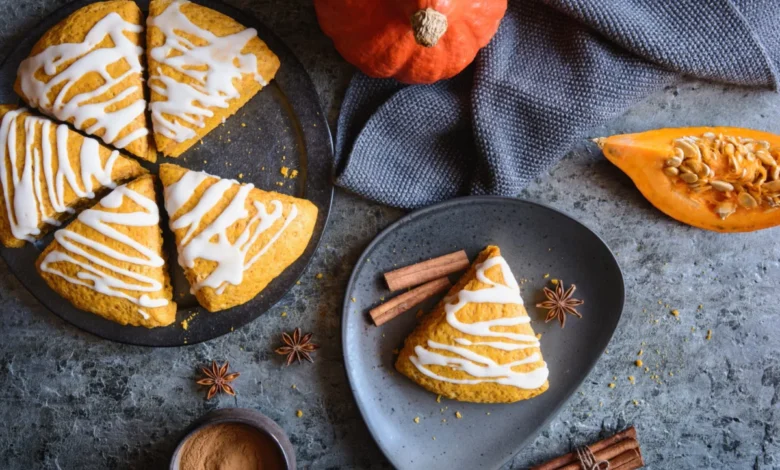
As the autumn season settles in and ambient temperatures begin to drop, domestic culinary trends shift decisively toward warm, comforting spices and hearty, seasonal produce. At the forefront of this seasonal baking revival is a culinary creation capturing the essence of fall: Pumpkin Scones with Maple Drizzle. Combining the natural moisture of pumpkin puree with a delicate balance of traditional autumn spices—cinnamon, ginger, nutmeg, and cloves—this baked good has swiftly become a staple for weekend breakfasts, after-school snacks, and festive brunches across households nationwide. Culinary experts and home bakers alike have embraced the recipe for its ability to deliver sophisticated bakery-style flavors without requiring advanced pastry techniques.
The Growing Popularity of Autumn Baking and Seasonal Flavor Profiles
The resurgence of pumpkin-flavored baked goods in contemporary home kitchens is part of a broader cultural and economic phenomenon that peaks annually between September and November. According to food industry market research, consumer demand for pumpkin spice-infused products spikes by over 40% during the autumn months, driven by a collective desire for comfort food that aligns with the changing foliage and cooler weather.
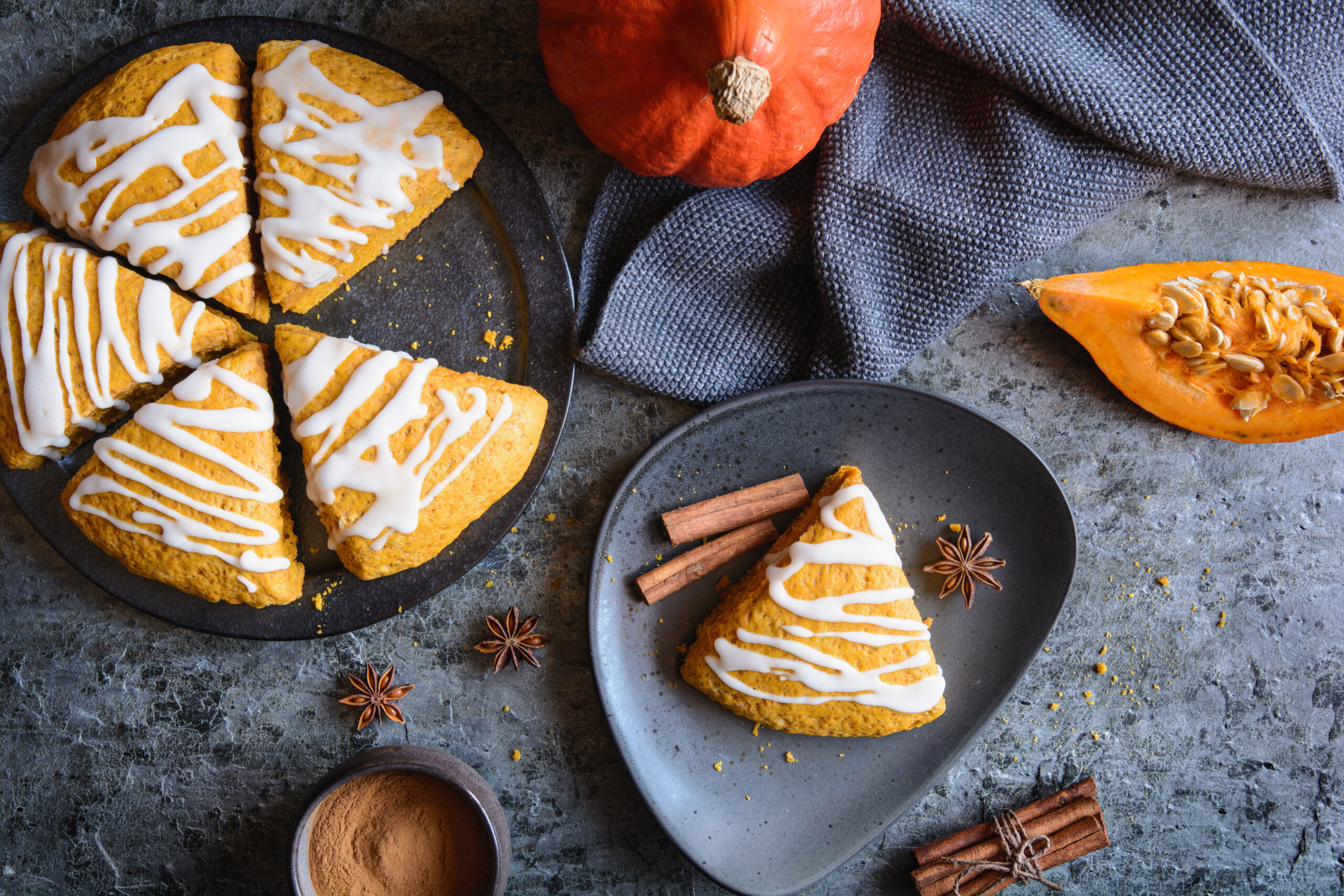
Historically, scones have sometimes earned an unfavorable reputation for being dry, crumbly, or overly dense. However, the incorporation of pumpkin puree serves a critical scientific function in modern baking. Unlike traditional dry scone recipes, pumpkin puree introduces natural moisture and structure, keeping the crumb exceptionally soft and tender. Paired with cold butter—which melts during the baking process to create steam pockets and flaky layers—the pumpkin scone bridges the gap between a rich pastry and a comforting quick bread. The addition of a simple yet refined maple glaze provides a measured sweetness that complements, rather than overpowers, the earthy warmth of the underlying spices.
Chronology and Evolution of the Recipe
The evolution of the modern pumpkin scone can be traced through decades of home-baking experimentation and commercial coffeehouse innovations. While early American baking relied heavily on dense, plain soda scones or heavy cream biscuits, the late 20th-century culinary boom introduced flavored variations tailored to regional crops and seasonal harvests.
In recent years, recipe developers and family-focused food publications have refined the pumpkin scone to maximize accessibility and success for everyday bakers. The standardized timeline for preparing these autumn treats has been optimized for efficiency:
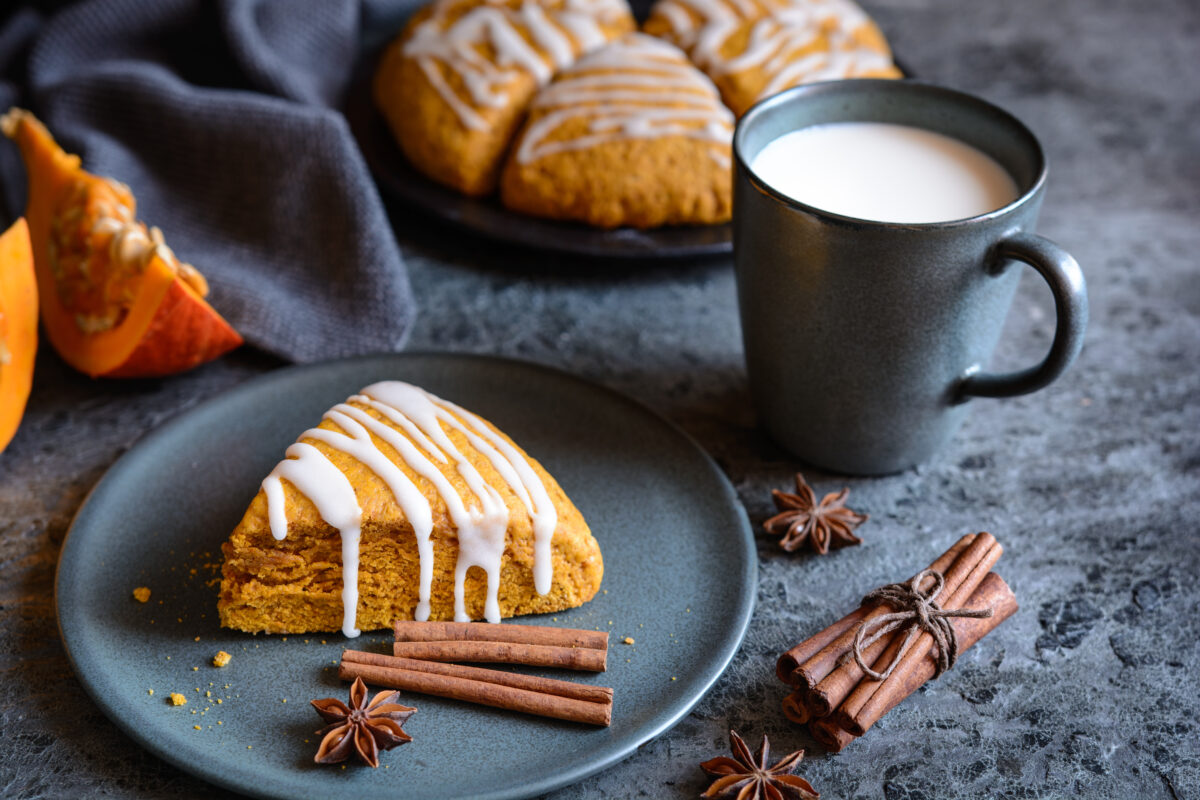
- Preparation (15 minutes): Involves whisking dry ingredients, cutting in cold butter, and gently folding in the wet mixture containing pumpkin puree and dairy.
- Baking (22 minutes): Executed at a precise temperature to ensure the exterior develops a light golden crust while the interior remains moist.
- Finishing (5 minutes): Cooling the scones completely before applying the powdered sugar and maple syrup drizzle to prevent the glaze from melting prematurely.
Expert Technical Tips for Flaky, Moist Scones
Achieving the ideal texture in a pumpkin scone requires adherence to strict baking science principles. Culinary instructors and professional pastry chefs emphasize several critical methodologies to avoid common pitfalls:
- Temperature Control: Maintaining cold butter is paramount. As solid pieces of butter melt in the hot oven, they release water vapor, creating the flaky layers characteristic of a superior scone. If kitchen temperatures are high, chilling the shaped dough in the refrigerator for 10 to 15 minutes prior to baking is strongly advised.
- Gluten Management: Overworking the dough is the primary cause of tough, dense scones. Stirring the ingredients only until they are just combined preserves a tender crumb structure.
- Ingredient Selection: Bakers must differentiate strictly between pure pumpkin puree and canned pumpkin pie filling. Puree consists solely of cooked, blended squash, whereas pie filling contains pre-blended sugars, corn syrup, and spices that will disrupt the structural integrity and flavor balance of a scratch-made recipe.
- Moisture Control: Because pumpkin contains a high water content, excess liquid can result in an overly sticky dough that requires additional flour, ultimately drying out the final product. Precise measuring and minimal flour dusting during the shaping phase are essential.
Customization and Dietary Adaptability
Modern culinary trends heavily emphasize dietary flexibility and personalization, allowing home cooks to modify base recipes to suit individual preferences or pantry inventories. The foundational pumpkin scone recipe lends itself to a wide array of creative variations:
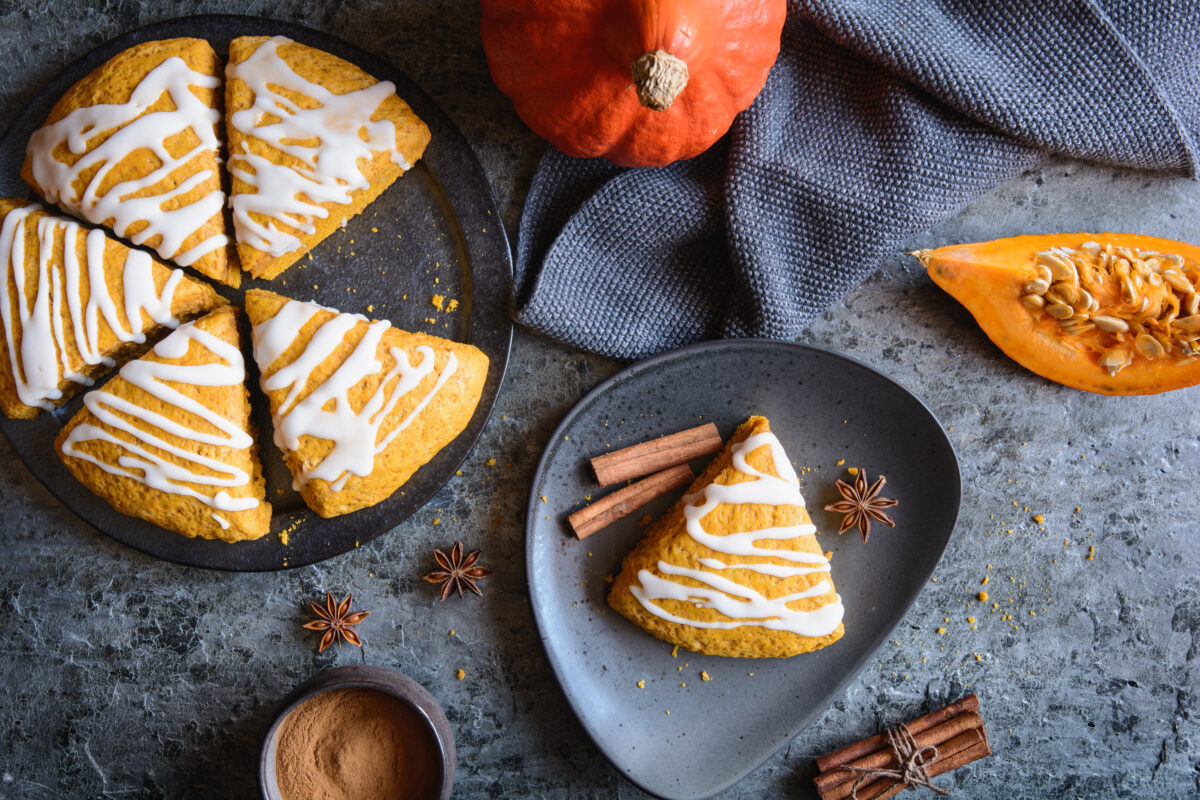
- Textural Additions: Folding in half a cup of mini chocolate chips, toasted and chopped pecans, or dried cranberries introduces contrasting textures and flavor profiles.
- Savory and Earthy Twists: Sprinkling raw pumpkin seeds (pepitas) over the unbaked dough adds a nutty crunch, while dusting with cinnamon sugar in lieu of the maple glaze caters to those preferring a less sticky finish.
- Citrus Infusion: Incorporating fresh orange zest into the scone dough paired with a splash of orange juice in the glaze offers a bright, acidic counterpoint to the warm autumn spices.
Storage, Freezing, and Make-Ahead Strategies
With busy schedules defining modern family life, make-ahead capabilities are a critical factor in the longevity of any baking recipe. Pumpkin scones offer exceptional versatility in storage and meal-prep planning:
- Short-Term Storage: Baked and cooled scones can be kept in an airtight container at room temperature for up to two days, or refrigerated for up to five days. Warming them briefly in a microwave or low-temperature oven restores their freshly baked texture.
- Freezing Baked Goods: Fully baked scones (ideally without the maple glaze applied) can be stored in a freezer-safe container for up to three months. They can be thawed at room temperature and warmed before glazing.
- Freezing Unbaked Dough: For the ultimate convenience, home bakers can shape the unbaked scone wedges, freeze them solid on a baking sheet, and transfer them to a freezer bag. They can be baked directly from the freezer by simply extending the baking time by a few minutes, ensuring fresh pastries are available on demand.
Broader Culinary Implications and Cultural Impact
The enduring popularity of pumpkin-flavored baked goods highlights a psychological connection between food, comfort, and seasonal transition. As society navigates increasingly fast-paced environments, traditional home baking acts as a grounding ritual. Activities like preparing homemade scones provide an opportunity for multi-generational engagement, allowing children and adults to collaborate in the kitchen.
Furthermore, the economic ripple effect of autumn baking extends to local agriculture and grocery supply chains. The demand for seasonal staples such as canned pumpkin, pure maple syrup, and baking spices generates a predictable seasonal revenue boost for agricultural producers and retailers.
Ultimately, the Pumpkin Scone with Maple Drizzle represents more than just a fleeting culinary fad. By balancing time-tested baking techniques with the comforting flavors of the harvest season, it secures its place as a enduring favorite for anyone looking to embrace the warmth and comfort of autumn through food.