The Essential Guide to Nutrient-Dense Iron-Rich Snacks for Growing Children

Ensuring children receive adequate iron intake is a fundamental component of pediatric nutrition, yet it remains a persistent challenge for parents and caregivers globally. Iron plays a critical role in the development of hemoglobin, the protein in red blood cells responsible for transporting oxygen throughout the body. When children fail to meet their daily iron requirements, the risk of iron-deficiency anemia—a condition that can lead to fatigue, cognitive impairment, and weakened immune function—rises significantly. To address this, nutritionists and pediatric health organizations are increasingly emphasizing the role of strategic, nutrient-dense snacking as a vital delivery mechanism for this essential mineral.
The Physiology and Requirements of Childhood Iron Intake
The body’s iron requirements fluctuate significantly throughout childhood, influenced by rapid growth spurts and metabolic changes. According to data provided by the Centers for Disease Control and Prevention (CDC) and the American Academy of Pediatrics (AAP), toddlers between the ages of 1 and 3 years require approximately 7 milligrams of iron per day. As children transition into the 4-to-8-year age bracket, that requirement increases to 10 milligrams daily.

Pediatricians note that the primary challenge is not necessarily the availability of iron-rich foods, but rather the palatability and ease of integration into a child’s daily routine. Because iron-deficiency anemia is the most common nutritional deficiency in children, experts suggest that parents look beyond traditional meal times. Incorporating iron into snacks allows for consistent intake without the pressure often associated with formal breakfast or dinner settings.
Chronology of Nutritional Shifts in Pediatric Diets
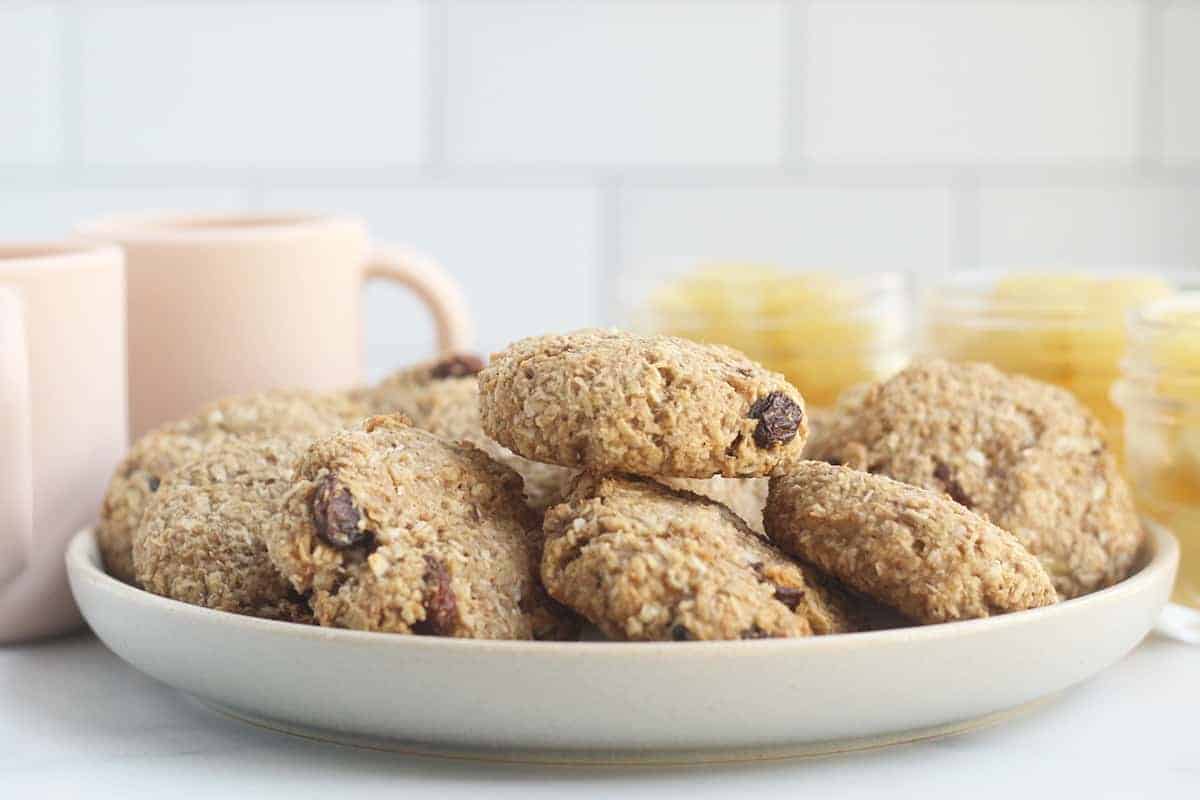
The focus on iron-fortified snacking is a relatively modern development in pediatric care, reflecting a shift from treating deficiencies to proactive dietary management. Historically, pediatric nutrition focused heavily on iron-fortified cereals for infants. However, as children transition to toddlerhood, they often become more selective with their food choices, leading to a decline in iron consumption.

In the last decade, food scientists and nutritionists have pivoted toward "stealth health" strategies—integrating iron-rich, plant-based sources like legumes, seeds, and fortified grains into snacks that appeal to the sensory preferences of children. This approach, which emphasizes texture, flavor, and convenience, has been instrumental in bridging the gap between clinical recommendations and household implementation.
Strategies for Effective Iron Integration
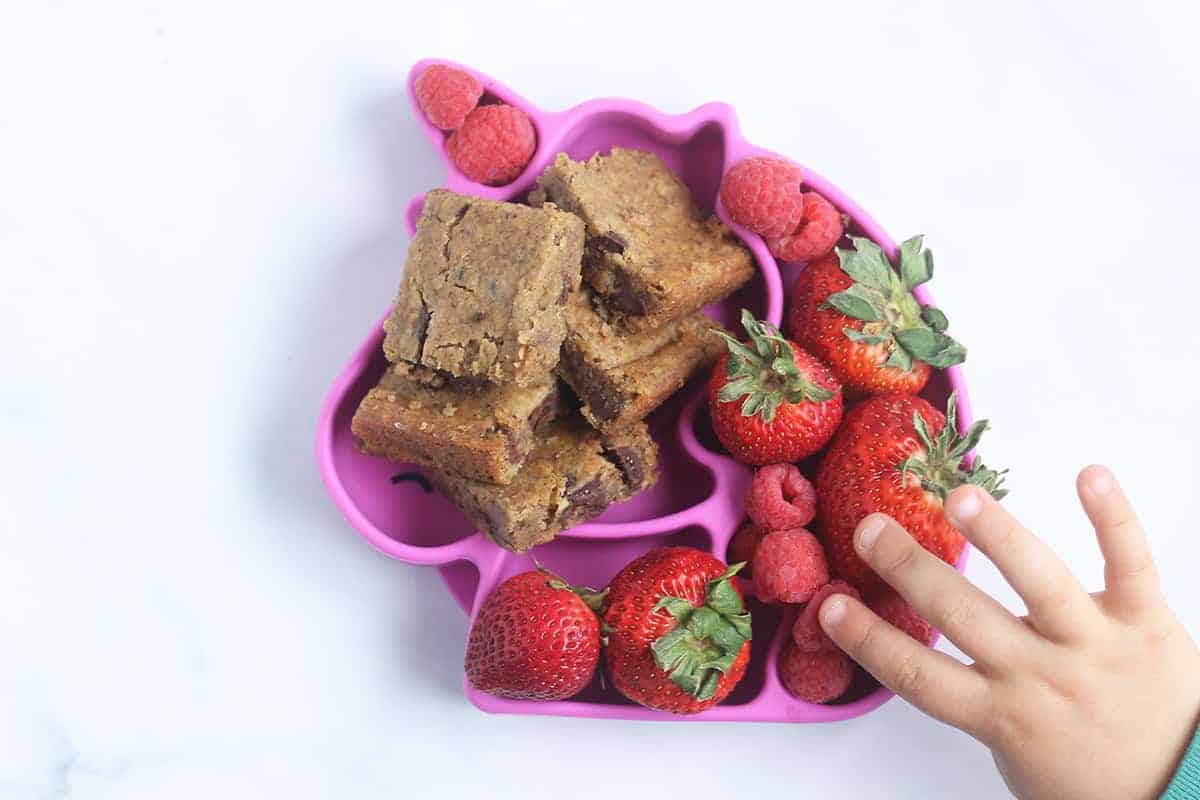
To maximize the impact of these snacks, it is important to understand the two forms of dietary iron: heme iron (found in animal products) and non-heme iron (found in plant-based sources). While heme iron is absorbed more readily, non-heme iron is more prevalent in the snacks that children are likely to consume. To improve the absorption of non-heme iron, nutritionists recommend pairing these snacks with foods high in Vitamin C, such as strawberries, citrus fruits, or bell peppers.
The Role of Legumes and Whole Grains
Legumes, particularly chickpeas, serve as an ideal base for many snack recipes due to their versatility. Chickpeas are rich in non-heme iron and can be processed into cookie doughs, blondies, or fritters. By utilizing oat flour or whole-grain oats in these recipes, the iron density is further bolstered. For example, replacing refined flour with oat flour in baked goods like muffins or bread provides a secondary source of iron and essential fiber.
Nutrient-Dense Baking and Preparation
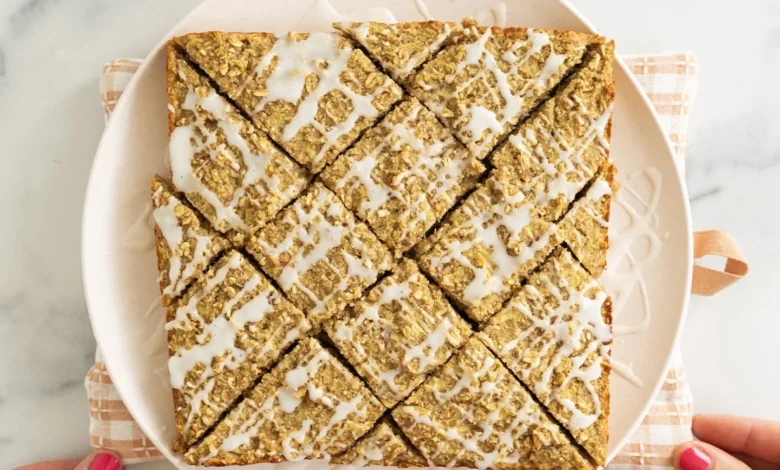
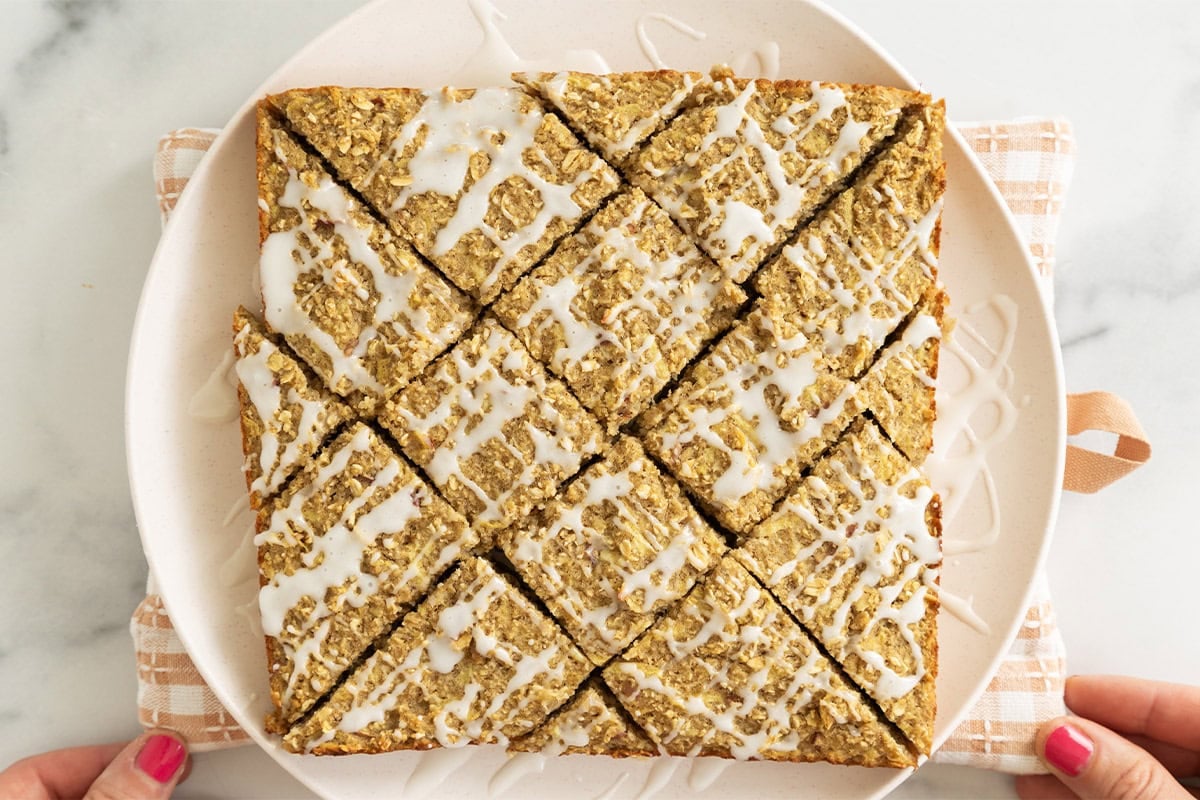
Baking, when approached with a nutritional framework, transforms traditional snacks into functional foods. Oatmeal bars, for instance, can be enriched by adding seeds like chia or flax, which contribute both iron and Omega-3 fatty acids. Similarly, the use of pumpkin puree in breads and muffins provides a nutrient-dense foundation that complements the iron found in whole-grain additions.
Data-Driven Snack Profiles
To assist in meeting the daily 7-10 mg requirement, each snack selection should ideally contain between 1-2 milligrams of iron per serving. The following categories provide a framework for parents to diversify their offerings:
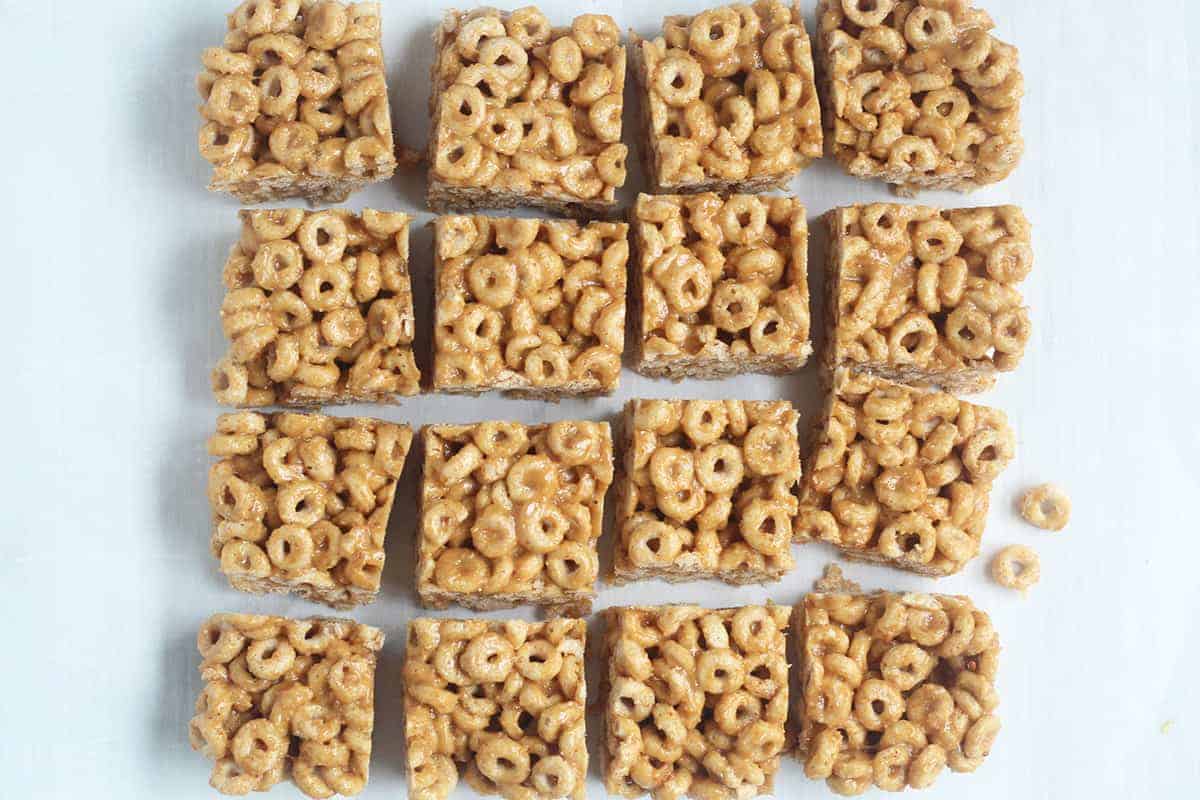
- Protein-Packed Baked Goods: Double-chocolate muffins utilizing Greek yogurt and whole grains; pumpkin oatmeal bread; and cereal bars made with iron-fortified pantry staples.
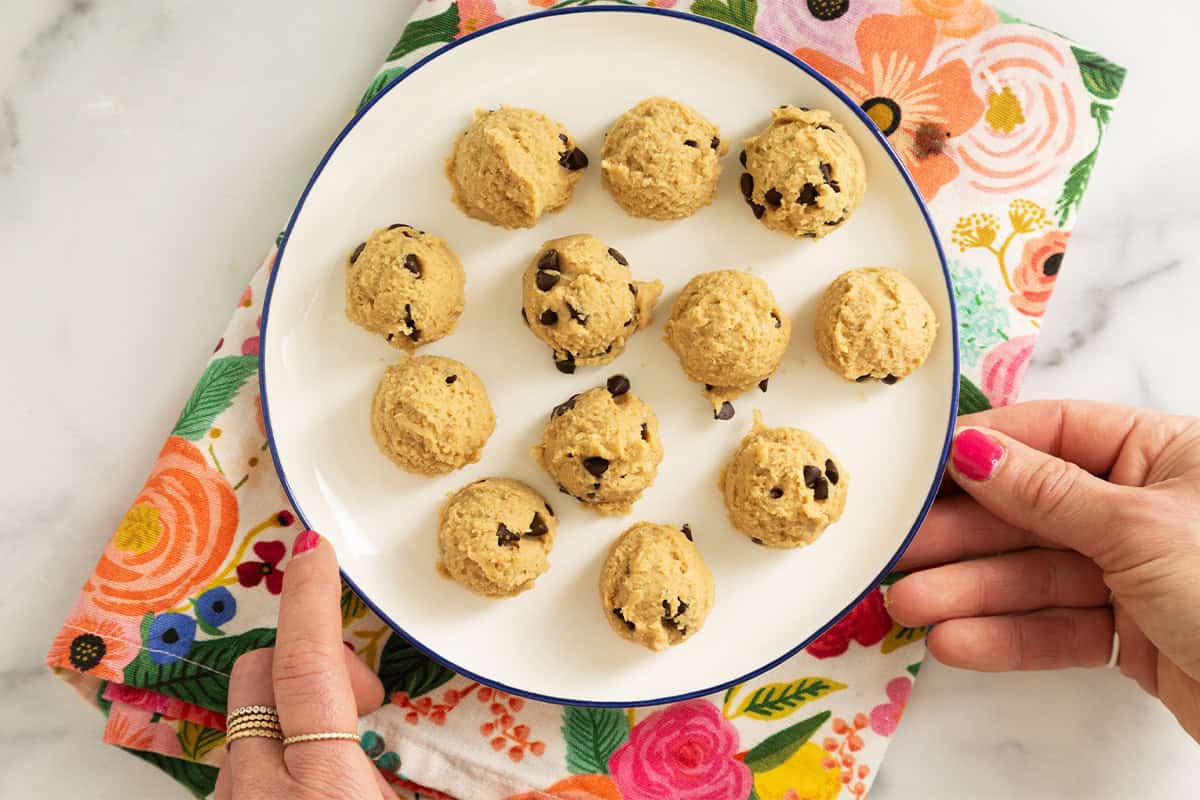
- No-Bake Energy Solutions: Chickpea-based cookie dough, which reduces added sugars while providing a shelf-stable protein and iron source; pumpkin protein balls; and oat-based bites.
- Fresh and Hydrating Options: Freshly prepared strawberry juice, which, when consumed alongside iron-rich solid foods, provides the necessary Vitamin C to facilitate mineral absorption.
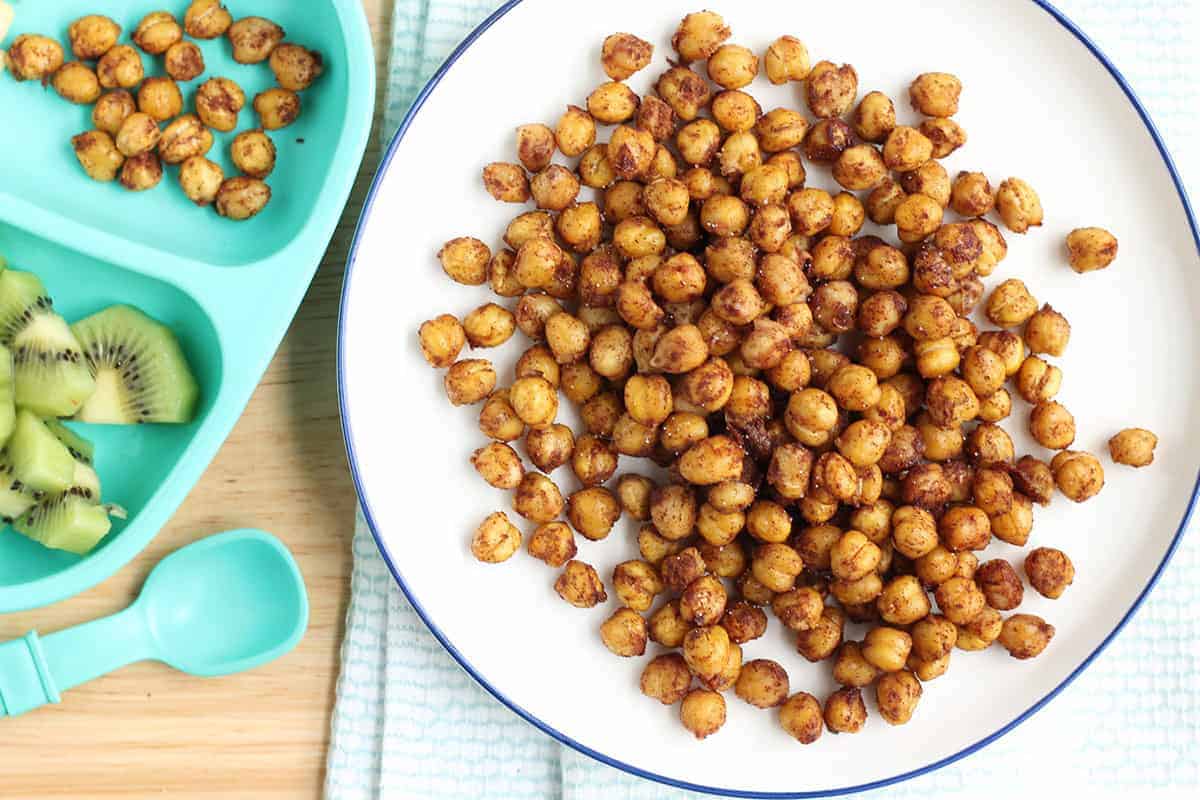
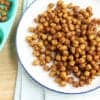
- Savory Alternatives: Chickpea fritters or roasted chickpeas seasoned with cinnamon or mild savory spices, offering a crunch that mimics processed crackers while providing significantly higher nutritional value.
Broader Implications for Public Health
The prevalence of iron-deficiency anemia in children has far-reaching implications for public health. Clinical studies have consistently shown that children with iron deficiency exhibit lower scores on cognitive development assessments and face higher susceptibility to infections. By making iron-rich snacking a standard practice in childcare and early education settings, the healthcare community hopes to normalize these nutrient-dense habits.

Furthermore, the economic impact of childhood nutritional health cannot be overstated. Proactive nutrition reduces the burden on public health systems by preventing the long-term developmental complications associated with chronic anemia. Experts advocate for simplified, accessible recipes that do not require expensive ingredients or specialized culinary skills, ensuring that the benefits of iron-rich snacking are available to families across all socioeconomic backgrounds.
Official Responses and Future Directions
The current trend in pediatric nutrition reflects a move away from rigid, prescriptive meal plans toward a more flexible, lifestyle-oriented approach. Organizations such as the Mayo Clinic and the CDC emphasize that parental modeling is a key factor in long-term success. When children observe their caregivers consuming and enjoying iron-rich snacks, they are significantly more likely to develop lifelong healthy eating behaviors.
Looking forward, the food industry is expected to see an increase in the availability of "clean label" snacks that prioritize these specific micronutrients. As public awareness regarding iron deficiency grows, so too does the demand for transparent, iron-rich alternatives to high-sugar, low-nutrient snacks currently dominating the children’s snack market.

Conclusion: A Sustainable Approach to Wellness
Integrating iron into a child’s diet does not require radical changes to daily routines. By prioritizing simple, repeatable, and enjoyable recipes—such as swapping traditional cookies for chickpea-based blondies or introducing oat-based cups—parents can make a meaningful difference in their child’s long-term health. The goal is not perfection, but rather the consistent inclusion of iron-dense foods that fit seamlessly into the busy lives of modern families. Through small, strategic dietary adjustments, caregivers can ensure that children are not only meeting their daily requirements but are also establishing a healthy foundation for the years to come. By focusing on accessibility, flavor, and scientific efficacy, the paradigm of pediatric nutrition continues to evolve toward a more sustainable and effective model for future generations.