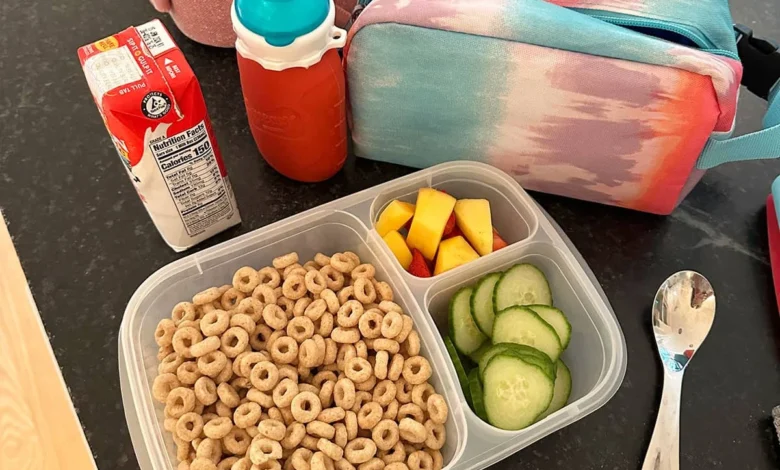
The perennial challenge of feeding children, particularly during the summer months when established routines are disrupted, is a topic of constant discussion among parents. YummyToddlerFood.com, a platform dedicated to offering practical solutions for family mealtimes, has initiated a recurring series to provide an unfiltered look at actual meals served, aiming to offer relatable and achievable ideas for busy households. The latest installment focuses on "real life" summer lunches, acknowledging the often-unrealistic portrayals of children’s meals found elsewhere online. This approach seeks to demystify meal preparation by showcasing what is truly being served, rather than aspirational ideals.
The Reality of Summer Family Lunches
The series is presented as a direct response to the abundance of highly curated and often impractical meal ideas circulating on social media and parenting blogs. The author of YummyToddlerFood.com emphasizes that the content shared is not about perfectly arranged bento boxes or elaborate culinary creations, but rather about meals that are genuinely prepared and consumed within a family setting. This focus on authenticity is intended to resonate with parents who may feel pressured by unattainable standards. The summer season, in particular, presents unique challenges, including altered schedules due to vacations, summer camps, and increased time spent at home, all of which can impact meal planning and preparation. The goal is to provide a practical toolkit of ideas that can be easily integrated into the daily rhythm of family life, offering a sense of relief and shared experience.
The initiative stems from a broader understanding of the pressures faced by modern parents. According to a 2023 survey by the American Academy of Pediatrics, over 60% of parents report feeling stressed about their children’s eating habits. This stress is often exacerbated by conflicting information and the visual overload of idealized meal content. By presenting "real-life" examples, YummyToddlerFood.com aims to counter this narrative and foster a more supportive and realistic community around family nutrition.
Community Engagement and Subscriber Content
The full insights and details of this "week of real-life summer lunches" are made available exclusively to paid subscribers of the YTF Community. This tiered access model is a common practice among content creators who offer a significant amount of free material. The platform explains that the vast majority of its content is freely accessible year-round, with premium content designed to offer deeper engagement and exclusive benefits to its most dedicated supporters.
Subscribers to the YTF Community gain access to a range of exclusive features designed to enhance their family’s mealtime experience. These benefits include paywalled essays that delve deeper into specific nutrition and feeding topics, the opportunity to engage in discussions and comment with other members, weekly customizable meal plans that can be tailored to individual family needs and preferences, bonus recipes that complement the weekly themes, and a variety of other engaging content and perks. This subscription model allows the platform to continue providing a wealth of free resources while offering added value to those who wish to support its work more directly.
The decision to place certain content behind a paywall is often driven by the resources and time required to produce high-quality, specialized content. For YummyToddlerFood.com, this likely includes research, recipe development, photography, and community management. By offering a paid subscription, the platform can ensure its sustainability and continue to serve its audience effectively. For parents interested in this specific topic, upgrading to a paid subscription is presented as the primary pathway to accessing the complete article and participating in the ongoing dialogue.
Additional Resources for Members
Beyond the weekly meal-sharing series, the YTF Community provides a comprehensive suite of resources designed to empower parents in their food-related endeavors. These resources are aimed at simplifying various aspects of family nutrition, from planning to execution.
Meal Planning and Organization
- How to Create a Custom Meal Plan: This guide offers strategies and tools for parents to develop personalized meal plans that cater to their family’s dietary needs, preferences, and schedules. Effective meal planning is a cornerstone of reducing food waste and ensuring balanced nutrition throughout the week. Data from the USDA indicates that households can save an average of $250 per year by reducing food waste through better planning.
- How to Make a Shopping List: Complementing meal planning, this resource focuses on efficient grocery shopping. It provides tips on creating organized shopping lists that align with meal plans, helping to prevent impulse buys and ensuring that all necessary ingredients are purchased. This practice not only saves money but also reduces the frequency of grocery store visits.
Recipe Management and Account Services
- Your Recipe Collections: This feature allows members to organize and access their favorite recipes from the YummyToddlerFood.com platform. The ability to curate personal recipe collections can significantly streamline the cooking process and provide quick access to tried-and-true family favorites.
- Manage Your Account: For subscribers, this section provides straightforward access to manage their membership details, including subscription status, payment information, and personal profile settings. This ensures a seamless and transparent user experience.
The provision of these supplementary resources underscores YummyToddlerFood.com’s commitment to offering a holistic approach to family feeding. By addressing not only the "what" of meals but also the "how" of planning and shopping, the platform aims to equip parents with the skills and confidence to navigate the complexities of feeding their families nutritiously and efficiently. The emphasis on customization and practicality is key to its appeal, particularly for parents who juggle multiple responsibilities.