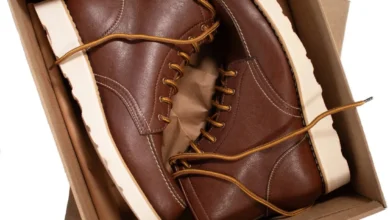
Scotland is leading the way in helping to build a more sustainable fashion industry through a new wave of ethical and circular clothing brands.


Despite a modest population of 5.4 million, Scotland has emerged as a global hub for sustainable textile innovation. The country’s fashion landscape is currently undergoing a structural transformation, moving away from the high-volume, low-cost model of "fast fashion" toward a circular economy characterized by local sourcing, zero-waste manufacturing, and a commitment to longevity. This shift is not merely a trend but a strategic response to the global fashion industry’s environmental impact, which is responsible for approximately 10% of global carbon emissions and significant water pollution.

The Evolution of Scottish Sustainable Fashion
The Scottish textile industry has long been rooted in heritage, particularly in cashmere and wool production. However, the last three decades have seen this traditional sector pivot toward modern ethical standards. The movement toward sustainability is supported by both independent entrepreneurs and established heritage brands that have adapted their supply chains to meet modern environmental, social, and governance (ESG) criteria.
The industry’s current trajectory can be traced back to a growing consumer demand for transparency. According to recent industry reports, over 60% of UK consumers now consider sustainability a primary factor when making clothing purchases. Scottish designers have capitalized on this by emphasizing regional manufacturing, which reduces the carbon footprint associated with international logistics.

Key Players and Operational Standards
The transformation is exemplified by a diverse group of companies currently operating across Scotland, from the Borders to the Orkney Islands.
Brora, a staple of the Scottish knitwear scene for over 30 years, has integrated high-level social accountability into its core business model. By achieving B-Corp certification in 2025, the brand has subjected its operations to independent audits regarding environmental performance and worker welfare. This certification serves as a benchmark for the industry, ensuring that natural fibres like Scottish cashmere and wool are handled with strict oversight.

Similarly, Prickly Thistle, based in Dingwall, represents the intersection of tradition and modern circularity. By operating a renewable energy-powered mill and eschewing hardware such as zips or buttons—which often hinder the recyclability of garments—the company has effectively removed common barriers to circular design. The brand’s reliance on adjustable, buckle-based sizing reflects a shift toward garments that adapt to the wearer over time, further extending the product lifecycle.
In the Scottish Borders, Findra has addressed the environmental impact of synthetic activewear by incorporating recycled fabrics and establishing a domestic repair service. This "repair-over-replace" philosophy is a growing trend among Scottish firms, which aim to keep garments in circulation for as long as possible.

Circularity as an Economic Driver
The concept of circularity—designing products to be reused, repaired, or recycled—is central to the Scottish approach. Second Cashmere, based in Glasgow, provides a tangible example of this economic model. By reclaiming waste cashmere that would otherwise be destined for landfills, the firm restores textiles to their original quality. This process not only preserves high-quality fibres but also significantly reduces the demand for new virgin raw materials, the extraction of which is often resource-intensive.
In Edinburgh, Godiva has adopted a multifaceted approach to retail by combining vintage selections with an in-house "Reworked" range. This model addresses the issue of textile waste at the point of sale, offering consumers alternatives to mass-produced items while supporting local independent designers.

Structural Integrity and Transparency
Transparency in the supply chain remains the most significant challenge for the global fashion industry. Beira, a brand focused on zero-waste luxury, has set a new standard by publishing detailed information for each garment, including the hourly wages paid to the makers and comprehensive documentation on fabric sourcing. This level of disclosure provides consumers with the data necessary to make informed ethical choices.
Other brands, such as The Croft House in Peterhead and Hilary Grant in Orkney, have focused on regionalizing their production. By sourcing raw materials within the UK and utilizing seamless knitting techniques to eliminate fabric scrap, these companies demonstrate that geographical proximity in the supply chain can significantly reduce environmental impact.

Market Implications and Future Outlook
The rise of these 11 brands—which also include the tailored, made-to-order expertise of Totty Rocks and the high-quality menswear of Kestin—signals a broader shift in the Scottish economy. As international regulations regarding corporate sustainability reporting become more stringent, these smaller, agile brands are well-positioned to lead.
The broader implications of this movement are threefold:

- Economic Resilience: By focusing on local manufacturing and heritage skills, Scotland is preserving a specialized workforce that might otherwise be lost to offshoring.
- Environmental Mitigation: The shift toward natural, non-mulesed fibres and renewable energy in production lowers the aggregate environmental impact of the Scottish clothing sector.
- Consumer Education: Through initiatives like repair services and transparency reports, these brands are educating the public on the true cost of clothing, encouraging a slower, more deliberate consumption cycle.
Challenges and Regulatory Context
While the momentum is positive, the industry faces systemic challenges. The "fast fashion" model still accounts for a large share of the market due to price accessibility. Furthermore, the cost of sustainable production, which includes fair wages and high-quality raw materials, inevitably leads to higher retail prices.
However, the industry is supported by an increasingly robust regulatory framework. The UK government’s commitment to achieving net-zero emissions by 2050 has placed pressure on manufacturing sectors to decarbonize. The Scottish brands mentioned above are operating in alignment with these national goals, often exceeding the required standards.

Conclusion
The Scottish sustainable fashion movement is not just a collection of independent businesses; it is an emerging economic ecosystem. By prioritizing durability, circularity, and ethical labor practices, these brands are demonstrating that a more sustainable fashion industry is not only possible but commercially viable. As global awareness regarding the climate crisis continues to intensify, the practices established by these Scottish companies may serve as a blueprint for the wider international textile industry. The integration of traditional craftsmanship with modern environmental science represents a significant step forward in the quest to reconcile the desire for fashion with the necessity of planetary health.
Related posts: