Shepherd’s Pie with Cauliflower Crust Offers a Lighter, Nutrient-Dense Take on Traditional Comfort Food

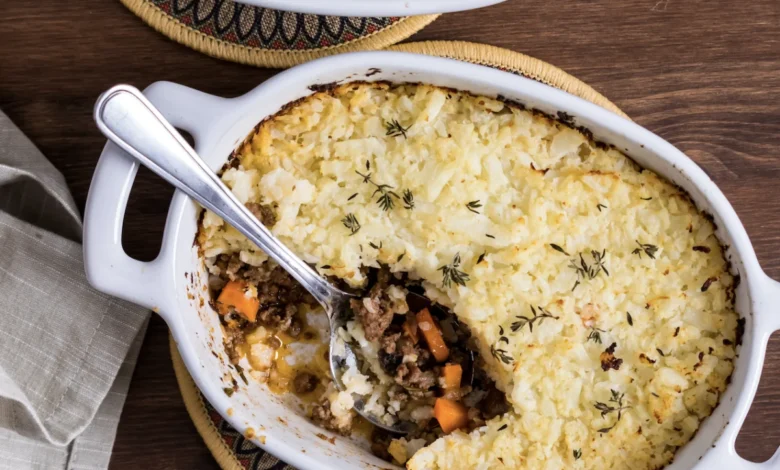
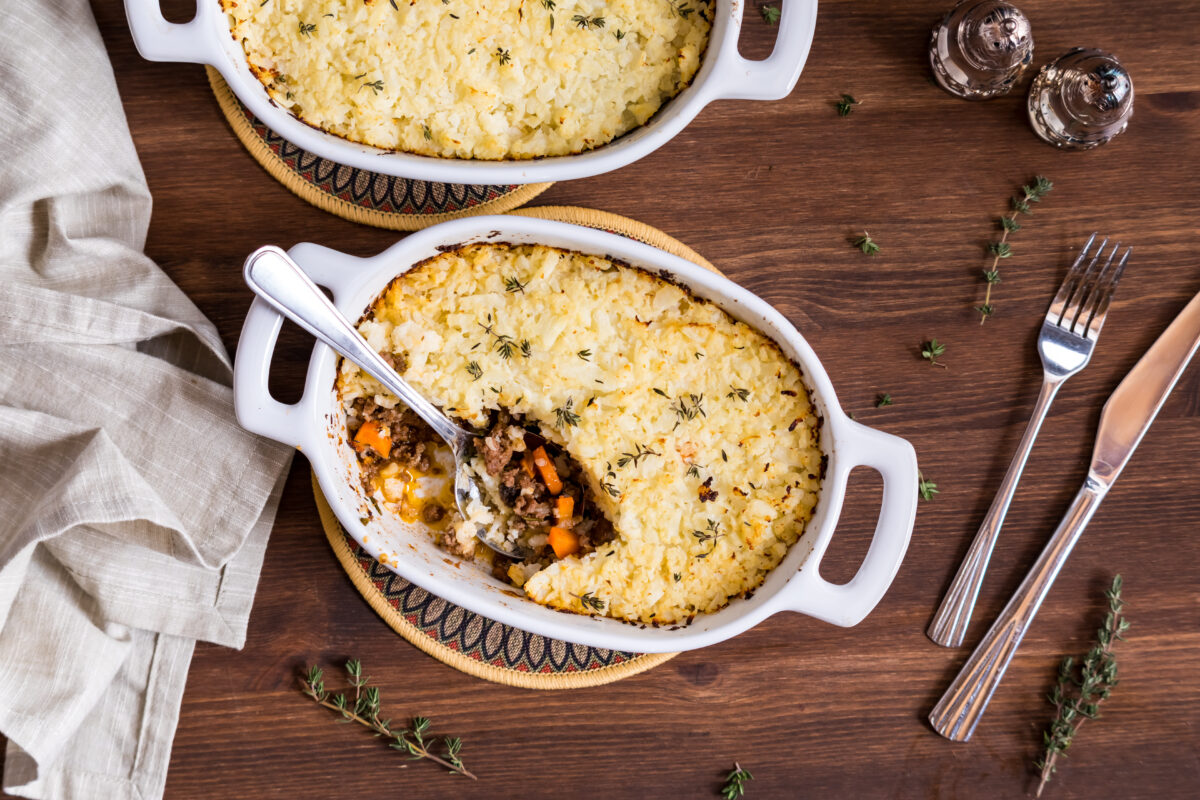
Culinary innovators and nutritionists are increasingly looking toward clever substitutions to transform heavy comfort foods into nutrient-dense, lower-carbohydrate meals without sacrificing flavor or satisfaction. A prime example gaining traction in contemporary home kitchens and family dining circles is the reinvented shepherd’s pie, which swaps the traditional carbohydrate-heavy mashed potato topping for a velvety, protein-boosted layer of mashed cauliflower. This modern adaptation retains the rich, savory meat and vegetable base that has defined the classic casserole for generations while significantly increasing the dish’s overall vegetable content and aligning with contemporary dietary preferences.
Evolution of a Classic Comfort Food
To understand the appeal of this modern iteration, culinary historians often look back at the origins of the traditional dish. Historically, shepherd’s pie originated in the United Kingdom and Ireland during the late 18th and early 19th centuries as a resourceful way for rural working-class families to utilize leftover roasted meats. Ground lamb—hence the name shepherd’s pie—was mixed with root vegetables such as onions, carrots, and peas, bound with gravy, and capped with a protective crust of mashed potatoes that browned nicely in the oven.
Over the decades, variations emerged, most notably the "cottage pie," which substitutes beef for lamb. As global food culture evolved, home cooks began experimenting with alternative toppings to accommodate changing dietary needs, including gluten-free, dairy-free, and lower-glycemic lifestyles. The integration of cauliflower as a potato substitute represents a significant milestone in this evolution, driven by a broader consumer demand for vegetable-forward cooking, blood-sugar management, and increased daily fiber intake.
Nutritional Profile and Dietary Advantages
Nutrition experts and dietitians frequently highlight cruciferous vegetables, such as cauliflower, for their exceptional health benefits. Cauliflower is naturally low in calories and carbohydrates while being exceptionally high in vitamins C, K, and B6, as well as folate, potassium, and powerful antioxidants like glucosinolates and isothiocyanates, which are linked to cellular health and reduced inflammation.
By replacing starchy potatoes with a whipped cauliflower topping enhanced with Greek yogurt and Parmesan cheese, the dish achieves a dramatic reduction in simple carbohydrates while maintaining a creamy texture. Furthermore, the inclusion of Greek yogurt introduces a dose of dairy protein and probiotics, elevating the nutritional density of the meal. This balance of protein, healthy fats, and high-fiber vegetables provides sustained energy, preventing the post-meal lethargy often associated with heavy comfort foods.
Mastering the Culinary Technique: Moisture Control
While the health benefits are clear, culinary professionals note that substituting cauliflower for potatoes presents a distinct technical challenge: moisture content. Unlike potatoes, which are dense and starchy, cauliflower is composed of approximately 92% water. If not properly managed, this excess moisture can seep into the savory meat filling, resulting in a watery casserole rather than a cohesive, sliceable pie.
To achieve a velvety, stable crust, professional chefs and home-cooking experts recommend a multi-step reduction process:
- Thorough Draining: After boiling or steaming the cauliflower florets until fork-tender, the water must be drained completely, allowing the vegetable to steam-dry in a colander for several minutes.
- Evaporation: Returning the drained cauliflower to the warm cooking pot over low heat for one to two minutes allows residual moisture to evaporate.
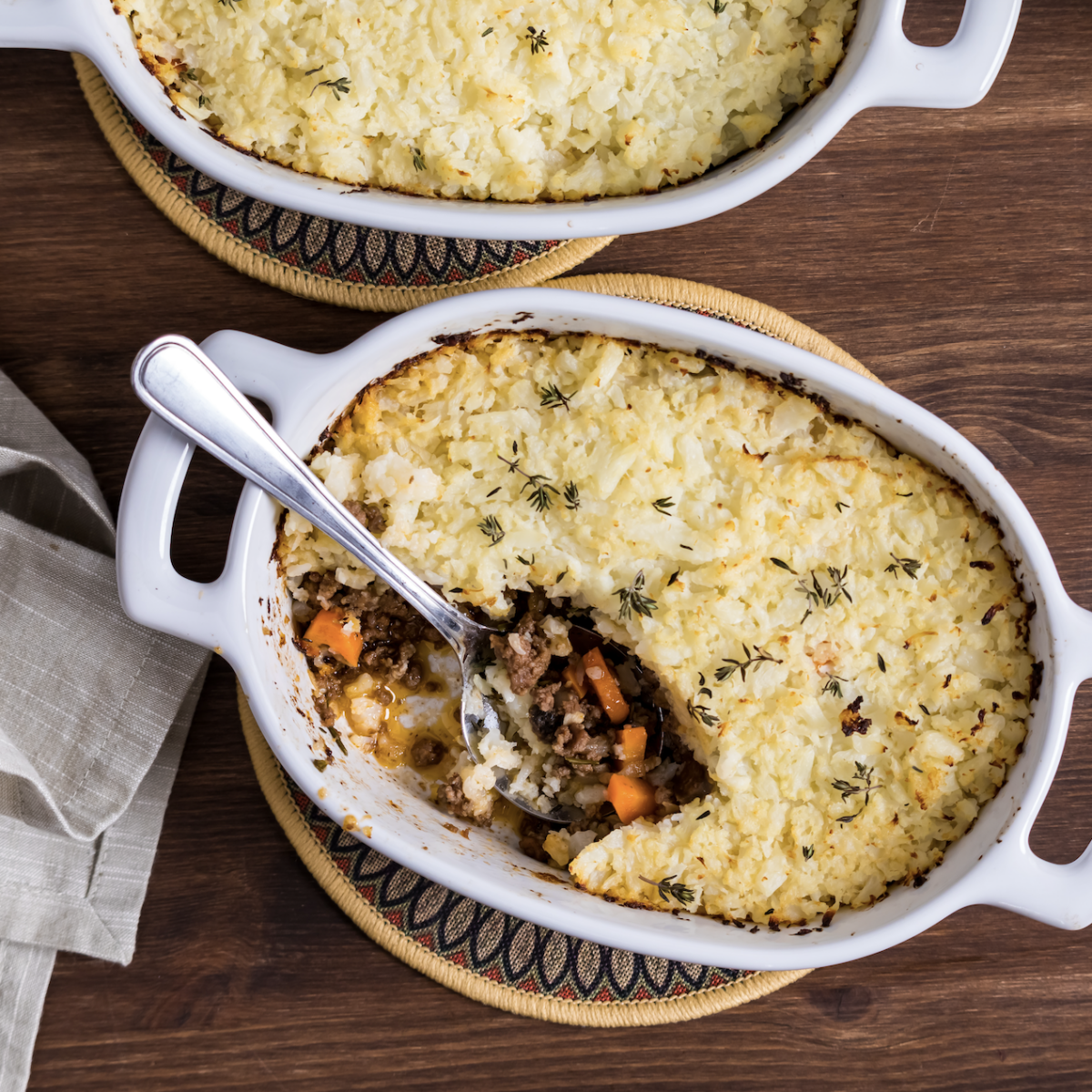
- Binding Agents: Blending the dry cauliflower with moisture-absorbing ingredients, such as grated Parmesan cheese and strained Greek yogurt, stabilizes the mixture and provides structural integrity during baking.
- Surface Texturing: Creating ridges on the surface of the mash with a fork prior to baking increases surface area, allowing the edges to brown and crisp up appealingly in the oven.
Versatility and Meal-Prep Utility
In addition to its nutritional advantages, the cauliflower-topped shepherd’s pie has earned praise from culinary coordinators and busy families for its exceptional adaptability and suitability for meal planning. Modern busy households require meals that can be prepared in advance, frozen, and reheated without a significant loss in texture or flavor.
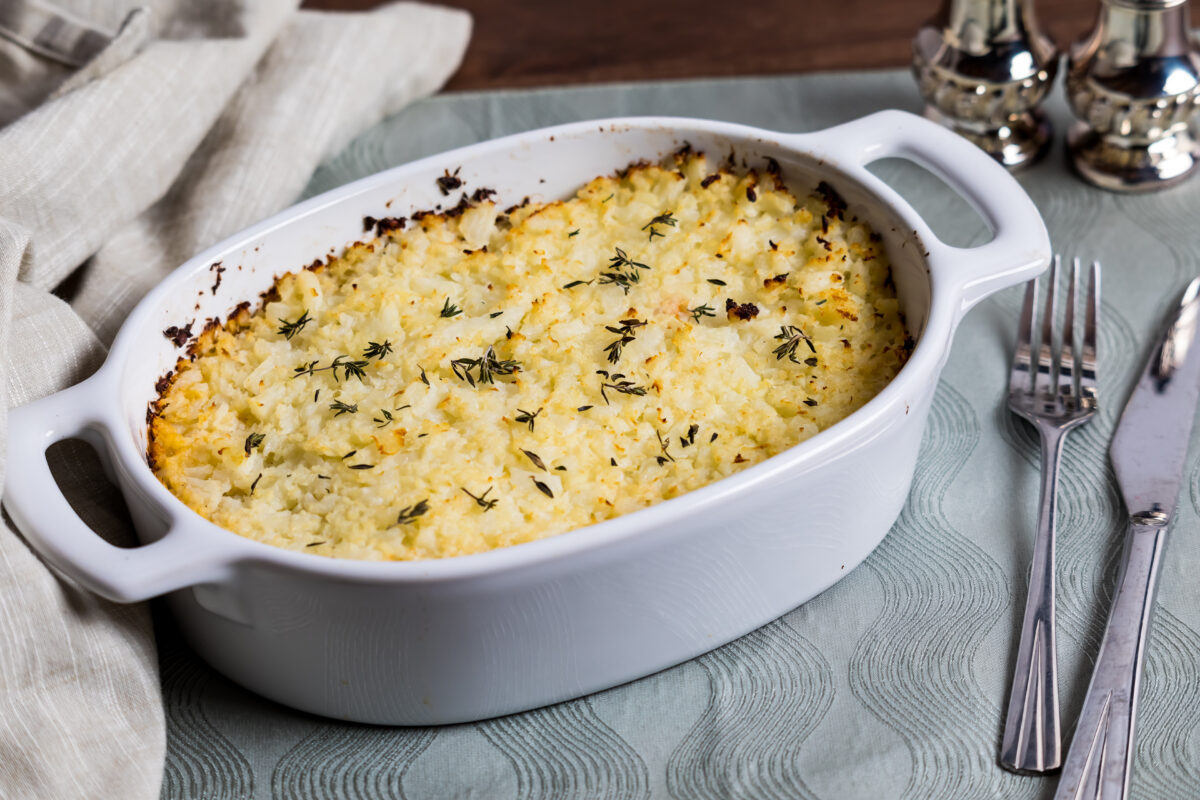
Culinary tests indicate that the assembled casserole can be prepared up to 24 hours in advance and stored in the refrigerator, making it an ideal option for weeknight dinners. Furthermore, the dish freezes well for up to three months when wrapped correctly. For households with diverse dietary restrictions, the base recipe is easily customized: mushrooms and lentils can replace the meat for a vegetarian variation, sweet potato can be blended into the cauliflower for a touch of natural sweetness, and various cheeses can be incorporated to alter the flavor profile.
Broader Industry Implications and Future Trends
The rising popularity of dishes like the cauliflower-crust shepherd’s pie reflects a broader cultural shift toward "stealth health"—the practice of incorporating nutrient-dense vegetables into familiar, comforting meals. Food industry analysts note that consumers are increasingly reluctant to compromise on taste for the sake of nutrition. Instead, the market is favoring hybrid recipes that honor culinary heritage while modernizing ingredient lists.
As home cooking continues to prioritize wellness, immune support, and efficient meal preparation, vegetable-forward comfort foods are expected to remain a staple in modern cookbooks and online culinary platforms. By reimagining traditional favorites through a nutritional lens, home cooks can enjoy the psychological and emotional comfort of classic comfort food while supporting their long-term health and wellness goals.