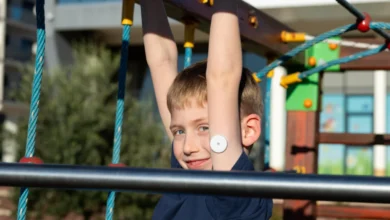
The Lived Experience Advantage: How a Mother-Daughter Duo Is Reshaping Type 1 Diabetes Research Through Breakthrough T1D

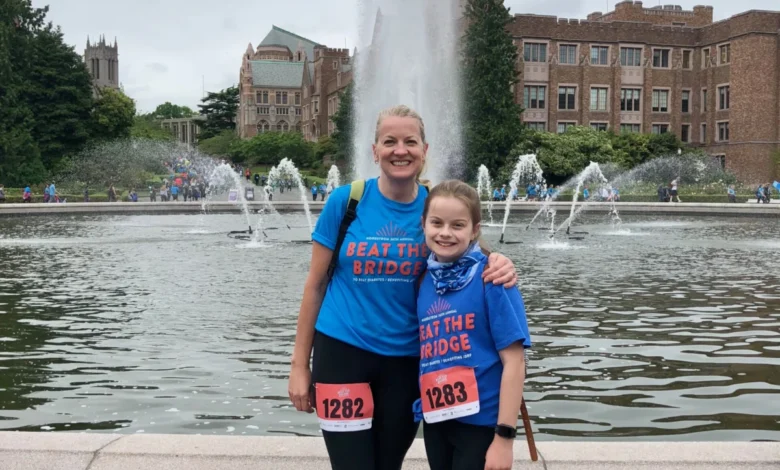
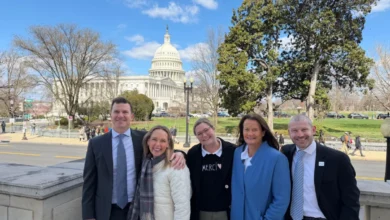
The intersection of medical research and patient advocacy has undergone a profound transformation over the past decade, shifting from a model where patients are passive subjects of clinical trials to one where they act as active architects of scientific studies. At the forefront of this paradigm shift are families who navigate the daily realities of chronic conditions like type 1 diabetes (T1D). Among them, the mother-daughter advocacy team of Loraine and Natalie Brogan has emerged as a compelling voice for patient-centric research. Serving as long-time supporters, advocates, and members of the Breakthrough T1D Participant Advisory Council (PAC), the Brogans exemplify how integrating lived experience into clinical trial design can humanize research, reduce participant burden, and ultimately accelerate breakthroughs.
This article reflects the perspectives and experiences of the authors. The views and opinions expressed in this report are those of Loraine and Natalie Brogan and do not necessarily reflect the official policy, position, or institutional stance of Breakthrough T1D, its leadership, employees, or broader network of supporters. Nonetheless, their journey offers valuable insights into the expanding role of patient and caregiver advisory boards in modern medical science.
A New Reality: The Day the Diagnosis Changes Everything
For the Brogan family, the trajectory of their lives altered overnight when Natalie was diagnosed with type 1 diabetes at just nine years old. Type 1 diabetes is a chronic autoimmune condition characterized by the destruction of insulin-producing beta cells in the pancreas, rendering the body incapable of regulating blood glucose levels independently. Unlike type 2 diabetes, which is often associated with insulin resistance and lifestyle factors, T1D requires an immediate, lifelong regimen of exogenous insulin delivery, meticulous carbohydrate counting, continuous blood-glucose monitoring, and around-the-clock vigilance.
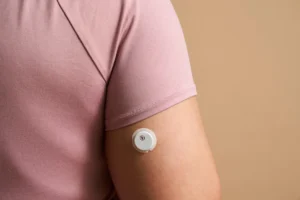
Nothing prepares a family for the sudden introduction of continuous medical jargon into domestic life. Within hours of a diagnosis, parents and children alike are thrust into an intense educational crash course encompassing insulin-to-carb ratios, correction factors, basal rates, subcutaneous injection sites, and continuous glucose monitor (CGM) alarms.
While the physical routine of finger-prick blood tests, pump site changes, and midnight corrections quickly becomes second nature, families soon confront an invisible companion: emotional exhaustion. The psychological toll of T1D management—characterized by chronic anxiety over nocturnal hypoglycemia, the persistent pressure of maintaining time-in-range metrics, and the social isolation of feeling different from peers—represents a formidable challenge. As children grow into adolescence and seek independence, families must delicately calibrate the balance between physical safety, medical autonomy, and emotional well-being.
Toward a Different Future: The Evolution of Patient Advocacy
Over the years, the Brogan family found resilience within the broader T1D community, anchoring their hope in the steady march of scientific progress. For families living with chronic illnesses, medical research functions as more than an academic pursuit; it serves as a psychological lifeline, offering the tangible promise of a future where daily disease management looks radically different.
Natalie’s connection to this scientific mission deepened significantly when she participated in a two-year pilot project at Seattle Children’s Research Institute. In this collaborative space, Natalie contributed her direct insights to the development of youth-centered educational curricula. Working alongside researchers, she witnessed firsthand how thoughtfully designed studies could elevate and support families rather than overwhelm them.
This early exposure to clinical development had a transformative effect. Watching her daughter engage with researchers—asking rigorous questions, analyzing study frameworks, and recognizing that clinical science fundamentally revolves around human lives rather than cold data points—Loraine observed a profound awakening in Natalie. It was during this period that Natalie articulated a future career ambition: to become a pediatric endocrinologist.
The Path to the Participant Advisory Council
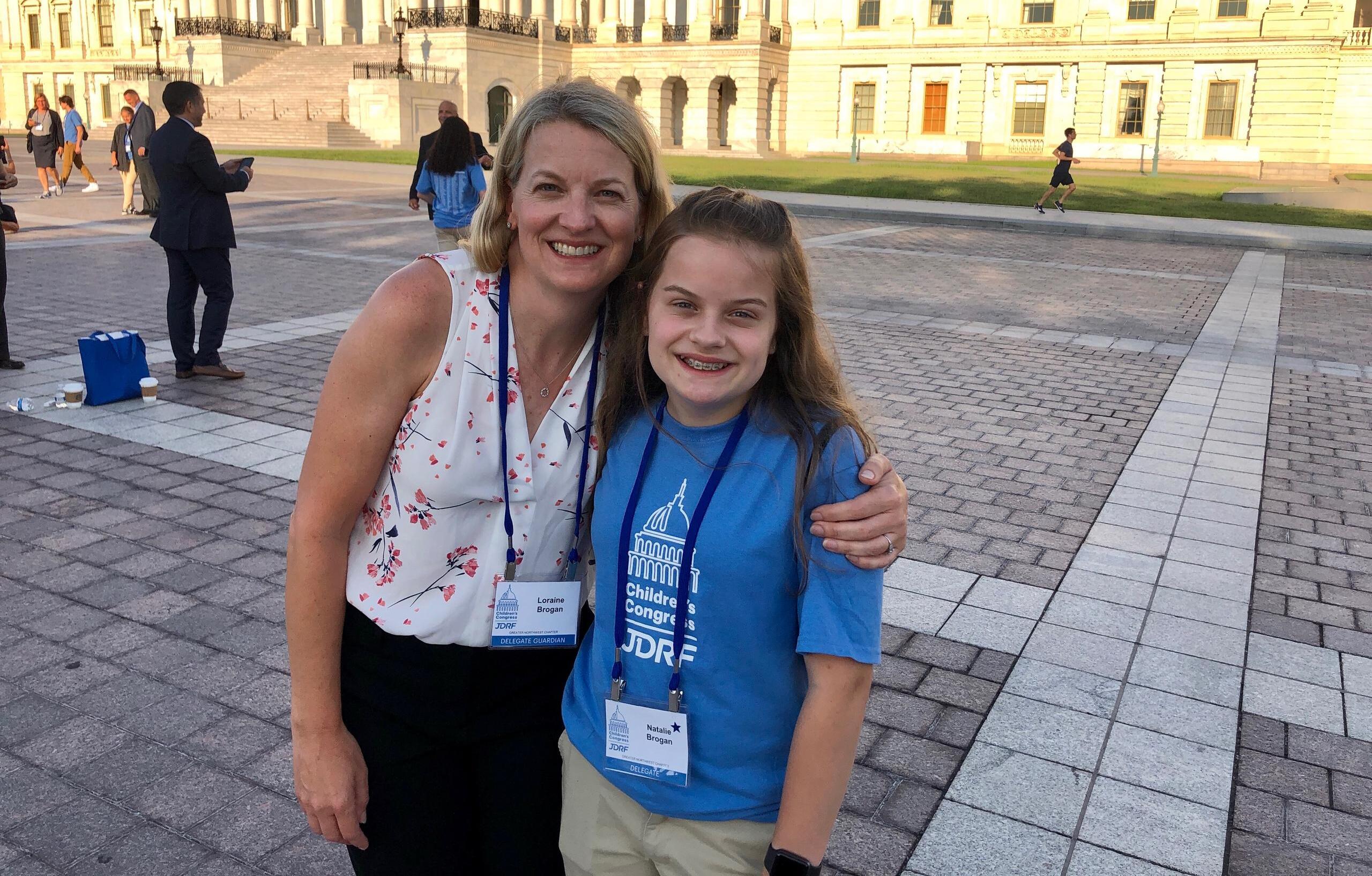
Driven by a shared conviction that patient insights are indispensable to scientific progress, both mother and daughter eventually joined Breakthrough T1D’s Participant Advisory Council (PAC). Their introduction to the organization stemmed from a relationship forged years earlier with a Breakthrough T1D staff member during the initial, turbulent weeks following Natalie’s diagnosis.
The PAC provides a structured platform where individuals with T1D and their families can directly inform ongoing research initiatives. For Natalie, the council offered a vital channel to advocate for youth perspectives on a national stage. For Loraine, the PAC represented an opportunity to voice the often-overlooked caregiver perspective—highlighting the complex logistics, continuous anxiety, and invisible mental load that parents carry every single day on behalf of their children.
Democratizing Clinical Research: The Impact of Lived Experience
The historical model of clinical research often relied on top-down study designs, where academic institutions and pharmaceutical companies formulated protocols with little input from the populations ultimately expected to participate. Consequently, studies frequently suffered from high attrition rates, burdensome clinic visit schedules, and communication strategies that failed to resonate with everyday families.
The Participant Advisory Council seeks to dismantle this archaic divide. In their capacity as PAC members, Loraine and Natalie have participated in high-level consultations where researchers and Breakthrough T1D teams actively solicit qualitative feedback regarding study protocols. Rather than merely asking for passive approval, research teams inquire deeply into the lived reality of households managing T1D: How do frequent clinic visits disrupt a teenager’s school schedule? What language feels supportive rather than stigmatizing for families newly diagnosed? How can clinical trial requirements be restructured to accommodate working parents and schooling children?
One particular project stands out as a testament to this collaborative model. The Brogans reviewed specific elements of an upcoming study design, offering candid feedback regarding the psychological and logistical barriers of trial participation—such as strict time commitments, rigid clinic frequencies, and invasive monitoring requirements. They articulated clearly what helps families stay engaged, what hinders participation, and what makes a trial feel accessible.
When researchers subsequently adjusted their communication strategies and introduced greater scheduling flexibility based on this feedback, the validation was profound for the Brogan family. It demonstrated that patient and family voices were not treated as a regulatory checkbox, but as a substantive driving force capable of reshaping study execution.
A Complementary Partnership: The Mother-Daughter Dynamic
As a mother-daughter duo, the Brogans bring a unique, dual-lens perspective to the advocacy table. Natalie contributes the direct, unvarnished reality of growing up with type 1 diabetes—the piercing mid-sleep alarms for low blood sugar, the constant mental math performed before every meal, and the fierce independence required to manage an invisible, high-stakes condition in public spaces.
Loraine supplies the comprehensive caregiver retrospective—the memories of years spent coordinating school nurse care plans, managing pharmacy supply chains, tracking prescription authorizations, and carrying the protective, baseline worry that only a parent of a chronically ill child can fully comprehend.
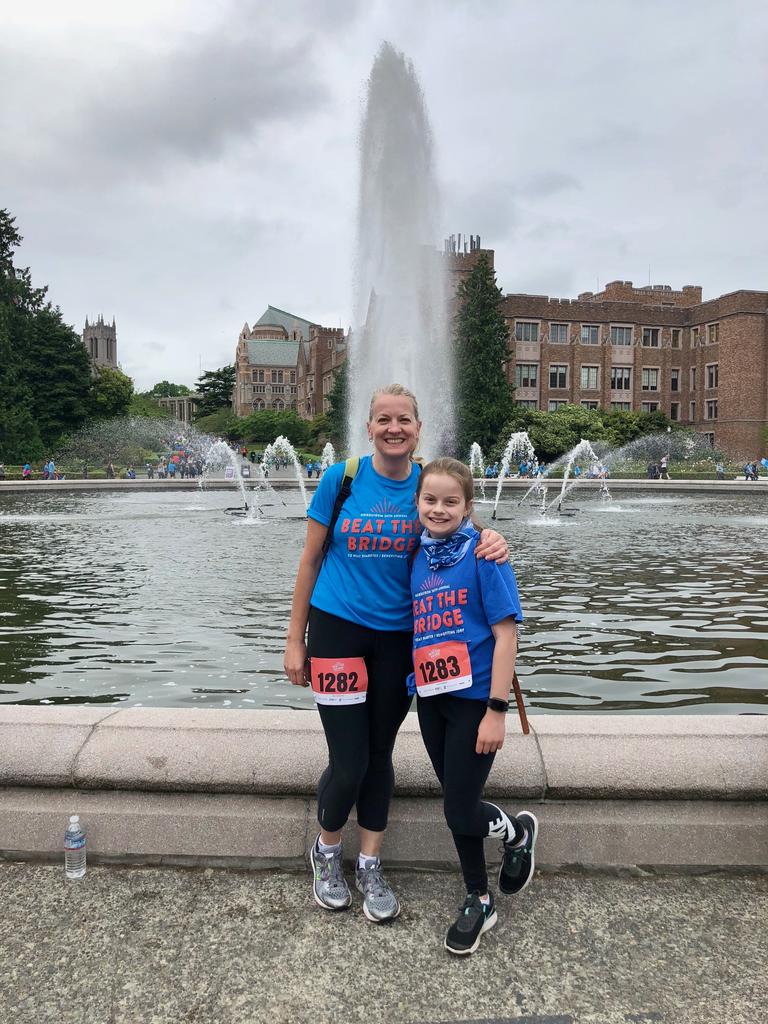
Together, they embody the intricate ecosystem of chronic disease management: the individual striving for autonomy and normalcy, and the parent standing vigil beside them. Their collective advocacy reinforces the consensus among modern health economists and clinical researchers that incorporating the lived experience of patients is not merely beneficial, but fundamentally essential for successful scientific translation. When studies incorporate patient insights from the earliest stages of protocol development, the resulting clinical trials boast superior design integrity, higher recruitment and retention rates, clearer communication, and ultimately, greater translational impact.
Looking Ahead: The Power of Community and Shared Stories
The Brogans joined the Participant Advisory Council driven by a shared desire to reform and improve the future landscape of T1D research. They remain active participants because they have witnessed firsthand the transformative power of treating patients and families as equal partners in scientific discovery. Their overarching vision is clear: to contribute to a future where managing type 1 diabetes bears little resemblance to the complex daily routines required today, and ultimately, to witness the complete eradication of the disease.
For individuals, patients, and families inspired by this mission and interested in contributing their own experiences to clinical development, opportunities for involvement continue to expand. Those wishing to learn more about joining the Participant Advisory Council are encouraged to reach out to Michelle Simes-Kennedy via email.
Navigating Clinical Trials: Resources for the Community
For community members seeking to take an active role in advancing diabetes science, numerous educational resources and engagement tools are readily available.
Engaging in Clinical Research
Understanding the mechanics of clinical trials is the first step toward participation. The Breakthrough T1D clinical trials portal provides comprehensive guidance on how individuals at various stages of diagnosis can safely and effectively participate in cutting-edge research studies.
Finding Recruiting Trials
Prospective participants can utilize specialized tools such as the Breakthrough T1D clinical trial matching tool to identify active, recruiting trials within their geographic region based on specific diagnostic criteria and eligibility parameters.
Connecting with Volunteers
For those navigating the often-complex decision to enroll in a study, personalized peer support is available. Families can connect directly with a local Clinical Trial Education Volunteer to demystify the research process, review protocol expectations, and receive direct answers to questions regarding safety, compliance, and institutional review boards. Through these collective efforts, the bridge between laboratory science and everyday human experience grows stronger every day.