Healthy Corn Chowder: A Nutrient-Dense Approach to Seasonal Culinary Staples

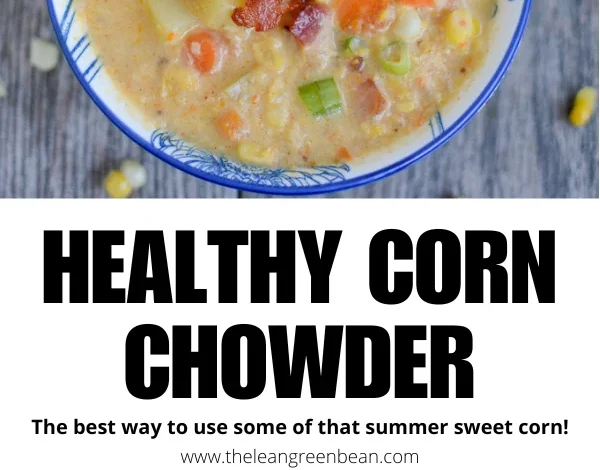
As the late summer harvest peaks, agricultural markets across the country report an abundance of sweet corn, prompting a shift in home cooking trends toward seasonal preservation and utilization. Among the most popular applications for this influx of produce is corn chowder, a traditional dish typically characterized by a heavy, cream-based roux. However, a modern culinary movement led by registered dietitians and nutritionists is redefining this comfort food, prioritizing lower-calorie profiles and nutrient density without sacrificing the characteristic texture that defines the chowder category.
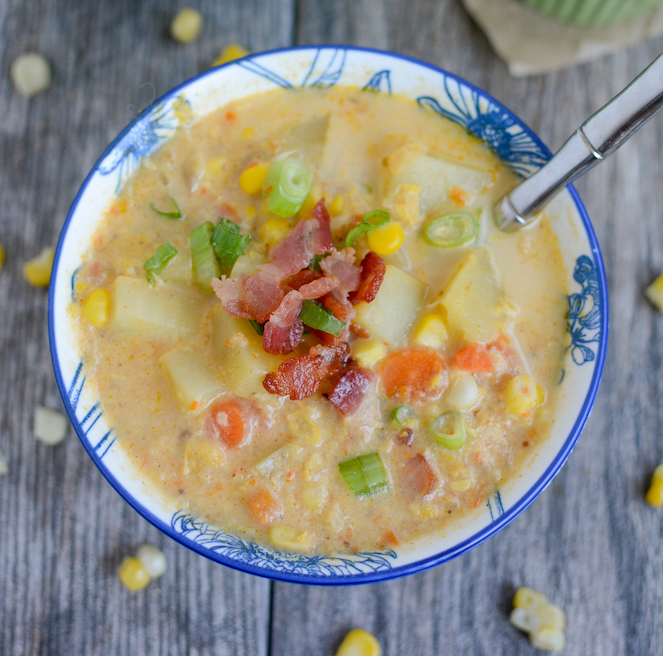
The Nutritional Evolution of Traditional Chowder
Historically, corn chowder served as a calorie-dense, sustaining meal, often incorporating high levels of heavy cream, butter, and bacon fat. While these ingredients provide a robust flavor profile, contemporary dietary guidelines—such as those published by the American Heart Association—encourage the reduction of saturated fats and excessive caloric intake.
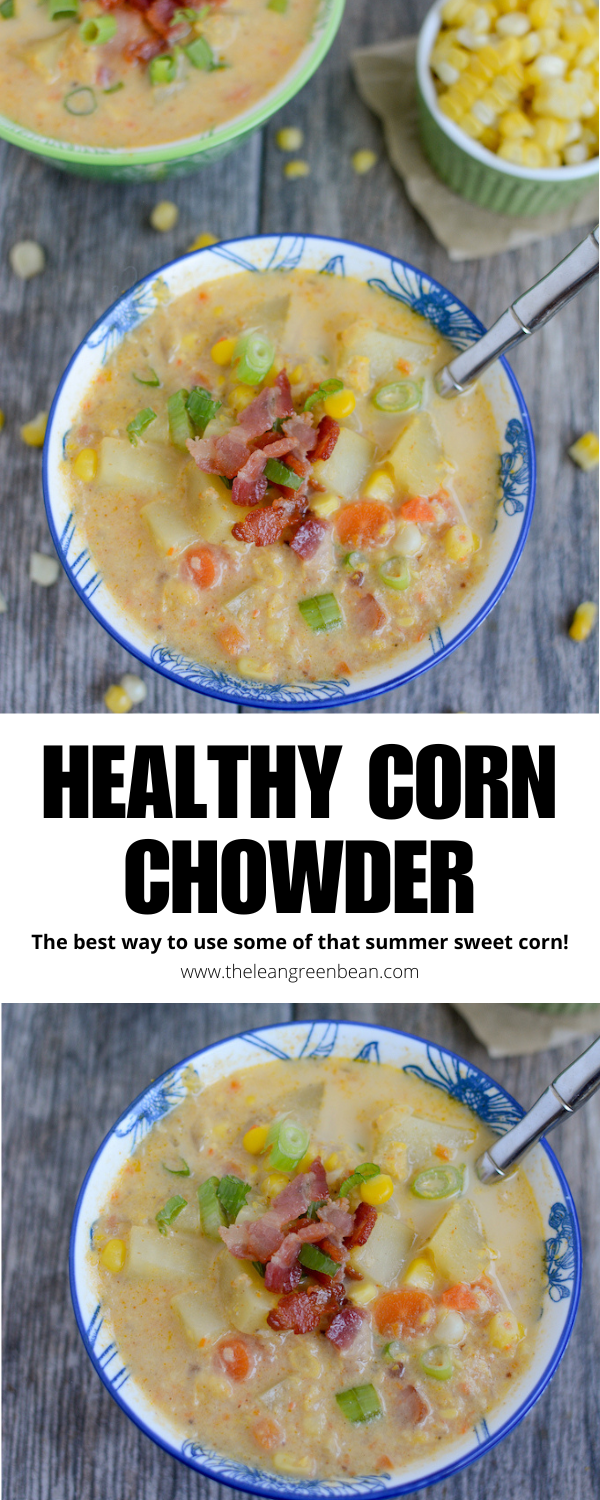
Nutrition experts have identified a "lightened-up" methodology for preparing this dish. By replacing heavy cream bases with vegetable or chicken broths and utilizing the natural starch content of potatoes and pureed corn, home cooks can achieve a velvety consistency while significantly lowering the dish’s glycemic index and caloric density. Recent data suggests that blending a portion of the soup’s solid ingredients—specifically starchy vegetables like potatoes—acts as a natural emulsifier. This technique removes the reliance on flour-based thickeners or high-fat dairy, creating a fiber-rich alternative that aligns with current health-conscious consumer preferences.
Chronology and Seasonal Availability
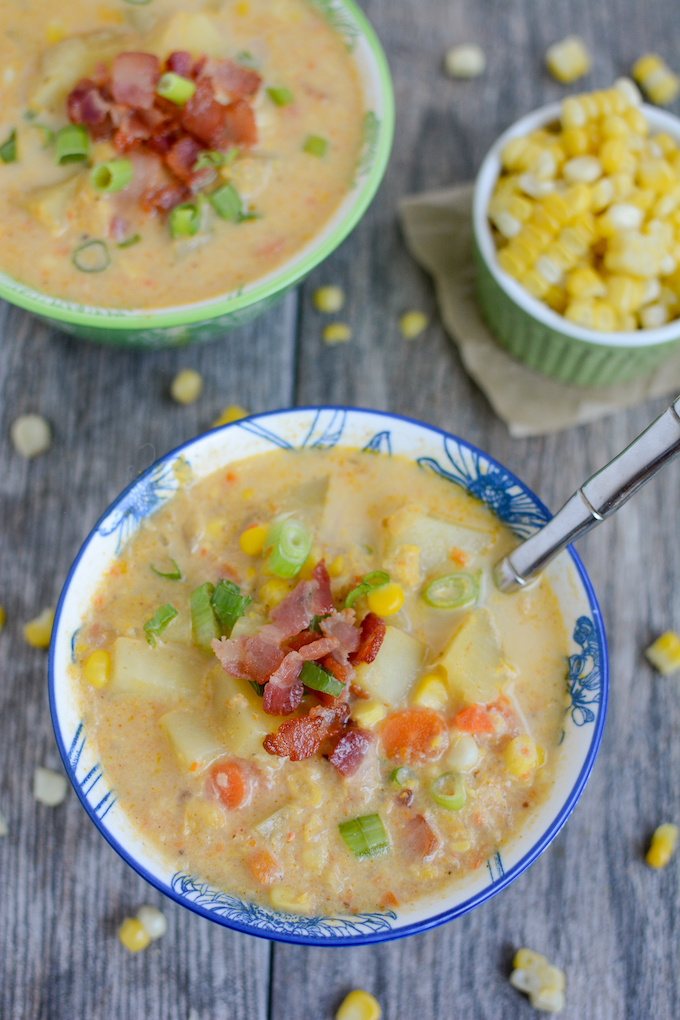
The viability of this dish is inherently linked to the agricultural calendar. In the United States, sweet corn production typically peaks between July and September. During this window, the sugar content of the kernels is at its highest before converting to starch, making it the ideal period for preparation.
Culinary historians note that the evolution of chowder from a maritime staple—often made with fish and potatoes—to a vegetable-forward dish reflects broader shifts in regional diets. As the late summer transition occurs, the "corn chowder season" serves as a bridge between the light, fresh produce of early summer and the heartier, root-vegetable-based meals of the autumn months. Professional chefs recommend using the corn cobs to infuse the broth during the initial simmering process, a practice that maximizes flavor extraction and minimizes food waste by utilizing the entire vegetable.
Technical Preparation and Texture Management
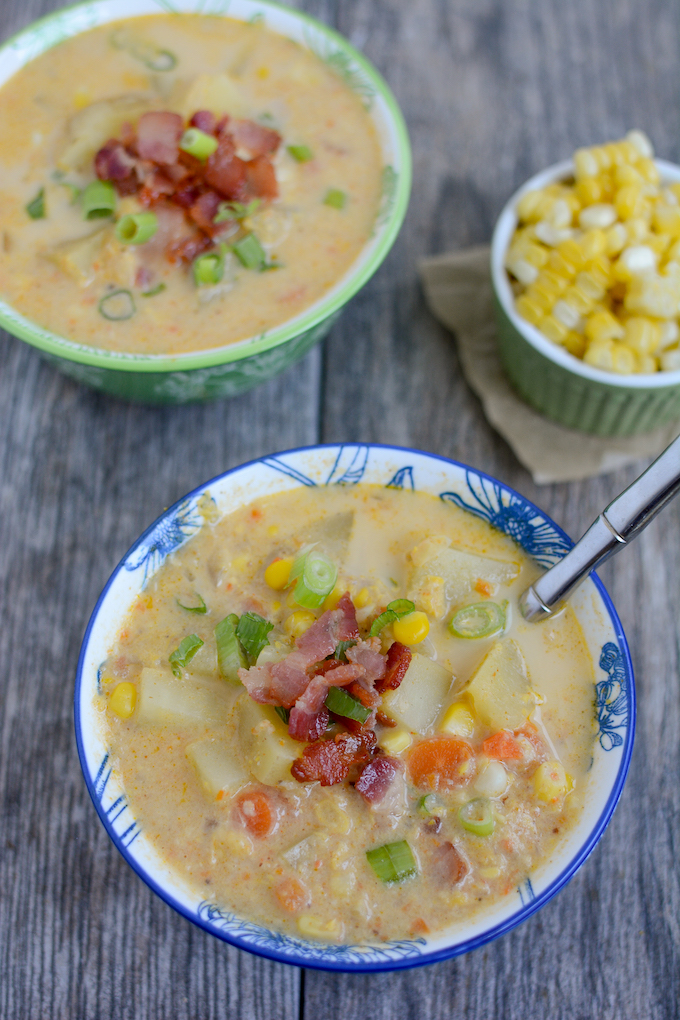
Achieving the correct consistency in a low-fat chowder presents a significant technical challenge for the home cook. Without the structural integrity provided by traditional heavy cream, soups often risk becoming thin or watery. Industry standards for texture management in soup preparation suggest a three-pronged approach to stabilization:
- Starch-Based Thickening: The inclusion of potatoes provides natural pectin and starch, which thicken the broth as they break down during the cooking process.
- Mechanical Emulsification: Using an immersion blender to process approximately 25% to 30% of the soup’s volume creates a creamy base while leaving the remaining kernels intact for textural contrast.
- Alternative Thickeners: In instances where the consistency remains thin, culinary experts advise against adding more dairy. Instead, adding a small amount of mashed potato flakes or pureed white beans can provide body without altering the flavor profile or adding saturated fats.
Addressing Culinary Myths and Dietary Adjustments
There is a common misconception that high-quality chowder requires specific, shelf-stable ingredients like creamed corn. While creamed corn provides instant sweetness and thickness, it often contains added high-fructose corn syrup and excess sodium. Utilizing fresh, raw corn allows for greater control over the sodium and sugar content of the finished meal.
For those requiring dietary modifications, the dish is highly adaptable. Recent market trends show a surge in interest for dairy-free alternatives. While traditional recipes rely on milk or cream for a specific mouthfeel, substitutions such as full-fat coconut milk have gained popularity, though they do alter the flavor profile toward a more tropical or savory fusion. Alternatively, plant-based thickeners, such as cashew cream or blended white beans, offer a neutral flavor base that mimics the richness of dairy while providing additional protein and fiber.
Economic and Sustainability Implications
From an economic perspective, the shift toward using fresh, seasonal produce for home-cooked meals offers a cost-effective alternative to pre-packaged or restaurant-prepared soups. Consumers who prioritize seasonal eating report lower grocery expenditures during the late summer months. Furthermore, the practice of freezing individual components—such as corn kernels—during the height of the season for later use in soups demonstrates a growing trend toward home food preservation.
However, caution is advised regarding the freezing of finished dairy-based soups. The chemical structure of milk and cream can degrade when frozen, often leading to separation and a grainy texture upon reheating. For those intending to prepare the meal in advance, food safety experts recommend preparing the base—consisting of broth, corn, potatoes, and spices—and freezing it without the dairy. The cream or milk should be added during the reheating process to ensure a stable emulsion and a fresh-tasting result.
Broader Nutritional Context
The integration of vegetables such as corn, onions, and potatoes into a single, cohesive meal provides a significant source of vitamins A and C, as well as essential minerals like potassium. When paired with lean proteins, such as chicken or turkey sausage, the dish transitions from a side item to a nutritionally complete main course.
Registered dietitians emphasize that the "healthy" designation of a meal is not merely the absence of fat, but the presence of high-quality, nutrient-dense ingredients. By focusing on whole foods—fresh corn, broth, and fiber-rich vegetables—this modern iteration of a classic chowder serves as a case study for how traditional recipes can be adapted to meet contemporary public health standards.
As food systems continue to evolve, the demand for transparent, ingredient-focused recipes remains high. Whether served as a light summer dinner accompanied by a side salad or as a hearty, protein-packed meal during the cooler months, the healthy corn chowder represents a sustainable and nutritious intersection of seasonal agriculture and home cooking. This approach underscores the potential for traditional comfort foods to retain their cultural significance while aligning with modern, evidence-based nutrition science. Through minor adjustments in technique and a focus on raw, high-quality ingredients, the culinary community continues to bridge the gap between tradition and health, ensuring that seasonal staples remain relevant in the modern diet.