The Rise of Scratch-Made Confectionery: Why the Homemade Chocolate Cream Pie is Taking Center Stage in Modern Baking

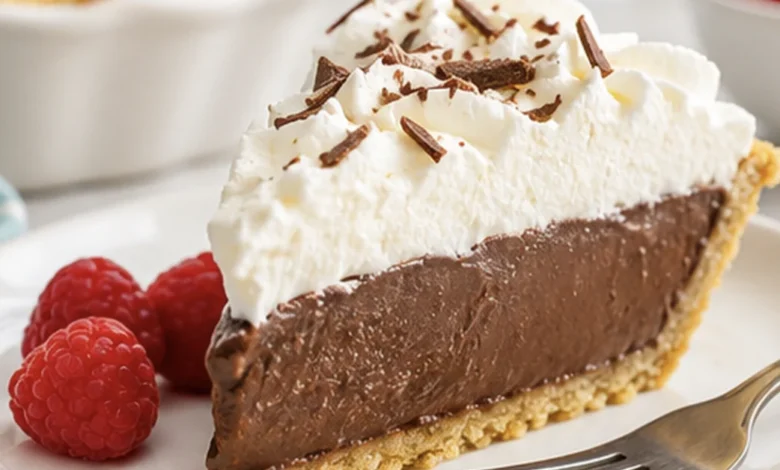
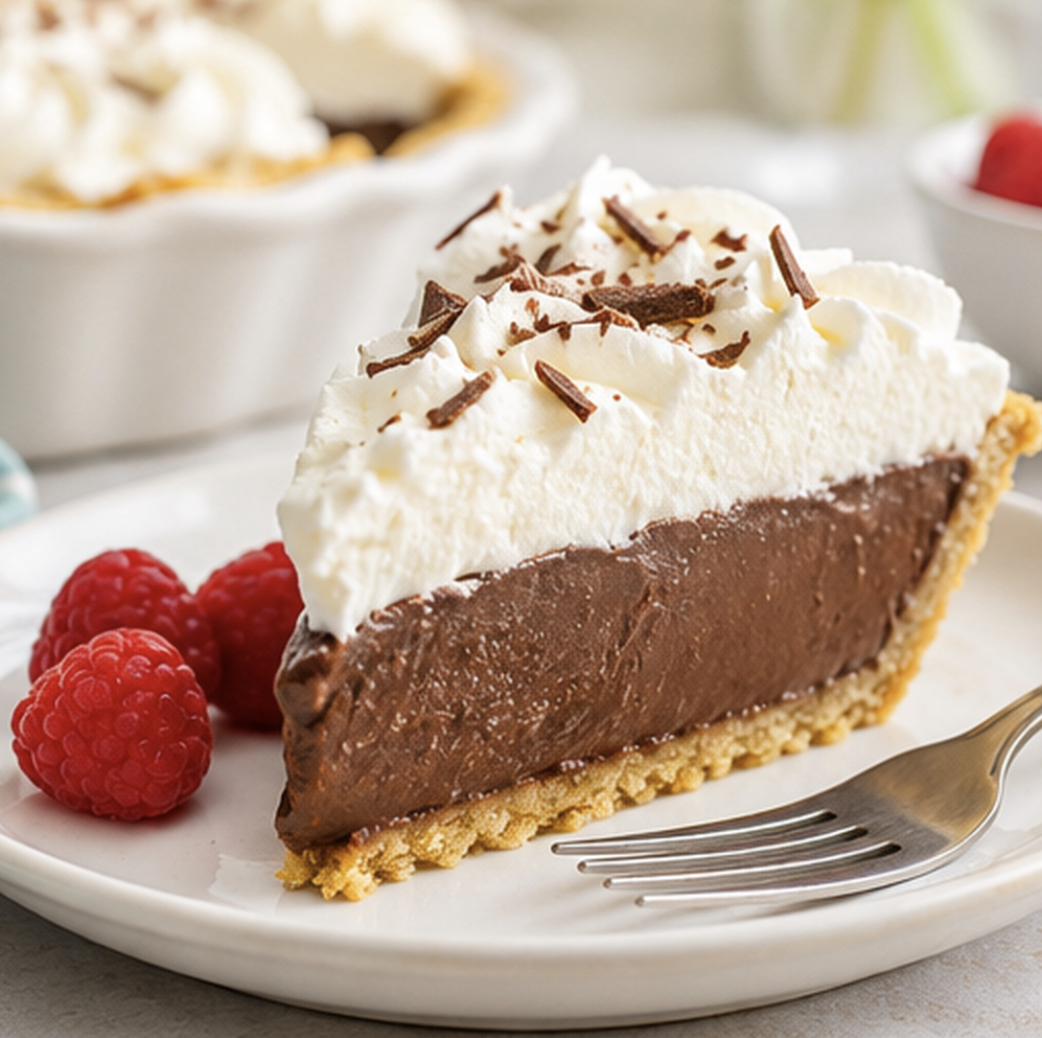
In an era dominated by convenience foods, instant pudding mixes, and pre-packaged desserts, a culinary counter-movement is quietly taking shape in home kitchens across the country. Bakers of all skill levels are rediscovering the value of scratch-made confectionery, with the classic Homemade Chocolate Cream Pie emerging as a focal point of this trend. Combining a buttery graham cracker crust, a rich silk-textured chocolate custard, and a generous cap of fresh whipped cream, this dessert represents a shift away from heavily processed foods toward traditional, wholesome baking methods that prioritize quality ingredients and deliberate preparation.
Background Context and the Evolution of American Pie Culture
The tradition of cream pies in American cuisine dates back to the 19th century, evolving from regional variations of custard and pudding tarts into staples of American diners, holiday tables, and family gatherings. Historically, chocolate cream pies relied heavily on pantry staples like milk, eggs, cocoa, and butter. However, the post-World War II boom in convenience foods introduced instant pudding mixes, which temporarily sidelined scratch-made custards in favor of speed and ease.
In recent years, consumer demand has shifted significantly. Culinary historians and food economists note a growing cultural appreciation for culinary transparency—knowing precisely what goes into a dish. The resurgence of scratch-made chocolate cream pie reflects a broader rejection of artificial additives, preservatives, and stabilizers commonly found in commercial pudding bases. By utilizing real chocolate, whole milk, farm-fresh eggs, and natural cocoa powder, modern home bakers are elevating a historically humble dessert into a centerpiece-worthy creation suitable for Thanksgiving, Christmas, birthdays, and everyday celebrations.
Anatomy of a Classic: Ingredients and Scientific Principles
Creating a successful chocolate cream pie from scratch requires a balance of culinary technique and chemical precision. Unlike baked fruit pies, cream pies rely on stovetop emulsions and refrigeration to achieve their signature texture.
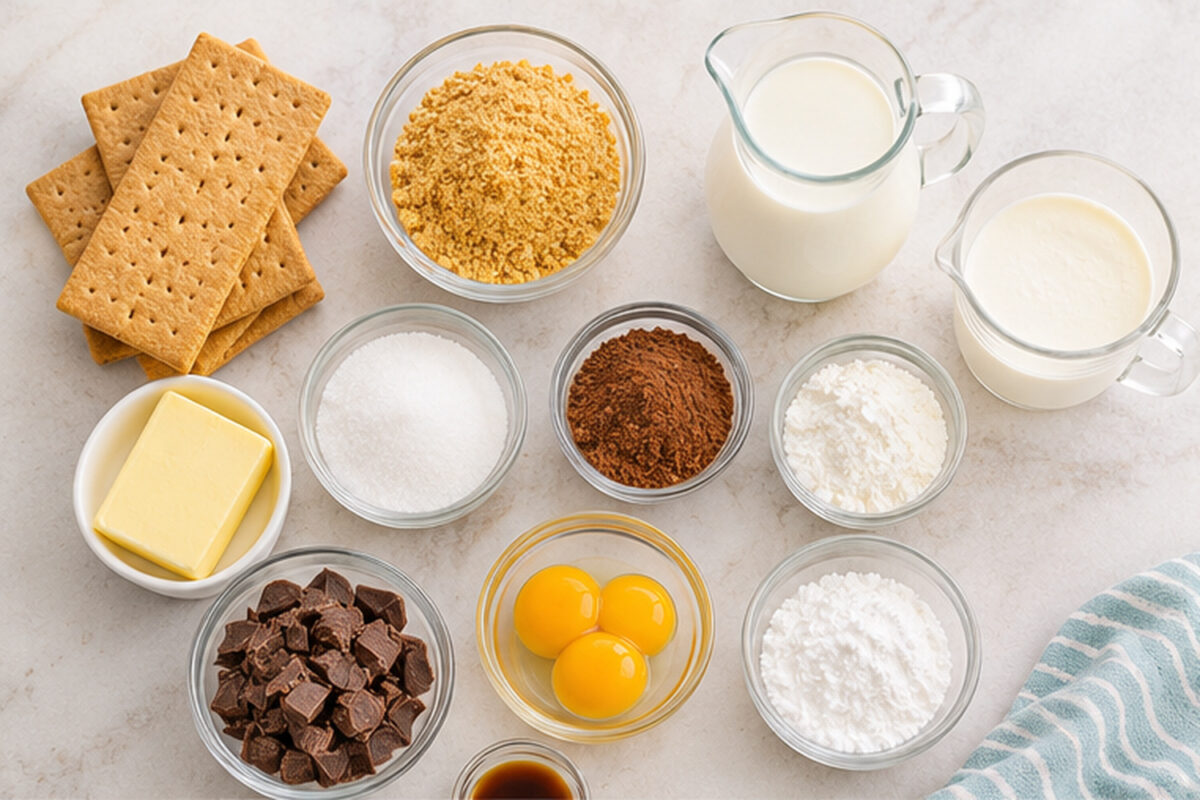
The foundation begins with the crust, typically constructed from crushed graham crackers bound together with melted butter and a touch of sugar. When compressed into a pie plate and baked briefly at 350°F, the sugars caramelize slightly, creating a sturdy yet crumbly structural base that contrasts texturally with the velvety filling.
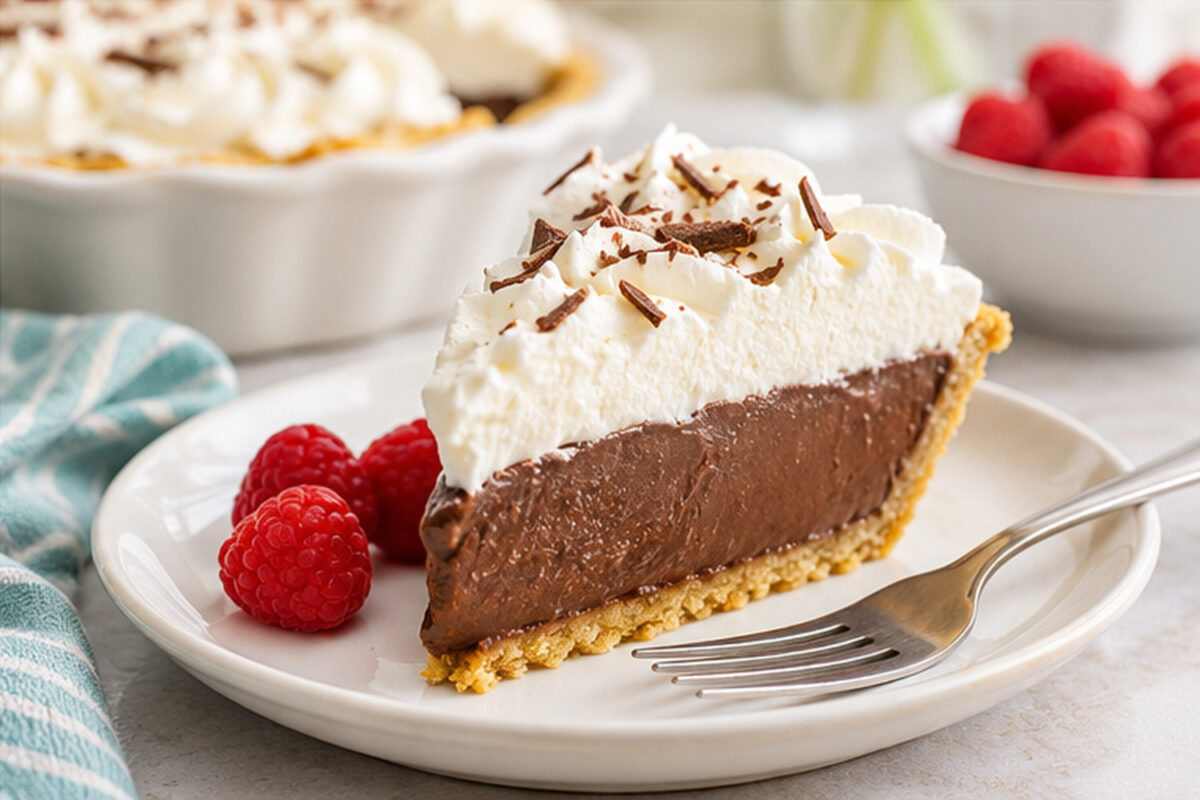
The core of the dessert—the chocolate cream filling—is a delicate custard. The process starts by whisking dry ingredients, including granulated sugar, high-grade cocoa powder, cornstarch, and a pinch of salt, which acts as a flavor enhancer. Egg yolks are incorporated into milk and introduced to the dry mixture to provide proteins and fats that contribute to a rich, mouth-coating texture.
As the mixture is heated on the medium stovetop, the cornstarch molecules hydrate and swell, gelatinizing the liquid into a thick, glossy pudding-like consistency. Precision is paramount during this stage; continuous whisking prevents the starches from clumping and avoids scorching the dairy on the bottom of the pan. Once removed from the heat, the addition of chopped semi-sweet chocolate bars, butter, and vanilla extract introduces secondary fats and aromatic compounds. The residual heat melts the chocolate, creating a glossy, emulsion-stable ganache-custard hybrid that is both intensely chocolatey and devoid of cloying sweetness.
Step-by-Step Production Timeline
For home cooks and professional caterers alike, mastering the timeline of chocolate cream pie production is essential for optimal results. The following chronological framework outlines the standard preparation cycle:
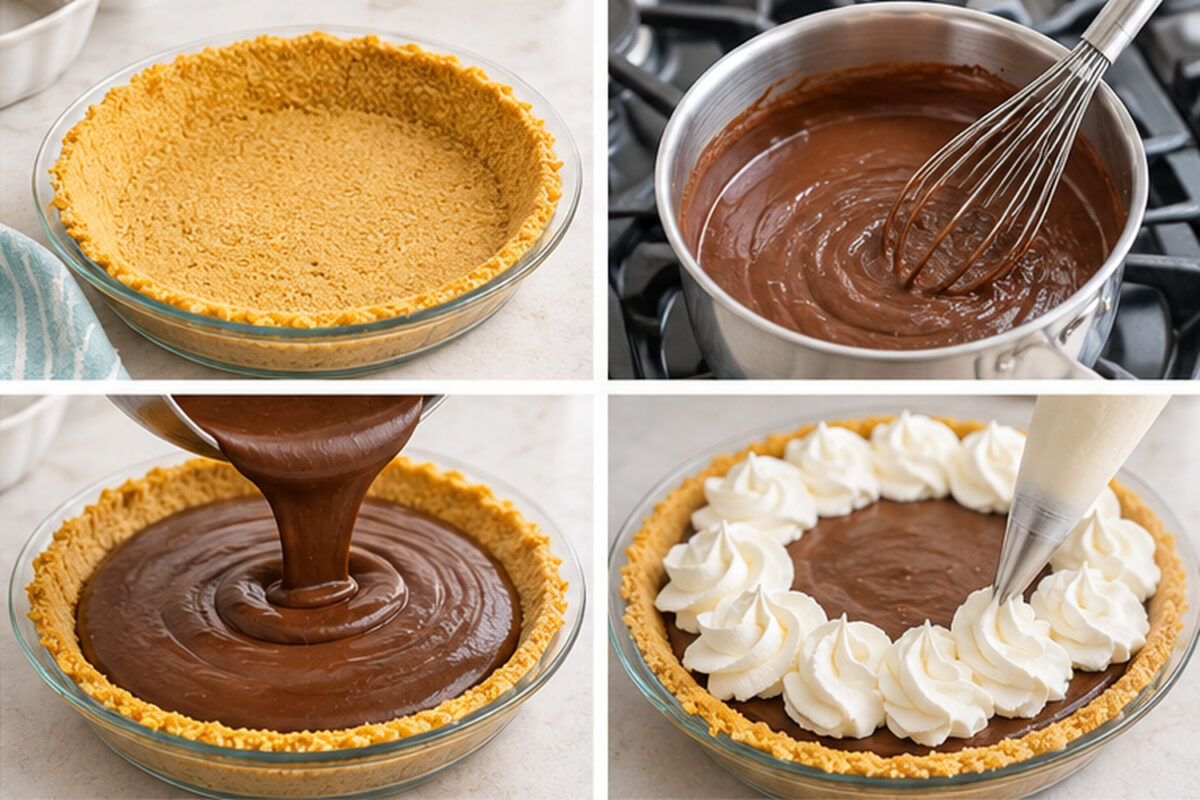
- Crust Preparation (20 Minutes): Graham crackers are pulverized into uniform crumbs, combined with melted butter and sugar, pressed firmly into a 9-inch pie plate, and baked for 8 to 10 minutes before cooling completely.
- Custard Assembly and Cooking (25 Minutes): Dry ingredients and dairy-egg mixtures are whisked together in a saucepan and cooked over medium heat until reaching a gentle bubble. Constant agitation is maintained to ensure an even starch activation.
- Emulsification (5 Minutes): Chopped semi-sweet chocolate, butter, and vanilla are whisked into the hot custard off the heat until fully integrated and glossy.
- Initial Chilling (Minimum 4 Hours, Ideally Overnight): The warm filling is poured into the cooled crust. Plastic wrap is pressed directly onto the custard surface to prevent the formation of a dry skin, and the pie is transferred to refrigeration. This prolonged cooling period allows the cornstarch network to fully set and firm up the slice integrity.
- Finishing and Service (15 Minutes): Heavy whipping cream, powdered sugar, and vanilla extract are whipped to medium-stiff peaks using a hand or stand mixer. The cream is applied to the chilled pie via spatula or piping bag, followed by optional garnishes such as shaved chocolate bars, cocoa dust, or chocolate curls.
Professional Tips for Culinary Success
Pastry chefs and experienced home bakers emphasize several technical safeguards to ensure a flawless final product:
- Chocolate Selection: The flavor profile of the pie is entirely dependent on the quality of the chocolate used. Semi-sweet baking bars provide a balanced bitterness, whereas overly processed chocolate chips may contain stabilizers that hinder smooth melting.
- Thermal Management: Adding boiling or hot custard to a warm crust can destabilize the fats in the crust, leading to a soggy texture. Ensuring the crust reaches ambient room temperature prior to assembly is critical.
- Slicing Integrity: Because custard-based pies are susceptible to sticking, utilizing a sharp knife dipped in hot water and wiped dry between cuts yields clean, bakery-quality slices without dragging the filling.
- Timing the Topping: Whipped cream is subject to syneresis—the separation of liquid from the foam structure—if left exposed for extended periods. Applying the whipped cream immediately prior to service maintains optimal volume and visual appeal.
Dietary Modifications and Modern Variations
To accommodate evolving dietary preferences, the traditional chocolate cream pie recipe has proven remarkably adaptable. Bakers frequently substitute standard dairy milk with plant-based alternatives such as almond, oat, or coconut milk, while substituting vegan butter and dark chocolate keeps the dessert accessible to those following dairy-free diets. Additionally, gluten-free graham cracker substitutes allow individuals with celiac disease or gluten sensitivities to enjoy the structural integrity of the classic crust without compromise.
Economic and Cultural Implications of Scratch Baking
The growing popularity of scratch-made desserts highlights a broader shift in consumer spending and leisure habits. Market researchers in the food and hospitality sector report an ongoing increase in the sale of baking supplies, high-end cocoa products, and specialized kitchen utensils. Sociologists attribute this trend to the therapeutic benefits of tactile, hands-on cooking projects, which offer individuals a creative outlet and a sense of accomplishment in an increasingly digital world.
Furthermore, the emphasis on make-ahead desserts like chocolate cream pie addresses the logistical demands of modern entertaining. By shifting the labor-intensive preparation stages to the day prior to an event, hosts can minimize time spent in the kitchen during dinner parties or family holidays, allowing for greater engagement with guests.
Storage, Safety, and Food Handling Standards
Due to the perishable nature of dairy-based custards and fresh whipped cream, strict food safety protocols must be observed. Assembled chocolate cream pies require continuous refrigeration at or below 40°F (4°C) and should be consumed within three to four days. Leaving dairy-based custards at room temperature for extended periods increases the risk of bacterial proliferation, making prompt chilling mandatory. While freezing is generally discouraged due to the tendency of cornstarch-thickened custards to separate and become grainy upon thawing, the un-topped pie base can be prepared up to 48 hours in advance, ensuring both food safety and operational efficiency.
Conclusion
The enduring appeal of the Homemade Chocolate Cream Pie lies at the intersection of nostalgia, culinary science, and sensory satisfaction. By stripping away artificial shortcuts and returning to foundational baking techniques, home cooks continue to prove that simple, high-quality ingredients yield superior results. As this classic dessert maintains its prominent position in modern recipe collections, it serves as a testament to the timeless value of traditional craftsmanship in the contemporary kitchen.
Related posts: