The Ultimate Guide to Baking Mini Pumpkin Pies: A Modern Twist on a Traditional Thanksgiving Favorite for the Holiday Season

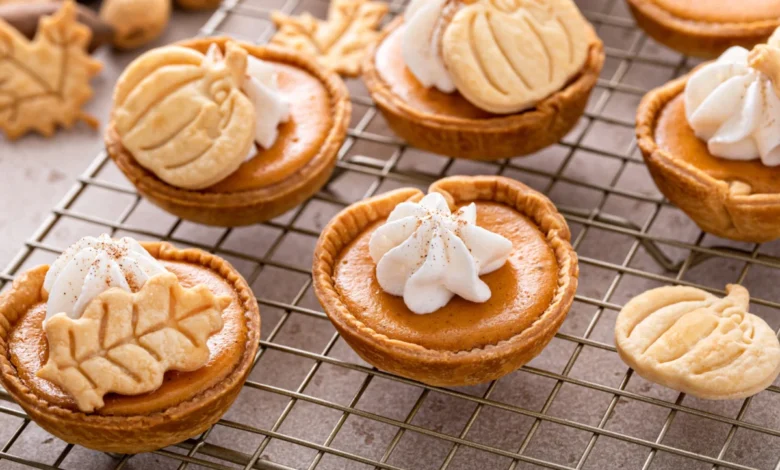
The culinary landscape of autumnal celebrations and Thanksgiving gatherings has seen a notable shift toward individual, portion-controlled servings, a trend vividly highlighted by the rising popularity of mini pumpkin pies baked in standard muffin tins. Combining the classic, cozy flavors of traditional full-sized pumpkin pie—such as warm pumpkin pie spice, smooth pumpkin puree, and a flaky, buttery crust—with the convenience of bite-sized portions, these miniature desserts have become a staple for modern holiday hosts. Culinary experts and home bakers alike have increasingly embraced muffin-tin baking methods not only for their aesthetic appeal, especially when garnished with autumn-themed crust cutouts and maple whipped cream, but also for their practicality in managing holiday logistics and reducing food waste.
Background Context and the Rise of Individual Desserts
The tradition of serving pumpkin pie at American autumn gatherings dates back centuries, evolving from early colonial pudding-like concoctions into the spiced custard pastry recognized today. However, the modern adaptation of scaling down large, communal dishes into individual portions reflects broader shifts in contemporary dining and entertaining. Nutritional scientists and event planners note that individual portions help manage caloric intake more intuitively while eliminating the messy slicing and serving process inherent in traditional pies during large gatherings.
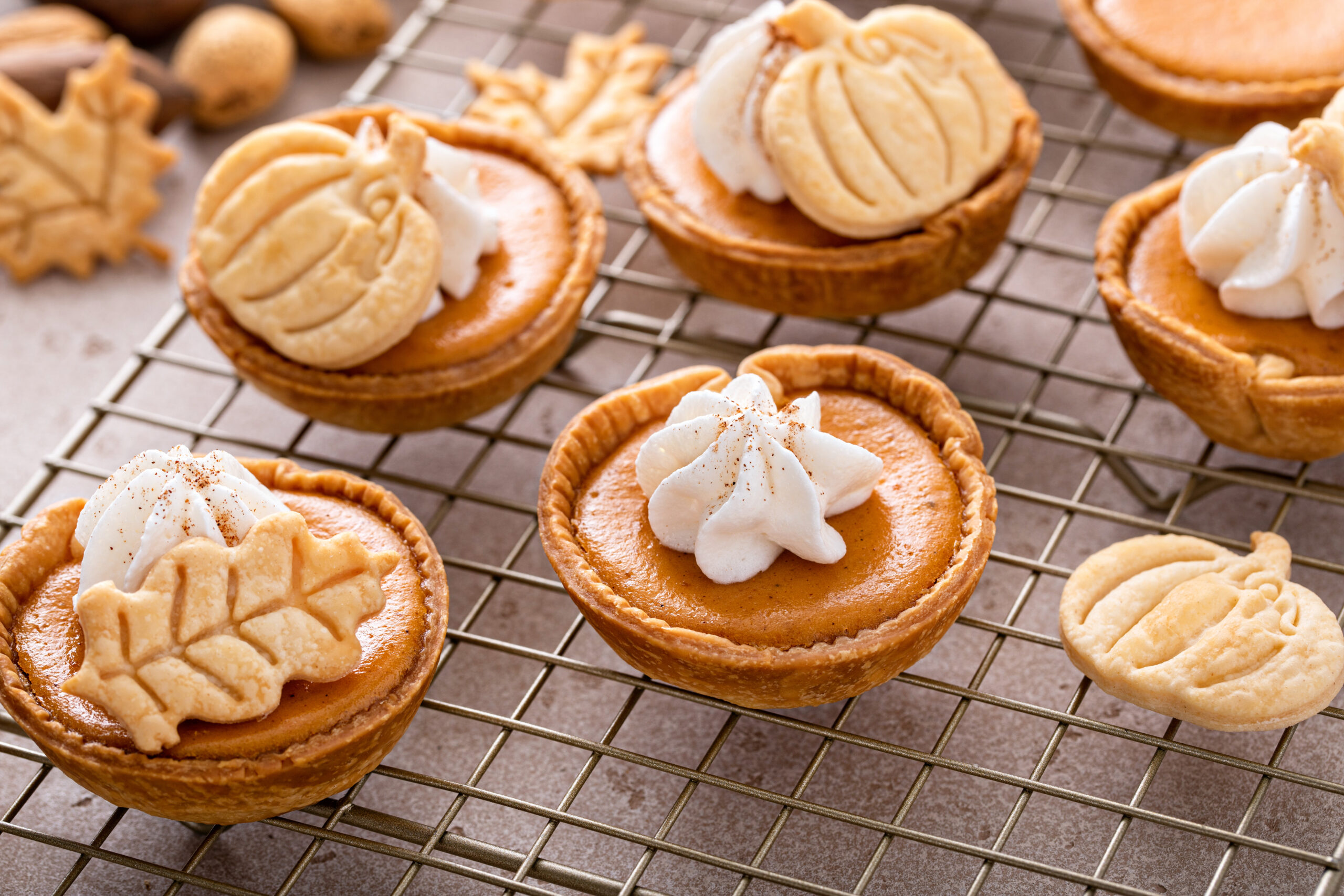
Furthermore, the integration of children into holiday baking traditions has driven the demand for accessible recipes. Mini pumpkin pies require less specialized equipment than standard pie pans, utilizing everyday kitchen items like a 12-cup muffin tin and basic cookie cutters. This accessibility has transformed holiday dessert preparation from a solitary chore into a collaborative family activity.
Comprehensive Chronology and Preparation Workflow
Executing these miniature desserts efficiently requires a structured timeline, particularly when preparing for large holiday events like Thanksgiving. Professional bakers recommend breaking the process down into manageable phases over one to two days to alleviate holiday-day stress.
The preparation timeline generally follows this sequence:
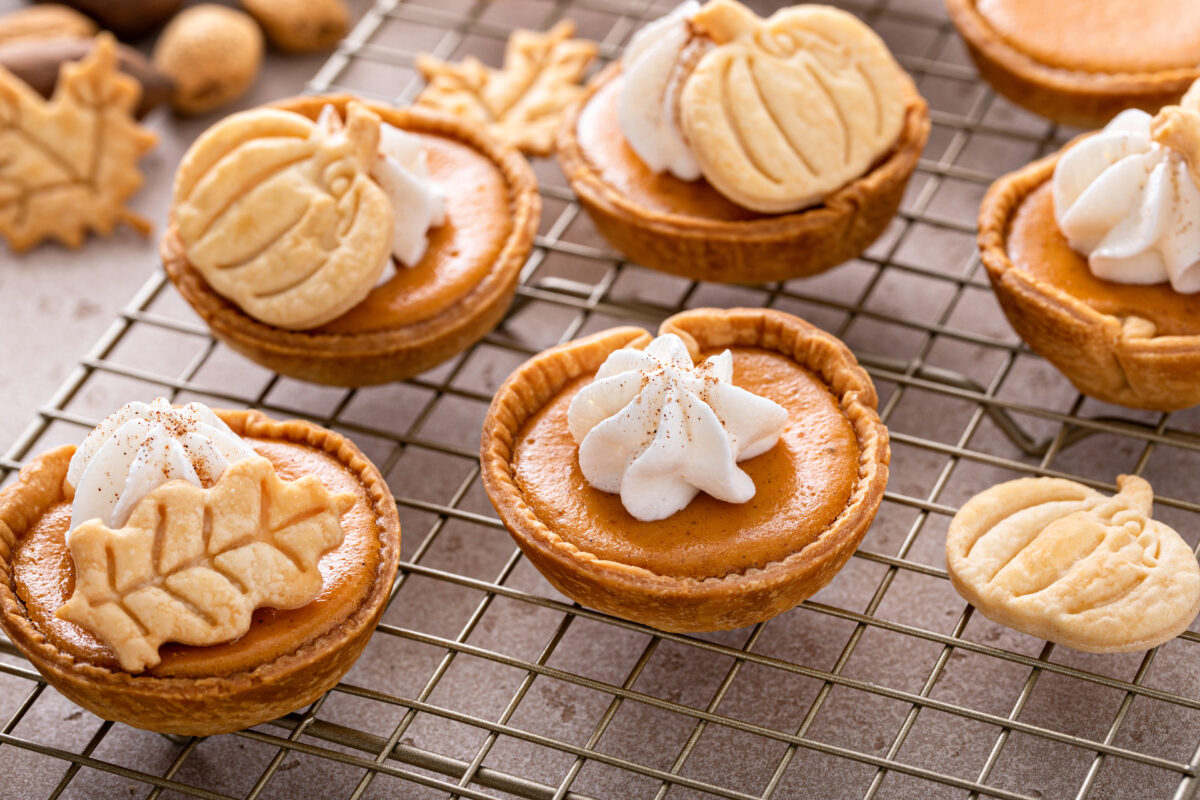
- Make-Ahead Dough Preparation (1 to 2 Days Prior): Preparing or rolling out the pie crust dough ahead of time allows for seamless assembly. During this window, bakers can also use mini cookie cutters to shape autumn leaves, pumpkins, and acorns from leftover dough. Baking these decorations separately on a parchment-lined sheet at 375°F for 8 to 12 minutes ensures crisp, well-defined shapes without distortion.
- Crust Fitting and Filling (Day of Baking): Standard 12-cup muffin tins are greased lightly before 4-inch round dough circles are pressed snugly into each cup. The filling—comprising 100% pure pumpkin puree, maple syrup, eggs, milk, pumpkin pie spice, vanilla extract, and salt—is whisked until completely smooth and distributed evenly across the unbaked crusts, filled approximately three-quarters full to allow for minor expansion.
- Bake and Cool Cycle: Baking at 375°F typically takes between 25 and 30 minutes, significantly faster than a traditional 9-inch pie. Once the edges are set with a slight center jiggle, the pies must cool in the tin for 20 minutes before transferring to a wire rack. Complete chilling in a refrigerator is essential for the custard to set firmly.
- Final Assembly and Garnishing: Just prior to serving, a chilled bowl of heavy whipping cream whipped with maple syrup and vanilla extract is piped onto each pie using a star tip, followed by the placement of the baked crust decorations.
Supporting Data and Nutritional Considerations
From a logistical standpoint, standardizing recipes into 12-serving batches provides predictable yield calculations for event hosts. Financially and logistically, individual mini pies reduce the need for extra plates, pie servers, and complex cutting logistics during buffet-style dining.
Nutritionally, utilizing 100% pure pumpkin puree rather than pre-sweetened canned filling allows bakers to control sugar content, often substituting or complementing refined sugars with natural sweeteners like pure maple syrup. Pumpkin itself remains a nutrient-dense ingredient rich in beta-carotene, Vitamin A, and dietary fiber, offering a modest nutritional profile within a decadent holiday dessert category.
Culinary Analysis and Expert Recommendations
Pastry chefs emphasize several technical nuances to achieve optimal results when adapting standard pie formulas to muffin tins:
- Temperature Control: Utilizing room-temperature dairy and eggs ensures a homogeneous emulsion with the pumpkin puree, preventing curdling and promoting a velvety custard texture.
- Structural Integrity: Allowing the pies to cool fully and chill in the refrigerator is critical. Warm pumpkin custard lacks the structural stability required for clean extraction from a muffin tin, making the chilling phase a non-negotiable step for presentation quality.
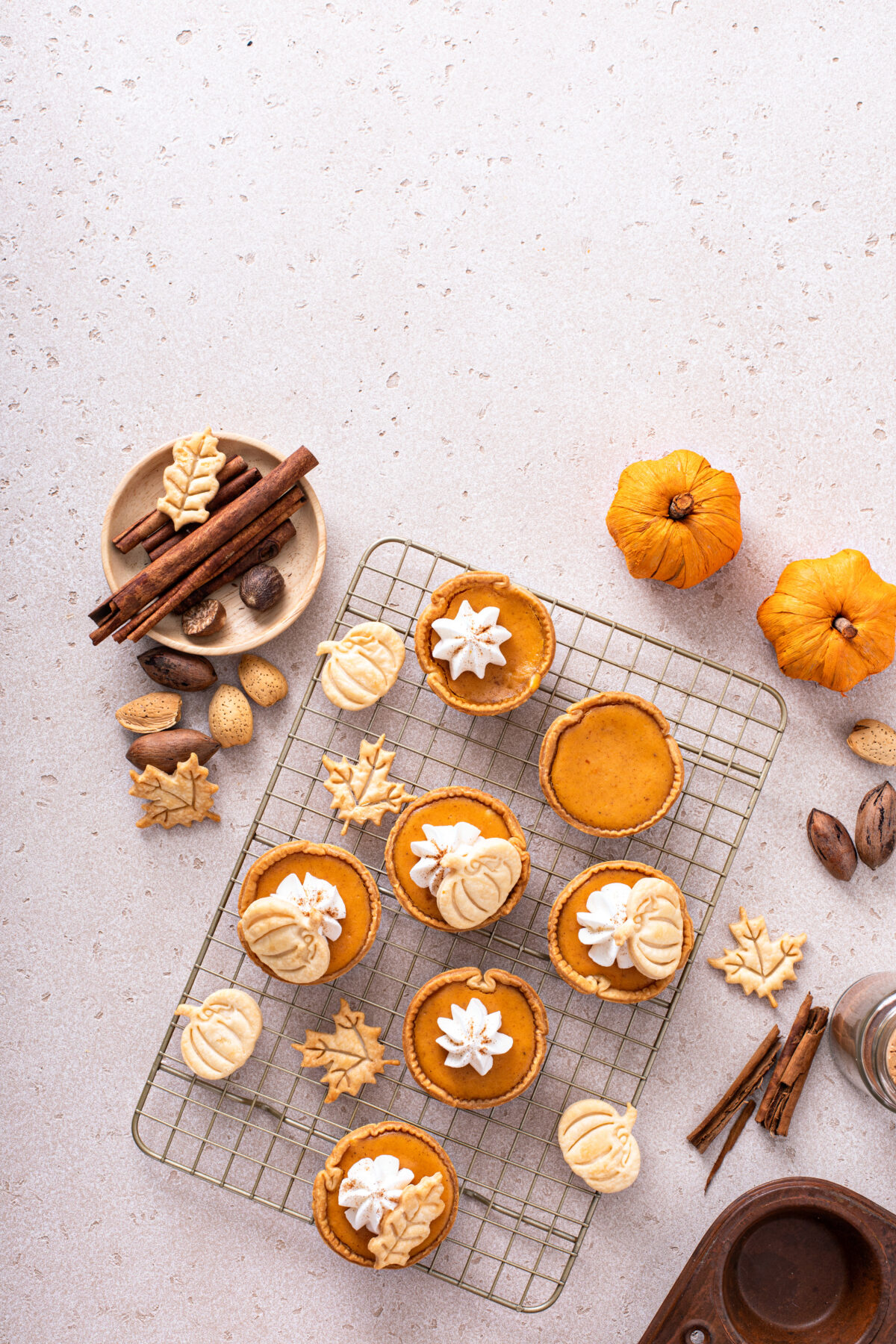
- Baking Separation: Baking the decorative crust cutouts separately from the filled pies prevents the delicate pastry shapes from sinking into the expanding liquid filling, preserving both visual appeal and textural crispness.
Broader Impact and Industry Implications
The popularity of scaled-down holiday classics underscores a broader consumer preference for versatility, portion control, and aesthetic customization in home cooking. Food media analytics show a sustained year-over-year increase in search interest for "mini" and "bite-sized" holiday recipes, indicating that this trend extends well beyond pumpkin desserts into pecan tarts, miniature cheesecakes, and individual apple crisps.
For home cooks navigating the complexities of holiday hosting, recipes that permit advance preparation—such as the 3-to-4-day refrigeration window or the 2-month freezing capability for unfrosted mini pies—offer invaluable stress reduction. By modernizing time-honored flavors into efficient, beautifully presented formats, these culinary adaptations ensure that traditional favorites continue to resonate with contemporary lifestyles.