Fermented Foods For Babies: Everything You Need To Know Before Baby’s First Bite


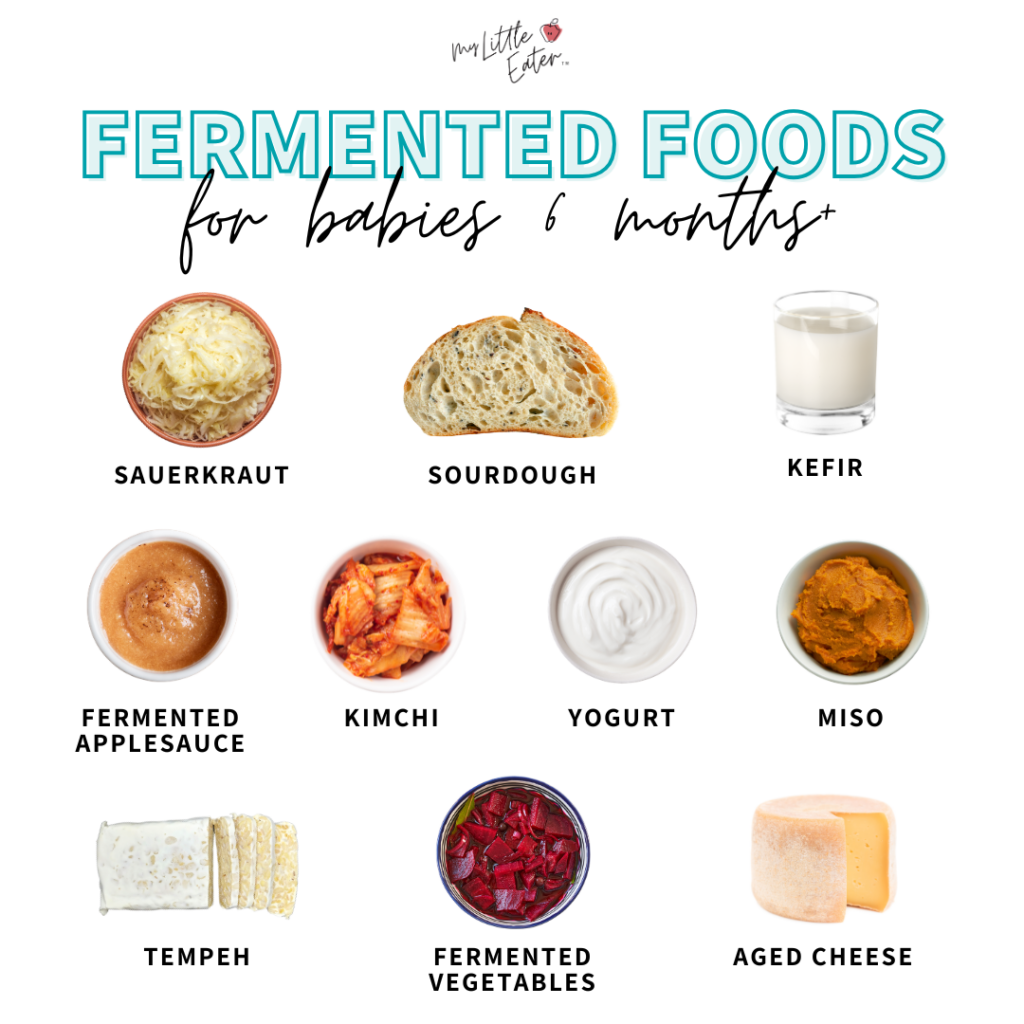
Introducing solid foods to an infant is a developmental milestone that often leaves parents navigating a complex landscape of nutritional advice and safety protocols. Among the diverse categories of nutrients available for a developing child, fermented foods have gained significant attention from pediatric nutritionists and health organizations for their potential to foster gut health and immune system maturation. As infants reach the six-month mark—the period generally recommended by the World Health Organization and pediatric associations for the initiation of complementary feeding—the integration of fermented items, such as yogurt, kefir, sauerkraut, and sourdough, presents a unique opportunity for early palate training and microbial support.

The process of fermentation involves the metabolic conversion of sugars and starches by microorganisms, such as lactic acid bacteria or yeast. Historically utilized as a method of preservation to extend the shelf life of produce and dairy in the absence of refrigeration, fermentation also fundamentally alters the chemical composition of food. By breaking down complex compounds, this process can improve the digestibility of certain proteins and increase the bioavailability of vitamins and minerals. For the developing infant, whose digestive system is rapidly evolving, these benefits are particularly relevant.

The Role of the Gut Microbiome in Early Infancy
Scientific consensus has increasingly focused on the gut microbiome as a cornerstone of long-term health. The gastrointestinal tract is home to trillions of microbes that play a vital role in metabolic and immune functions. Clinical studies suggest that approximately 80% of the immune system resides within the gut. By introducing fermented foods, parents are essentially providing a source of exogenous probiotics—live, beneficial bacteria—that can assist in maintaining microbial diversity.
This colonization of the gut is particularly critical during the first year of life, a period often referred to as the "window of opportunity" for microbial programming. Research indicates that a diverse gut microbiome during infancy is associated with a reduced risk of developing allergies, autoimmune conditions, and chronic inflammatory diseases later in life. Fermented foods, including kefir and traditionally prepared yogurt, are dense in these beneficial strains, such as Lactobacillus and Bifidobacterium, which help reinforce the intestinal barrier and inhibit the colonization of pathogenic bacteria.

Strategic Integration of Fermented Foods
While the benefits are significant, the introduction of fermented foods requires a methodical approach to ensure safety and tolerance. Because some fermented items contain common allergens—including dairy (yogurt, kefir, cheese), wheat (sourdough), and soy (miso, tempeh)—they should be introduced in accordance with established allergen introduction protocols. This involves offering the food in small amounts, in isolation, and observing the infant for any signs of an adverse reaction, such as hives, respiratory distress, or severe gastrointestinal upset.

The following list outlines common fermented foods and their specific considerations for infants:

- Yogurt and Kefir: These dairy-based ferments are excellent sources of calcium, protein, and vitamin D. For infants, it is recommended to select plain, full-fat, pasteurized versions. Avoiding added sugars is paramount, as dietary guidelines for infants emphasize the importance of limiting refined sugars before the age of two to prevent the development of early preference for overly sweet foods.
- Sauerkraut and Fermented Vegetables: These provide fiber and vitamin K. However, commercial varieties can be excessively high in sodium. To mitigate this, parents are advised to rinse sauerkraut under cold, running water before serving. This simple step significantly reduces the sodium concentration while retaining the majority of the beneficial probiotic cultures.
- Sourdough Bread: The long fermentation process of sourdough bread aids in the breakdown of gluten, potentially enhancing its digestibility. Unlike mass-produced bread, traditional sourdough often lacks the artificial preservatives and added sugars commonly found in commercial loaves, making it a nutrient-dense choice.
- Miso: As a fermented soybean paste, miso is rich in minerals. Due to its high sodium content, it should be used sparingly as a flavor enhancer in soups or stews rather than as a primary component of a meal.
- Tempeh: This fermented soy product provides a firm, cake-like texture that is ideal for infants transitioning to finger foods. It is a robust source of plant-based protein and omega-3 fatty acids.
Safety Protocols and Regulatory Considerations
The primary concern regarding the introduction of fermented foods for infants is the risk of foodborne illness. While fermentation creates an acidic environment that is generally inhospitable to harmful pathogens, it is not a foolproof safeguard. Parents should prioritize store-bought, pasteurized products that are strictly regulated by food safety authorities. Products sold in the refrigerated section of supermarkets are more likely to contain live, active cultures compared to shelf-stable counterparts, which may have been heat-treated, thereby neutralizing the probiotic benefits.

There are specific categories of fermented foods that must be avoided entirely during the first year of life. The most critical of these is any product containing honey. Fermentation processes that utilize honey are strictly contraindicated due to the risk of infant botulism, a rare but life-threatening illness caused by Clostridium botulinum spores. These spores can persist in honey, and an infant’s immature digestive tract lacks the necessary acidity and microbial diversity to prevent the spores from germinating and producing toxins. This risk remains until the child reaches 12 months of age.

Additionally, while some beverages like kombucha are marketed as health tonics, they are not appropriate for infants. Kombucha is produced through a fermentation process that naturally generates trace amounts of alcohol as a byproduct. Pediatricians and nutrition experts advise against the consumption of any alcohol, regardless of concentration, for infants and young children.

Managing Digestive Adjustments
Parents may observe temporary changes in their infant’s digestive patterns, such as increased gas or minor bloating, when first introducing fermented foods. This is typically a sign of the digestive system adapting to a new influx of fiber and probiotic bacteria. To minimize discomfort, the "start slow" rule should be applied: begin with a small, single-ingredient portion and gradually increase the frequency and quantity as the infant demonstrates tolerance.

It is also important to note that while fermented foods can assist with regularity and alleviate constipation due to their probiotic content, they are not a medical treatment for chronic digestive issues. Persistent constipation or gastrointestinal distress should always be discussed with a pediatrician to rule out underlying medical conditions or sensitivities.

The Broader Impact on Flavor Development
Beyond the biological benefits of gut health, fermented foods serve as an essential tool in broadening an infant’s palate. The typical Western diet is often heavily skewed toward sweet and salty profiles. By introducing the tangy, sour, or umami flavors characteristic of fermented foods, parents can help children develop a higher tolerance for a wider spectrum of tastes. This early exposure is a critical component of preventing "picky eating" behaviors, as infants who are regularly exposed to diverse flavor profiles during the initial stages of solid food introduction are statistically more likely to accept a wider variety of foods in childhood and adulthood.

Conclusion and Clinical Perspective
The inclusion of fermented foods in an infant’s diet represents a scientifically backed strategy for enhancing nutritional intake and supporting the development of a robust immune system. By selecting pasteurized, unsweetened, and low-sodium options, and by carefully avoiding high-risk ingredients like honey or alcohol-containing ferments, parents can safely leverage these "living" foods to benefit their child’s growth.

As the body of research continues to grow, it is likely that clinical guidelines will place even greater emphasis on the role of fermented foods in early life nutrition. For now, the integration of these items should be viewed as part of a balanced, varied diet that emphasizes whole, nutrient-dense ingredients. As always, parents should maintain open communication with their pediatric healthcare providers, especially if the infant has a history of food allergies, digestive sensitivities, or is currently undergoing medical treatment, such as a course of antibiotics. In such cases, a professional can offer tailored advice on how to use fermented foods to replenish the microbiome and support long-term metabolic health.
Related posts: