Understanding Love Languages: A Framework for Enhanced Interpersonal Communication and Emotional Well-being


The concept of "love languages," a popular psychological framework for understanding how individuals express and receive affection, continues to gain traction as a tool for improving interpersonal relationships across various demographics, particularly within family units. Initially introduced by Dr. Gary Chapman in his seminal 1992 book, The Five Love Languages: How to Express Heartfelt Commitment to Your Mate, the theory posits that people primarily communicate and experience love through one of five distinct modes. These include Words of Affirmation, Acts of Service, Quality Time, Physical Touch, and Receiving Gifts. Decades after its initial publication, the framework remains a widely discussed topic in discussions surrounding relationship dynamics, parenting strategies, and personal development, demonstrating its enduring relevance in contemporary society.
The Genesis and Evolution of the Love Languages Concept
Dr. Gary Chapman, a Baptist pastor and marriage counselor, developed the love languages theory after observing recurring patterns in the communication struggles of couples he counseled. He noticed that many individuals felt unloved despite their partners’ efforts, simply because those efforts were not expressed in a way the recipient could readily understand or appreciate. Chapman hypothesized that people have different primary "love languages," and when partners learn to "speak" each other’s language, their emotional connection deepens significantly.
Chapman’s book, originally focused on romantic relationships, became a grassroots phenomenon, gradually spreading through word-of-mouth and eventually selling millions of copies worldwide. Its accessible language and practical advice resonated with a broad audience, leading to adaptations for various contexts, including parenting, children, teenagers, and even the workplace. The book’s success underscored a pervasive human need for effective emotional communication and the simplicity of Chapman’s model made it easy to grasp and apply. The theory gained significant momentum in the early 2000s and has since been integrated into numerous self-help programs, counseling practices, and educational curricula focused on emotional intelligence.

The Five Core Love Languages Explained
A detailed understanding of each love language is crucial for its effective application:
-
Words of Affirmation: This language involves expressing affection through spoken or written words that affirm, appreciate, or encourage the other person. Compliments, verbal praise, expressions of gratitude, and loving notes fall into this category. For individuals whose primary love language is Words of Affirmation, hearing "I love you," "You did a great job," or "I appreciate you" can profoundly impact their sense of being valued and cherished. It is not merely about saying kind words but about articulating specific and genuine sentiments that build up the recipient.
-
Acts of Service: For those who speak this love language, actions speak louder than words. Acts of Service involve doing things for another person that they would appreciate, such as helping with chores, running errands, cooking a meal, or offering practical assistance without being asked. The underlying message is, "I care for you, and I am willing to put effort into making your life easier or better." These actions demonstrate thoughtfulness and a willingness to lighten the other person’s burdens, conveying love through tangible assistance.
-
Quality Time: This love language emphasizes undivided attention and shared experiences. It’s not just about being in the same room but about actively engaging with the other person, making them feel like the sole focus of one’s attention. This can involve conversations, shared hobbies, going for walks, watching movies together, or simply sitting and listening attentively. The key is the presence and focus, creating memories and strengthening bonds through shared moments. Distractions, such as phones or other tasks, can be particularly hurtful to individuals whose primary love language is Quality Time.

-
Physical Touch: For individuals who primarily communicate love through Physical Touch, appropriate physical expressions of affection are paramount. This can range from holding hands, hugging, cuddling, back rubs, or a comforting pat on the shoulder. It’s about the physical presence and connection, providing comfort, security, and warmth through bodily contact. The nature and intensity of physical touch are, of course, highly dependent on the relationship and individual comfort levels, but for those who value it, these gestures are powerful affirmations of love and connection.
-
Receiving Gifts: While often misunderstood as materialism, the love language of Receiving Gifts is about the thoughtfulness and effort behind a present, rather than its monetary value. For these individuals, a gift is a tangible symbol of love, indicating that the giver was thinking of them and took the time to select something meaningful. It could be a small souvenir, a favorite snack, a handwritten card, or a carefully chosen item that reflects the recipient’s interests. The act of giving, and the symbolism it carries, is what communicates love.
Application in Familial Settings: A Case Study
The practical application of love languages within families has shown promising results in fostering stronger parent-child bonds and improving overall household communication. A recent informal observation conducted within a New York household, involving a 12-year-old named Anton, highlighted how identifying and responding to a child’s specific love language can significantly enhance their sense of being cherished.
During a bedtime conversation, after discussing typical pre-teen interests like fishing and drumming, the topic shifted to love languages. While the parent initially hypothesized that Anton’s primary love language might be Physical Touch, given common childhood tendencies for cuddles, Anton expressed a different perspective. He identified Acts of Service, citing instances like receiving apple slices while doing homework, and Quality Time, exemplified by bike rides or playing board games like Codenames, as the ways he felt most loved. This insight allowed the parent to adapt their expressions of affection, leading to tangible positive outcomes. For instance, surprising Anton with a bowl of Cheerios in bed before school, or actively engaging in his drumming practice by asking detailed questions about technique, were actions specifically tailored to his expressed love languages. These small gestures, rooted in an understanding of his emotional needs, were reported to elicit significant joy and a deeper sense of being valued in the child.
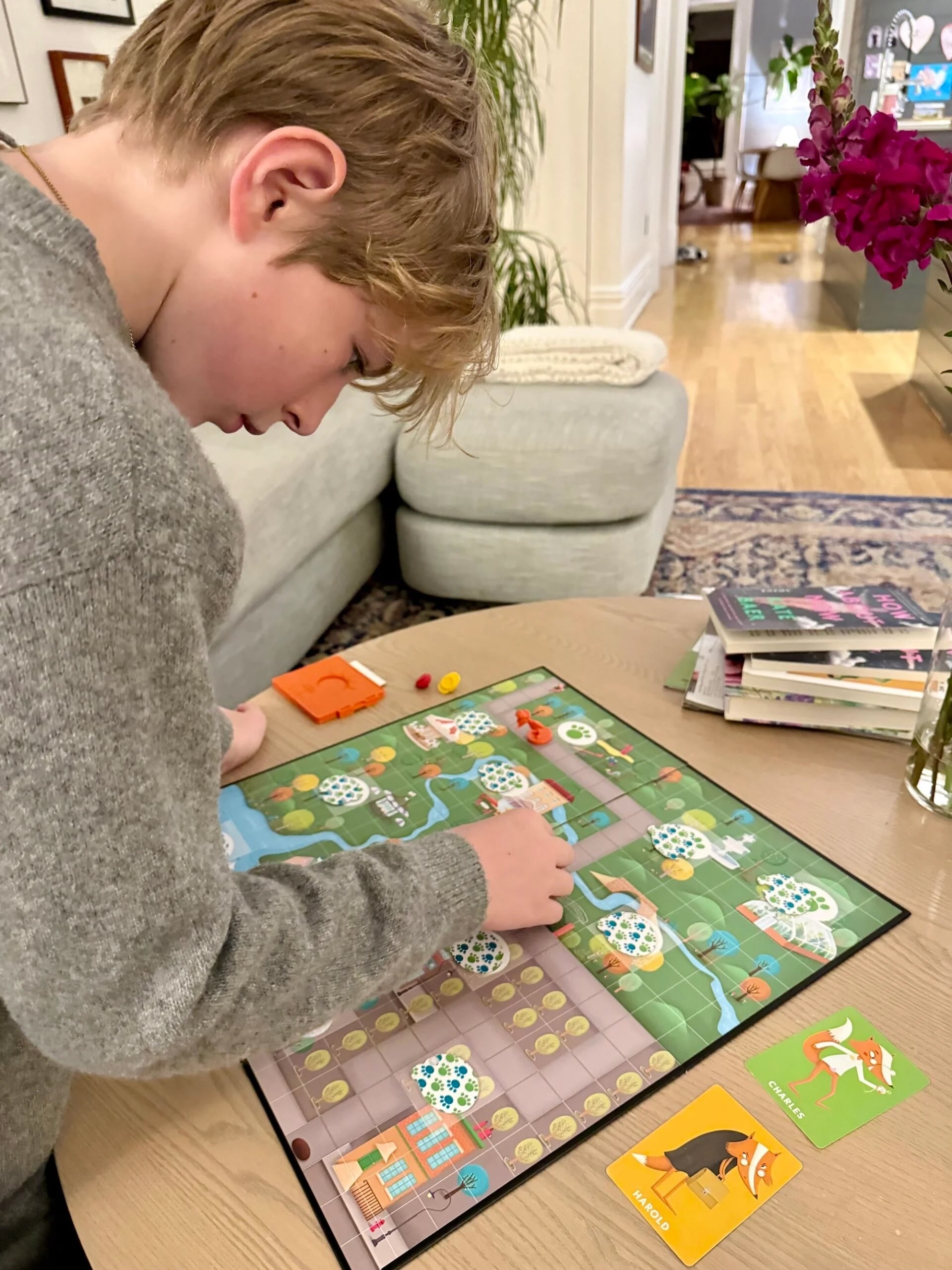
This illustrative example mirrors findings from broader family counseling practices, where parents are encouraged to actively inquire about their children’s emotional needs rather than assuming them. Dr. Eleanor Vance, a child psychologist specializing in family dynamics, states, "Children, even at a young age, often have a clear sense of what makes them feel loved and secure. Engaging them in conversations about how they perceive affection not only helps parents tailor their approach but also teaches children valuable lessons in self-awareness and emotional articulation." Vance adds that "understanding a child’s love language can be particularly impactful during adolescence, a period often marked by shifting emotional needs and a growing desire for independence."
Broader Impact and Implications
The widespread adoption of the love languages framework has had several significant implications:
- Enhanced Communication: It provides a common vocabulary for discussing emotional needs, reducing misunderstandings and fostering clearer communication within relationships. Partners and family members can articulate what they need and how they feel loved, rather than relying on unspoken expectations.
- Increased Empathy: Learning about different love languages encourages individuals to step outside their own preferred mode of expression and consider the emotional needs of others. This fosters empathy and a greater appreciation for diverse ways of expressing care.
- Improved Relational Satisfaction: Numerous anecdotal reports and informal surveys suggest that couples and families who actively discuss and practice love languages report higher levels of relational satisfaction and reduced conflict. By intentionally "speaking" another person’s love language, individuals can more effectively fill their "emotional love tank."
- Tool for Parenting and Education: For parents, understanding their child’s love language can lead to more effective discipline, stronger bonds, and a greater sense of emotional security for the child. In educational settings, teachers might use these principles to better connect with students, understanding that some thrive on verbal encouragement (Words of Affirmation) while others respond better to one-on-one attention (Quality Time).
- Personal Growth: Identifying one’s own love language can lead to greater self-awareness and provide insights into personal emotional needs, contributing to overall well-being. This self-knowledge can also empower individuals to communicate their needs more effectively to others.
Critiques and Nuances
While popular, the love languages framework is not without its critics. Some psychologists argue that it oversimplifies the complexities of human emotion and relationships, suggesting that love is multifaceted and cannot be neatly categorized into just five expressions. Others point to a lack of rigorous empirical research to fully validate the theory as a scientific construct. The argument is often made that while helpful as a heuristic, it should not be viewed as a definitive psychological model.

However, proponents counter that its accessibility and practical utility outweigh these academic critiques. The strength of the love languages lies not in its scientific rigor as a psychological theory but in its ability to provide a simple, actionable framework that helps individuals reflect on their relationships and improve communication. It serves as a powerful metaphor and a starting point for deeper conversations about emotional needs. Dr. Robert Jenkins, a professor of social psychology, observes, "While perhaps not a ‘grand theory’ of love, Chapman’s work offers an intuitive and remarkably effective practical guide for everyday people seeking to improve their most important relationships. Its enduring popularity speaks to its utility."
Conclusion
The "love languages" framework, originating from Dr. Gary Chapman’s observations in marital counseling, has evolved into a widely recognized tool for enhancing communication and fostering deeper emotional connections across all types of relationships, especially within families. By providing a clear vocabulary for understanding how individuals prefer to give and receive love, it empowers people to express affection in ways that truly resonate with their loved ones. From a parent learning that their child feels most cherished through acts of service to couples navigating their differences, the enduring appeal of the love languages lies in its practical application and its ability to bridge emotional gaps, contributing to more harmonious and fulfilling interpersonal dynamics in an increasingly complex world. Its continued relevance underscores the fundamental human need for connection and effective emotional expression.
Related posts: