In the dynamic and often intense arena of youth sports, the true measure of success extends far beyond the final score. While the thrill of victory is undeniable, the fundamental objective, increasingly recognized by educators, psychologists, and parents alike, lies in cultivating character, resilience, and respect. This comprehensive approach to youth sports parenting emphasizes that the lessons learned on the field, court, or track – particularly those related to sportsmanship – are invaluable life skills that shape individuals long after their athletic careers conclude.
The concept of sportsmanship for young athletes encompasses a broad spectrum of behaviors, moving beyond a simple post-game handshake. It is deeply rooted in emotional regulation, accountability for one’s actions, and an unwavering respect for teammates, coaches, opponents, and officials. This holistic development begins not with coaches or leagues, but profoundly within the home, guided by strong youth sports parenting. Whether a child is embarking on their first season or navigating the pressures of competitive play, parents are pivotal in shaping a resilient athlete mindset. The manner in which a child confronts setbacks, manages pressure, and interacts with others is predominantly modeled and reinforced within the family unit. By prioritizing the development of a respectful athlete over the singular pursuit of trophies, parents are investing in skills that transcend the boundaries of any playing field, fostering individuals capable of competing with courage, leading with empathy, and approaching life’s challenges with unwavering resilience.
The Evolving Landscape of Youth Sports: A Modern Context
Youth sports have undergone a significant transformation in recent decades. What was once primarily a recreational activity focused on physical health and informal play has evolved into a highly organized, competitive, and often commercialized sector. According to reports from organizations like the Aspen Institute’s Project Play, millions of children participate in organized sports annually across various disciplines. However, this growth has brought with it increased pressure from parents, coaches, and even children themselves to achieve victory, often at the expense of developmental objectives. The focus has shifted, in many instances, from intrinsic enjoyment and skill acquisition to extrinsic rewards and competitive outcomes.
This heightened competitive environment has inadvertently amplified the challenges in instilling sportsmanship. Parents, driven by a desire for their children to succeed, can sometimes contribute to an atmosphere where winning is paramount. This can manifest in sideline behavior, post-game reactions, and the overall emphasis placed on performance. Understanding this modern context is crucial for parents aiming to navigate youth sports effectively and ensure that their child’s participation remains a positive, character-building experience.
Cultivating a Growth Mindset: Beyond the Scoreboard
One of the most powerful strategies in youth sports parenting is to consciously shift the focus from merely winning to fostering growth and development. While celebrating achievements like goals, home runs, or individual victories is natural and healthy, the deeper impact comes from acknowledging and praising the underlying processes that build lasting confidence and character: consistent effort, perseverance through challenges, and effective teamwork.
Instead of only highlighting the final score, parents can articulate specific observations that reinforce a growth mindset. Phrases such as, "I noticed how you kept hustling even when the team was behind," or "You stayed calm under pressure today, that was impressive," redirect attention to the athlete’s internal qualities and controllable actions. This approach aligns with extensive research in developmental psychology, which demonstrates that a focus on growth, rather than fixed abilities or outcomes, cultivates greater resilience, motivation, and a willingness to embrace challenges. Wins and losses are transient, but an unwavering commitment to effort and personal improvement forms the bedrock of a young athlete’s character over time, extending far beyond their athletic journey into academic pursuits and future careers. Studies have shown that athletes with a strong growth mindset exhibit higher levels of motivation, greater enjoyment in their sport, and are less likely to experience burnout or anxiety related to performance.
Embracing Teamwork as a Core Family Value
Teamwork is not an abstract concept confined to the playing field; it is a fundamental life skill that starts within the family unit. Parents have a unique opportunity to instill this value by encouraging their children to actively support teammates, offer assistance during practice, and recognize the diverse strengths each individual brings to the group. As observers and role models, parents set the standard by vocally applauding exceptional plays, regardless of which team or child executes them. Furthermore, expressing genuine gratitude for the often-unsung heroes of youth sports – the coaches, referees, and dedicated volunteers – reinforces a broader appreciation for the community effort that makes these experiences possible.
Raising a truly good sport involves teaching a child that the collective success and well-being of the team are as significant as, if not more important than, individual accolades. This fosters empathy, cooperation, and a sense of shared responsibility, preparing children for collaborative environments they will encounter throughout their lives. Sports psychologists frequently emphasize that fostering a sense of collective achievement prepares children for collaborative environments in adulthood, teaching them to value group cohesion and shared goals.
Home as the Training Ground for Character and Emotional Regulation
The development of character is an ongoing process, not an event solely confined to organized sports. The home environment serves as an invaluable training ground for practicing sportsmanship. Simple family activities, such as board games, friendly competitions, or even video games, offer low-stakes opportunities to learn how to lose graciously and win humbly. These interactions provide a safe space for children to experience and process the emotions associated with both victory and defeat.
Parents can proactively engage in conversations about the feelings that arise from losing, guiding their child in expressing disappointment constructively, without resorting to blame or excuses. This deliberate practice at home is remarkably effective in helping children develop emotional regulation skills, which are crucial when they face the heightened pressure and intensity of a real game situation. Research in child development consistently highlights that children who learn emotional regulation skills early in life demonstrate better social competence, reduced behavioral problems, and improved overall mental well-being.
Empowering Self-Advocacy and Constructive Communication
A common parental instinct is to intervene immediately when a child expresses frustration about playing time, a coach’s decision, or a perceived injustice. However, resisting this urge presents a significant opportunity for character development. Instead, parents can empower their children by teaching them how to articulate concerns respectfully and engage in problem-solving independently. This might involve role-playing a conversation with a coach, helping the child structure their thoughts, or even drafting a script of what they wish to communicate.
These seemingly small moments are critical in building lifelong communication skills, fostering a resilient athlete who possesses the confidence to navigate conflict and advocate for themselves constructively. Such abilities are not just beneficial in sports but are essential for success in academic settings, future workplaces, and personal relationships.
Fostering Accountability and Resilience: Avoiding the Blame Game
Bad calls, tough losses, and unforeseen challenges are an inherent part of every athlete’s journey. When a child instinctively blames external factors – the referee, the weather, a teammate, or even the equipment – parents have a vital role in gently redirecting the focus back to what the child can control: their own effort, attitude, and sportsmanship.
A simple yet profound question like, "What do you think you could do differently next time?" encourages introspection and personal responsibility. This approach cultivates an internal locus of control, teaching children that while external circumstances may be beyond their influence, their response to those circumstances is entirely within their power. Accountability is a cornerstone of character development in youth sports parenting, equipping children with the self-awareness and proactive mindset necessary for continuous improvement. Leading coaches and child development specialists universally agree that learning to take responsibility for one’s actions is paramount for personal growth and sustained engagement in any endeavor.
The Parent as Emotional Anchor: Post-Game Support
The immediate aftermath of a game is a critical window for parental influence, and how a parent reacts often matters more than the actual score. Regardless of the outcome, maintaining a calm, positive, and supportive demeanor is paramount. It is generally advisable to avoid offering immediate performance critiques unless the child explicitly initiates that conversation.
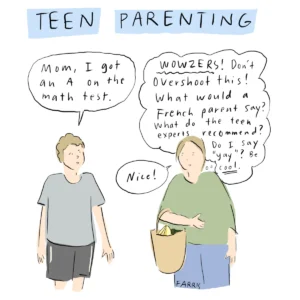
Instead, simple, affirming statements such as, "I loved watching you play today," or "You gave it your all out there," validate the child’s effort and participation, reinforcing their intrinsic motivation. If the child expresses a desire to discuss mistakes or frustrations, parents should listen with genuine empathy and ask open-ended questions that encourage reflection without judgment. This calm, steady presence provides a safe emotional space for young athletes to process both triumphs and disappointments honestly, fostering emotional intelligence and trust. Research indicates that excessive parental pressure after games can significantly contribute to anxiety and a decreased enjoyment of sports for children, sometimes leading to early dropout.
Respecting Coaching Authority and Sideline Etiquette

While parents naturally want to support their children, yelling instructions or criticisms from the sidelines can often be counterproductive. Such behavior not only distracts children but also undermines the coach’s authority and adds unnecessary pressure. A crucial aspect of positive youth sports parenting is modeling respectful sideline behavior. This means cheering with genuine enthusiasm for all participants, rather than offering constant critiques or expressing frustration with officials.
Youth sports organizations increasingly implement codes of conduct for parents, underscoring the importance of respectful sideline behavior to create a positive environment for everyone. Parents who demonstrate restraint and respect for the coaching staff and officials teach their children the importance of respecting authority and adhering to rules, lessons that extend far beyond the playing field.
Modeling Emotional Regulation in Action
Children are keen observers, and their parents’ reactions to game-day events are often more impactful than any verbal instruction. If a parent loses composure after a challenging game or a questionable call, it presents a powerful teachable moment. Taking responsibility for one’s emotional missteps is a masterclass in emotional maturity.
A statement such as, "I got frustrated, and I didn’t handle that well. Here’s what I should have done," demonstrates transparency and vulnerability. This authentic admission of imperfection, coupled with a reflection on more appropriate responses, provides a potent example of the resilient athlete mindset. Children learn that it is acceptable to feel strong emotions, but more importantly, they learn how to manage those emotions constructively, a critical life skill.
Leveraging Media for Teachable Moments
Beyond live games, sports movies, documentaries, and televised professional matches offer a rich tapestry of teachable moments for character development. These media resources provide a low-stakes environment for parents and children to discuss values without the immediate pressure of personal performance.
Parents can pause the action and ask insightful questions such as, "What do you think that player did well in that situation?" or "How do you think their teammate felt in that moment?" These questions encourage empathy, critical thinking, and a deeper understanding of the dynamics of competition and cooperation. Such conversations are powerful tools for exploring concepts like fair play, accountability, and sportsmanship in a relatable and engaging manner, making abstract principles tangible and meaningful.
Prioritizing Fun and Intrinsic Motivation
One of the most concerning trends in youth sports is the high dropout rate, often attributed to excessive pressure and a decline in enjoyment. When the fun is overshadowed by the relentless pursuit of victory, children’s intrinsic motivation wanes, leading to disengagement and burnout. Parents must remain attuned to their child’s enthusiasm. Are they genuinely excited for practice? Do they display joy while playing? If the answer is consistently negative, it may be time to reassess the situation.
Organizations like the National Alliance for Youth Sports consistently highlight that fun is the primary reason children participate in sports and what keeps them engaged long-term. Prioritizing enjoyment ensures sustained participation and is often the fundamental basis for long-term success, both within sports and in other areas of life. It fosters a love for physical activity and healthy competition that can last a lifetime.
Bonus Tip: Knowing When to Step Back and Reassess
Even the most well-intentioned and supportive parents can sometimes inadvertently overstep boundaries. If a child consistently expresses frustration, anxiety, or a strong desire to quit a sport, these signals should be taken seriously. True resilience in youth sports is not about an unwavering commitment to never quitting, but rather about developing the self-awareness to know when to pivot, reassess goals collaboratively, and explore what truly brings them joy and fulfillment.
Sometimes, the most powerful act of supportive parenting is to hit pause, engage in open dialogue, and collectively decide on a different path. This teaches children invaluable lessons in self-awareness, decision-making, and the courage to pursue authentic happiness, even if it means changing direction. This ability to pivot with confidence and self-awareness is itself a profound expression of resilience.
Broader Societal Impact and Implications
The consistent cultivation of sportsmanship in youth extends far beyond individual athletic achievements. Children who learn to regulate their emotions, respect authority, exhibit empathy, and take accountability for their actions contribute to a more civil and cooperative society. These values are foundational for effective citizenship, ethical leadership, and successful community engagement.
In a world that increasingly values collaboration and emotional intelligence, the lessons gleaned from positive youth sports experiences are invaluable. They prepare individuals to navigate complex social dynamics, resolve conflicts peacefully, and contribute positively to group endeavors. Moreover, fostering an environment where fun and development are prioritized over winning can reduce stress and anxiety in young athletes, contributing positively to their mental health and overall well-being. The implications are clear: investing in sportsmanship today is an investment in the character of future generations.
Final Thoughts
Raising a respectful and resilient athlete demands more than occasional pep talks; it requires consistent patience, deliberate modeling of desired behaviors, and a long-term perspective on what truly matters. By steadfastly focusing on effort and character development over fleeting outcomes and intense competition, parents are doing more than just shaping a competent player – they are actively nurturing a great human being. The transient scores on the scoreboard will inevitably fade from memory, but the enduring values and character traits instilled through positive sports parenting will remain with the child, guiding them confidently through every facet of their lives.
Frequently Asked Questions
Q: How do you raise a child who is a good sport?
A: Raising a good sport begins with consistent parental modeling. Prioritize praising effort, perseverance, and growth over mere outcomes. Actively encourage empathy for both teammates and opponents, and help your child calmly process both victories and losses, encouraging curiosity about their performance rather than judgment. Establishing these consistent behaviors and attitudes within the home environment forms the strong foundation for good sportsmanship on the field.
Q: What should I say to my child after they lose a game?
A: Keep your comments simple, supportive, and focused on their effort and enjoyment, rather than the result. Effective phrases include: "I’m proud of how hard you worked today," or "I loved watching you play out there." Allow your child to lead the conversation regarding the game’s details or their performance. Resist the urge to offer immediate critiques unless they specifically ask for your feedback. Your role is primarily to be an emotional anchor and a source of unconditional support.
Q: Is it okay for my child to quit a sport?
A: The decision to quit a sport depends heavily on the specific circumstances. If the child is facing a momentary challenge or a single tough practice, encouraging them to persevere through short-term difficulty can be a valuable lesson in grit. However, if the sport consistently generates significant stress, anxiety, or a sustained lack of joy, it is absolutely acceptable and often beneficial to reevaluate their participation. Raising a resilient athlete sometimes means teaching them the wisdom and courage to pivot and pursue activities that genuinely align with their interests and well-being.
Q: How should parents handle bad calls in youth sports?
A: When your child or you witness a bad call, acknowledge the frustration but then promptly redirect the focus. A calm response like, "That was a tough call, but I’m proud of how you handled it," validates their feelings while simultaneously reinforcing positive behavior. Teaching your child to manage their emotions and maintain composure in challenging moments, rather than dwelling on external injustices, is one of the most enduring and valuable gifts of positive youth sports parenting.
Related posts: