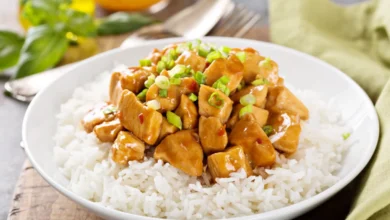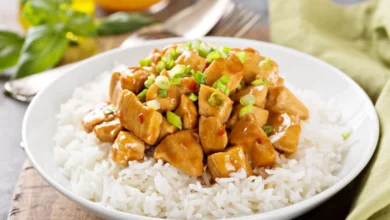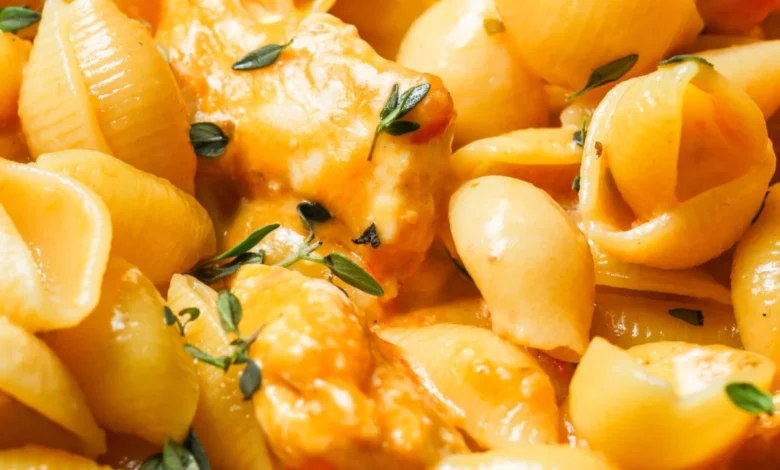
The culinary landscape is constantly evolving, with home cooks seeking innovative yet comforting dishes that cater to diverse palates and time constraints. In this pursuit, a remarkable fusion dish has emerged, skillfully blending the beloved flavors of Mexican tacos with the universal appeal of Italian pasta. This creamy Chicken Taco Pasta, a one-pan marvel, promises a symphony of tastes and textures, featuring tender chicken and perfectly cooked pasta enveloped in a zesty, cheesy sauce with a subtle kick of spice. Its straightforward preparation and crowd-pleasing flavor profile position it as an ideal solution for weeknight dinners, simplifying meal preparation without compromising on culinary satisfaction.
The genesis of such hybrid dishes often stems from a desire to simplify complex flavors or introduce familiar tastes in novel ways. The concept of integrating taco seasonings and ingredients into a pasta dish taps into a global appreciation for both cuisines. Tacos, with their vibrant spices and versatile fillings, have long been a staple in casual dining and home cooking. Similarly, pasta, in its myriad forms, offers a canvas for a wide range of sauces and preparations, embodying comfort and culinary adaptability. The amalgamation of these two distinct culinary traditions into a single, cohesive dish speaks to a modern approach to cooking that prioritizes convenience, flavor, and family appeal.
This one-pan Chicken Taco Pasta emerges as a testament to this culinary trend, offering a solution that addresses the perennial challenge of preparing delicious meals with minimal fuss and cleanup. The recipe’s emphasis on a single skillet not only streamlines the cooking process but also minimizes the dreaded pile of dishes that often accompanies elaborate meal preparation. This practical advantage, coupled with the promise of robust flavor, makes it an attractive proposition for busy individuals and families alike.
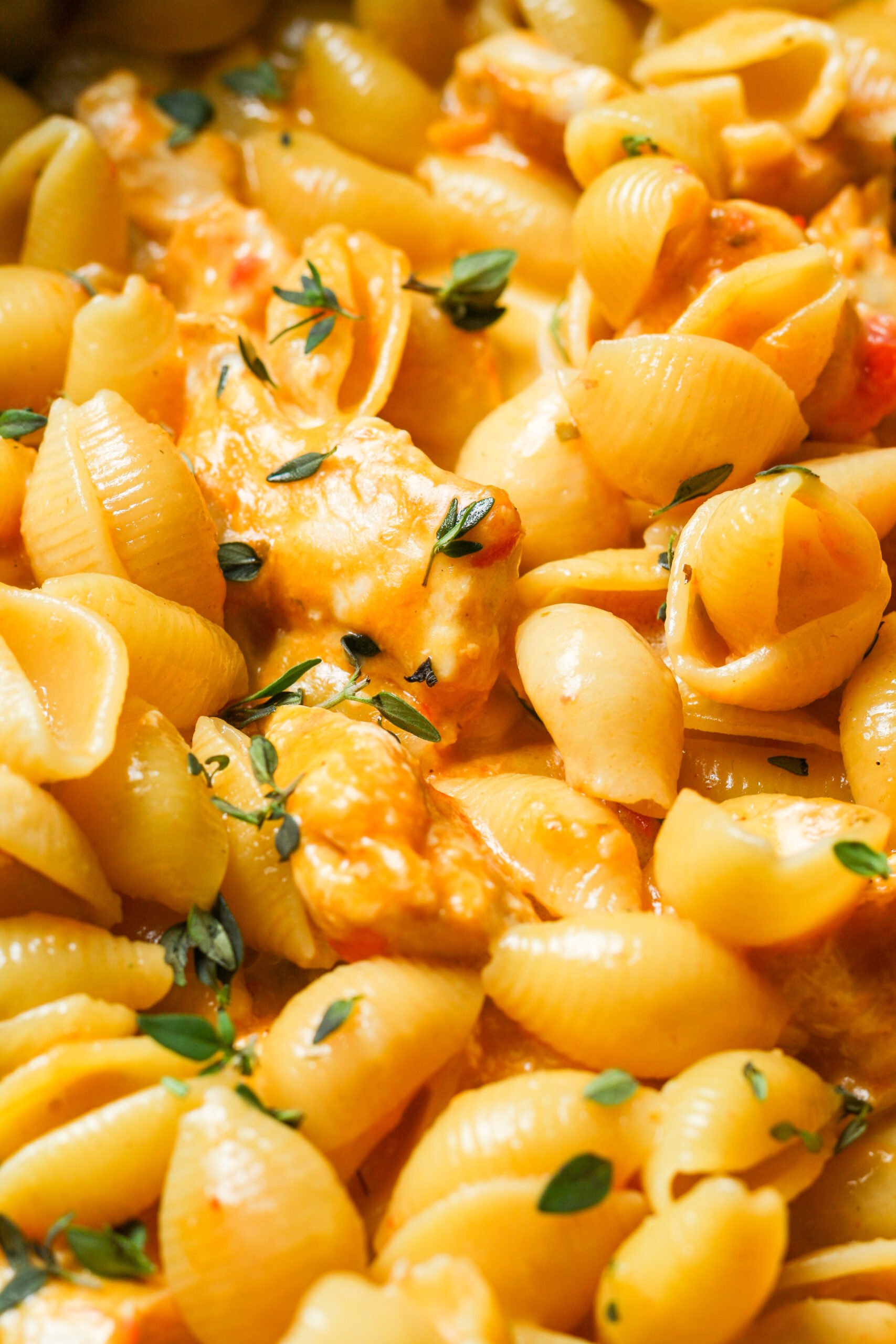
The Allure of One-Pan Cooking
The popularity of one-pan meals has surged in recent years, driven by a growing demand for efficiency in the kitchen. This cooking method offers a multitude of benefits:
- Reduced Cleanup: The most obvious advantage is the significant reduction in washing up. Instead of multiple pots and pans, only one is required, saving valuable time and effort.
- Intensified Flavors: Cooking ingredients together in a single pan allows flavors to meld and deepen, creating a more cohesive and robust taste profile.
- Nutrient Retention: By cooking ingredients in their own juices and the sauce, more nutrients can be retained compared to methods that involve draining or excessive water.
- Simplicity and Accessibility: One-pan recipes are often inherently simple, making them accessible to cooks of all skill levels. They minimize the need for complex techniques or multiple cooking stations.
The Chicken Taco Pasta perfectly embodies these advantages, transforming a potentially time-consuming meal into an effortless culinary experience.
Ingredients and Substitutions: A Flexible Foundation
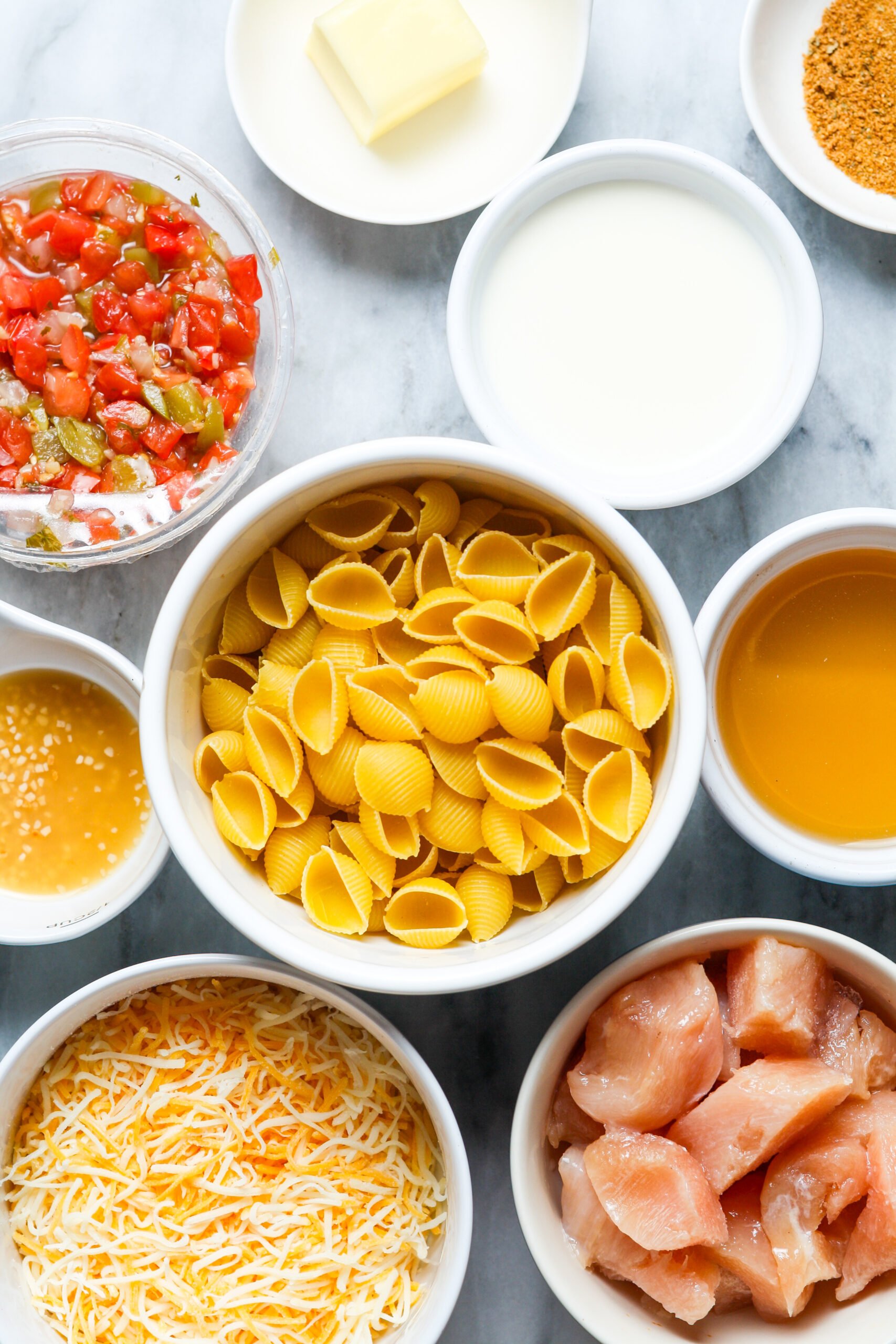
The success of any recipe often lies in its adaptability, allowing for personal preferences and ingredient availability. This Chicken Taco Pasta is designed with flexibility in mind, offering several avenues for customization.
- Chicken: The recipe typically calls for boneless, skinless chicken breast, cut into uniform one-inch pieces for even cooking. However, chicken thighs can be used interchangeably, offering a richer flavor and moister texture. For those seeking a leaner option or a different protein profile, ground turkey, chicken, or even a plant-based alternative like crumbled tofu or plant-based grounds can be employed, although cooking times may need adjustment.
- Fat for Searing: Butter is often recommended to initiate the cooking of the chicken and impart a subtle richness. Olive oil or another neutral cooking oil can be used as a substitute, particularly for those aiming for a dairy-free option or seeking a higher smoke point.
- Aromatics: Minced garlic is a cornerstone of flavor, providing a pungent depth that complements the other ingredients.
- Taco Seasoning: This is the heart of the dish’s flavor. Pre-made taco seasoning mixes are convenient, but home cooks can also create their own blend using chili powder, cumin, paprika, garlic powder, onion powder, and a pinch of cayenne pepper for heat. Adjusting the spice level of the taco seasoning is key to tailoring the dish to individual preferences.
- Tomatoes: Diced tomatoes, often a Rotel brand with green chilies, introduce a zesty acidity and a mild spicy undertone. Alternatively, a fresh salsa or a can of fire-roasted diced tomatoes can be used to vary the flavor profile.
- Creaminess and Liquid Base: A combination of chicken broth and whole milk forms the creamy sauce base. For a lighter version, skim milk or half-and-half can be used. Non-dairy milk alternatives, such as unsweetened almond or oat milk, can also be employed, though they may alter the richness and texture slightly.
- Pasta: Shell pasta is ideal as it effectively captures the creamy sauce. Whole wheat pasta adds a nutritional boost and a slightly firmer texture. Any short pasta shape, such as rotini, penne, or elbow macaroni, would also work well. Gluten-free pasta varieties can be used to make the dish entirely gluten-free.
- Cheese: Shredded cheese is crucial for achieving the luscious, creamy sauce. A Mexican blend, Monterey Jack, mozzarella, or sharp cheddar are all excellent choices, offering varying degrees of meltability and flavor. Pepper Jack can be added for an extra layer of heat.
- Garnishes: Fresh herbs, such as cilantro or chopped green onions, add a burst of freshness and visual appeal. Other popular toppings include sour cream, Greek yogurt, avocado slices, jalapeños, and crushed tortilla chips for added crunch.
The Culinary Journey: A Step-by-Step Guide
The preparation of this one-pan wonder is designed to be intuitive and efficient, guiding home cooks through a seamless process.
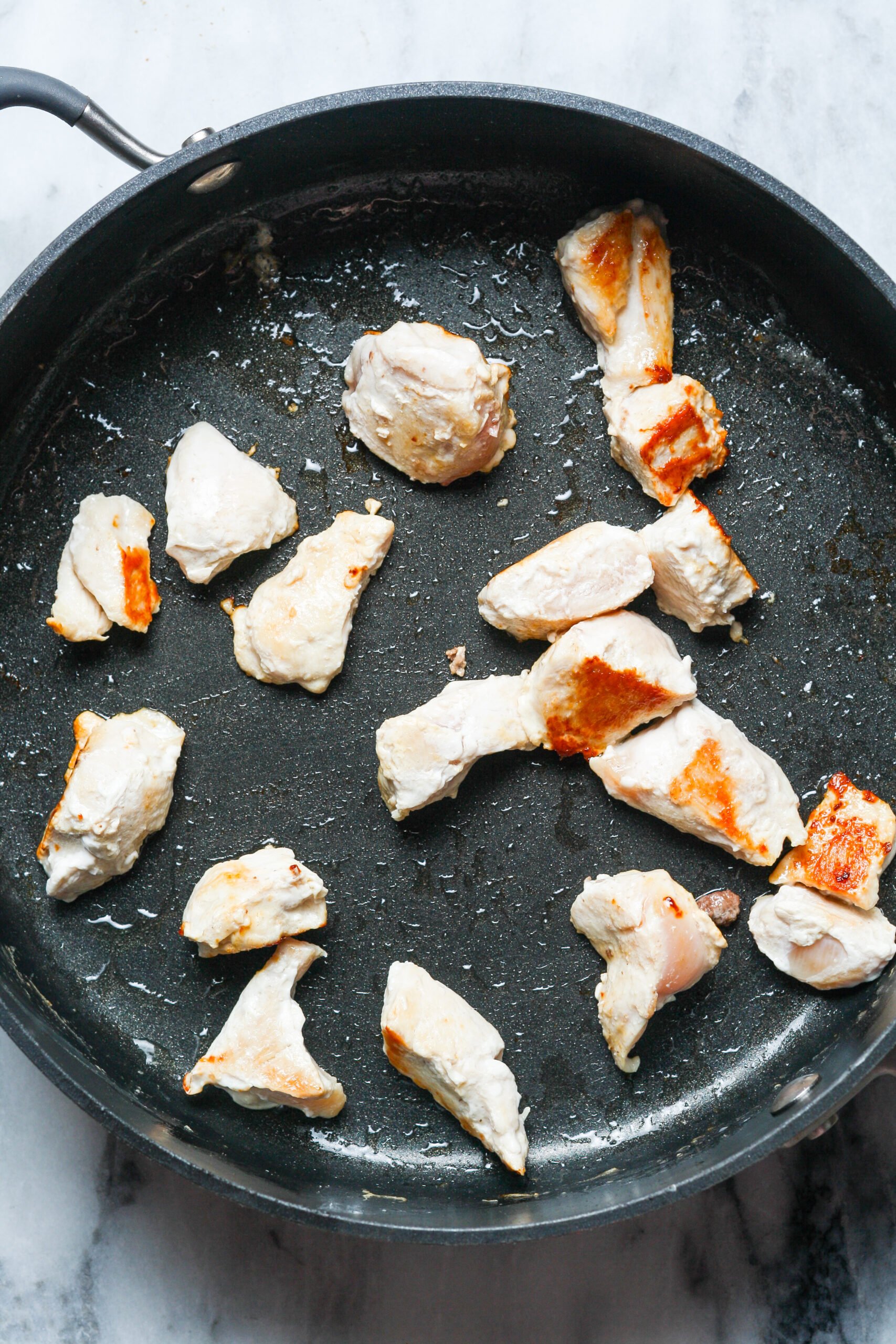
Step 1: Searing the Chicken
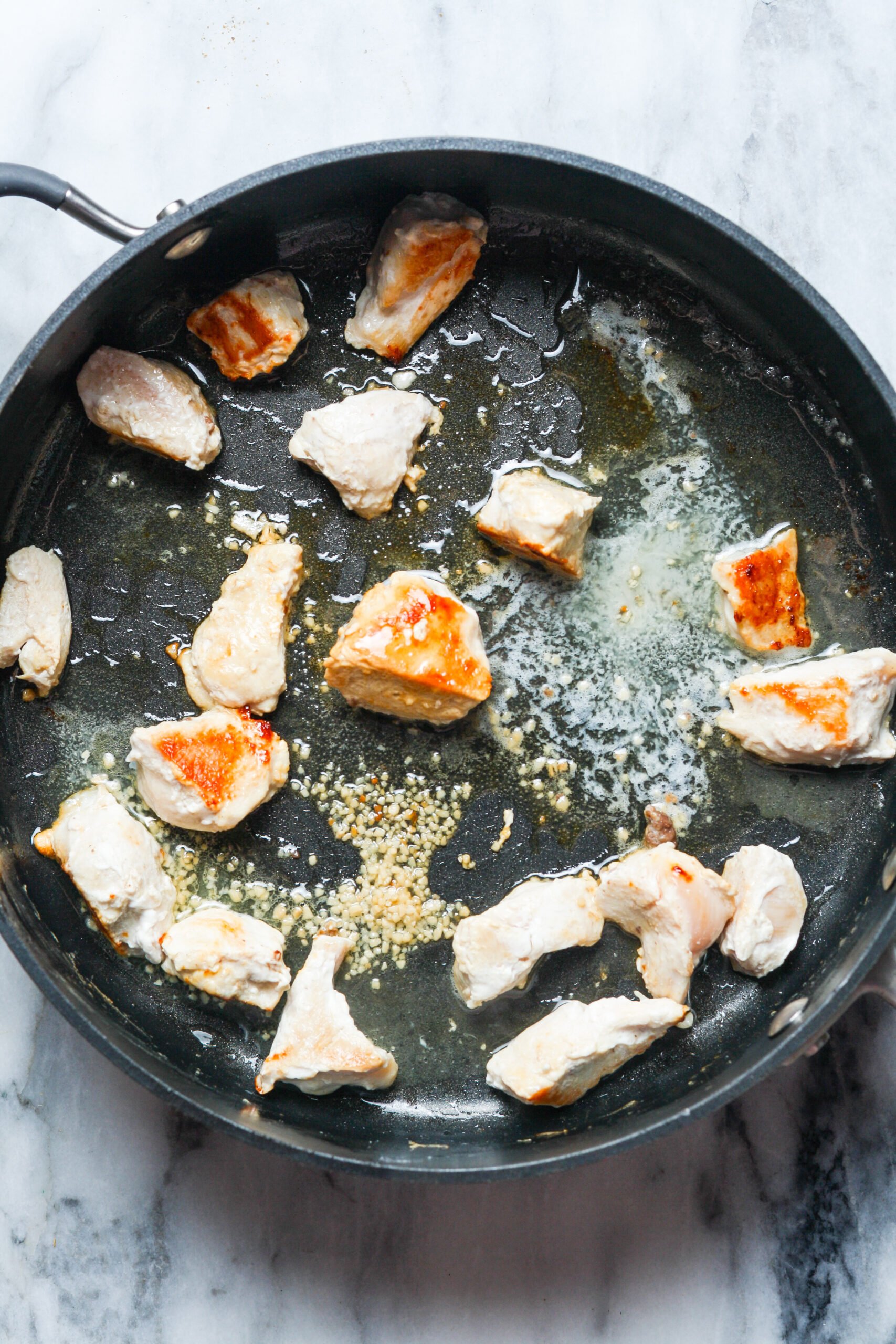
The culinary process begins by heating a tablespoon of butter in a large skillet over medium heat. Once the butter has melted and is shimmering, the one-inch chicken cubes are added. The chicken is allowed to brown on all sides, creating a flavorful crust and ensuring it is partially cooked before the other ingredients are introduced. This initial searing is crucial for developing depth of flavor and achieving a desirable texture.
Step 2: Infusing Aromatics
Following the browning of the chicken, an additional tablespoon of butter is added to the skillet. Once melted, minced garlic is introduced and sautéed for approximately one minute, until its fragrant aroma fills the kitchen. This brief sautéing process releases the garlic’s essential oils, infusing the butter and chicken with its characteristic pungent flavor.
Step 3: Building the Flavor Base
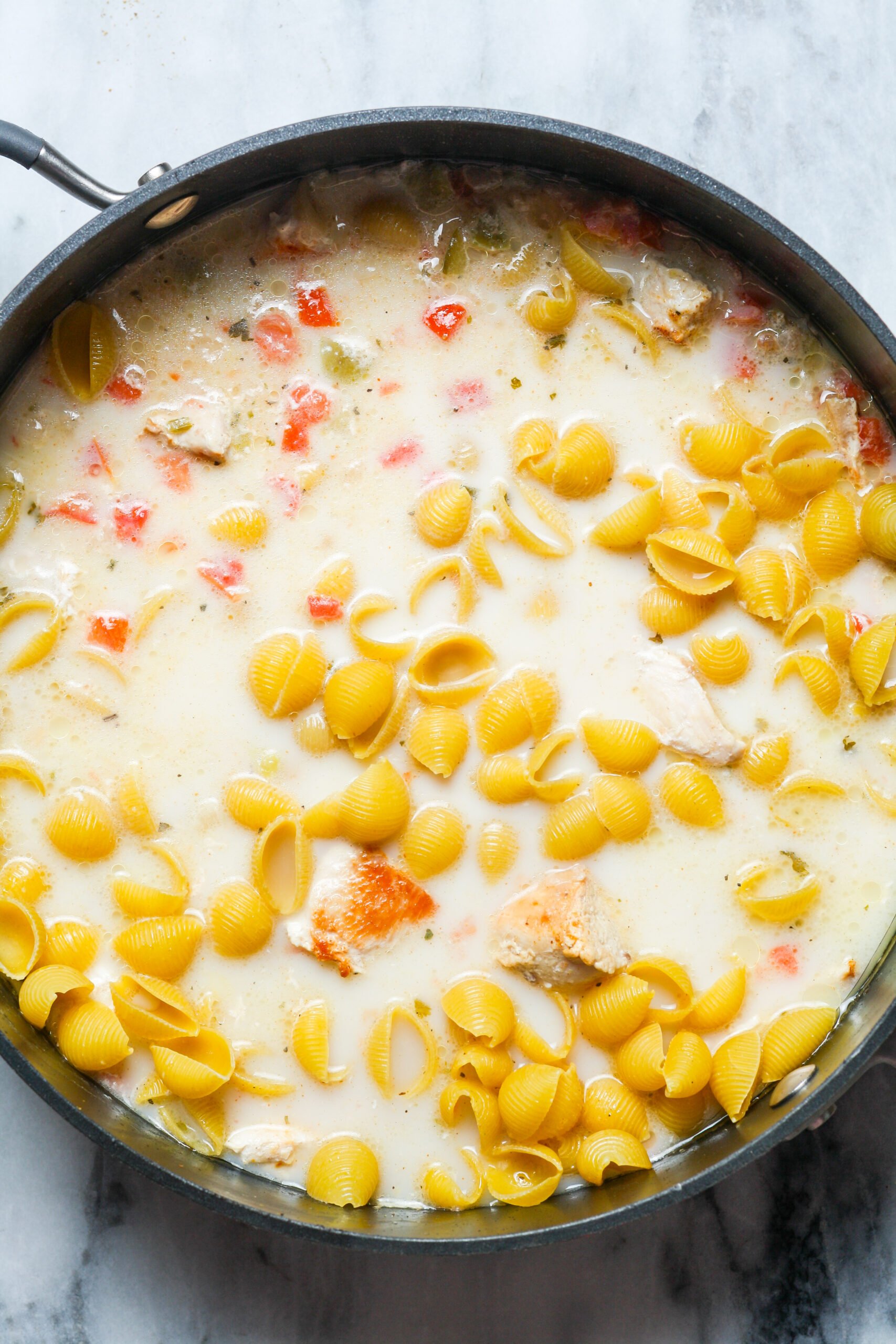
With the aromatics softened, the taco seasoning is stirred into the mixture, allowing its spices to bloom in the heat. This is followed by the addition of diced tomatoes and the liquid base – chicken broth and whole milk. The mixture is then brought to a boil, creating a flavorful foundation for the pasta.
Step 4: Cooking the Pasta
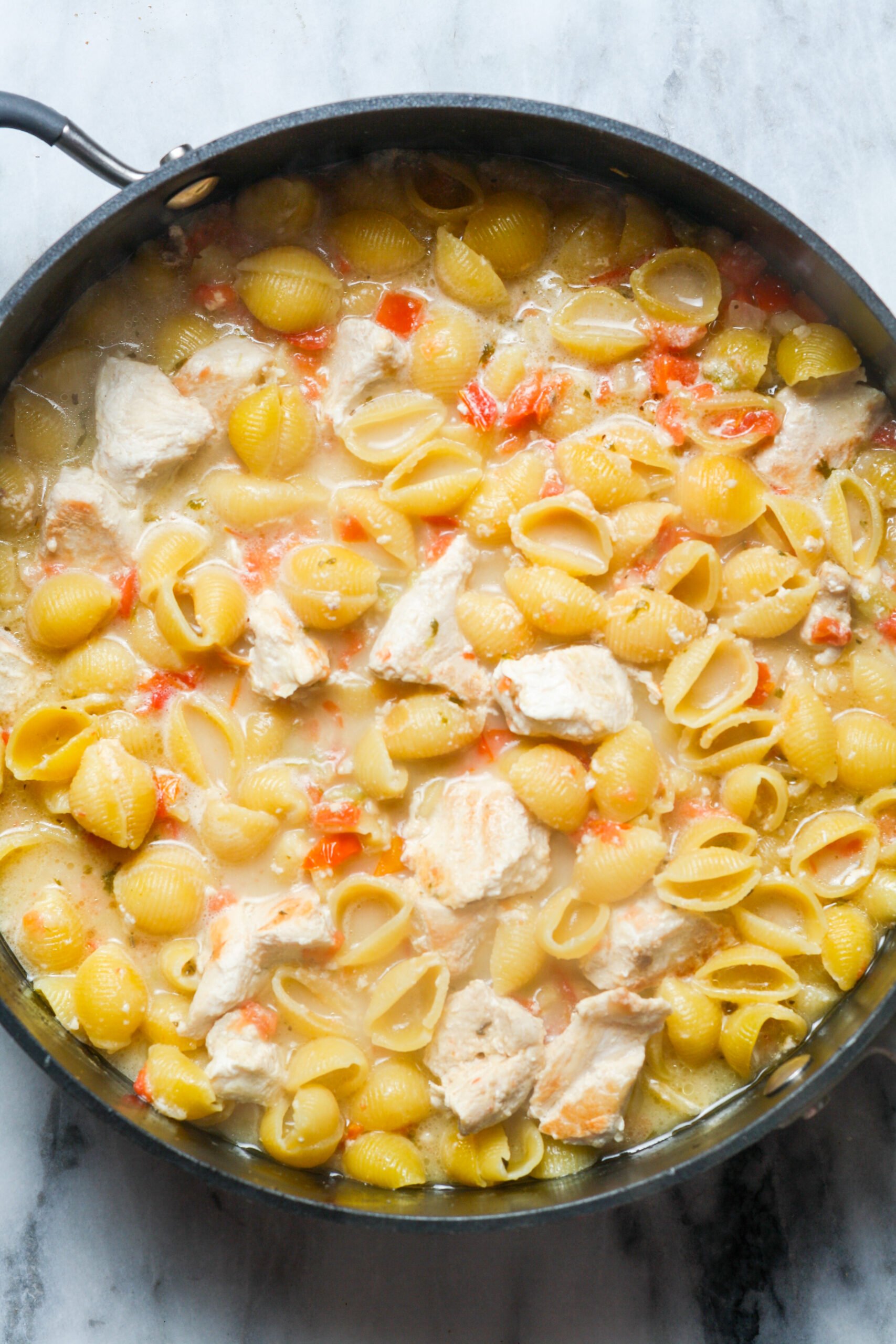
Once the liquid base is bubbling, the pasta shells are added directly to the skillet. The heat is maintained at a boil for approximately seven to eight minutes, or until the pasta reaches its al dente stage. During this time, the pasta absorbs the liquid, becoming tender and coated in the developing sauce.
Step 5: Achieving Creaminess
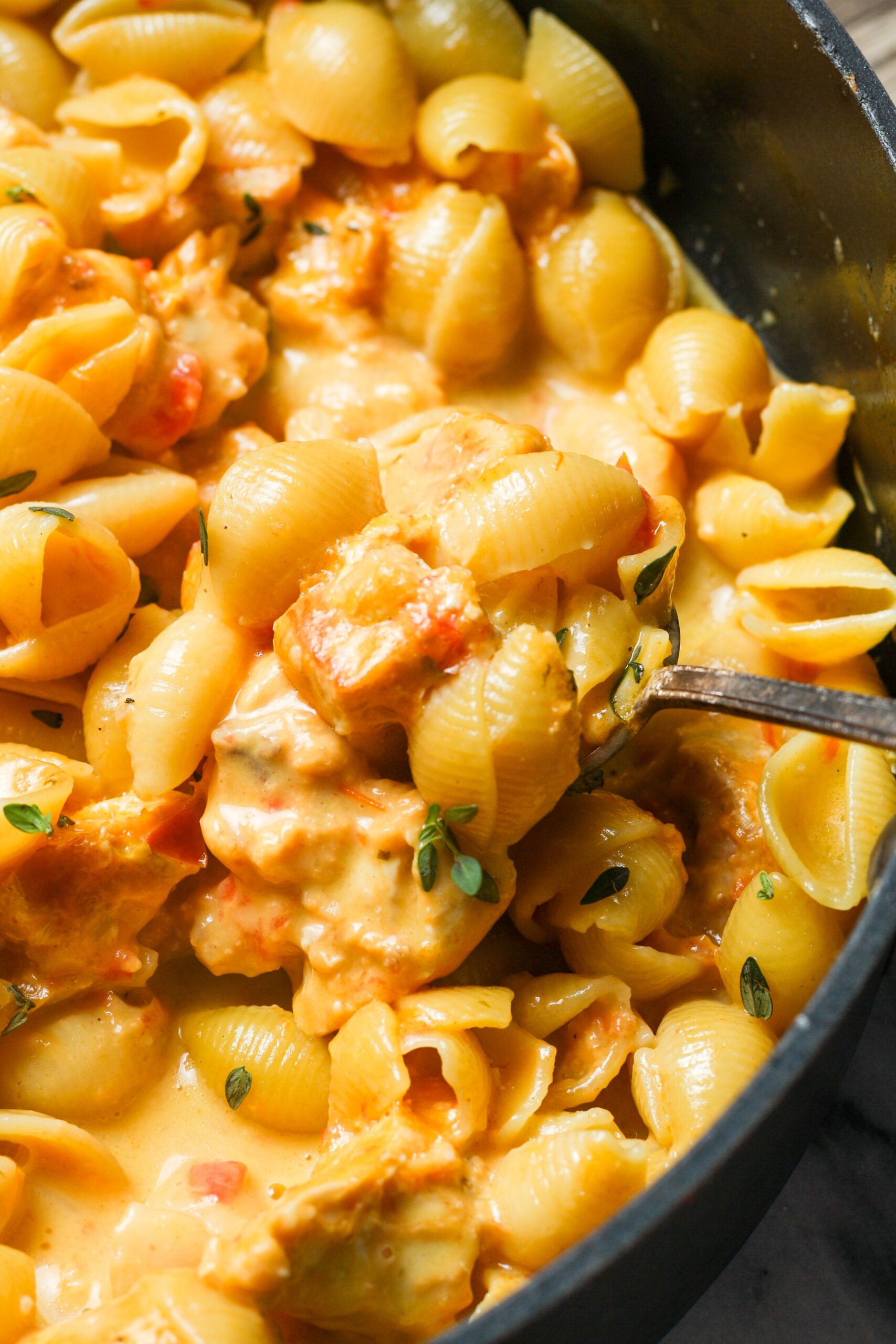
As the pasta nears completion, the heat is reduced to very low. This gentle heat is essential for melting the cheese without scorching it. Shredded cheese is then stirred into the skillet, allowing it to melt and meld with the sauce, creating a rich, creamy, and slightly thickened consistency. The stirring should continue until the cheese is fully incorporated and the sauce is smooth and luxurious.
Step 6: The Finishing Touch
The dish is now complete. For an extra layer of freshness and visual appeal, it can be garnished with fresh herbs like chopped cilantro or green onions. The Chicken Taco Pasta is then ready to be served, hot and inviting, directly from the skillet.
Expert Insights for Culinary Excellence
To elevate this already delightful dish, a few expert tips can ensure optimal results:
- Don’t Overcrowd the Pan: Ensure the chicken pieces are spread in a single layer in the skillet for even browning. Overcrowding can lead to steaming rather than searing, diminishing flavor development.
- Control the Heat: Pay close attention to the heat throughout the cooking process. Medium heat is ideal for searing, while low heat is crucial for melting the cheese without burning.
- Taste and Adjust: Seasoning is a personal journey. Taste the sauce before adding the cheese and adjust the taco seasoning or add a pinch of salt and pepper as needed.
- Pasta Doneness: Cook the pasta until it is al dente. It will continue to absorb liquid and soften slightly as it sits in the sauce.
- Sauce Consistency: If the sauce becomes too thick, a splash of milk or broth can be added to thin it out. Conversely, if it’s too thin, allow it to simmer gently for a few more minutes with the cheese.
Creative Flavor Explorations
The inherent versatility of this recipe opens doors to a world of creative flavor variations, allowing cooks to personalize the dish further:
- Protein Alternatives: Beyond chicken, ground turkey, pork, or beef offer different flavor profiles and textures. For a vegetarian or vegan option, consider using firm tofu, plant-based grounds, or even lentils, adjusting cooking times accordingly.
- Vegetable Additions: To boost nutritional content and add vibrant colors, incorporate ingredients like canned black beans (rinsed and drained), corn kernels (fresh, frozen, or canned), or diced bell peppers (any color). These can be added along with the tomatoes and liquids.
- Topping Extravaganza: Elevate the dish with an array of toppings. A dollop of cool sour cream or creamy Greek yogurt provides a welcome contrast to the spice. Sliced avocado adds healthy fats and a creamy texture, while diced jalapeños offer a fiery kick. For a delightful crunch, crumbled tortilla chips are an excellent addition.
- Cheese Diversity: Experiment with different cheese combinations. A blend of Monterey Jack and cheddar offers a classic flavor, while Pepper Jack introduces a subtle heat. A spicy adobo cheese could also be an intriguing option.
Serving and Storing: Maximizing Enjoyment
This hearty Chicken Taco Pasta is a complete meal in itself, offering a satisfying and fulfilling dining experience. It pairs wonderfully with a light green salad, a refreshing Santa Fe salad, or a slice of warm cornbread for a more substantial meal.
For those who enjoy meal prepping or anticipate leftovers, this dish stores exceptionally well. Store any uneaten portions in an airtight container in the refrigerator for up to four days. It is important to note that the creamy sauce may thicken as it cools. When reheating, a small splash of milk or broth can be added to restore its original smooth consistency. Reheating can be done conveniently in the microwave or gently on the stovetop.
Addressing Common Inquiries
To further assist home cooks, several frequently asked questions have been addressed:
- Gluten-Free Adaptation: This recipe can be easily transformed into a gluten-free meal by utilizing gluten-free pasta shells. It is also advisable to verify that the chicken broth and taco seasoning used are certified gluten-free.
- Slow Cooker Conversion: For those who prefer slow cooking, the recipe can be adapted. After searing the chicken separately, combine all ingredients except the cheese in the slow cooker. Cook on low for 3-4 hours or on high for 1.5-2 hours. Stir in the shredded cheese at the end until fully melted and creamy.
- Freezer Friendliness: While this dish is best enjoyed fresh due to the potential for the creamy sauce to separate upon thawing and reheating, it can be frozen. Ensure it is stored in an airtight container for up to three months. Thaw overnight in the refrigerator and reheat gently on the stovetop, incorporating a small amount of milk or broth to help emulsify the sauce.
Essential Culinary Tools
To facilitate the creation of this flavorful dish, a few key pieces of equipment are recommended:
- Large Nonstick Skillet: A spacious nonstick skillet is crucial for comfortably accommodating all the ingredients and ensuring easy stirring and cleanup.
- Wooden Spoon: A sturdy wooden spoon is ideal for mixing the ingredients and scraping up any browned bits from the bottom of the pan, which contribute to the overall flavor.
In conclusion, the Creamy Chicken Taco Pasta stands as a testament to the power of culinary fusion, offering a dish that is both comforting and exciting. Its one-pan preparation, adaptable ingredients, and universally appealing flavor profile make it a valuable addition to any home cook’s repertoire, promising delicious and stress-free meals for all.