Healthy Turkey Chili: A Nutrient-Dense Evolution of a Culinary Staple

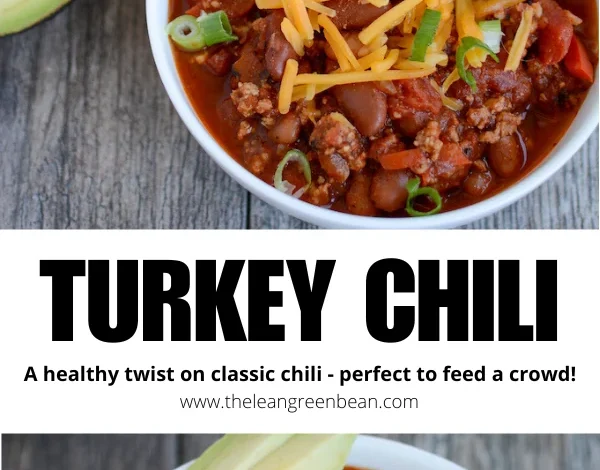
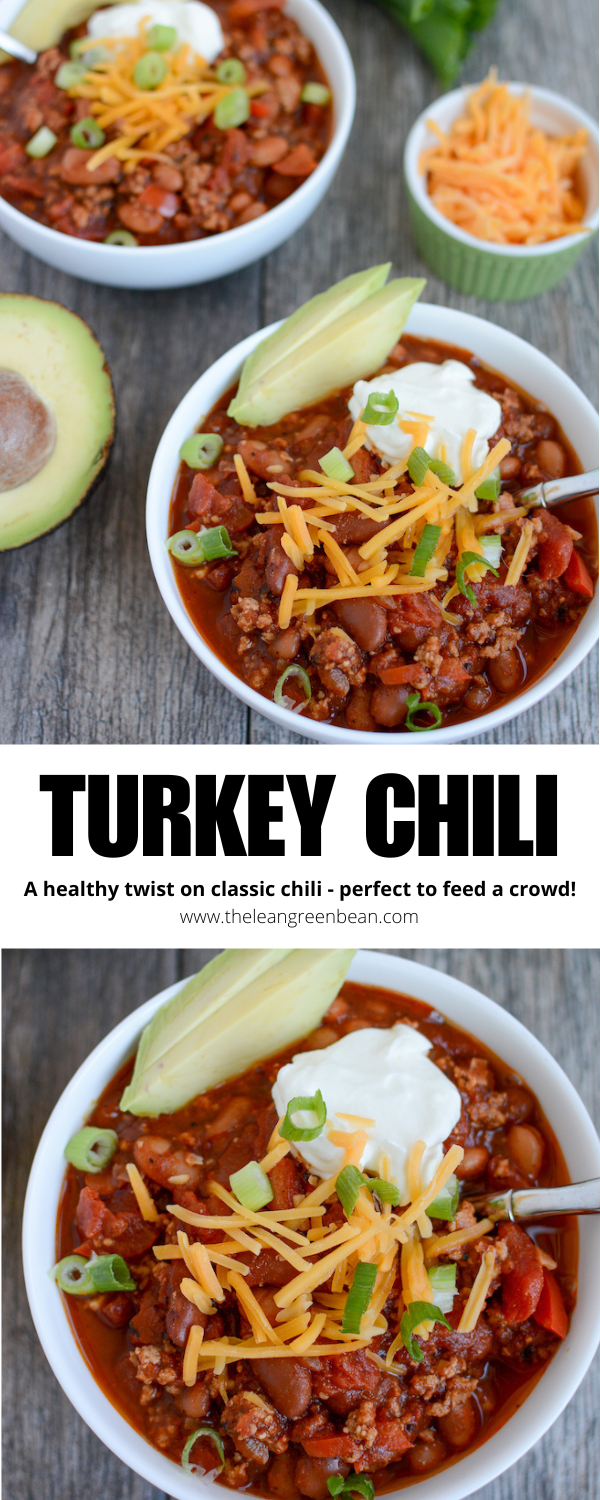
The landscape of modern comfort food has undergone a significant transformation in recent years as home cooks and culinary professionals alike seek to balance traditional flavor profiles with contemporary nutritional guidelines. At the forefront of this shift is the emergence of the healthy turkey chili, a dish that has successfully transitioned from a niche dietary alternative to a standard menu item for game days, family gatherings, and meal-prep enthusiasts. By substituting conventional ground beef with lean ground turkey, this iteration of a classic American staple offers a comparable protein density while significantly reducing saturated fat intake, addressing growing public health concerns regarding heart disease and dietary cholesterol.
Nutritional Profile and Comparative Analysis
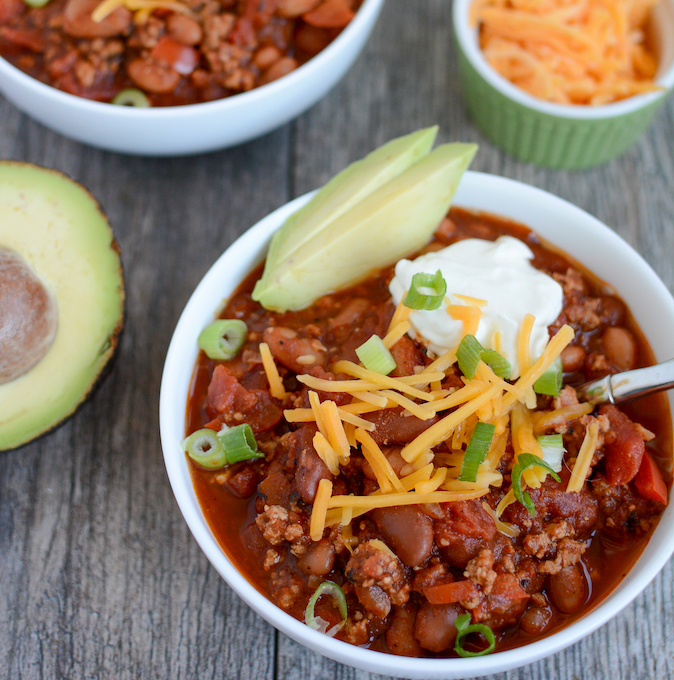
The nutritional shift from red meat to poultry in chili recipes is grounded in established dietary science. Standard ground beef, particularly varieties with a 70/30 or 80/20 lean-to-fat ratio, is a primary source of saturated fat in the average American diet. Conversely, 93/7 ground turkey provides approximately 25 grams of protein per serving, effectively matching the muscle-building potential of beef while drastically lowering the caloric and lipid load.
Public health data consistently supports this substitution. According to the American Heart Association, replacing saturated fats with leaner protein sources is a fundamental strategy for managing blood lipid profiles and reducing long-term cardiovascular risk. While beef provides essential nutrients like vitamin B12 and zinc, the inclusion of fiber-rich legumes—specifically kidney and pinto beans—in the turkey chili recipe compensates for any perceived loss of nutrient density. These legumes contribute not only to the dish’s satiety factor but also to a balanced glycemic index, making it an ideal meal for individuals monitoring blood glucose levels.
The Evolution of the Recipe
The history of chili, often traced back to 19th-century Texas, has historically relied on the robust, fatty base of beef to carry the heavy spice blends of chili powder, cumin, and oregano. The challenge for culinary innovators has been to maintain this "deeply spiced" complexity without the richness provided by beef fat.
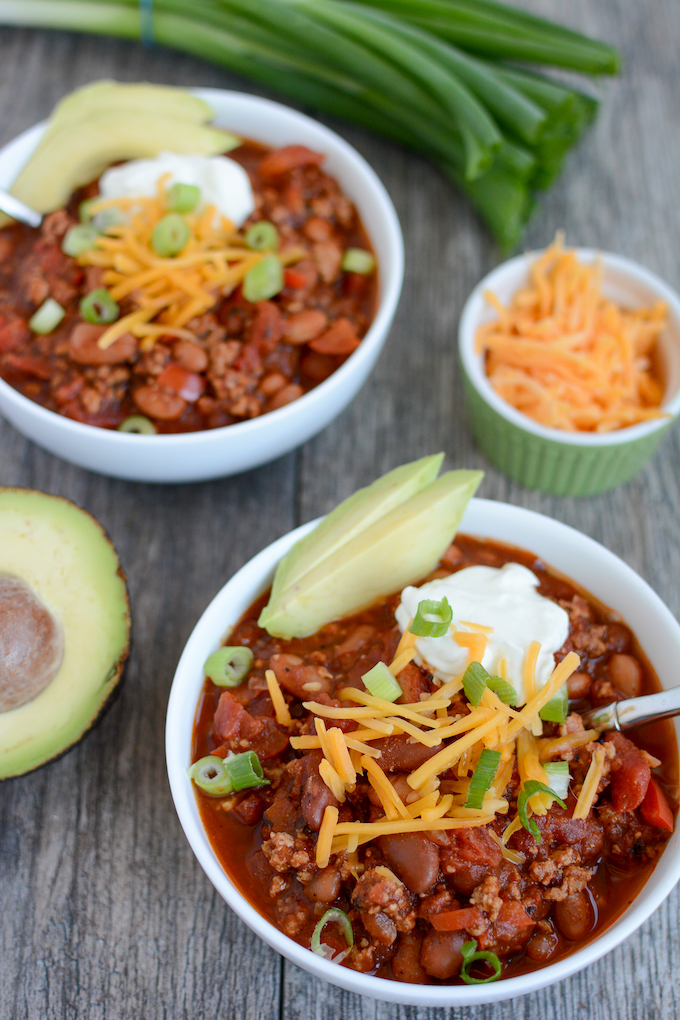
Through the refinement of cooking techniques, home chefs have successfully adapted the turkey chili to retain the sensory characteristics of the original dish. The process involves a strategic "browning" phase where the turkey is sautéed with aromatic foundations—onions, garlic, and bell peppers—before the introduction of liquids. This step is critical; it mimics the Maillard reaction typically associated with beef, ensuring that the meat develops a savory depth that prevents the final product from tasting thin or one-dimensional. Modern recipes often utilize tomato paste as a thickening agent to provide the body that would otherwise be missing from rendered fat.
Preparation Methodologies Across Cooking Platforms
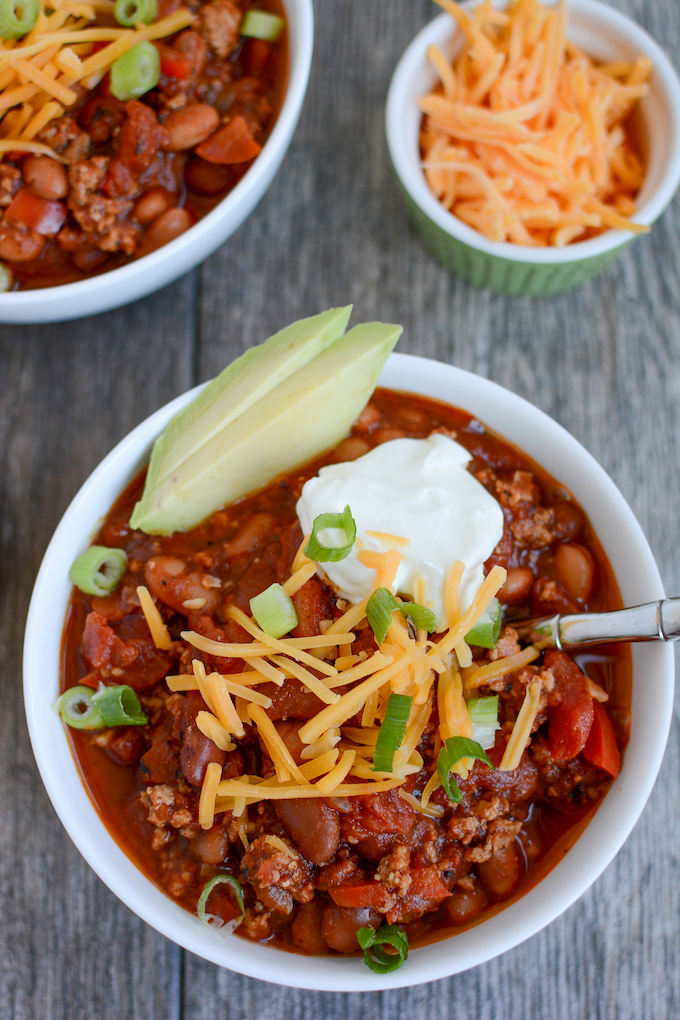
Technological advancements in kitchen appliances have further popularized this dish by increasing its accessibility. The preparation of turkey chili has evolved to span three distinct methodologies, each with specific implications for flavor development and texture.
1. The Stovetop Method: The traditional approach remains the gold standard for many, as it allows for the precise monitoring of the meat’s moisture levels. By simmering the chili over a low heat for an extended duration, the spices are allowed to hydrate and bloom, resulting in a cohesive flavor profile that permeates the legumes.

2. The Slow Cooker Adaptation: Designed for convenience, the slow cooker method requires an initial stovetop sear of the aromatics and protein. Culinary experts emphasize that skipping the searing phase in a slow cooker often leads to a "boiled" texture in the turkey, which can diminish the overall quality of the dish. When the ingredients are properly prepared, the 6-to-8-hour low-heat cook cycle allows for the tenderization of the beans and the extraction of essential oils from the spices.
3. The Instant Pot Approach: The emergence of high-pressure cooking has introduced a new variable in chili preparation. The pressure-cooker method utilizes a rapid infusion process. To ensure the best results, chefs recommend a "deglazing" technique: once the turkey is browned, a small amount of broth is added to the pot to scrape the "fond" (browned bits) from the bottom. This process is essential for flavor depth. Notably, experts advise adding softer beans, such as pinto, only after the pressure-cooking phase is complete to prevent the loss of structural integrity.
Addressing Culinary Challenges
One of the most common critiques of turkey chili is its tendency to dry out during the reheating or cooking process. Because turkey lacks the intramuscular fat found in beef, it is more susceptible to moisture loss. Culinary research indicates that the selection of the meat-to-fat ratio is paramount. While 99/1 ground turkey is marketed as the healthiest option, it often results in a crumbly, dry final product. Culinary instructors frequently recommend 93/7 as the "sweet spot" for chili, as the small percentage of fat provides enough lubrication to maintain the meat’s texture throughout the simmering process.
Furthermore, the timing of seasoning is a significant factor. Adding spices too late in the cooking process results in a surface-level flavor, whereas incorporating them during the browning of the meat allows the fat-soluble compounds in the spices to distribute more evenly throughout the chili base.
Broader Economic and Household Impacts
The adoption of turkey chili as a staple has significant implications for household budgeting and food waste management. As a "freezer-friendly" meal, it serves as a solution to the modern consumer’s demand for efficient, high-quality, long-term food storage. The ability to batch-cook and store portions in containers such as silicone cubes or vacuum-sealed bags reduces the reliance on processed convenience foods.
From a market perspective, the rise in ground turkey sales reflects a broader shift in consumer purchasing behavior. As supply chains adapt to the increased demand for leaner poultry, the price point for ground turkey has stabilized, making it a cost-effective alternative to lean cuts of beef. This economic viability, combined with the versatility of the dish—which can be served with diverse sides like cornbread, salads, or even incorporated into casseroles—has solidified its place in the American home-cooking rotation.
Conclusion and Future Implications
The healthy turkey chili stands as a testament to the intersection of nutrition science and culinary arts. It demonstrates that traditional comfort food does not need to be sacrificed in the pursuit of wellness. By focusing on ingredient quality, understanding the mechanics of heat and moisture, and utilizing modern kitchen technology, the average home cook can replicate the classic chili experience while significantly improving the nutritional outcome of the meal. As dietary guidelines continue to emphasize the reduction of saturated fats and the increase of plant-based fiber, recipes like this will likely remain essential tools for maintaining a balanced and sustainable diet in the years to come. The enduring popularity of this dish suggests that it is not merely a passing trend, but a permanent, evolved fixture in the contemporary kitchen.