Unearthing Everyday Artifacts: A Reflection on Found Objects, Cherished Memories, and the Simple Joys of Life

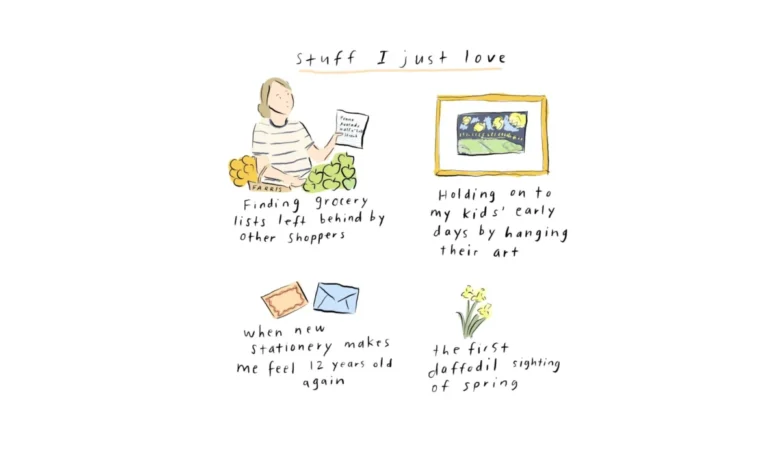
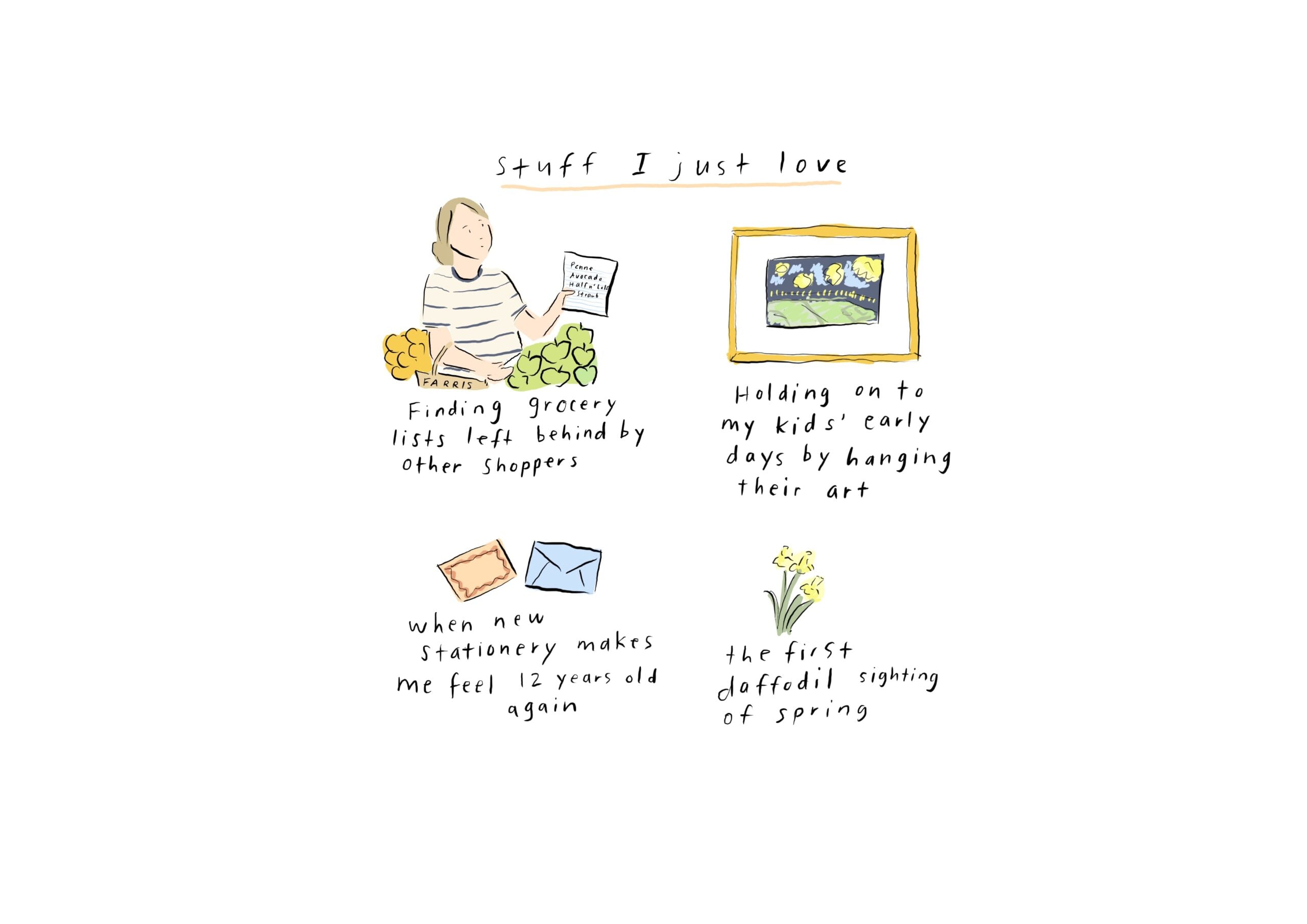
In an increasingly digital world, a surprising and enduring source of human connection and simple delight emerges from the most unassuming places: forgotten grocery lists, treasured childhood artwork, and the subtle harbingers of spring. These seemingly minor observations, often shared within communities, reveal a collective human experience centered on nostalgia, the appreciation of fleeting moments, and the quiet joy found in tangible remnants of lives lived. From the serendipitous discovery in a used book to the profound emotional resonance of a child’s crayon drawing, these "glimmers" offer a rich tapestry of shared humanity, prompting reflection on personal history and the beauty of the present.
The Enduring Appeal of Found Grocery Lists: A Glimpse into Anonymous Lives
The act of finding a forgotten grocery list transcends mere curiosity, evolving into a form of accidental urban archaeology. Many individuals report a particular fascination with these handwritten artifacts, often discovered tucked inside returned library books, old coat pockets, or abandoned shopping carts. This phenomenon highlights a unique intimacy, offering a fleeting, anonymous glimpse into another person’s daily life, dietary habits, and even their planning style.
The transition from analog to digital in list-making has only amplified the special status of these paper relics. In an era dominated by smartphone apps and online grocery ordering, a physical, handwritten list stands out as a testament to a bygone routine, a more deliberate pace of life. The diverse writing styles, the idiosyncratic item choices—ranging from "milk, eggs, vodka" (a title that inspired a popular book by Bill Keaggy, a collector of such lists) to "chickpeas, quick oats, trail mix, naan"—and even the varied scraps of paper used (often promotional notepads from local businesses) all contribute to their allure. These details allow for an imaginative reconstruction of the list-maker’s persona, their family dynamics, and the context of their daily existence.
Psychologically, these found lists tap into a deep-seated human desire for narrative and connection. They serve as micro-narratives, prompting questions and fostering a sense of shared experience, even with strangers. Researchers in cultural studies often classify such items as "ephemera"—everyday objects designed for short-term use but which, through their preservation, gain significant historical and cultural value. The impulse to collect them, as evidenced by one individual in Switzerland planning a museum exhibition of shopping lists, underscores their perceived anthropological worth. This act of preservation elevates the mundane to the meaningful, transforming a simple aide-mémoire into a cultural artifact that speaks volumes about consumer habits, societal norms, and individual lives across different eras.
Cherishing Childhood Creations: Preserving the Essence of Fleeting Years
Beyond the realm of found objects, the emotional impact of children’s art and writing forms another powerful current within the collective human experience. Parents frequently express profound sentimentality regarding their children’s early creative endeavors, often stating a desire to "treasure this forever" and an unwavering commitment to displaying these works long after their creators have outgrown their crayon-wielding years.
This attachment is deeply rooted in the psychology of parenthood. Children’s art, with its uninhibited expression and unique perspective, serves as a tangible record of their developmental stages, their burgeoning imaginations, and the innocence of their early years. For many parents, these drawings, paintings, and nascent writings are not merely decorative items but powerful memory triggers, evoking the sounds, smells, and emotions of a specific, cherished period. The sentiment "I am loving this age" reflects a universal parental wish to "freeze time," to hold onto the fleeting sweetness of childhood before the inevitable march towards independence.
The dedication to preserving and displaying these artifacts, even as children mature into teenagers and adults, speaks to a broader human need to anchor oneself in the past, to maintain a continuous narrative of family life. It’s a quiet defiance against the relentless pace of change, a visual affirmation of enduring love and the enduring impact of those formative years. Artists like Grace Farris, whose work often explores themes of everyday life and family, resonate deeply with this sentiment, offering a public voice to these private, heartfelt experiences. Her book signings and readings often draw audiences who connect with these very human, relatable moments, underscoring the universal nature of this parental bond.
Nature’s Calendar: The Annual Reawakening and Unexpected Wildlife
The arrival of spring brings with it a host of natural signals that are keenly observed and celebrated, particularly in regions with distinct seasonal changes. These harbingers—from the cheerful burst of daffodils to the delicate unfurling of redbud blossoms—serve as powerful reminders of renewal and the cyclical rhythms of life. For many, these first sightings are not just aesthetic pleasures but profound psychological upliftments, marking the end of winter’s dormancy and the promise of warmer, longer days.
In New England, a particularly unique and anticipated sign of spring is the "Frost Heave" sign. These distinctive road anomalies occur when the ground beneath rural roads thaws unevenly after winter’s freeze, causing the pavement to buckle and warp. While seemingly a mere inconvenience, these signs have become an iconic, almost whimsical, regional marker of spring’s onset, celebrated with a local affection akin to the first crocuses.
Beyond flora, the return of migratory birds and the emergence of insect life further punctuate spring’s arrival. The distinctive calls of geese flying overhead signal their return migration, while the appearance of butterfly caterpillars and other species, often tracked through modern tools like the Merlin app, connects individuals more intimately with their local ecosystems. The unexpected delight of encountering wildlife, such as peacocks in a park in Victoria, Canada, adds another layer of magic to these seasonal observations, reinforcing the idea that beauty and wonder are often found in the spontaneous and unplanned moments of connection with the natural world. These observations foster a sense of mindfulness and appreciation for the subtle shifts in the environment, grounding individuals in the present moment and the timeless patterns of nature.
Serendipitous Encounters and Personal Journeys: The Joy of the Unexpected
Life’s narrative is often enriched by unexpected encounters and personal milestones, moments that punctuate the ordinary with extraordinary meaning. The thrill of a chance meeting with a favorite musician on the street, far from the orchestrated environment of a concert, exemplifies the delightful unpredictability of life. Such occurrences create vivid, lasting memories, transforming a routine day into an anecdote cherished for years.
Similarly, personal journeys of self-discovery and affirmation, such as adopting a long-desired nickname, highlight the ongoing evolution of identity. The story of Harriet becoming Hattie, and solidifying this change with personalized notecards, illustrates how tangible acts can formalize internal shifts, bringing external reality into alignment with personal aspiration. This process, often supported by affirming friendships, underscores the importance of self-acceptance and the freedom to redefine oneself at any age. The resonance with literary figures like "Harriet the Spy" further connects these personal narratives to broader cultural touchstones, enriching the individual experience with shared cultural memory.
Even found objects can carry significant personal weight, bridging past and present. The discovery of an old shopping list, including a note for "cigs," in a "vintage" jacket by a daughter reveals a mother’s past in a surprising and humorous way. These moments are not just about the object itself but about the stories they unlock, fostering intergenerational connection and offering unexpected insights into personal histories. They remind us that our personal narratives are complex and constantly unfolding, often with delightful detours and revelations.
Adult Pleasures and Simple Joys: Reclaiming Childhood Delights
In a world often characterized by adult responsibilities and societal expectations, the simple act of an adult openly enjoying a treat, particularly ice cream, resonates as a powerful symbol of self-care and uninhibited joy. The observation of an adult, sans children, savoring an ice cream cone in public is frequently cited as a heartwarming "glimmer," suggesting a reclaiming of childhood delights and a rejection of the notion that certain pleasures are exclusive to youth.
This phenomenon speaks to a broader cultural shift towards valuing personal well-being and acknowledging the importance of small, accessible luxuries. For many, it symbolizes the freedom to indulge in simple pleasures, unburdened by judgment or the need to justify such indulgence. The sentiment "Your younger self would think you are living your best life" captures the essence of this feeling, linking present enjoyment to past aspirations. This act can be particularly empowering for individuals, such as pregnant women or those who have stopped consuming alcohol, who find new ways to celebrate and treat themselves.
Furthermore, these public acts of enjoyment can be seen as subtle, yet significant, affirmations of bodily autonomy and self-acceptance. As one observer noted, "it can be a radical act to be a not-thin woman out in the world feeding her body with food others might not approve of." This perspective highlights how personal acts of indulgence can challenge societal norms and promote a more inclusive understanding of joy and self-care. The widespread nature of this observation, from North America to Latvia, where elderly individuals elegantly enjoy ice cream cones, suggests a universal appreciation for these unpretentious moments of happiness, underscoring their capacity to inspire joy and foster a sense of connection through shared human experience.
Broader Implications: Human Connection in a Digital Age
The collective sharing of these seemingly minor observations—from found grocery lists to cherished children’s art and the simple pleasure of an adult eating ice cream—underscores a fundamental human need for connection, meaning, and mindfulness in an increasingly fast-paced and digitized world. These "glimmers" serve as tangible anchors, rooting individuals in the present moment and fostering a deeper appreciation for the subtle textures of everyday life.
In an era where much of human interaction and information exchange occurs virtually, the value of physical artifacts and direct sensory experiences becomes even more pronounced. The "intimacy of a lost list," the vibrant hues of a child’s drawing, or the distinct call of a returning goose offer a counterpoint to the ephemeral nature of digital data. They provide concrete evidence of lives lived, emotions felt, and the continuous unfolding of natural cycles.
The widespread resonance of these shared experiences, cutting across diverse backgrounds and geographies, suggests a universal yearning for authenticity and a collective affirmation of the enduring power of simple joys. Whether collected for a museum exhibit, proudly displayed in a home, or simply observed with a fleeting smile, these everyday artifacts and natural phenomena remind us of our shared humanity. They encourage empathy, spark imagination, and foster a sense of belonging, proving that even in the smallest details, profound connections and moments of genuine delight can be found, making the human experience richer and more vibrant.