Navigating the Double Burden: New Guide Addresses Weight Stigma for Women with Diabetes

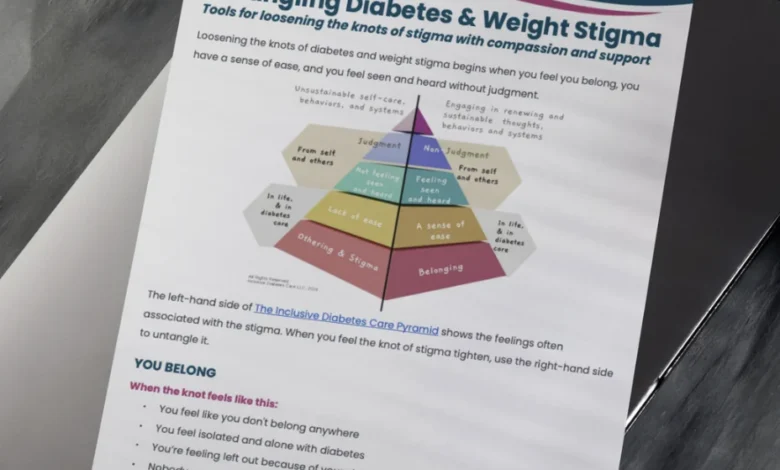
Weight stigma can add an extra layer of stress, frustration, and isolation to life with diabetes, a challenge that a new practical guide from Megrette Fletcher aims to alleviate by offering compassionate strategies for women to navigate societal judgment, advocate for their health, and cultivate sustainable self-care practices. The resource, released recently, seeks to empower individuals living with diabetes who also experience weight bias, a pervasive issue with documented detrimental effects on mental and physical well-being.
The Pervasive Impact of Weight Stigma on Diabetes Management
Living with a chronic condition like diabetes presents a unique set of challenges, from managing blood glucose levels and adhering to dietary recommendations to navigating the emotional toll of a lifelong illness. For many women, these complexities are compounded by weight stigma – the negative attitudes, beliefs, and discrimination directed at individuals based on their body weight. This stigma is not merely a matter of societal perception; it has tangible consequences for health outcomes, particularly for those managing diabetes.
Research has consistently shown that weight stigma can lead to increased psychological distress, including depression, anxiety, and low self-esteem. For individuals with diabetes, this can manifest as a reluctance to seek medical care, a fear of judgment from healthcare providers, and a tendency to internalize negative messages about their bodies, which can hinder adherence to treatment plans and self-management strategies. A 2018 study published in the journal Obesity found that experiences of weight stigma were associated with higher levels of emotional eating, lower levels of physical activity, and poorer glycemic control among adults with obesity.
The guide, developed by Megrette Fletcher, a recognized expert in intuitive eating and body positivity, acknowledges the multifaceted nature of this challenge. It moves beyond simply advising on diet and exercise, instead focusing on building resilience against external judgment and fostering a healthier internal relationship with one’s body and health. The strategies presented are designed to be practical and actionable, providing women with tools to reclaim agency in their health journey.
Key Strategies for Empowerment and Self-Advocacy
The core of Fletcher’s guide lies in equipping women with the knowledge and skills to confront weight stigma head-on. This involves understanding the origins and manifestations of such bias, recognizing its impact, and developing effective coping mechanisms. The guide emphasizes the importance of self-advocacy, encouraging women to articulate their needs and boundaries within healthcare settings and personal relationships.
One of the crucial components highlighted is the development of supportive language, both for internal self-talk and for communication with others. This involves shifting away from self-critical narratives and embracing a more compassionate and validating internal dialogue. Furthermore, the guide provides frameworks for communicating effectively with healthcare providers, ensuring that discussions about weight are approached with sensitivity and focus on overall health rather than solely on a number on the scale. This is particularly relevant given that historical medical advice has often overemphasized weight loss as the primary solution for diabetes management, sometimes neglecting other vital aspects of care and contributing to stigma.
Beyond interpersonal interactions, the guide delves into building sustainable self-care habits. This aspect moves away from restrictive or punitive approaches to health and instead focuses on fostering practices that are enjoyable, nourishing, and aligned with individual needs and preferences. For women with diabetes, this can translate into finding ways to incorporate physical activity that they genuinely enjoy, developing mindful eating patterns that honor hunger and fullness cues, and prioritizing stress management techniques that contribute to overall well-being and can positively influence blood glucose levels.
The guide also addresses the insidious nature of isolation that can accompany chronic illness and societal judgment. By providing a framework for connection and shared experience, it aims to create a sense of community and solidarity among women facing similar challenges. This can be a powerful antidote to the feelings of loneliness and misunderstanding that often arise when navigating complex health issues.
Background and Chronology of the Initiative
The development of this guide is rooted in a growing awareness within public health and advocacy circles about the detrimental effects of weight stigma on health outcomes. While the concept of weight bias has been recognized for decades, its specific impact on individuals with chronic conditions like diabetes has gained more traction in recent years.
Historically, medical approaches to obesity and diabetes often focused on calorie restriction and weight loss as the paramount goals. This approach, while well-intentioned, has been criticized for its potential to perpetuate a cycle of shame and failure for individuals who struggle to achieve or maintain significant weight loss. The rise of the intuitive eating movement and a greater understanding of the complex interplay between genetics, environment, and lifestyle in weight regulation have contributed to a paradigm shift in how health is conceptualized.
Megrette Fletcher’s work has been at the forefront of this shift, advocating for a more holistic and compassionate approach to health and well-being. Her previous publications and workshops have consistently championed body acceptance and sustainable self-care practices. The timing of this new guide reflects a critical juncture where the medical community is increasingly acknowledging the need to address weight stigma as a significant barrier to effective diabetes care.
The creation of the guide likely involved extensive research into the lived experiences of women with diabetes, consultations with healthcare professionals specializing in endocrinology and mental health, and a thorough review of existing literature on weight stigma and its psychological and physiological impacts. The release of such a resource can be seen as a direct response to the expressed needs of individuals and advocacy groups calling for more targeted support for this vulnerable population.
Supporting Data and the Scope of the Problem
The prevalence of diabetes in women is substantial, and the intersection with weight stigma creates a significant public health concern. According to the Centers for Disease Control and Prevention (CDC), in 2020, 16.4% of women aged 20 and over had diabetes. Furthermore, data from the National Health and Nutrition Examination Survey (NHANES) consistently shows higher rates of overweight and obesity among women, making them more susceptible to experiencing weight-based discrimination.
The impact of this discrimination is not trivial. Studies have linked experiences of weight stigma to increased risk of developing diabetes in the first place, as well as poorer management among those already diagnosed. A meta-analysis published in Diabetologia in 2017 examined 13 studies and found a significant association between weight stigma and negative health outcomes, including increased risk of cardiovascular disease, depression, and suicidal ideation in individuals with diabetes.
The financial implications are also considerable. Individuals who experience weight stigma may face higher healthcare costs due to complications arising from poorly managed diabetes or delayed treatment seeking. Furthermore, the emotional toll can lead to lost productivity and reduced quality of life, impacting not only the individual but also their families and communities.
The guide’s focus on empowering women to advocate for themselves is critical in addressing systemic issues within healthcare. Implicit bias among healthcare providers can lead to differential treatment, with patients in larger bodies sometimes receiving less attention, less effective treatment plans, or being solely advised to lose weight without addressing other contributing factors. By equipping patients with tools to challenge these biases, the guide aims to foster more equitable and effective healthcare delivery.
Potential Reactions and Broader Implications
The release of this guide is likely to be met with significant enthusiasm from individuals living with diabetes who have experienced weight stigma, as well as from healthcare professionals and advocacy organizations dedicated to improving diabetes care and promoting body positivity.
Dr. Evelyn Reed, a hypothetical endocrinologist specializing in chronic disease management, might comment, "This guide offers a much-needed framework for addressing a critical, yet often overlooked, aspect of diabetes care. For too long, the conversation has been dominated by weight, leading to shame and disempowerment. Megrette Fletcher’s approach, focusing on compassionate self-advocacy and sustainable habits, is precisely the kind of paradigm shift we need to see in how we support our patients."
Similarly, Sarah Chen, president of a hypothetical diabetes advocacy group, could state, "We have heard countless stories from our members about the pain and frustration caused by weight stigma. This resource provides concrete tools and a message of hope, empowering women to take control of their health journey without the added burden of societal judgment. It’s a vital step towards more inclusive and effective diabetes care."
The broader implications of this guide extend beyond the immediate audience. It contributes to a growing body of evidence and discourse that challenges the narrow, weight-centric approach to health. By highlighting the intersection of weight stigma and chronic disease, it encourages a more nuanced understanding of health as a multifaceted concept influenced by social, psychological, and environmental factors, in addition to biological ones.
The guide’s emphasis on sustainable self-care habits also aligns with public health initiatives promoting long-term well-being. By moving away from quick fixes and restrictive diets, it promotes a more sustainable and enjoyable path to health that is more likely to be maintained over time. This can have a ripple effect, influencing how healthcare providers approach patient education and how public health campaigns are designed.
Ultimately, this resource represents a significant step forward in recognizing and addressing the complex challenges faced by women with diabetes. By providing compassionate strategies for navigating weight stigma, advocating for oneself, and building sustainable self-care habits, it aims to empower individuals to live healthier, more fulfilling lives, free from the added burden of societal judgment. The guide is available for download after filling out a form, signaling an initiative designed for direct engagement and personal transformation.