Sustainable Food Storage Strategies and the Economic Impact of Domestic Food Waste in America

The United States is currently facing a silent crisis within its domestic kitchens, as recent data indicates that approximately 40 percent of the national food supply is discarded annually. This systemic inefficiency results in a significant financial burden on the average American household, which loses an estimated $2,913 per year to food waste, according to figures released by the Environmental Protection Agency (EPA). Beyond the immediate financial loss, the environmental consequences are profound, with decomposing food in landfills serving as a primary source of methane, a potent greenhouse gas. Experts suggest that the root of this issue often lies in improper storage techniques and an over-reliance on plastic packaging, which can inadvertently accelerate the decomposition process while introducing chemical concerns into the domestic environment.
The Socioeconomic Context of Food Spoilage
The phenomenon of food waste is not merely an individual failing but a reflection of broader logistical and educational gaps in the American consumer experience. While the industrial food chain accounts for significant losses, the "last mile" of food preservation—the home refrigerator—is where the most preventable waste occurs. The USDA’s Economic Research Service notes that perishable items like fruits, vegetables, and dairy products constitute the highest percentage of discarded items.
The financial impact of $2,913 per household represents a significant portion of the median American income, particularly in an era of fluctuating inflation and rising grocery costs. For many families, this loss is equivalent to several months of utility payments or a significant contribution to a savings account. Consequently, the shift toward "zero-waste" or "low-waste" kitchen management is evolving from a niche environmental movement into a necessary economic strategy for the modern household.
A Chronology of Food Preservation and the Plastic Era
To understand the current state of food storage, one must look at the transition from traditional preservation to the "Plastic Age." Historically, food was preserved through drying, salting, fermentation, or storage in root cellars using natural materials like wood, ceramic, and cloth. The mid-20th century saw a revolution with the introduction of polyethylene and other plastics, which offered cheap, lightweight, and seemingly airtight solutions.
However, the late 20th and early 21st centuries have seen a critical re-evaluation of these materials. By the 1990s and 2000s, scientific research began highlighting the presence of endocrine disruptors such as Bisphenol A (BPA) and phthalates in food-grade plastics. These chemicals have been linked to various hormonal imbalances and developmental issues. Furthermore, from a biological standpoint, many plastics trap ethylene gas—a natural ripening agent emitted by fruits—effectively suffocating the produce and causing it to rot faster than it would in a breathable environment.
Scientific Approaches to Produce Longevity
Proper food storage is a matter of managing three primary variables: temperature, humidity, and gas exchange. Most consumers inadvertently sabotage their groceries by treating the refrigerator as a uniform "cold box" rather than a complex thermal environment.
The Ethylene Factor and Moisture Management
Fruits such as apples, bananas, and tomatoes are high ethylene producers. When stored in unventilated plastic bags, the gas concentration rises rapidly, leading to premature softening and mold growth. Conversely, leafy greens require high humidity to prevent wilting but need airflow to prevent the "slimming" caused by anaerobic bacteria.
Research suggests specific protocols for common items:
- Berries: These should remain dry and cold. Washing them immediately upon returning from the store introduces moisture that triggers mold spores.
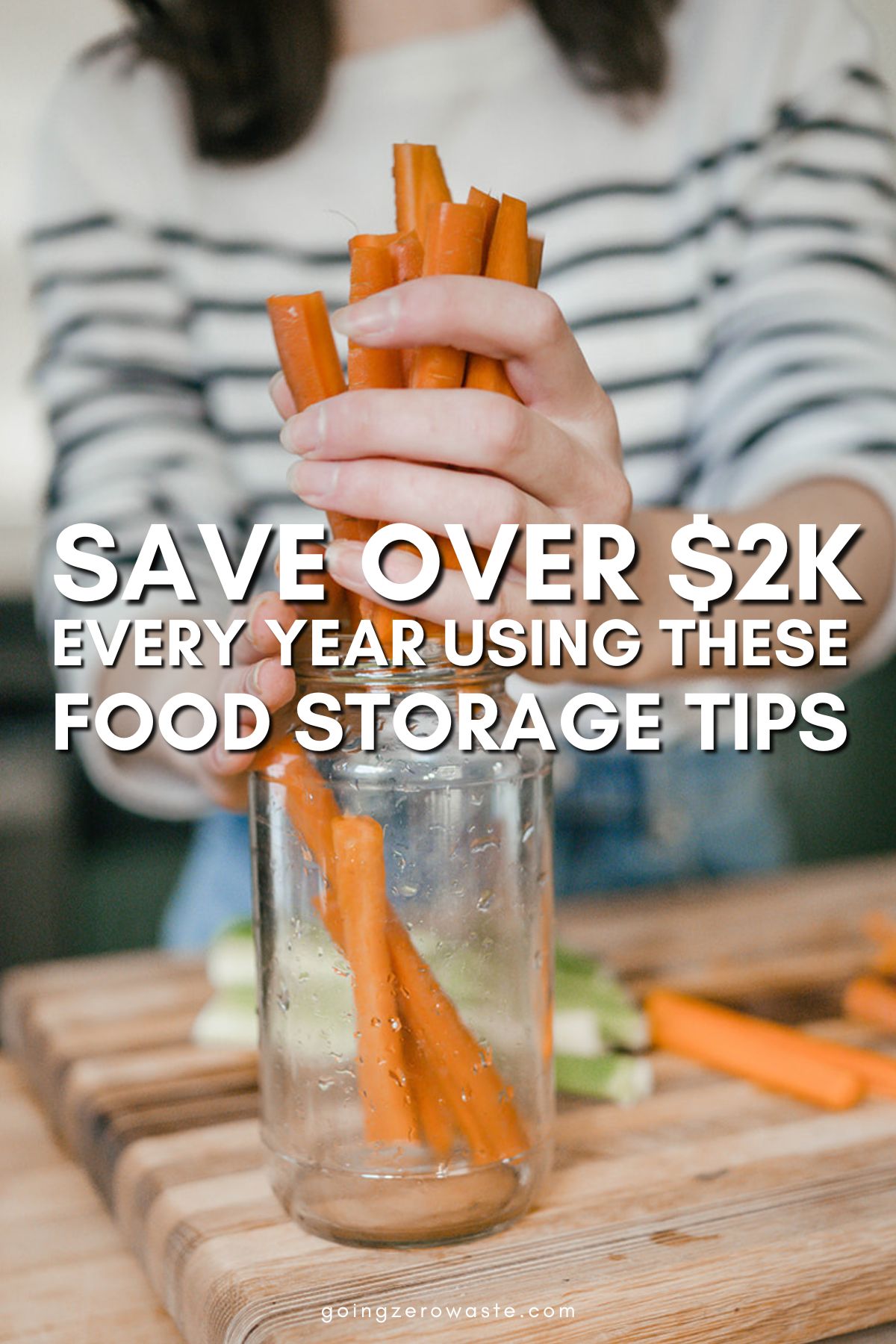
- Leafy Greens: These thrive in a damp but breathable environment. Wrapping them in a moist cloth before refrigeration can extend their lifespan from days to weeks.
- Root Vegetables: Potatoes and onions should never be stored together, as onions emit gases that cause potatoes to sprout. Both require cool, dark, and dry conditions outside of the refrigerator.
The Material Science of Modern Storage Alternatives
As consumers move away from single-use plastics, a new generation of storage materials has gained prominence, backed by both traditional wisdom and modern engineering.

Breathable Textiles
The emergence of unbleached, unseeded cotton bags, such as the "Swag Bag," utilizes the principle of evaporative cooling. By dampening the fabric, the vegetable is kept in a high-humidity environment that allows for gas exchange, a method that has been shown to keep produce fresh for over 14 days.
Medical-Grade Silicone
Silicone has become a preferred alternative to plastic for freezing and marinating. Unlike plastic, high-quality silicone is chemically inert and does not leach toxins when exposed to heat or extreme cold. Its durability allows for thousands of uses, significantly reducing the lifecycle carbon footprint compared to disposable freezer bags.
Borosilicate Glass
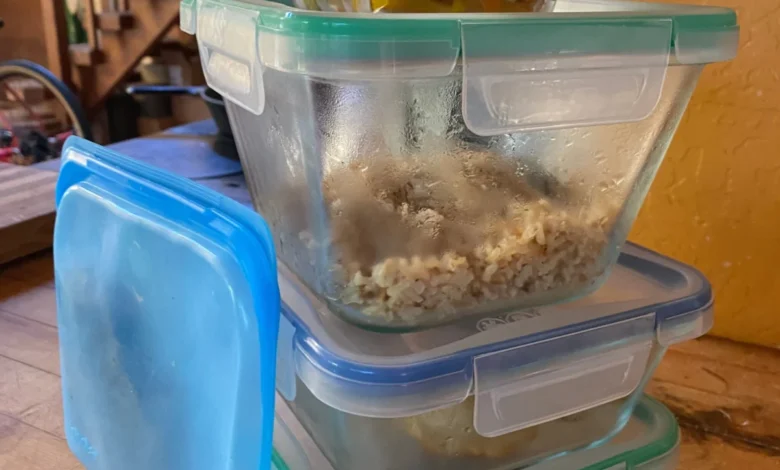
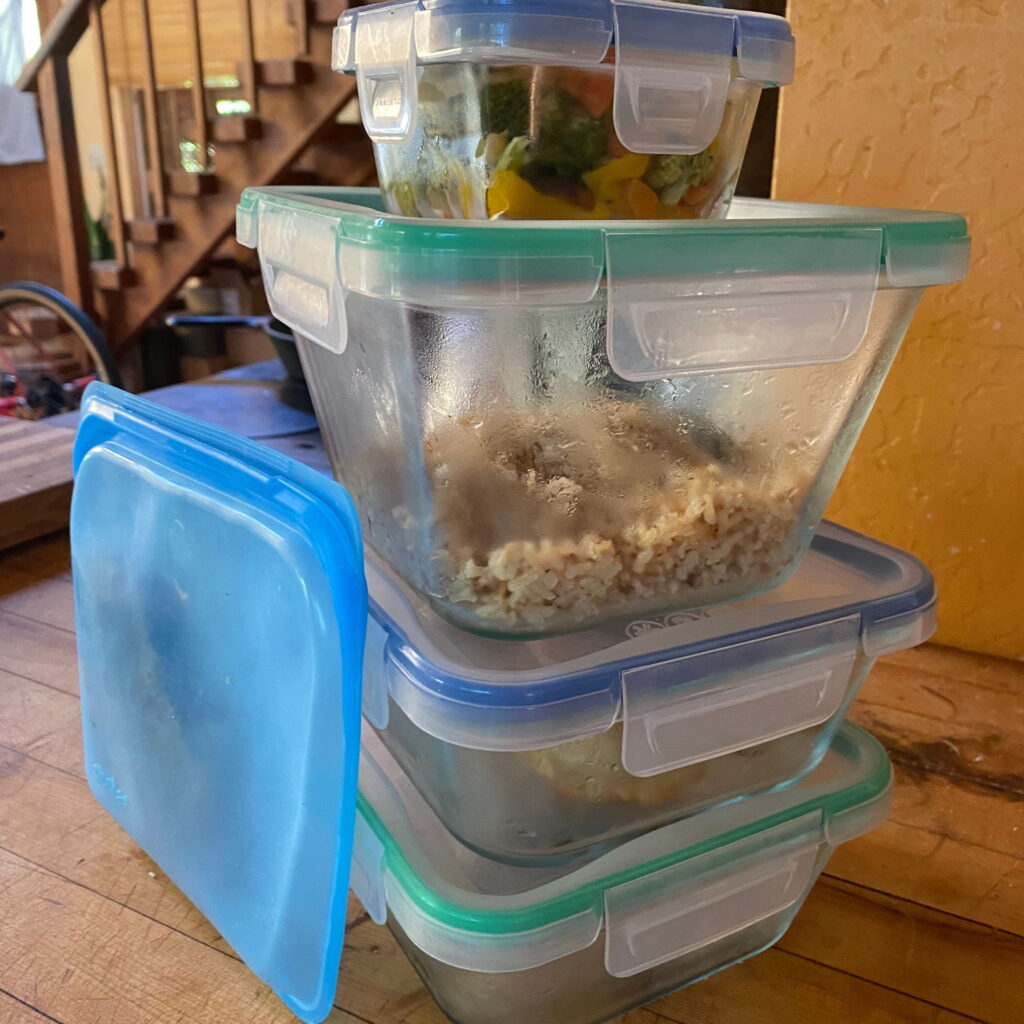
For leftovers and prepared meals, borosilicate glass remains the gold standard. Its resistance to thermal shock allows it to move from a freezer to a preheated oven without shattering. From a hygiene perspective, glass is non-porous, meaning it does not retain odors or stains from acidic foods like tomato sauce.
Beeswax and Antimicrobial Wraps
The resurgence of beeswax wraps—made from organic cotton infused with beeswax, resin, and plant oils—provides a compostable alternative to cling wrap. The natural antimicrobial properties of beeswax help inhibit the growth of bacteria on the surface of cheeses and cut vegetables.
Thermodynamics of Refrigerator Organization
A critical component of reducing food waste is understanding the internal climate zones of a standard refrigerator. Manufacturers design these appliances with specific airflow patterns that dictate where certain foods should reside.
- The Refrigerator Door: This is the most temperature-volatile zone due to frequent opening. It should be reserved for shelf-stable condiments and juices rather than highly perishable items like milk or eggs.
- The Upper Shelves: These maintain the most consistent temperature and are ideal for "ready-to-eat" foods and leftovers.
- The Lower Shelves: As the coldest area, the bottom shelf is the safest location for raw proteins (meat and fish), which also prevents potential cross-contamination from drips.
- Crisper Drawers: Modern refrigerators typically feature two drawers. The high-humidity drawer (closed vent) is designed for thin-skinned vegetables that wilt easily. The low-humidity drawer (open vent) is intended for fruits that emit ethylene, allowing the gas to escape and prevent rot.
Official Responses and Environmental Policy
The U.S. government has recognized the severity of the food waste issue. The EPA and the USDA have launched the "U.S. 2030 Food Loss and Waste Reduction Goal," which aims to cut national food waste by 50 percent by the year 2030. This initiative involves working with credit agencies, grocery chains, and local municipalities to improve composting infrastructure and consumer education.
Environmental analysts suggest that if the 40 percent waste metric were reduced even by half, the impact on food security would be transformative. It would effectively increase the available food supply without requiring additional land, water, or fertilizer, thereby lowering the overall market price of produce and making healthy diets more accessible to lower-income populations.
Broader Implications for Global Sustainability
The shift toward intentional food storage is more than a domestic chore; it is a micro-solution to a macro-problem. The energy required to grow, process, and transport a single piece of fruit is substantial. When that fruit is discarded, all the embedded carbon and water are also wasted.
Furthermore, the reduction of plastic in the kitchen addresses the growing concern over "forever chemicals" (PFAS) and microplastics. Recent studies have detected microplastics in human blood and lung tissue, leading to an increased urgency in reducing plastic contact with food sources. By adopting glass, metal, and natural fiber storage, consumers are effectively "de-plasticizing" their internal biology while simultaneously protecting their financial resources.
In conclusion, the data clearly indicates that the average American’s loss of nearly $3,000 a year is a solvable problem. Through the application of basic biological principles—such as proper humidity control and the abandonment of suffocating plastic packaging—households can significantly extend the life of their groceries. As the 2030 federal waste reduction goals approach, the integration of these sustainable storage practices will likely transition from a personal choice to a standard of responsible citizenship in a resource-constrained world.