The Rise of Nutritious Home Cooked Alternatives to Processed Cuisines A Deep Dive into Sesame Ginger Cabbage Rolls

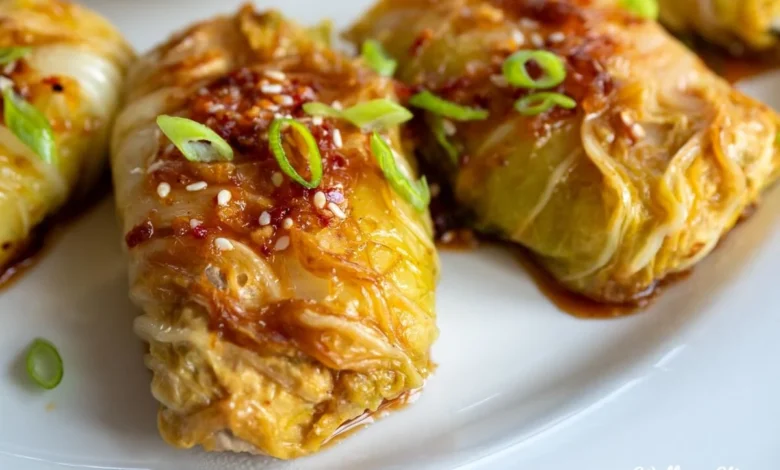
The landscape of American dietary habits is undergoing a significant transformation as consumers increasingly pivot away from processed, "Americanized" versions of international cuisines in favor of nutrient-dense, whole-food alternatives. This shift is exemplified by the growing popularity of recipes that bridge the gap between convenience and health, such as the sesame ginger cabbage roll. Historically, the American appetite for Chinese-inspired cuisine was satisfied by fast-food chains like Panda Express, which often rely on high-sodium sauces, refined sugars, and additives like monosodium glutamate (MSG). However, a burgeoning movement toward "clean eating"—defined by the use of minimally processed ingredients—has led to a resurgence of home cooking that emphasizes traditional flavors through modern, health-conscious techniques.
The Evolution of the Americanized Palate
For decades, the standard for "Chinese food" in the United States was defined by a specific profile: deep-fried proteins coated in thick, sugary glazes. While these dishes were derived from authentic regional Chinese techniques, they were modified over time to suit the Western palate, which historically prioritized sweetness and fat. The resulting products, while commercially successful, contributed to a rise in lifestyle-related health concerns, including sodium-induced hypertension and glycemic spikes from refined flour wrappers used in dumplings and egg rolls.
In recent years, culinary trends have shifted. As nutritional literacy improves, home cooks are seeking ways to replicate the "umami" and savory-sweet profiles of their favorite takeout dishes without the metabolic cost. The sesame ginger cabbage roll has emerged as a prominent example of this evolution. By replacing the traditional flour-based wonton or potsticker wrapper with blanched Napa cabbage, cooks are able to significantly reduce carbohydrate intake while increasing the micronutrient density of the meal.
Technical Composition and Nutritional Profile
The sesame ginger cabbage roll is engineered to provide a balanced macronutrient profile while maximizing flavor through functional ingredients. According to nutritional data, a single cabbage roll typically contains approximately 139 calories, with a robust distribution of 9 grams of protein and 9 grams of fat. Notably, the carbohydrate content is kept low at 5 grams per serving, with 1 gram of dietary fiber.
The protein source is frequently ground chicken, chosen for its lean profile and its ability to absorb the nuanced flavors of aromatics like ginger and garlic without the overwhelming fatty signature of pork or beef. To counteract the tendency of lean poultry to dry out during the cooking process, the recipe incorporates finely diced shiitake mushrooms. These mushrooms provide an earthy flavor and act as a moisture reservoir, ensuring the interior of the roll remains succulent during the steaming process.
The dish’s micronutrient profile is further enhanced by the inclusion of Napa cabbage, which is rich in Vitamin C and Vitamin K. A single serving provides approximately 8% of the daily recommended value of Vitamin C and 6% of the daily value for iron, based on a 2000-calorie diet. These statistics represent a stark contrast to commercial appetizers, which often provide "empty calories" with little to no significant vitamin content.
The Chronology of Preparation and Culinary Methodology
The preparation of these rolls follows a precise culinary chronology designed to ensure structural integrity and flavor development.
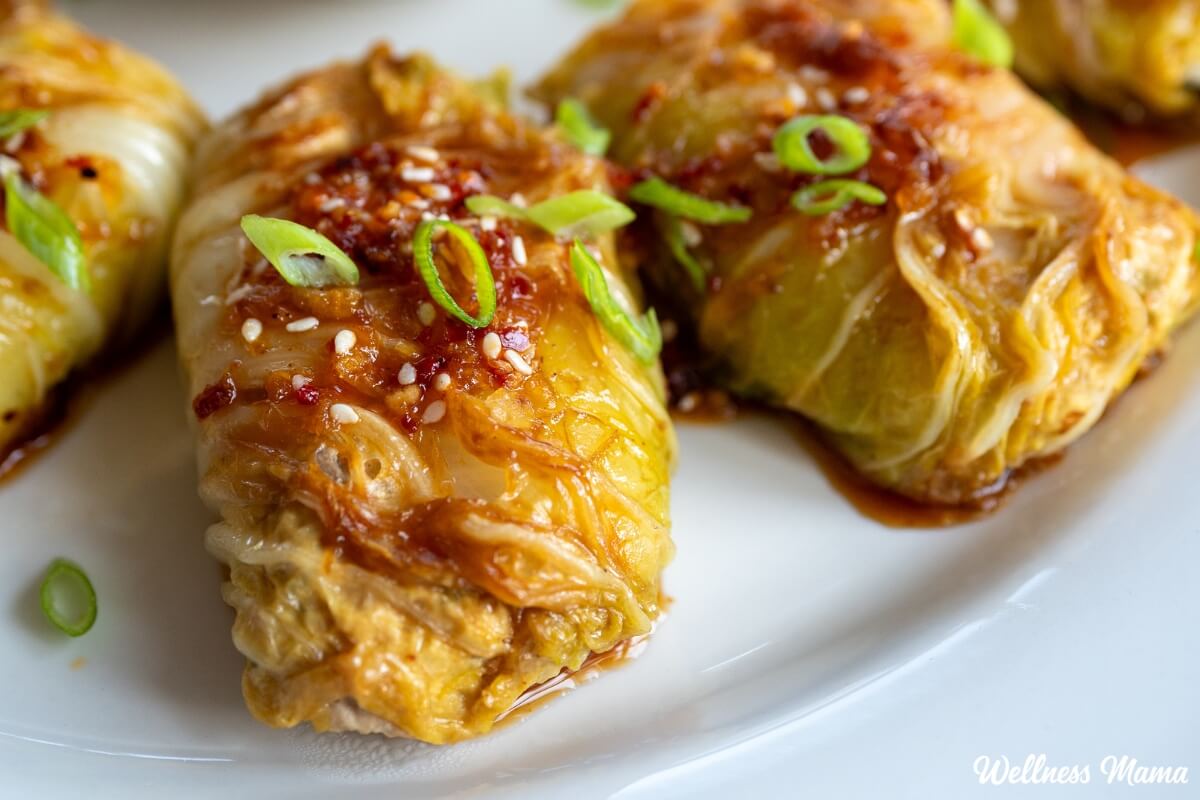
- The Blanching Phase: The process begins with the preparation of the Napa cabbage. Unlike standard green cabbage, Napa cabbage features softer, more elongated leaves. A quick blanch in boiling water is essential; this softens the cellulose structure of the leaves, making them flexible enough to roll without snapping.
- Structural Modification: If the central white stem of the cabbage leaf remains too rigid after blanching, it is often removed or trimmed. This step is critical for ensuring that the roll remains tight and does not leak its filling during the secondary cooking phase.
- Filling and Assembly: The raw mixture—consisting of ground chicken, shiitake mushrooms, toasted sesame oil, ginger, and garlic—is portioned into approximately one-third cup measurements per leaf. Overfilling is a common error that leads to structural failure.
- The Searing and Steaming Hybrid: The rolls are first placed in a pan to brown the bottoms for several minutes. This creates a Maillard reaction, adding a complex, toasted flavor that mimics the texture of a traditional potsticker. Subsequently, water is added to the pan, and it is covered, allowing the rolls to steam. This ensures the internal poultry reaches a safe internal temperature while the cabbage remains tender.
- The Reduction Phase: In the final minutes of cooking, the lid is removed to allow excess moisture to evaporate, which prevents the rolls from becoming soggy and allows the bottoms to crisp further.
Functional Ingredients and the "Clean Label" Movement
A key driver in the popularity of this dish is the use of "clean label" ingredients, specifically coconut aminos. As a substitute for soy sauce, coconut aminos have gained traction among those with soy allergies or those following Paleo and ketogenic diets. Derived from the sap of coconut palms, this liquid provides a salty, savory flavor profile with a natural hint of sweetness, but with significantly lower sodium levels than traditional soy sauce.
Furthermore, the inclusion of ginger and garlic provides more than just flavor. Both ingredients are recognized in nutritional science for their anti-inflammatory and antimicrobial properties. Ginger, in particular, contains gingerol, a bioactive compound that aids digestion—a functional benefit that was often absent in the heavy, oil-laden Chinese-American dishes of the past. For consumers looking to add heat without processed additives, "chili crisp"—a condiment typically made from chili peppers, oil, and aromatics—is used to provide a spicy kick that is free from the high-fructose corn syrup found in many commercial hot sauces.
Broader Market Implications and Consumer Response
The shift toward recipes like the sesame ginger cabbage roll reflects a broader trend in the food industry: the "premiumization" of home cooking. As inflation impacts the cost of dining out, consumers are looking to recreate restaurant-quality experiences at home. However, unlike previous generations who might have used "shortcut" ingredients like canned soups or pre-made sauces, modern consumers are prioritizing "whole food" shortcuts.
Market analysts suggest that the rise of "meal prep" culture has also contributed to the success of this dish. Because cabbage rolls maintain their structural integrity and flavor profile when reheated, they are highly valued by the working population that prepares meals in bulk on weekends. The ability to store these rolls for up to three days in an airtight container without a loss in quality makes them a viable alternative to the fast-food lunch.
Inferred reactions from the health and wellness community suggest a high level of approval for these types of culinary adaptations. Dietitians often point to the "crowding out" effect: by filling a plate with vegetable-wrapped proteins, consumers naturally reduce their intake of refined grains and sugars without feeling deprived. The "umami" provided by the mushrooms and coconut aminos satisfies the savory cravings that usually lead people to seek out processed fast food.
Conclusion and Future Outlook
The sesame ginger cabbage roll is more than just a recipe; it is a manifestation of the current intersection between culinary tradition and modern nutritional science. By deconstructing the elements of a classic dumpling and rebuilding it with nutrient-dense substitutes, home cooks are effectively reclaiming their health without sacrificing the cultural flavors they enjoy.
As the "food as medicine" movement continues to gain momentum, it is likely that more traditional dishes will undergo similar transformations. The transition from the processed, MSG-heavy "Panda Express" era to an era of home-cooked, ginger-infused cabbage rolls marks a significant milestone in the American culinary journey. This trend suggests a future where the convenience of "fast" food is replaced by the efficiency of "smart" food—meals that are quick to prepare, easy to store, and fundamentally designed to support long-term human health.
The success of these dishes also highlights a growing demand for transparency in ingredients. As consumers become more adept at reading labels and understanding the impact of additives, the appeal of simple, recognizable ingredients like cabbage, chicken, and ginger will only continue to grow. In the evolving landscape of global cuisine, the sesame ginger cabbage roll stands as a testament to the fact that the best way to move forward is often to return to the basics of real, unprocessed food.
Related posts: