Fueling Growth: A Registered Dietitian-Mom’s Guide to Protein-Rich Snacks for Teenagers


The teenage years are a period of immense physical and cognitive development, marked by significant growth spurts and increased energy demands. For parents navigating this phase, the constant question of "What’s for snack?" often takes center stage, frequently met with the phenomenon of "second dinner" or insatiable hunger pangs shortly after a full meal. Registered dietitian and mother of two teenagers, Sarah Chen, addresses this common concern by providing a comprehensive guide to protein-rich snacks tailored for adolescents, emphasizing whole foods and clarifying common misconceptions about protein intake.
"Teenagers are hungry. All the time," Chen explains. "And there’s a good reason for that: They’re going through an incredible amount of growth and changes. Their bodies need fuel, including protein, to keep up." Protein, a fundamental macronutrient, plays a crucial role in muscle development, tissue repair, hormone production, and immune function, all of which are heightened during adolescence. Beyond its structural roles, protein is also a satiating nutrient, helping to curb hunger and maintain energy levels between meals, thereby preventing the common cycle of constant snacking on less nutritious options.
Understanding Teen Protein Needs: Beyond the Basics
While the image of a perpetually hungry teenager might suggest a need for extreme protein supplementation, Chen clarifies that most adolescents already consume adequate protein for basic health. The Recommended Daily Allowance (RDA) for protein varies slightly by age and sex, but generally falls within these ranges:
- Adolescent Males (14-18 years): Approximately 52 grams per day.
- Adolescent Females (14-18 years): Approximately 46 grams per day.
Government surveys, such as the National Health and Nutrition Examination Survey (NHANES), indicate that on average, teen boys consume around 86 grams of protein daily, and teen girls consume approximately 62 grams, both exceeding these minimum requirements. This suggests that for the majority of healthy, active teenagers, protein deficiency is not a primary concern.

"This isn’t about protein-maxxing like the fitness bros on TikTok," Chen emphasizes. "It’s about making sure teens have satisfying snacks that fuel physical activity, support their growth, and actually keep them full." The focus, therefore, shifts from sheer quantity to strategic inclusion of protein-rich foods that contribute to overall well-being and sustained energy.
Prioritizing Whole Foods for Optimal Nutrition
Chen’s approach champions the use of real, whole foods as the foundation for teen snacks. This philosophy stems from the understanding that whole foods offer a complex matrix of nutrients that work synergistically. Ingredients like yogurt, eggs, cheese, beans, nuts, and seeds not only provide protein but also deliver essential vitamins, minerals, fiber, and healthy fats.
"That’s why most of the protein snacks on this list are built around real, whole foods—think yogurt, eggs, cheese, beans, and nuts—rather than protein powders and bars," she states. "Whole foods come packaged with other nutrients teens need too, like calcium, iron, and fiber." While protein powders and bars are acknowledged as convenient options, they are presented as supplementary rather than primary sources, with an emphasis on choosing products with minimal ingredients and natural sweeteners.
A Spectrum of Protein-Rich Snack Options
To cater to varying appetites and nutritional needs, Chen organizes her extensive list of over 30 protein snacks by their approximate protein content. This provides a practical framework for parents seeking to incorporate more filling and nutrient-dense options into their teens’ diets.

Snacks with 5-9 Grams of Protein:
These lighter options are ideal for bridging short gaps between meals or for less active teens. Examples include:
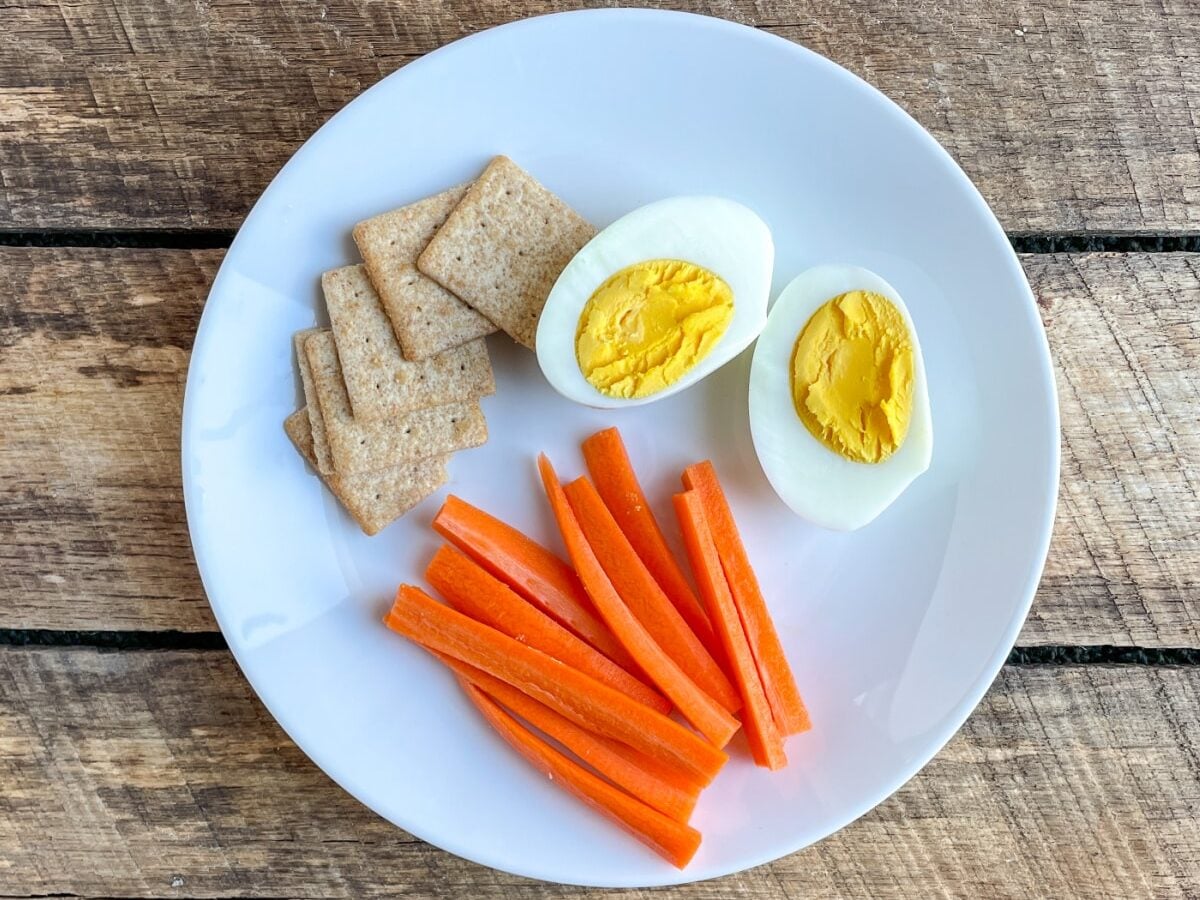
- Hard-boiled egg: A portable and complete protein source.
- Greek yogurt (single-serving cup): Packed with protein and probiotics.
- Cheese stick or slices: A convenient and satisfying dairy option.
- Edamame (shelled, ½ cup): A plant-based protein powerhouse.
- Small handful of almonds or walnuts: Provides protein, healthy fats, and fiber.
- Apple slices with 1-2 tablespoons of peanut butter: A classic combination offering protein and complex carbohydrates.
- Cottage cheese (½ cup): A versatile dairy product rich in casein protein.
- Whole-grain crackers with cheese: A simple yet effective protein and fiber pairing.
Snacks with 10-15 Grams of Protein:
These options offer a more substantial protein boost, suitable for teens with higher energy demands or those needing to stay full longer.
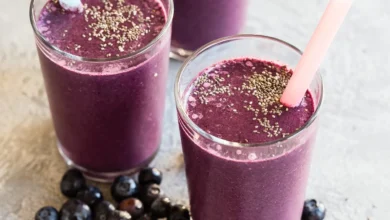
- Smoothie with milk and a scoop of Greek yogurt: A customizable blend that can be easily enhanced with protein.
- Tuna or salmon pouch with whole-grain crackers: Excellent sources of lean protein and omega-3 fatty acids.
- Trail mix (nuts, seeds, dried fruit): A calorie-dense option for sustained energy.
- Turkey or ham roll-ups (2-3 slices): Lean protein that’s easy to prepare.
- Bean dip (hummus or black bean) with vegetable sticks: A plant-based protein and fiber combination.
- Oatmeal with nuts and seeds: A hearty breakfast or snack that provides sustained energy.
- Peanut butter on whole-wheat toast (2 slices): A familiar and filling snack.
- Protein bar (select carefully): While not a primary focus, a well-chosen bar can offer convenience.
High-Protein Snacks (15-20 Grams of Protein):
These snacks are designed to provide significant satiety and support muscle recovery and growth, particularly beneficial for active teenagers.
- Chicken or turkey breast slices (3-4 ounces): Lean protein that can be pre-portioned.
- Salmon or tuna salad sandwich on whole-wheat bread: A more substantial meal replacement snack.
- Protein pancakes or waffles: Homemade options can be made with added protein powder or Greek yogurt.
- Greek yogurt parfait with berries and granola: A satisfying and nutrient-rich combination.
- Protein shake with milk and a portion of protein powder: A quick and effective way to boost protein intake, especially for athletes.
- Lentil soup (1.5 cups): A hearty and plant-based protein option.
- Scrambled eggs (2-3 large eggs): A classic protein-rich meal that can be enjoyed any time.
Very High-Protein Snacks (20-30 Grams of Protein):
These options are for teens with exceptionally high energy needs, such as dedicated athletes or those experiencing rapid growth spurts.
- Protein shake with milk, protein powder, and a banana: A complete post-workout recovery drink.
- Large Greek yogurt bowl with added nuts and seeds: A substantial and protein-packed dairy option.
- Chicken salad lettuce wraps: A lighter, yet protein-dense, alternative to sandwiches.
- Beef jerky or turkey jerky (portion controlled): A convenient, shelf-stable protein source.
- Cottage cheese (1 cup) with fruit and nuts: A high-protein snack that aids in muscle repair.
- Tofu scramble with vegetables: A plant-based alternative offering a significant protein punch.
Addressing Common Concerns: The FAQ on Teens and Protein
Chen dedicates a section to answering frequently asked questions, aiming to dispel myths and provide evidence-based guidance.
-
Do most teenagers get enough protein? As previously noted, yes. The diverse range of typical adolescent diets ensures that protein requirements are generally met through regular meals and snacks. Protein deficiency is uncommon in healthy, well-nourished teenagers.
-
Do teen athletes need more protein? Yes. While general protein needs are met by most teens, athletes engaged in rigorous training may require higher protein intake. Chen suggests approximately 0.8-0.9 grams of protein per pound of body weight for teen athletes. For a 130-pound teenager, this translates to roughly 104-117 grams of protein daily. The key is to distribute protein intake throughout the day and combine it with carbohydrates post-exercise for optimal recovery.

-
Does extra protein build more muscle? Not directly. Muscle growth is primarily stimulated by resistance training. Consuming excess protein beyond the body’s needs for repair and growth does not automatically translate into increased muscle mass. Instead, the surplus protein is either used for energy or converted into fat.
-
Is protein powder safe for teenagers? Protein powder can be a convenient supplement, but Chen advises caution. "Many powders have lengthy ingredient lists that include herbal supplements and artificial sweeteners," she notes. She recommends choosing powders with short ingredient lists, natural sweeteners, and suggests using less than the full serving size, as a little goes a long way, especially when mixed with milk. She personally endorses a specific brand known for its minimal ingredients and natural sweetness.
-
Can teens get too much protein? Yes. Excessive protein intake, particularly when combined with supplements on top of a regular diet, can lead to dehydration and may contribute to fat storage. Research indicates the body has a limit to how much protein it can effectively utilize for muscle building at one time, suggesting that more is not always better.
-
What if my teen doesn’t eat meat? This is not an impediment to meeting protein needs. Abundant plant-based and dairy sources are rich in protein, including dairy products, eggs, beans, lentils, soy-based foods (tofu, edamame), whole grains, and even vegetables like peas. Vegetarian and vegan teens can readily meet their protein requirements with mindful planning.
-
What’s the best way to stock the kitchen? Convenience is paramount for teen snacking. Chen advises keeping readily accessible protein sources visible and within easy reach. This includes individual Greek yogurt cups, cheese sticks, hard-boiled eggs, milk, pre-portioned tuna or salmon pouches, frozen edamame, and homemade items like protein pancakes stored in the freezer. "When protein-rich foods are easy, teens are more likely to actually eat them," she concludes.
By focusing on nutrient-dense whole foods and providing practical, organized guidance, Sarah Chen’s approach empowers parents to support their teenagers’ active lifestyles and developmental needs with satisfying and healthy snack choices.