Spotlight on Jessie Stover: A Lifelong Journey with Type 1 Diabetes and a Passion for Advocacy

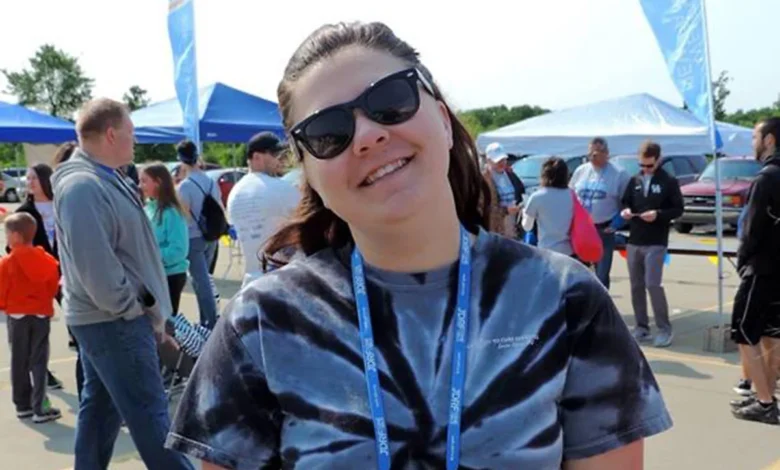
Jessie Stover, Development Manager at Breakthrough T1D’s Indiana Chapter, embodies resilience and advocacy, having navigated life with type 1 diabetes (T1D) since the age of two. Born and raised in Evansville, Indiana, Stover now resides in Indianapolis with her two feline companions, Milo and Zuko. Her personal interests include the quiet joys of reading, the creative outlet of crafting, the vibrant energy of concerts, and the sweet satisfaction of baking gluten-free desserts that rival their traditional counterparts in deliciousness. Stover’s narrative is a testament to the evolving landscape of T1D management, from early childhood challenges to adult empowerment, and her journey underscores the critical importance of research, community, and self-advocacy in living a full life with a chronic condition. Breakthrough T1D recognizes Stover’s courage in sharing her deeply personal story and her unwavering dedication to the T1D community.
Early Encounters with T1D: Gummy Bears and Insulin Shots
Stover’s introduction to type 1 diabetes was at the tender age of two. While her family had a history of autoimmune disorders, the specific diagnosis of T1D in their young daughter came as a profound shock. "There is no one else in my family with T1D, so it was a big shock to my parents, and we all had so much to learn," Stover recounted. This period marked the beginning of a steep learning curve for her family, centered around the kitchen. The essential tools of her early management included a perpetually stocked container of gummy bears, a vital resource for treating hypoglycemia, a new kitchen scale for precise carbohydrate counting, and the adaptation of beloved treats like Kool-Aid into sugar-free alternatives. This intensive approach was supported by a robust network of care, a true "village" comprising her parents, grandparents, and a supportive school secretary.

Despite this supportive environment, the practicalities of insulin administration presented a significant hurdle. Like many children, Stover harbored a strong aversion to injections, often leading to spirited attempts to evade her parents when it was time for her insulin dose. This early experience highlighted the physical and emotional challenges associated with managing a chronic condition in childhood, underscoring the constant negotiation between medical necessity and a child’s comfort.
A Pioneering Step: A Kiddo in a Clinical Trial
A pivotal moment in Stover’s T1D journey occurred during an appointment with her endocrinologist in Indianapolis. She was introduced to a clinical trial investigating the efficacy of insulin pumps for young children. Her mother, a pragmatist at heart, saw the potential for significant improvement in Stover’s quality of life. "My mom is a very practical person, so it was almost a no-brainer for her since it meant the possibility of no more insulin shots, and it could help manage my blood sugars more smoothly," Stover explained. The prospect of eliminating daily injections held immense appeal.
At the age of four, Stover became a participant in this groundbreaking trial, adopting her first insulin pump. The immediate impact was transformative. The insertion of the pump site, managed with a numbing cream, was virtually painless, offering tangible relief not only to Stover but also to her primary caregiver, her mother. The insulin pump revolutionized her daily management by automating insulin dosing calculations and allowing for remote adjustments, most crucially eliminating the need for manual injections. This early adoption of pump therapy set a precedent, and Stover has remained a consistent insulin pump user ever since.

This clinical trial, focusing on early insulin pump use in children, was part of a broader wave of innovation in T1D management. By the late 1980s and early 1990s, insulin pumps were beginning to emerge as a viable alternative to multiple daily injections, offering the potential for more precise insulin delivery and improved glycemic control. Stover’s participation, therefore, placed her at the forefront of a significant shift in how T1D was managed in pediatric populations.
Navigating Adolescence: The Challenge of "Doing Better"
As Stover transitioned into her teenage years, the responsibility for managing her T1D shifted increasingly to her. This period marked a profound realization of the lifelong nature of her condition. "It wasn’t new, but it was as if something finally clicked in my brain that it wasn’t going to go away, and now it was my turn to do all the work," she reflected. This dawning awareness was compounded by parental concerns about future complications and the implicit pressure to "do better" in her management. This created a challenging transition, and Stover found herself lacking the resources to effectively navigate these new emotional and practical burdens. "Just because the textbook makes it look easy, and my mom made it look easy, it felt like I was expected to immediately do the same," she recalled.
A turning point arrived when a member of her diabetes care team offered a profound insight: "Being a teenager is hard enough. Adding T1D into the mix is like trying to stop a volcano from erupting!" This simple yet powerful analogy resonated deeply with Stover, articulating the complex emotional landscape she was experiencing. For the first time, she felt her feelings of frustration, anger, and sadness were validated. "I realized I was allowed to be angry, upset, and unhappy, and I didn’t have to just accept T1D and move on. Stepping back and allowing space to understand and grieve my diagnosis helped me," she stated.

This newfound acceptance paved the way for more open communication with her parents and a healthier approach to her mental well-being. Stover began to establish boundaries regarding what she was comfortable sharing about her T1D, prioritizing her own emotional needs. "I let myself have space to have bad days and started celebrating the good. I started celebrating my diaversary and stopped trying to make other people comfortable with what I was going through, because I was the one going through it and I needed to do what I needed to do," she explained. This period marked a significant shift towards self-compassion and agency in her T1D management.
The psychological impact of chronic illness on adolescents is a well-documented phenomenon. Studies have consistently shown higher rates of depression and anxiety among teenagers with T1D compared to their peers without chronic conditions. Factors contributing to this include the constant demands of self-management, the fear of complications, social stigma, and the challenges of peer relationships. Stover’s experience highlights the critical need for accessible mental health support within diabetes care teams, especially during the tumultuous adolescent years.
A Renewed Perspective: Embracing Life with T1D
As Stover matured into adulthood, her perspective on living with T1D continued to evolve, mirroring the advancements in available mental health resources. She now actively encourages individuals with T1D to seek professional therapy and to connect with online communities for mutual support. "There’s an entire community of people who decided diabetes wasn’t going to be invisible, and in doing so, more honest conversations can happen," Stover observed. "We know more about chronic illness fatigue, medical trauma, and the effect of societal pressure to be ‘normal.’ If you go looking, you can find someone talking about it. Validation is a very powerful thing."

Her resilience was further tested when she was diagnosed with Celiac disease shortly after graduating from college. This second autoimmune diagnosis, however, was met with a different approach. Having learned to extend herself grace through her T1D journey, Stover found managing Celiac disease to be a more manageable undertaking. This experience underscored the cumulative benefit of developing coping mechanisms and self-advocacy skills when navigating multiple chronic conditions.
The landscape of T1D technology has also undergone a dramatic transformation since Stover’s initial use of an insulin pump. The advent and widespread adoption of continuous glucose monitors (CGMs) have revolutionized glycemic monitoring. When paired with insulin pumps, these technologies form automated insulin delivery (AID) systems, often referred to as "artificial pancreas" technology. While initially hesitant to embrace new technological advancements, Stover eventually incorporated a CGM into her management routine. "It is nice to be able to see how your glucose levels are trending," she acknowledged.
Despite inherent anxieties surrounding potential technology failures and the ever-present concern of hypoglycemia, Stover developed a personalized strategy for utilizing her CGM. She strategically sets her low glucose alarm at 100 mg/dL, a threshold significantly higher than the typical 70 mg/dL, allowing her to proactively intervene before blood sugar levels drop precipitously. "It’s a little extra peace of mind to know that I can catch a low before it becomes a big problem," she stated. This adaptive approach to technology reflects her growing confidence and her commitment to finding management strategies that best suit her individual needs.

A Lifelong Partnership: Breakthrough T1D’s Enduring Presence
Breakthrough T1D has been an integral part of Stover’s life and her family’s journey since her diagnosis. Early in her childhood, a dedicated group of parents established a small but impactful Breakthrough T1D Walk in Southern Indiana. This event grew over the years, often including many of Stover’s friends and classmates. More than two decades later, the Holiday World Walk in Indiana continues to thrive, now organized by Stover herself.
Beyond her involvement in fundraising events, Stover also served as a Youth Ambassador for Breakthrough T1D. "Breakthrough T1D has been a part of my life almost as much as T1D has. And now, getting to be a part of sharing the Walk with other families is truly a gift," she expressed. This enduring connection highlights the vital role of patient advocacy organizations in providing support, resources, and a sense of community for individuals and families affected by T1D.
The impact of organizations like Breakthrough T1D extends beyond immediate support. They are instrumental in funding critical research aimed at finding cures and better treatments for T1D. The progress in insulin pump technology and CGM development, which have profoundly impacted Stover’s life, are direct results of the research initiatives supported by such organizations.

Words of Wisdom: Embracing Visibility and Self-Compassion
Stover’s overarching message to others living with T1D is one of empowerment and self-acceptance. She advocates for embracing visibility, encouraging individuals to "take up space" and to celebrate their journey. "Celebrate your diaversary, bedazzle your Omnipod, rock your fun patterned tapes, celebrate with diabesties. Find little ways to bring joy into it, but also take the time to feel the bad days. Take the time to learn how to let the good and bad coexist," she advises.
She champions open dialogue about T1D, urging individuals to utilize available resources and to forge connections with others facing similar challenges. "We were never meant to do the job of the pancreas. Everyone carries the weight of T1D differently; everyone processes and grieves differently. There are going to be bad days, and the bad days should NEVER be punished. Grace, compassion, and a safe space to authentically be a person living with T1D will have a much better outcome. The only party at fault is the immune system that attacked the wrong thing," Stover stated. This powerful sentiment underscores the importance of de-stigmatizing the condition and fostering an environment of understanding and support.
Stover’s journey, from a toddler navigating early T1D management to an adult advocating for community and self-compassion, offers invaluable insights. Her story is a testament to the power of resilience, the transformative impact of technological advancements, and the profound importance of a supportive community in navigating the complexities of living with type 1 diabetes. Her dedication to Breakthrough T1D and her willingness to share her experiences serve as a beacon of hope and a source of inspiration for countless others.
Related posts: