The Best Zero Waste Sunscreen Brands for Safe and Sustainable Summer Skin Protection

The global beauty and personal care industry is undergoing a significant transformation as consumers and regulatory bodies grapple with the environmental consequences of traditional skincare products. Among the most pressing concerns is the impact of chemical sunscreens on marine ecosystems. According to data from the Archives of Environmental Contamination and Toxicology, approximately 4,000 to 6,000 tons of sunscreen are washed into coral reef areas annually. These substances, particularly oxybenzone and octinoxate, have been linked to coral bleaching, DNA damage in marine life, and the disruption of endocrine systems in both humans and aquatic organisms. In response, a new sector of "zero-waste" and "reef-safe" sunscreens has emerged, prioritizing biodegradable ingredients and plastic-free packaging to mitigate the ecological footprint of sun protection.
The Environmental Context: Sunscreen and Marine Degradation
The crisis facing global coral reefs is multifaceted, involving rising ocean temperatures and acidification. However, chemical runoff from sunscreens represents a direct and avoidable stressor. When swimmers enter the water, the UV filters in their sunscreen wash off, contributing to a phenomenon known as "greenhouse seas." Even when not swimming, these chemicals enter the water cycle through shower runoff.
Coral reefs, which support 25% of all marine life despite covering less than 1% of the ocean floor, are particularly sensitive to these pollutants. Research indicates that chemical UV filters can awaken dormant viral infections in the symbiotic algae (zooxanthellae) that live within coral tissues. When these algae die, the coral loses its primary food source and its vibrant color, leading to mass bleaching events. This ecological degradation has significant economic implications, as reef-related tourism and fishing industries provide livelihoods for millions of people worldwide.

A Chronology of Regulatory Action and Industry Shifts
The transition toward sustainable suncare has been accelerated by legislative milestones:
- 2018: Hawaii became the first U.S. state to pass a law banning the sale of sunscreens containing oxybenzone and octinoxate, effective January 1, 2021.
- 2019: The U.S. Food and Drug Administration (FDA) proposed new regulations for sunscreens, stating that only two ingredients—zinc oxide and titanium dioxide—are "generally recognized as safe and effective" (GRASE).
- 2020: The Republic of Palau implemented a nationwide ban on "reef-toxic" sunscreens, citing the protection of its pristine marine lagoons.
- 2021-Present: A surge in consumer demand for "blue beauty"—products specifically designed to protect the ocean—has led to the rise of independent brands focused on circular economy principles and plastic-free delivery systems.
The Science of Sustainable Protection: Non-Nano Mineral Filters
The cornerstone of the zero-waste sunscreen movement is the use of non-nano zinc oxide. Unlike chemical filters that absorb UV radiation into the skin and convert it to heat, mineral filters sit on top of the skin and reflect UV rays like a mirror.

The "non-nano" distinction is critical. Nano-sized particles (smaller than 100 nanometers) can be ingested by coral polyps and may potentially enter the human bloodstream. Non-nano particles are larger and are considered safer for both the user and the environment. Furthermore, sustainable brands often enrich their formulas with organic antioxidants like sea buckthorn oil, jojoba oil, and green tea extract, which help neutralize free radicals generated by sun exposure.
Market Analysis: Leading Brands in the Zero-Waste Sector
As the market for eco-friendly personal care matures, several brands have distinguished themselves through rigorous ingredient sourcing and innovative packaging solutions.

Forah: Organic Purity and Aluminum Circularity
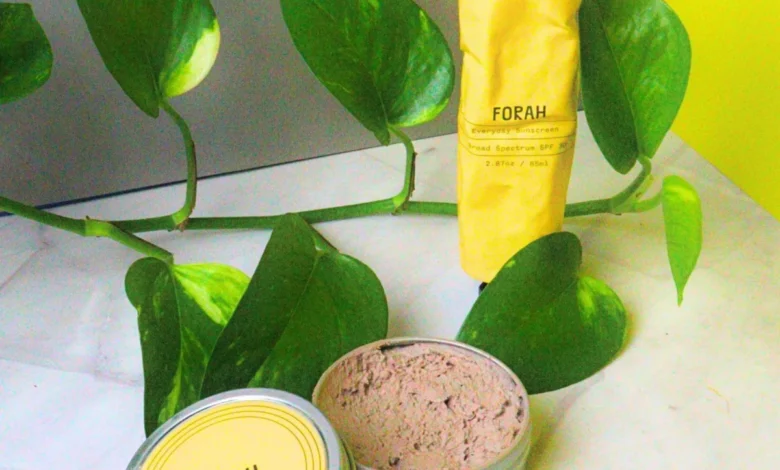
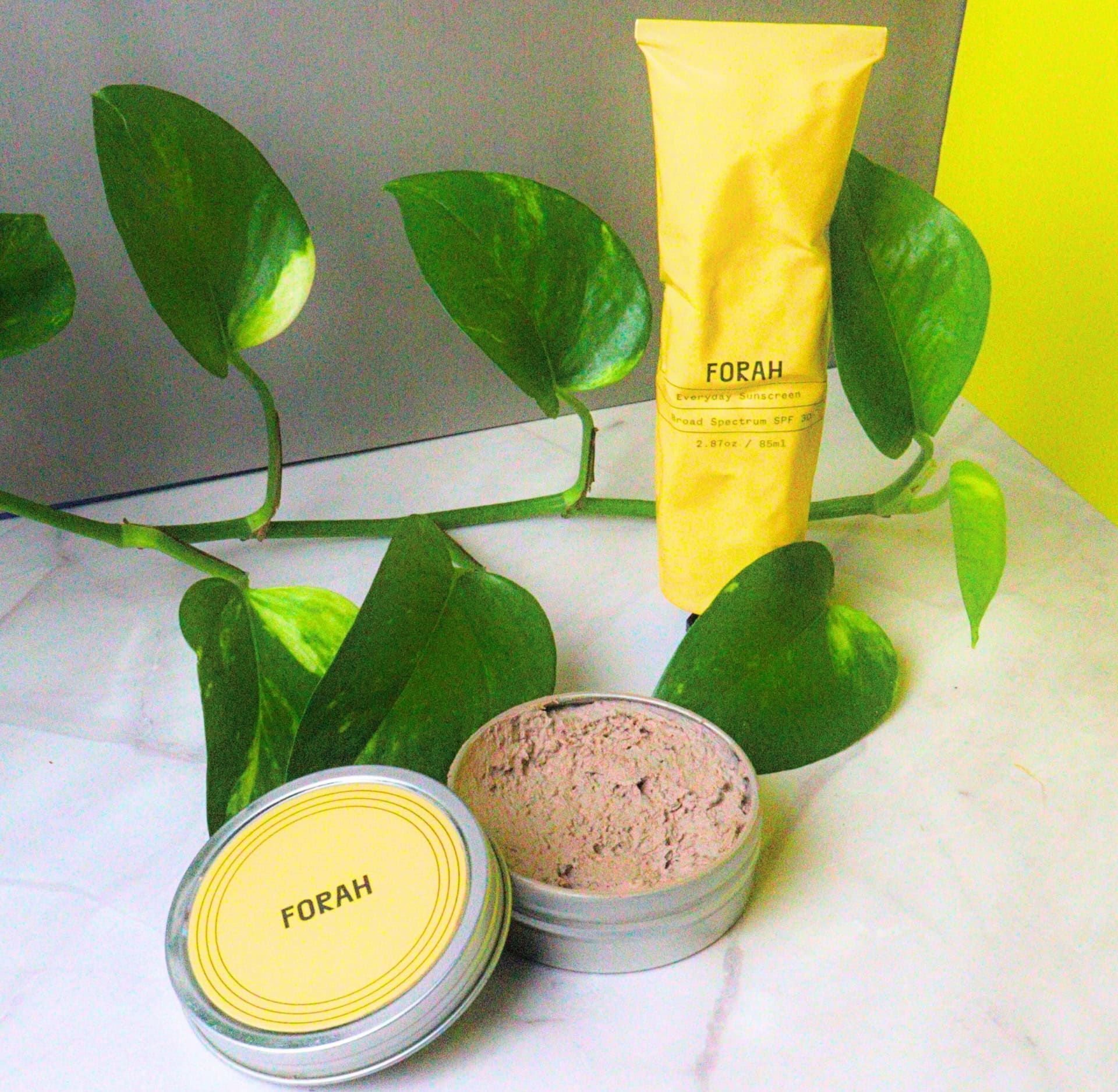
Forah has positioned itself as a specialist in environmentally friendly sun protection, utilizing almost entirely organic-certified ingredients. The brand utilizes aluminum tubes and tins, which are infinitely recyclable. Their "Zinc Surf Balm" and "Everyday Mineral Sunscreen" incorporate seaweed extract and biodynamic avocado oil, focusing on skin nourishment alongside protection.
SurfDurt: Refillable Systems and Solar-Powered Production
Founded by a team including a chemist and ocean enthusiasts, SurfDurt emphasizes "extreme adventure" protection. The brand introduced one of the first refillable sunscreen programs in the industry. Their products are housed in aluminum-lined bamboo pots, and the company utilizes 100% solar-powered technology for manufacturing. A portion of their proceeds supports coral reef restoration and surf therapy for underserved communities.

ATTITUDE: Plastic-Free Sticks and Vegan Formulations
Based in Canada, ATTITUDE offers ECOLOGO-certified mineral sunscreens. The brand has successfully replaced traditional plastic squeeze tubes with compostable cardboard tubes for their sunscreen sticks. Their formulations are EWG Verified, ensuring they are free from endocrine disruptors and other chemicals of concern. As a member of PETA’s "Beauty Without Bunnies" program, all products are vegan and cruelty-free.
Butter Me Up Organics: Minimalist Apothecary Standards
Operating as a modern-day apothecary, Butter Me Up Organics utilizes a minimalist approach with only six primary ingredients in their sunscreen. By using glass jars and cardboard sticks, the brand eliminates plastic waste. Their water-resistant formula relies on non-nano zinc oxide, mango butter, and grapeseed oil, catering to consumers seeking unscented, non-toxic alternatives for families.

Badger: B Corp Leadership and Sport Performance
A veteran in the natural skincare space, Badger is a Certified B Corp that produces Oregon Tilth-certified organic sunscreens. Their "Clear Zinc Sport Sunscreen" provides up to 80 minutes of water resistance. The company is noted for its corporate responsibility, donating 10% of pre-tax profits to charitable organizations and providing extensive employee benefits.
Raw Elements: Professional Grade and Bio-Resin Innovation
Founded by an ocean rescue lifeguard, Raw Elements focuses on high-performance protection. While their primary products are sold in recyclable aluminum tins, the brand has also innovated with bio-resin tubes made from sugarcane waste, offering a lower-carbon alternative to traditional petroleum-based plastics.

The Importance of Thoughtful Packaging
In the context of a "zero-waste" lifestyle, packaging is as vital as the product itself. The industry is moving away from multi-layer plastic tubes, which are nearly impossible to recycle in standard municipal facilities.
- Aluminum: Valued for being lightweight and infinitely recyclable without losing quality.
- Glass: A non-reactive material that is easily reused or recycled, though it presents challenges for beach safety due to breakability.
- Cardboard/Paperboard: Fully compostable, these tubes are ideal for solid stick formulas, though they require careful storage to avoid degradation in humid environments.
- Refill Models: Circular systems that allow consumers to return empty containers for sterilization and reuse, significantly reducing the demand for virgin materials.
Analysis of Broader Implications
The shift toward sustainable sunscreen is a microcosm of a larger movement in global commerce toward the United Nations Sustainable Development Goal 14: Life Below Water. By choosing mineral-based, plastic-free alternatives, consumers are participating in a decentralized effort to preserve marine biodiversity.

However, challenges remain. Mineral sunscreens can sometimes leave a "white cast" on the skin, a barrier that brands are overcoming through the use of iron oxide tints. Furthermore, the cost of organic ingredients and sustainable packaging often results in a higher price point than mass-market chemical sunscreens. Experts suggest that as economies of scale improve and more brands enter the space, these sustainable options will become increasingly accessible to the general public.
Expert Guidance: Safety and Efficacy
Dermatologists and environmental scientists caution against "DIY" sunscreen recipes found on social media. Proper sun protection requires rigorous SPF testing and stable formulations to ensure consistent UV blockage. Reputable zero-waste brands invest in third-party lab testing to verify their SPF ratings and broad-spectrum protection.

Regarding the use of SPF powders, the FDA continues to evaluate safety data. While convenient for reapplying over makeup, powders should not serve as the primary layer of protection, as it is difficult to apply a sufficient amount to reach the labeled SPF. For maximum safety, experts recommend a "layering" approach: utilizing mineral-based creams or sticks as a base and supplementing with protective clothing, hats, and seeking shade during peak UV hours.
Final Outlook
The rise of zero-waste sunscreen brands signifies a pivotal moment in the intersection of public health and environmental stewardship. As the scientific community provides more data on the link between chemical pollutants and ecosystem collapse, the demand for transparent, ethical, and effective sun protection is expected to grow. By prioritizing non-nano minerals and circular packaging, these brands are setting a new standard for the beauty industry—one where the protection of human skin does not come at the expense of the planet’s oceans.