Everything You Need to Know About Hemp Fabric History Sustainability and Future Outlook

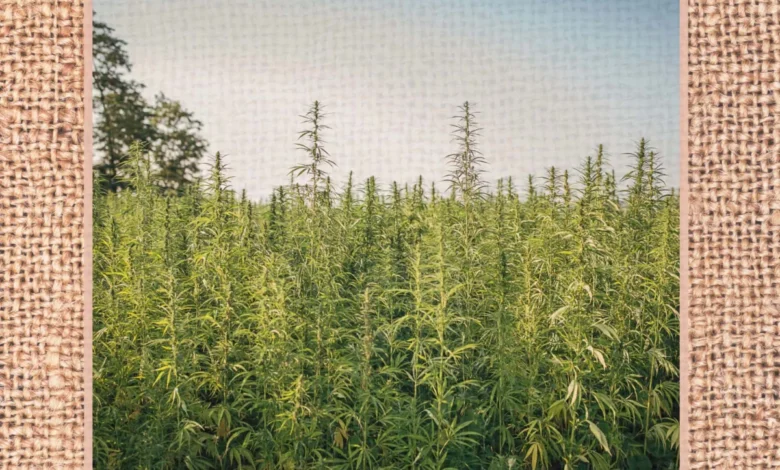
The global textile industry is currently undergoing a significant transformation as brands and consumers alike seek alternatives to the resource-intensive nature of fast fashion. Amidst this shift, hemp fabric has emerged as a frontrunner for sustainable apparel, though its roots are far from new. As one of the oldest cultivated fibers in human history, hemp is experiencing a modern renaissance, driven by legislative changes and a deeper scientific understanding of its environmental benefits. While often conflated with its psychoactive cousin, industrial hemp is a distinct agricultural product that offers a unique combination of durability, low environmental impact, and carbon sequestration potential.
The Botanical and Historical Foundations of Hemp
Hemp fabric is a high-performance textile derived from the bast fibers found in the stalk of the Cannabis sativa plant. These fibers are recognized as some of the strongest and most durable natural filaments in the world. Historically, hemp’s utility was foundational to the development of early civilizations. Archaeological evidence suggests that hemp was used to create fabric as early as 4,000 to 6,000 BCE in regions spanning from China to the Middle East. For millennia, it was the primary material for essential goods, including ship sails, rigging, canvas, and heavy-duty sacks.
The decline of hemp in the 20th century was largely a result of political and regulatory hurdles rather than a loss of utility. The confusion between industrial hemp and recreational cannabis led to strict prohibitions in many Western nations. However, industrial hemp is botanically bred to contain negligible levels of Tetrahydrocannabinol (THC), the psychoactive compound found in marijuana. In the United States and the European Union, the legal threshold for industrial hemp is generally set at 0.3% THC or less on a dry-weight basis. This distinction is critical to the current resurgence of the industry, as it allows for large-scale agricultural production without the regulatory baggage of the drug trade.
The Production Cycle: From Field to Fiber
The transformation of a woody hemp stalk into a soft, wearable fabric involves a complex mechanical and biological process. The quality of the final textile is heavily dependent on the precision of these steps.
Harvesting and Retting
The process begins with the harvest, which must be timed perfectly—usually once the lower leaves drop and the stalks begin to turn woody. Following the harvest, the stalks undergo "retting," a process designed to break down the pectin (the natural glue) that binds the strong bast fibers to the woody core of the plant.
There are four primary methods of retting currently used in the industry:
- Dew Retting: Stalks are left in the field to be exposed to moisture and natural microbes. While eco-friendly, this method is weather-dependent and can take several weeks.
- Water Retting: Stalks are submerged in tanks or ponds. This is faster but requires significant water management to avoid pollution from the decomposing organic matter.
- Enzyme Retting: A modern approach using specific microbes to speed up the process, offering more control over fiber quality.
- Chemical Retting: The use of acids or alkalis to dissolve the pectin quickly. While efficient, this is the least sustainable method due to chemical runoff.
Decortication and Cottonization
After retting, the stalks are dried and put through a process called decortication, where the woody inner core (the hurd) is separated from the long outer fibers. The fibers then undergo "scutching" (beating) and "hackling" (combing) to align the strands for spinning.

A significant technological hurdle for hemp has been its natural coarseness. To make hemp compatible with modern textile machinery designed for cotton, the fibers often undergo "cottonization." This process breaks down the long hemp fibers into shorter, softer lengths that can be blended with cotton or wool, or spun into fine yarns on their own.
Comparative Sustainability: Hemp vs. Traditional Textiles
The environmental argument for hemp is supported by a growing body of peer-reviewed data. When compared to conventional cotton, hemp demonstrates superior performance across nearly every ecological metric.
Water Consumption and Irrigation
A landmark 2005 study by the Stockholm Environment Institute highlighted a stark contrast in water usage. Conventional cotton requires approximately 9,758 liters of water to produce one kilogram of fiber. In contrast, hemp requires between 2,000 and 3,400 liters. Furthermore, because hemp is a hardy crop, it is often rain-fed in temperate climates, whereas cotton frequently relies on intensive irrigation systems that can deplete local aquifers.
Land Use and Yield
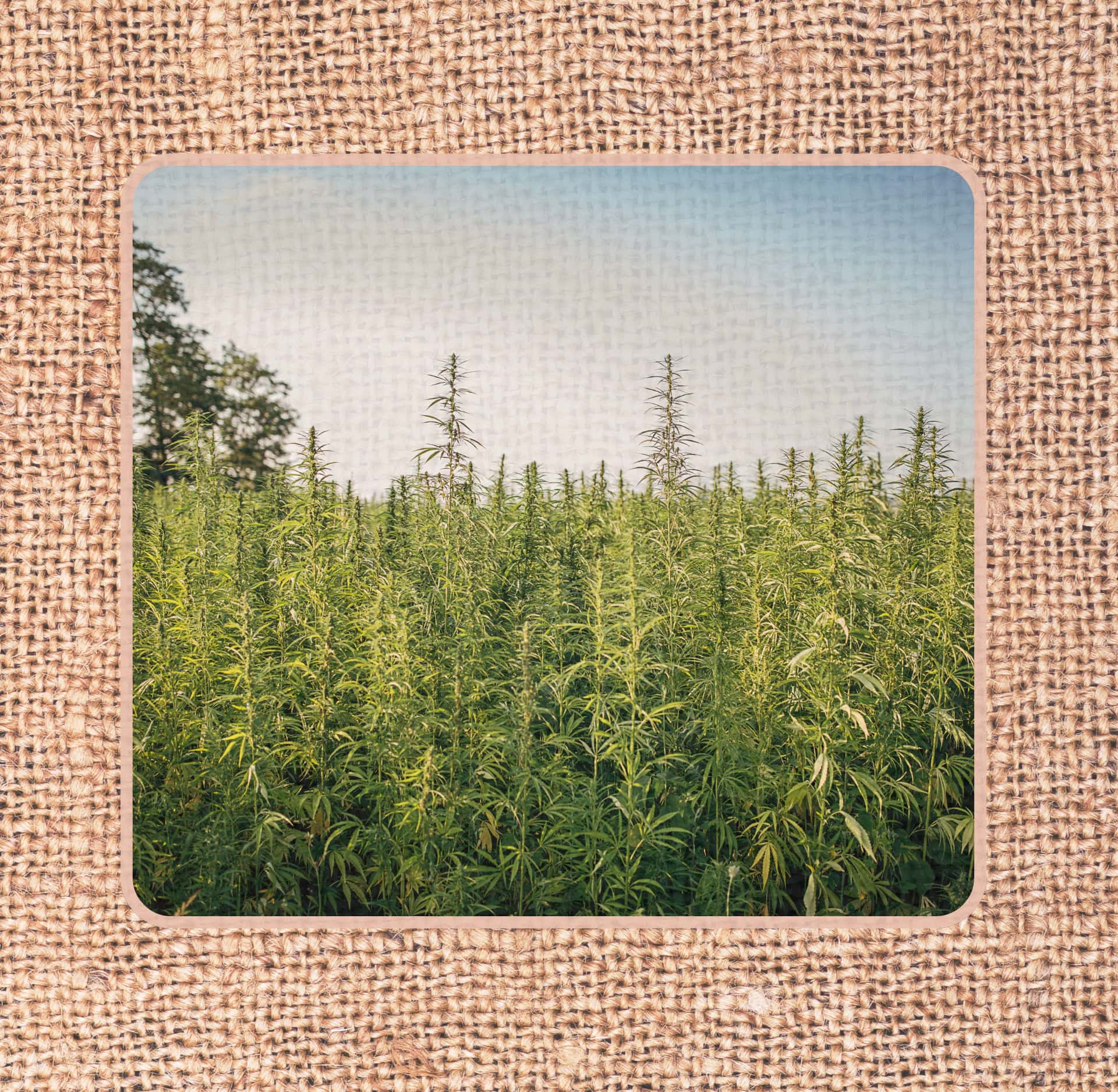
Hemp is an exceptionally efficient crop in terms of land utilization. It can produce up to three times more fiber per hectare than cotton. This high yield makes it an attractive option for a world with a growing population and shrinking arable land. Because it grows densely and rapidly—often reaching heights of 10 to 15 feet in a single season—it naturally shades out weeds, reducing or eliminating the need for herbicides.
Carbon Sequestration and Soil Health
Hemp is increasingly recognized as a "carbon sink." During its rapid growth phase, it absorbs significant amounts of CO2 from the atmosphere. Research indicates that hemp can sequester between 1.4 and 1.6 tons of CO2 per ton of harvested hemp. However, environmental analysts note that this carbon benefit is only permanent if the resulting fiber is used in long-lived products like textiles or building materials (hempcrete) rather than being burned or composted immediately.
Beyond carbon, hemp serves a vital role in regenerative agriculture. Its deep taproots help prevent soil erosion and can perform phytoremediation—the process of drawing heavy metals and toxins out of contaminated soil. This was famously demonstrated when hemp was planted near the Chernobyl nuclear site to help clean the soil of radioactive isotopes.
The Viscose Controversy and Greenwashing
While mechanically processed hemp is highly sustainable, the industry faces challenges regarding "hemp viscose." Similar to bamboo fabric, hemp cellulose can be chemically dissolved and re-spun into a semi-synthetic fiber. If this process uses a "closed-loop" system (like the Lyocell process), the chemicals are captured and reused. However, many "hemp viscose" products are manufactured using conventional rayon methods, which involve carbon disulfide and caustic soda. These chemicals can be hazardous to workers and the environment if not managed properly.
Journalistic investigations and industry watchdogs advise consumers to look for specific certifications. The Global Organic Textile Standard (GOTS) ensures organic farming and ethical manufacturing, while OEKO-TEX Standard 100 tests the final product for harmful chemical residues.

Economic and Policy Landscape
The legislative environment for hemp has shifted dramatically in the last decade. In the United States, the 2018 Farm Bill was a watershed moment, federally legalizing the cultivation of industrial hemp and removing it from the Controlled Substances Act. This move reopened domestic markets and encouraged investment in processing infrastructure. Similarly, the European Union updated its regulations in 2023, raising the allowable THC threshold from 0.2% to 0.3%, bringing it in line with international standards and allowing farmers to use a wider variety of high-yielding hemp seeds.
Market analysts project that the global industrial hemp market will continue to grow at a compound annual growth rate (CAGR) of over 15% through 2030. This growth is being fueled not just by textiles, but by the automotive, construction, and bioplastic industries, all of which are seeking sustainable raw materials.
Performance Characteristics and Consumer Experience
From a consumer perspective, hemp fabric offers several functional advantages:
- Durability: Hemp is significantly stronger than cotton and does not weaken when wet. This leads to garments that can last for decades rather than seasons.
- Breathability and Thermoregulation: The porous nature of the fiber allows for excellent airflow, keeping the wearer cool in summer. Conversely, the fibers can trap air to provide insulation in cooler weather.
- UV Protection: Hemp naturally blocks a higher percentage of ultraviolet rays than most other fabrics, offering a built-in "SPF" for the skin.
- Antimicrobial Properties: While scientific reviews show varying results depending on the processing method, raw hemp fiber has a natural resistance to mold, mildew, and odor-causing bacteria.
The primary disadvantage cited by consumers is the initial stiffness of the fabric. Unlike organic cotton, which is soft from the first wear, 100% hemp can feel similar to linen or a light canvas. However, proponents of the fiber point out that hemp "wears in, not out," becoming progressively softer with every wash and wear.

Future Outlook and Global Impact
As the infrastructure for decortication and spinning expands in North America and Europe, the cost of hemp fabric is expected to decrease, making it more accessible to mainstream brands. Companies like Patagonia and Levi’s have already integrated hemp blends into their core collections, signaling a move away from niche "eco-fashion" into the broader market.
The future of hemp also lies in the circular economy. Because it is a natural plant fiber, pure hemp is fully biodegradable and compostable. As the fashion industry grapples with the crisis of textile waste, materials that can return to the earth without leaving microplastics or toxic residues are becoming the gold standard.
In conclusion, hemp fabric represents a rare intersection of ancient tradition and modern sustainability. While challenges remain—specifically regarding the scaling of mechanical processing and the prevention of chemical-heavy viscose production—the botanical profile of hemp makes it an indispensable tool in the fight against environmental degradation. By reducing water usage, eliminating the need for harmful pesticides, and healing the soil, hemp is proving that the future of fashion may very well be found in its oldest threads.
Related posts: