Eco-Friendly Restoration and Maintenance of Modern and Vintage Baseball Headwear: A Comprehensive Guide to Sustainable Fabric Care

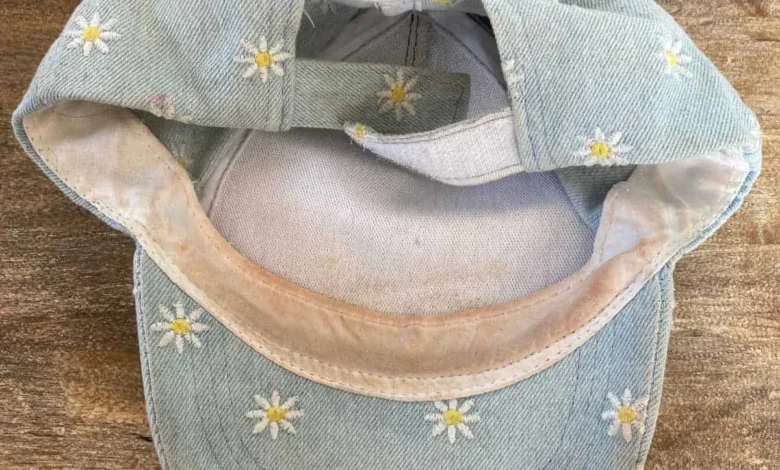
The baseball cap, originally developed in the mid-19th century as a functional piece of athletic equipment, has evolved into a global fashion staple, with the global headwear market projected to reach a valuation of several billion dollars by the end of the decade. Despite their ubiquity, these items often suffer from premature disposal due to the accumulation of organic stains, including sebum, sweat, and environmental pollutants. Sustainability experts now emphasize that extending the lifecycle of a single textile item through proper maintenance is one of the most effective ways to reduce individual carbon footprints and mitigate the environmental impact of the "fast fashion" industry. The restoration of heavily soiled headwear requires a nuanced understanding of textile science, material history, and eco-friendly chemical reactions to ensure that the item’s structural integrity and aesthetic appeal remain intact.
Material Composition and Historical Context
Before initiating any cleaning protocol, a technical assessment of the cap’s composition is mandatory. The evolution of the baseball cap has seen significant shifts in manufacturing materials, which dictates the appropriate cleaning methodology. Historically, caps were constructed from heavy wool or wool blends. While wool is durable, it is a protein-based fiber that is highly susceptible to "felting" or shrinking when exposed to significant agitation and temperature fluctuations. Furthermore, wool fibers can be degraded by high-alkalinity cleaners and oxygen-based bleaching agents.
A critical chronological divide exists in the construction of the "bill" or "brim" of the cap. Prior to the 1980s, manufacturers frequently utilized compressed cardboard or paperboard to provide the rigid structure of the brim. Immersing these vintage items in water leads to irreversible structural collapse as the cellulose fibers lose their binding properties. Conversely, modern caps, produced from the late 20th century onwards, typically feature a brim core made of high-density polyethylene (HDPE) or other resilient plastics. These modern iterations are designed to withstand moisture, allowing for the immersion-based cleaning techniques that are necessary for deep-soil removal.
The Science of Sustainable Stain Removal
The primary contaminants found on headwear are a complex mixture of organic and inorganic compounds. Sweat contains urea, salts, and proteins, while sunscreens and skin oils introduce lipids and synthetic chemicals that can yellow fabrics over time. To combat these without the use of harsh, petroleum-based detergents or chlorine bleach, sustainability experts recommend a combination of mild surfactants and oxygen-based bleaches.

Sodium percarbonate, commonly known as oxygen bleach, is a stabilized addition compound of hydrogen peroxide and sodium carbonate. When dissolved in water, it releases oxygen, which acts as a powerful disinfectant and stain remover through oxidation. Unlike chlorine bleach, sodium percarbonate breaks down into water, oxygen, and soda ash, making it biodegradable and safe for most colorfast fabrics. This chemical approach is particularly effective at breaking the molecular bonds of "yellowing" sweat stains without damaging the underlying cotton or polyester fibers.
Systematic Restoration Methodology
The process of restoring a heavily soiled baseball cap involves a five-stage chronological approach designed to maximize soil suspension while minimizing mechanical stress on the garment.
Stage 1: Pre-Treatment and Spot Cleaning
The first stage involves the manual agitation of concentrated soil areas. Using a soft-bristled brush (such as a repurposed bamboo toothbrush) and a small amount of eco-friendly liquid detergent, the practitioner should target the internal sweatband and the exterior crown. This mechanical action helps to break the surface tension of oils and allows the detergent’s surfactants to encapsulate dirt particles.
Stage 2: The Immersion Bath
A basin is filled with lukewarm water—typically between 30°C and 40°C—to facilitate the activation of the oxygen bleach. High temperatures should be avoided to prevent the warping of plastic brims or the bleeding of dyes. Approximately one tablespoon of oxygen bleach is dissolved into the water. The cap is then fully submerged. For standard levels of soiling, a 30-minute soak is sufficient; however, for items described as "encrusted" or "heavily soiled," a duration of one to two hours may be required to allow the oxidative process to reach the inner layers of the fabric.
Stage 3: Intermediate Agitation
Halfway through the soaking period, the cap should be gently agitated within the water. This movement ensures that the cleaning solution penetrates the seams and the areas where the fabric meets the brim, which are often hotspots for bacterial growth and sand accumulation.

Stage 4: Rinsing and Neutralization
Once the soak is complete, the cap must be rinsed thoroughly under cold, running water. It is essential to remove all residual surfactants and soda ash, as dried detergent can attract new dirt and potentially cause skin irritation upon the next use. The cap should never be wrung or twisted, as this can permanently deform the internal plastic reinforcements and stretch the fabric weave.
Stage 5: Structural Drying
Drying is the final and perhaps most critical stage in maintaining the cap’s silhouette. The item should be patted with a clean, lint-free towel to remove excess moisture and then reshaped by hand. To ensure the crown retains its dome-like shape, it can be placed over a head-shaped object, such as a mannequin head, a small bowl, or a balled-up dry towel. Air drying should occur in a well-ventilated area away from direct sunlight, as UV rays can cause rapid fading of damp fabrics.
Comparative Analysis: Mechanical vs. Manual Cleaning
A common misconception in household maintenance is that the dishwasher or washing machine provides a viable shortcut for headwear cleaning. However, professional textile conservators and sustainability experts strongly advise against these methods.
Washing machines utilize high-torque agitation and centrifugal spinning. This mechanical energy is often too intense for the delicate stitching and the rigid brims of baseball caps, leading to "fraying" or "warping." Furthermore, the friction between the cap and other garments in the drum can lead to pilling.
The "dishwasher method," frequently cited in internet forums, presents hygiene and chemical risks. Dishwasher detergents are formulated with a high pH to strip food grease and proteins from ceramic and metal; these chemicals are often too aggressive for textile dyes and can weaken synthetic fibers. Additionally, the high heat used in dishwasher drying cycles can melt or distort the plastic components of modern caps. From a hygiene perspective, the introduction of outdoor contaminants, including bacteria and environmental debris, into a food-contact environment is considered a suboptimal practice.

Broader Impact and Environmental Implications
The move toward manual, eco-friendly garment care is part of a larger global shift toward "slow fashion" and the circular economy. According to data from the Environmental Protection Agency (EPA), textile waste in landfills has increased significantly over the last two decades, with the average consumer discarding approximately 81 pounds of clothing annually. By adopting rigorous maintenance routines for accessories like baseball caps, consumers can significantly extend the utility of their wardrobes.
Industry leaders in the headwear sector, including brands like New Era and 47 Brand, have begun to emphasize the importance of care to preserve the value of limited-edition releases. The "resale" market for vintage and collectible caps has also surged, where the condition of the fabric and the crispness of the brim directly correlate to market value. Professional cleaning not only serves the environment but also protects the financial investment of the consumer.
Expert Perspectives on Maintenance Frequency
Wendy Graham, a sustainability expert with a background in Environmental Geography and Environmental Sustainability, posits that the frequency of cleaning should be dictated by usage patterns rather than a fixed schedule. "If a cap is worn daily during peak summer months, a monthly wash may be necessary to prevent the permanent setting of salts and oils," Graham suggests. For seasonal users, a thorough cleaning at the end of the summer ensures that the item does not degrade while in storage.
The cumulative effect of these sustainable practices is twofold: the reduction of chemical runoff into water systems through the use of biodegradable agents like sodium percarbonate, and the reduction of solid waste. As the global community continues to grapple with the realities of resource scarcity, the transition from a "disposable" mindset to one of "stewardship" over personal belongings remains a critical component of environmental advocacy. Proper headwear maintenance, while seemingly a minor household task, represents a tangible application of sustainability principles that balances practical utility with ecological responsibility.
Related posts: