Fourth Trimester Podcast Episode 172 – Your Baby’s Brain Works Differently Than Yours – How Early Communication Supports Future Success.

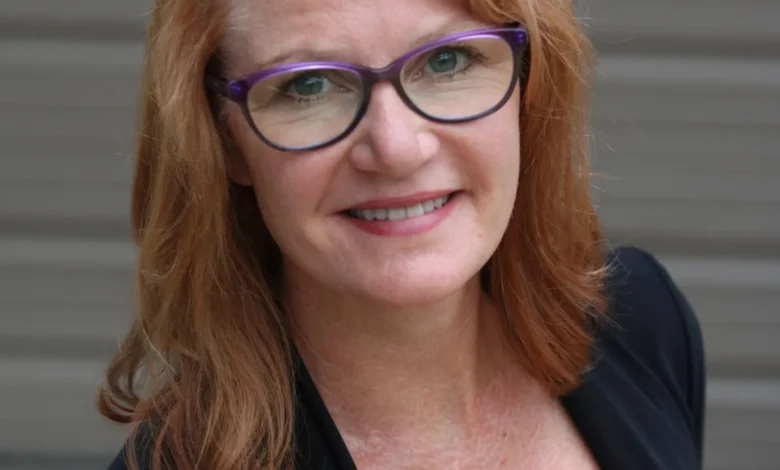
The fundamental architecture of the human brain undergoes its most rapid and significant transformation during the first few years of life, a period often referred to by developmental experts as a critical window for neurological "wiring." In the latest installment of the Fourth Trimester Podcast, host Sarah Trott explores this physiological reality with Dinalynn Rosenbush, a seasoned speech-language pathologist, parenting coach, and author. The discussion centers on a pivotal realization for new parents: infants and young children do not process the world through the same neurological lens as adults. By understanding these biological differences, parents can shift their communication strategies to foster long-term cognitive success and emotional stability.
The Neurological Divide: Delta Waves versus Beta Waves
The primary reason for the communication gap between parents and infants lies in the frequency of brain activity. Scientific research into Event-Related Brain Oscillations (EROs) and Electroencephalogram (EEG) data reveals that the infant brain operates primarily in lower frequency states. While a healthy adult brain functions largely in the Beta wave state—associated with active thinking, logic, and fast-paced processing—infants and toddlers spend much of their time in Delta and Theta states.
Delta waves (0.5 to 4 Hz) are typically associated with deep sleep in adults, but in infants, they represent a dominant waking state of consciousness characterized by a high degree of receptivity and a focus on internal sensations. Theta waves (4 to 8 Hz) are linked to creativity, intuition, and the early stages of memory formation. Because infants are not yet "wired" for the high-speed, logical processing of the Beta state, they require significantly more time to interpret auditory signals and social cues. When a parent provides a complex instruction, the infant’s brain must work exponentially harder to translate those sounds into meaning, often leading to what parents perceive as "ignoring" or "disobedience," but which is, in reality, a processing delay.
Communication as a Foundation for Future Success
Dinalynn Rosenbush emphasizes that the "Fourth Trimester"—the three-month period immediately following birth—is not merely a time for physical recovery but a vital phase for establishing communicative bonds. The podcast outlines several evidence-based strategies to bridge the neurological gap between parent and child.
1. Predictability and Routine
The infant brain thrives on patterns. Because the world is a chaotic influx of new sensory data, predictable routines—such as the specific sequence of events during a diaper change or a feeding session—allow the baby to anticipate what comes next. This anticipation reduces cortisol (the stress hormone) and promotes the development of the prefrontal cortex.
2. The Power of "Serve and Return"
Rosenbush highlights the importance of "diaper-change conversations." This is a practical application of the "serve and return" model advocated by the Harvard University Center on the Developing Child. When a baby coos or makes eye contact (the "serve"), and the parent responds with a smile or a vocalization (the "return"), neural connections are strengthened. This interaction is the precursor to formal language and social-emotional intelligence.
3. Visual Cues and Sign Language
Because the motor skills required for speech lag behind the cognitive ability to understand concepts, Rosenbush suggests the use of simple signs. Basic American Sign Language (ASL) for words like "more," "milk," or "all done" provides a bridge. This reduces frustration for the child, who can communicate a need before they have the physical coordination to articulate phonemes.
Behavior as a Diagnostic Tool
One of the most profound shifts in perspective offered in the episode is the reframing of behavior. Rosenbush asserts that "behavior is communication." When a child "acts out" or fails to follow an instruction, it is rarely an act of defiance in the adult sense. Instead, it is often a signal that the child’s neurological capacity has been exceeded or that their needs are not being met in a way they can articulate.
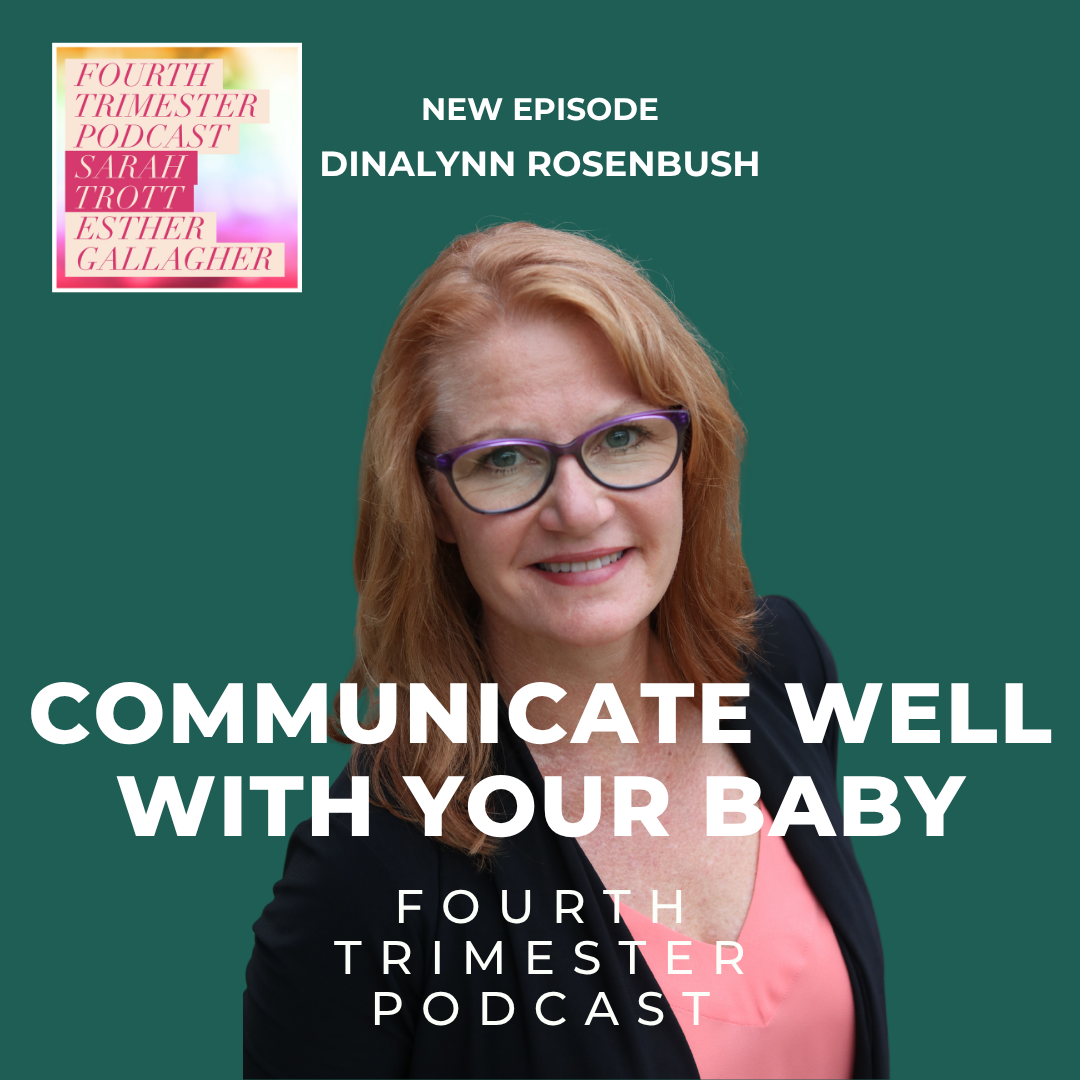
"When your children aren’t doing what you expect them to do, you have an opportunity to wonder," Rosenbush states. This "wondering" involves a diagnostic approach: Is the child overstimulated? Was the instruction too linguistically complex? Is the child in a Theta-heavy imaginative state that makes it difficult to transition to a Beta-heavy logical task? By entering the child’s world through imagination and connection, parents can de-escalate tension and build a relationship based on mutual understanding rather than power struggles.
Chronology of Early Communication Development
The development of communication is a chronological journey that begins in utero and accelerates rapidly after birth. Understanding this timeline helps parents set realistic expectations:
- Prenatal to Birth: The fetus begins to recognize the rhythmic patterns and prosody of the mother’s voice.
- 0-3 Months (The Fourth Trimester): Communication is primarily sensory. The baby communicates through crying, body tension, and eventually, the "social smile." The brain is focused on establishing a sense of safety.
- 4-8 Months: The emergence of joint attention. The baby begins to look at objects the parent points to, a crucial milestone for language acquisition.
- 9-12 Months: The transition from babbling to intentional communication. This is the optimal time for introducing signs and repeated, simple vocabulary.
- 12-24 Months: Rapid expansion of expressive language. The "word spurt" occurs, but processing speed remains slow, requiring parents to use "wait time" (allowing 5-10 seconds for a child to respond to a question).
Broader Implications for Child Development
The implications of early communication strategies extend far beyond the household. Research indicates that the linguistic environment a child is exposed to in the first three years is a primary predictor of third-grade reading levels and long-term academic achievement. This is often linked to the "word gap" theory, which suggests that children who hear more high-quality, interactive language in early childhood have larger vocabularies and better executive function later in life.
Furthermore, the emotional benefits of "attunement"—the process by which a parent becomes aware of and responds to a child’s internal state—are significant. Children who experience high levels of attunement in infancy tend to have more stable nervous systems and are better equipped to regulate their emotions in adulthood. Rosenbush’s approach emphasizes that by slowing down and matching the "speed" of the baby’s brain, parents are not just teaching language; they are wiring the brain for resilience.
Professional Guidance and Resources
The Fourth Trimester Podcast provides a suite of resources to support parents in this journey. These include the "Ultimate Birth Plan Template" and the "Customizable Fourth Trimester Plan," which encourage parents to consider communication and support systems before the baby arrives. Additionally, the episode references traditional practices, such as the use of "Panjiri"—a nutritional supplement used in Ayurvedic traditions to support postpartum recovery—highlighting that maternal well-being is inextricably linked to the quality of care and communication provided to the infant.
Dinalynn Rosenbush, through her platform The Language of Play, continues to advocate for a "play-first" mentality. Play is the natural language of the child’s brain, particularly when it is in the Theta state. By engaging in pretend play and follow-the-leader activities, parents can teach complex social rules in a format that the child’s brain is biologically prepared to accept.
Conclusion: A Call for Neurological Empathy
The dialogue between Sarah Trott and Dinalynn Rosenbush serves as a call for "neurological empathy." In a fast-paced, Beta-wave-dominated world, the slow, sensory-driven pace of an infant can be a source of frustration for parents. However, the data suggests that the burden of adjustment lies with the adult.
By recognizing that a baby’s brain is a different kind of engine—one that runs on connection, repetition, and slow-motion interaction—parents can create an environment where the child feels truly heard. This foundational security is the "optimal wiring" that sets the stage for a lifetime of communicative success and emotional health. As Rosenbush concludes, the goal is not to force the child into the adult world prematurely, but to meet them in theirs, building a bridge of communication that will last a lifetime.