The Ultimate Guide to Baking a Traditional Homemade Peach Cobbler From Scratch

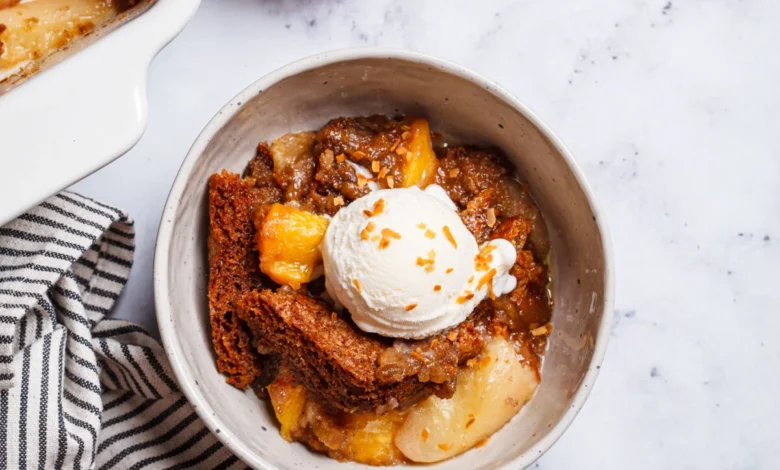
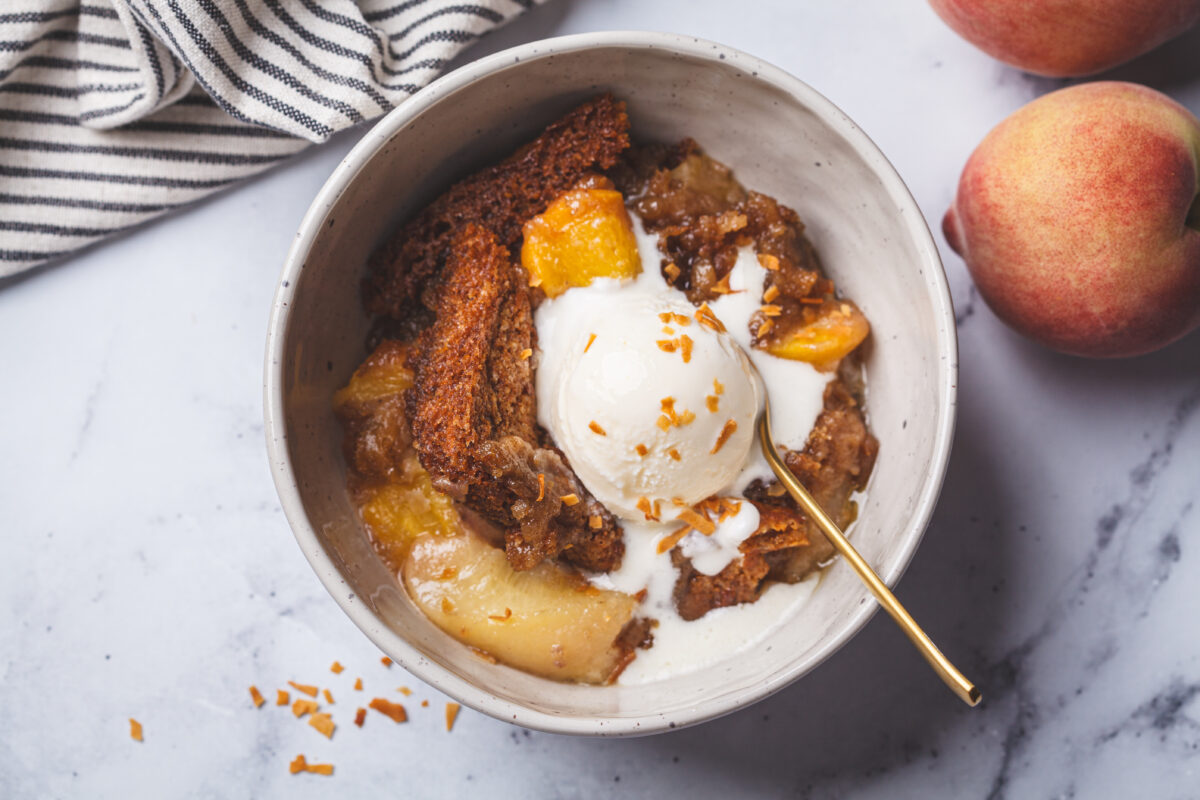
The culinary landscape of traditional American desserts features few dishes as enduringly popular as the homemade peach cobbler. As peak agricultural harvest cycles bring bountiful supplies of stone fruits to local markets and farm stands, home cooks and professional bakers alike turn their attention toward utilizing fresh seasonal produce. Unlike intricate pastry arts that demand precise rolling, meticulous chilling, and complex crust shaping, peach cobbler offers a rustic, accessible approach to dessert making. The fundamental architecture of the dish relies on a thick, bubbling layer of sweetened, spiced fruit crowned with a simple biscuit dough, batter, or pastry topping that bakes into a golden finish.
Historical Background and Cultural Significance of Cobbler
The origins of the peach cobbler trace back to the early European settlers in the American colonies. Lacking the proper equipment, ingredients, and deep-dish pie pans to recreate the traditional baked pastries of their homelands, settlers improvised by dropping thick spoonfuls of biscuit or bread dough over stewed fruits in deep Dutch ovens or cast-iron skillets.
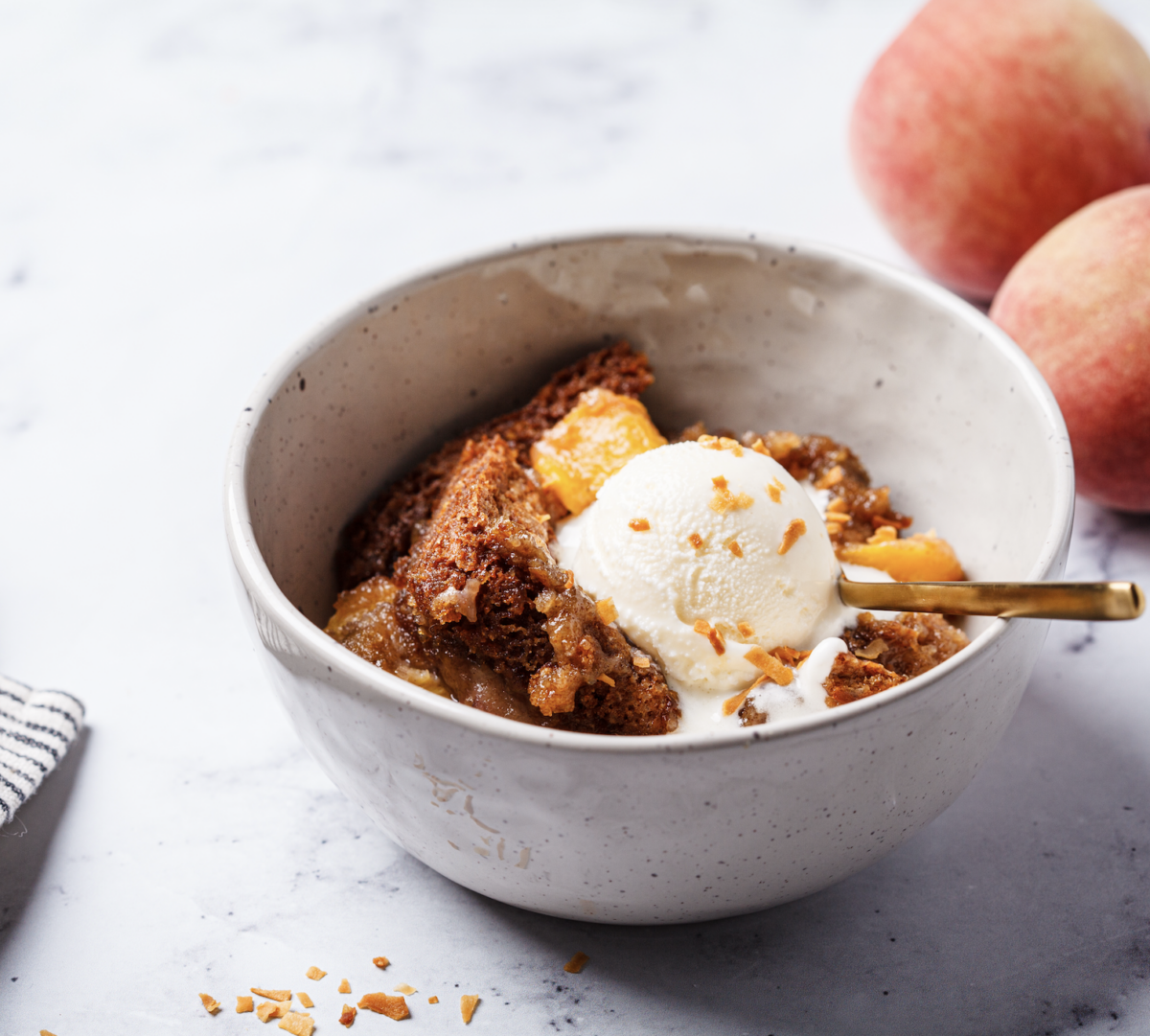
Food historians note that the term cobbler likely derives from the archaic English word cobler, meaning a clumsy person, or from the visual resemblance of the rough, biscuit-topped crust to a cobblestone street. Over centuries, the recipe evolved from a frontier necessity born of resourcefulness into a quintessential symbol of Southern hospitality and American comfort food. While modern adaptations frequently utilize baking powder for a lighter texture and incorporate butter for richness, the core philosophy of layering readily available fruit beneath a humble baked crust remains entirely unchanged.
Anatomy of an Exceptional Peach Cobbler
Culinary professionals emphasize that the success of a homemade peach cobbler depends heavily on structural balance—specifically managing the moisture levels of the fruit while maintaining a tender, non-soggy topping. Peaches naturally contain a high percentage of water, which releases rapidly as internal cell walls break down under high heat. Without adequate thickening agents and proper baking parameters, this excess liquid can easily compromise the structural integrity of the pastry topping.
To combat common issues such as a runny filling or a soggy crust, recipe developers recommend incorporating precise amounts of cornstarch or arrowroot powder into the fruit mixture. Furthermore, utilizing properly chilled butter when preparing the biscuit topping ensures that pockets of steam form as the fat melts in the oven, yielding a lighter, flakier texture rather than a dense, heavy layer. Leaving deliberate gaps in the topping during assembly also allows trapped steam to escape efficiently, preventing moisture accumulation directly underneath the crust.
Ingredient Variations and Fruit Selection
While fresh, tree-ripened yellow or white peaches represent the gold standard for flavor complexity and natural sweetness, the culinary community acknowledges the viability of preserved fruit alternatives. Frozen peach slices, typically flash-frozen at the peak of ripeness, offer an exceptional out-of-season substitute provided excess ice crystals are drained before assembly. Similarly, canned peaches packed in 100% fruit juice serve as a reliable base, though home cooks must account for added liquid by draining the fruit thoroughly and adjusting added sugar levels to prevent an overly cloying result.
Beyond the fruit base, home bakers frequently experiment with flavor profiles by incorporating complementary spices and alternative mix-ins. Standard recipes often feature ground cinnamon and freshly grated nutmeg, but culinary trends point toward the inclusion of ground ginger, almond extract, or a splash of bourbon to elevate the flavor profile. Additionally, replacing a portion of the peaches with tart summer berries—such as blueberries, raspberries, or blackberries—introduces a balanced acidity that cuts through the rich sweetness of the stone fruit.
Nutritional Considerations and Dietary Adaptations
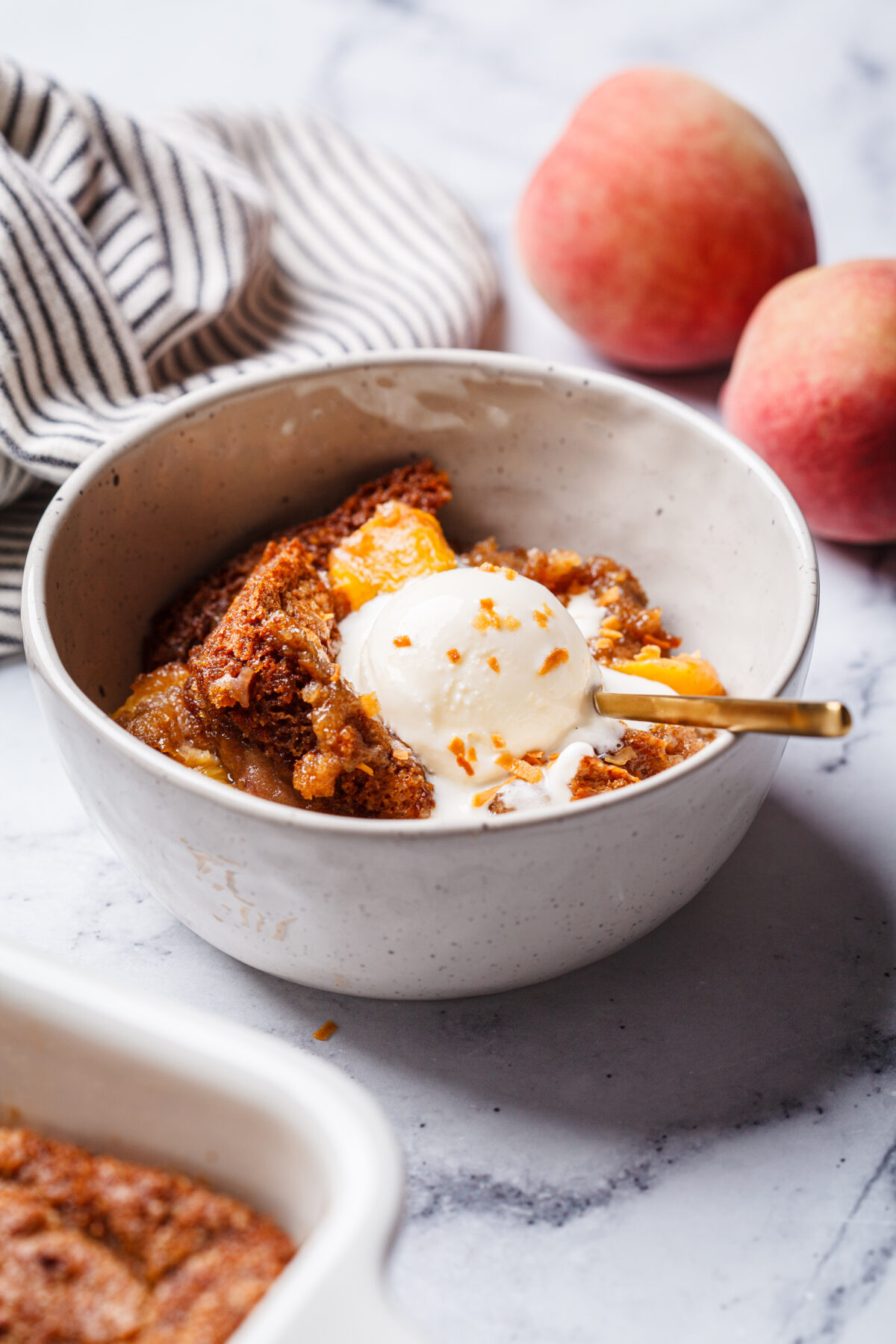
As consumer interest in health-conscious baking continues to expand, culinary nutritionists frequently analyze the nutritional components of traditional comfort foods. A standard serving of peach cobbler provides significant amounts of dietary fiber, vitamin C, and potassium derived directly from the fresh fruit layer. However, traditional recipes often carry substantial caloric loads driven by refined sugars and saturated fats present in the butter and biscuit topping.
To accommodate dietary restrictions and modern wellness preferences, home cooks successfully implement various modifications without sacrificing structural integrity or flavor. Replacing standard refined flour with white whole wheat flour increases dietary fiber intake, while substituting dairy butter and milk with plant-based alternatives successfully accommodates vegan and lactose-intolerant consumers. Furthermore, when utilizing naturally sweet, perfectly ripe summer peaches, home bakers frequently reduce the overall granulated sugar content in the filling by up to twenty-five percent without negatively impacting the final taste profile.
Preparation, Storage, and Food Safety Protocols
Proper execution of a homemade peach cobbler requires strict adherence to preparation and storage guidelines to ensure both optimal texture and food safety. While the peach filling and dry topping ingredients can be prepared and measured hours in advance, final assembly should occur immediately prior to baking to prevent the raw dough from absorbing excessive moisture from the fruit.
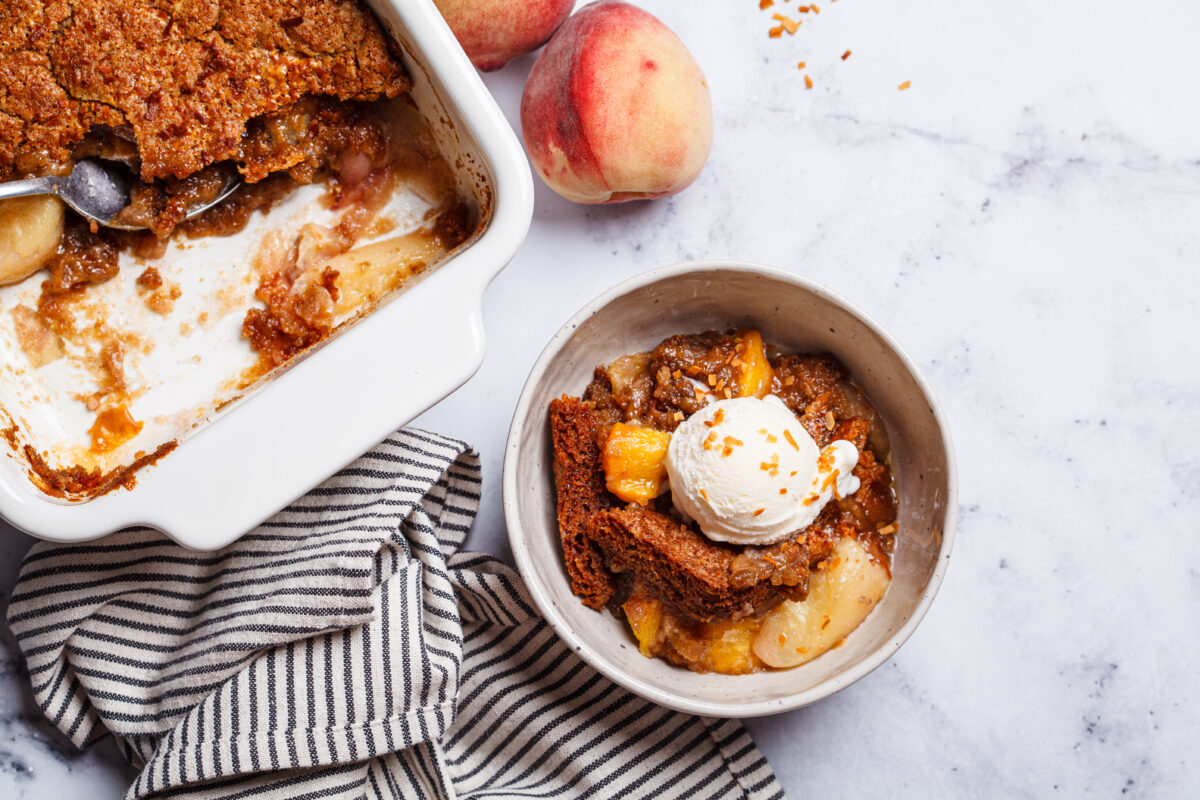
Once baked, a freshly prepared cobbler must rest undisturbed for fifteen to twenty minutes before serving. This crucial resting period allows the cornstarch-thickened fruit juices to cool slightly and set into a proper consistency, preventing the dessert from collapsing into a liquid pool upon portioning. Leftover cobbler should be covered securely and stored in refrigeration for a maximum of four days. For long-term preservation, completely cooled cobbler can be wrapped tightly in freezer-safe containers for up to three months; however, consumers should note that frozen and reheated pastry toppings may exhibit a slightly softer texture compared to freshly baked iterations.
Broader Culinary Implications and Future Trends
The enduring popularity of homemade peach cobbler highlights a broader consumer shift toward nostalgic, comforting, and approachable home-cooking practices. Amid fast-paced modern lifestyles, baking from scratch serves as a tactile, stress-relieving activity that connects contemporary households with historical culinary traditions. As farmers markets and agricultural sectors continue to promote locally sourced seasonal produce, traditional recipes like peach cobbler reinforce the vital connection between agricultural harvest cycles and domestic culinary arts, ensuring that classic comfort foods remain a staple of modern home kitchens for generations to come.