The Ultimate Guide to Stylish and Sustainable Footwear Brands in the UK

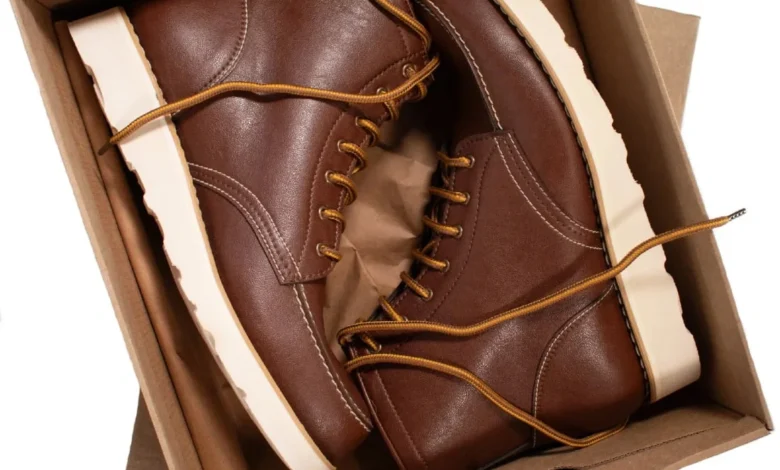
The global footwear industry stands at a critical environmental juncture, grappling with a manufacturing model that prioritizes rapid production cycles over ecological longevity. With approximately 24 billion pairs of shoes produced annually, the sector is a significant contributor to global waste, with an estimated 90% of discarded footwear ending up in landfills. Because many modern sneakers are composed of complex, non-biodegradable multi-material constructions—often fusing plastics, synthetic rubbers, and chemical adhesives—they can take up to 1,000 years to decompose. Furthermore, the traditional leather industry remains a major source of water contamination; the widespread use of chromium tanning processes releases toxic heavy metals into local water tables, posing severe health risks to communities in manufacturing hubs.
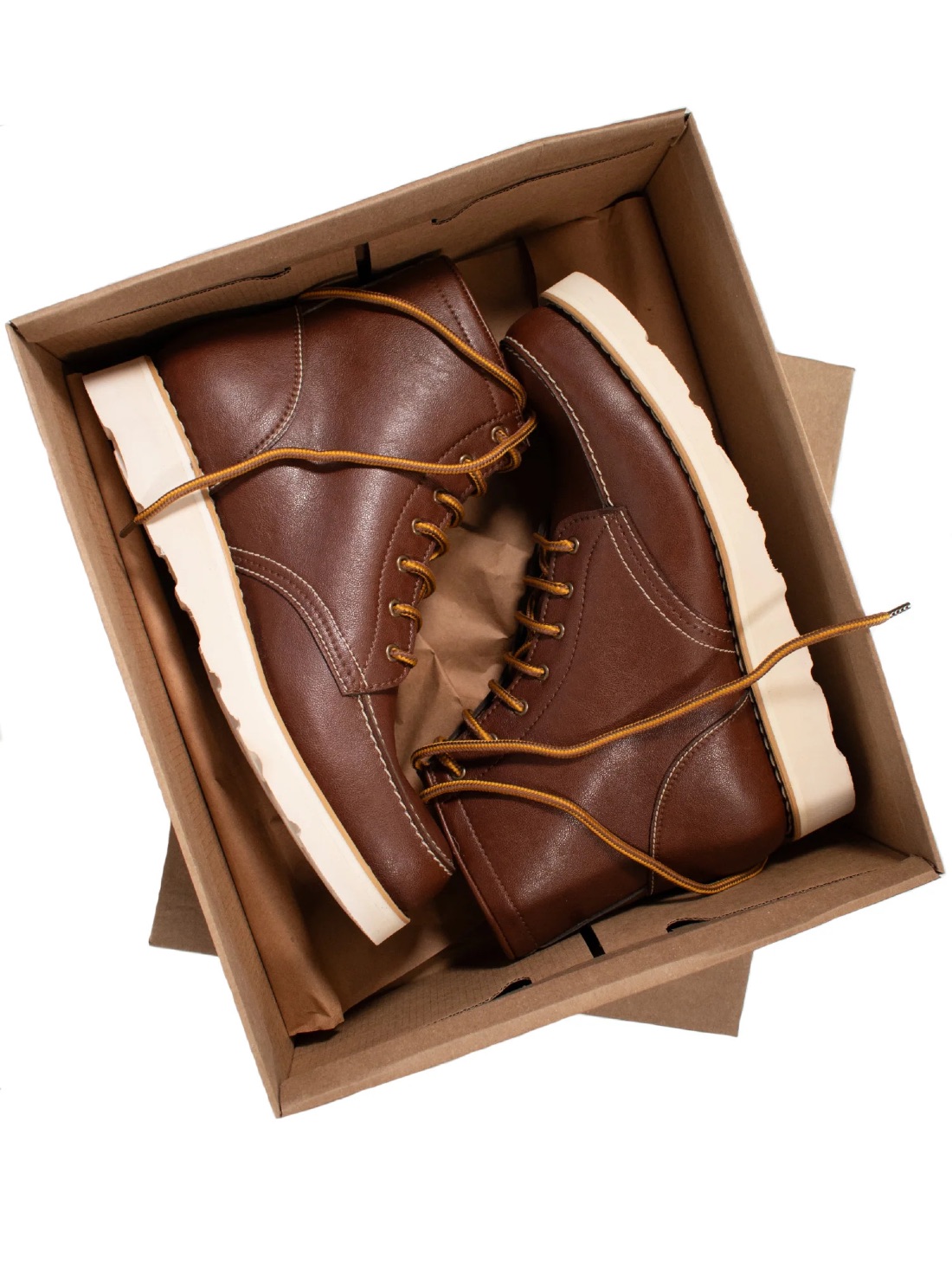
The Environmental Cost of Modern Footwear
To understand the scale of the crisis, one must look at the supply chain. Conventional athletic footwear is frequently constructed from virgin polyester, petroleum-based foams, and synthetic leathers. The "fast fashion" business model has accelerated the transition from durable, repairable goods to disposable commodities. Environmental researchers have identified that the carbon footprint of a single pair of running shoes is equivalent to roughly 14 kilograms of CO2 emissions, with the vast majority of that impact occurring during the raw material extraction and assembly phases.
A Shift Toward Circularity and Ethics
In response to these systemic issues, a growing cohort of UK-based and European brands has emerged, focusing on circular economy principles. This movement is defined by three pillars: the use of organic or recycled raw materials, the implementation of fair-wage labor practices, and the design of products intended for longevity rather than obsolescence.
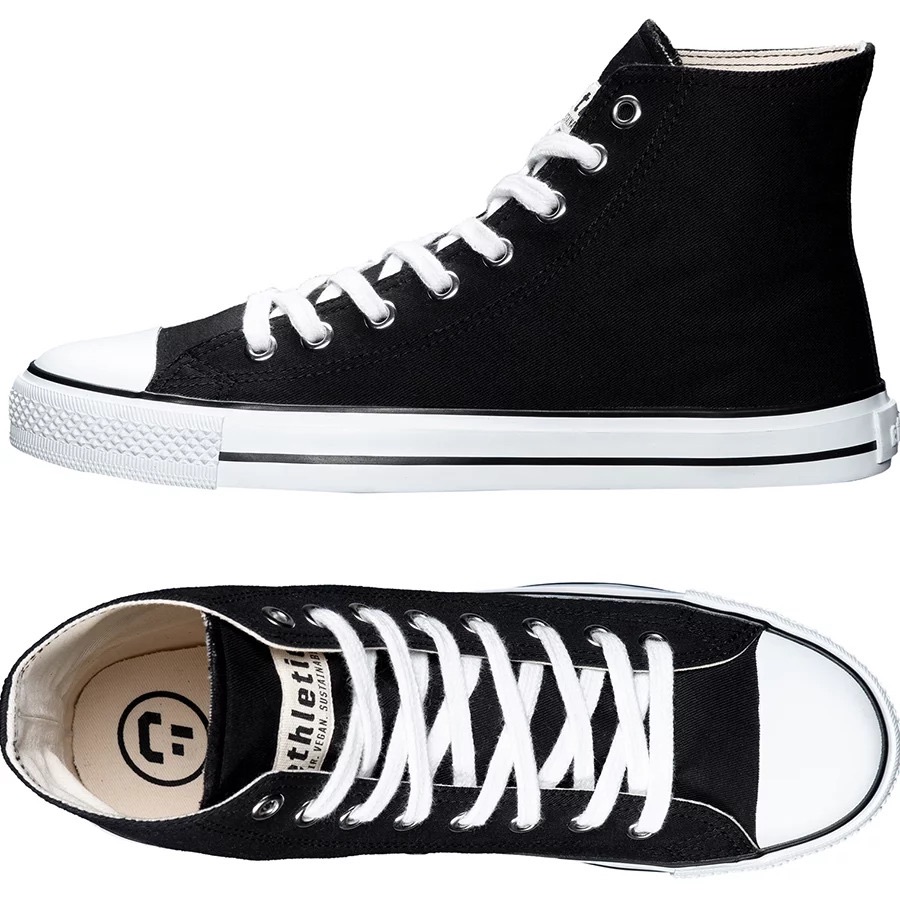
Ethletic: Prioritizing Fair Trade
Ethletic Footwear has positioned itself as a benchmark for social and environmental integration. Operating as a Fairtrade-certified company, the brand ensures that its supply chain adheres to strict social premiums. Its production model centers on FSC-certified rubber sourced from sustainably managed forests. By paying a premium directly to rubber tappers, Ethletic allows local workers to manage their own social infrastructure investments, such as schools and healthcare. Their use of organic cotton further minimizes the chemical runoff associated with industrial agriculture.
Wills Vegan Store: European Manufacturing Standards
Wills Vegan Store represents a shift toward higher regulatory compliance in ethical production. By manufacturing exclusively within Portugal and Italy, the company ensures that its labor force is protected by strict European Union employment directives. These mandates provide non-negotiable standards for parental leave, workplace safety, and equal pay. The brand’s reliance on bio-oils derived from Northern European cereal crops—rather than petroleum-based synthetics—marks a significant technical innovation in the production of high-performance vegan leather.
Novesta: Artisanal Craftsmanship
Slovakian-based Novesta retains a traditional, artisanal approach to footwear, emphasizing the durability of hand-finished products. By centralizing production in Slovakia, the brand significantly lowers the logistics-related carbon footprint of its products compared to manufacturers that rely on transcontinental shipping. Their classic designs, utilizing natural rubber and cotton, emphasize the "slow fashion" philosophy: creating products that are intended to last through years of wear rather than a single season.
Vivobarefoot: The B-Corp Model and Regenerative Design
Vivobarefoot operates as a certified B-Corp, meaning it is legally required to balance profit with social and environmental performance. Their approach to footwear is rooted in the biomechanical principle of "minimalism," but their impact extends to waste management. Through their "ReVivo" initiative, the company facilitates the repair and resale of worn shoes, directly countering the landfill crisis. By utilizing innovative materials like algae-based foam, they are actively reducing reliance on virgin plastics. Their research into circular design indicates a pivot toward regenerative manufacturing, where the goal is to produce footwear that leaves the environment in a better state than it was found.

VEJA: Transparency and Supply Chain Integrity
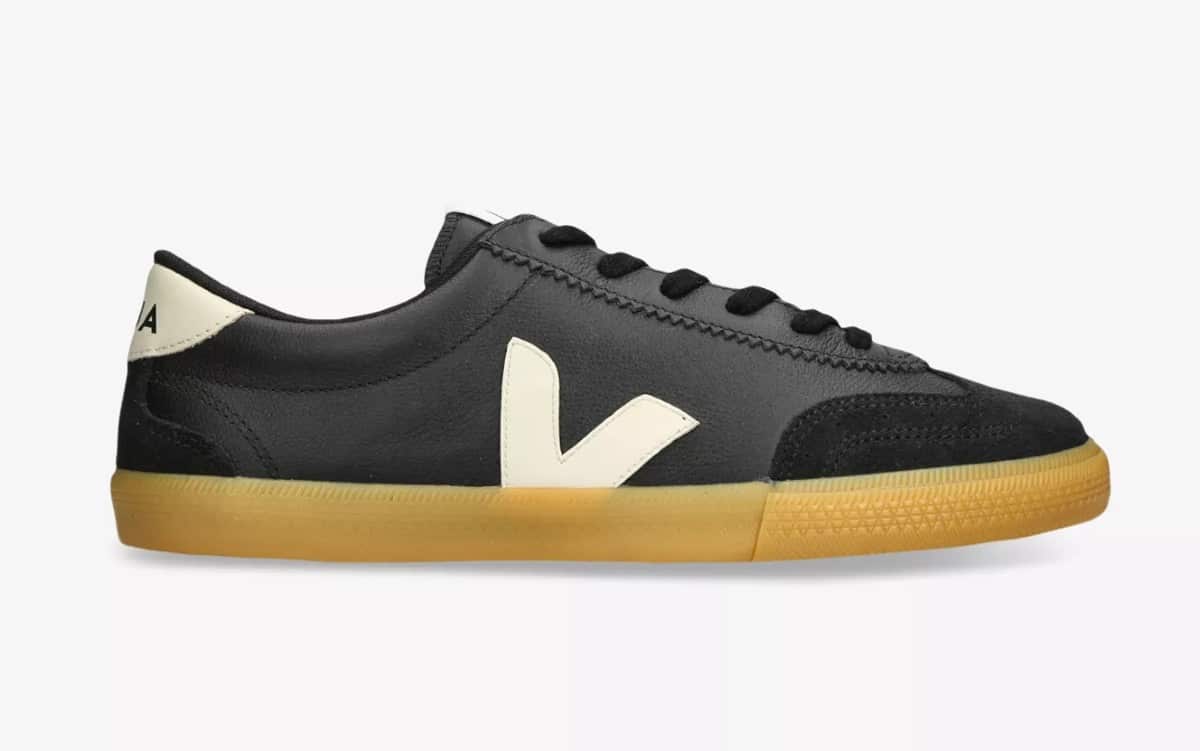
VEJA has gained international recognition for its transparency regarding the sourcing of wild rubber from the Amazon rainforest. By purchasing rubber directly from local cooperatives at prices above market value, the brand incentivizes the preservation of the rainforest over deforestation for industrial cattle ranching. Their utilization of recycled plastic bottles for mesh uppers demonstrates the potential for waste-stream upcycling in high-volume footwear production.
Flamingos Life: Reforestation and Resource Management
Flamingos Life operates on an impact-driven business model, partnering with the Eden Reforestation Projects to plant five trees for every pair sold. Beyond their environmental outreach, they emphasize the chemical composition of their materials, specifically utilizing chrome-free metal components. This is a vital step in reducing the toxicity of urban waste streams, as chromium runoff is a persistent environmental pollutant.

Good News: Reclaiming Industrial Waste
Good News approaches sustainability through the lens of industrial material recovery. By repurposing old car tires and discarded rubber for their soles, the brand reduces the volume of post-consumer waste. Their focus on reducing chemical, carbon, and water usage in the finishing process highlights the potential for small-scale manufacturers to adopt high-efficiency, low-impact production methods that larger corporations have struggled to implement.
Worzl: UK-Based Plastic Alternatives
Wiltshire-based brand Worzl addresses the specific problem of plastic-heavy summer footwear. Traditional flip-flops are among the most common forms of marine plastic pollution. By shifting to 100% natural rubber and localized production in the UK, Worzl eliminates the reliance on international shipping and non-biodegradable synthetic materials, proving that high-demand, low-cost footwear can be produced responsibly.
Economic and Ethical Implications
The transition to sustainable footwear is not merely a trend but a necessary adjustment to changing consumer demands and tightening international environmental regulations. While the initial retail price for these items may be higher than mass-market alternatives, the cost-per-wear ratio is often superior due to increased product longevity and ethical sourcing.
A fact-based analysis of the market suggests that as "extended producer responsibility" (EPR) laws become more common in the UK and EU—which hold manufacturers accountable for the end-of-life disposal of their products—the competitive advantage will shift toward companies that prioritize circularity. The brands highlighted in this analysis reflect a broader industry trend toward radical transparency, where the origins of every insole, eyelet, and lace are documented and verified.

For the average consumer, the most sustainable action remains the repair and maintenance of existing footwear. However, when new purchases are required, the shift toward these ethical brands represents an investment in a supply chain that mitigates water pollution, reduces carbon emissions, and ensures the dignity of the labor force. As the industry continues to evolve, the distinction between "fast" fashion and "conscious" fashion will likely become the primary driver of consumer loyalty in the coming decade.