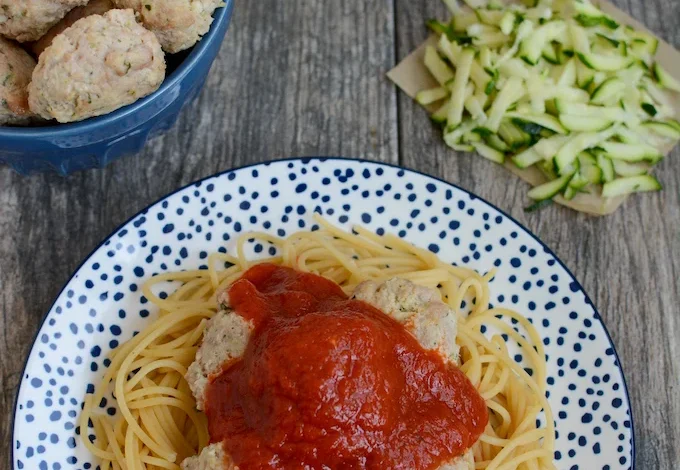
The demand for high-protein, nutrient-dense meal preparation options has surged in recent years as consumers shift toward home-cooked alternatives that prioritize satiety and metabolic health. Among the most versatile staples in the modern fitness-focused kitchen is the turkey meatball, a dish that has evolved from a traditional comfort food into a specialized vehicle for macronutrient optimization. By integrating unconventional ingredients such as cottage cheese and finely shredded zucchini, culinary researchers and home economists have successfully addressed the primary drawback of lean poultry: a tendency toward dryness and a lack of structural moisture.
Nutritional Context and Macronutrient Profile
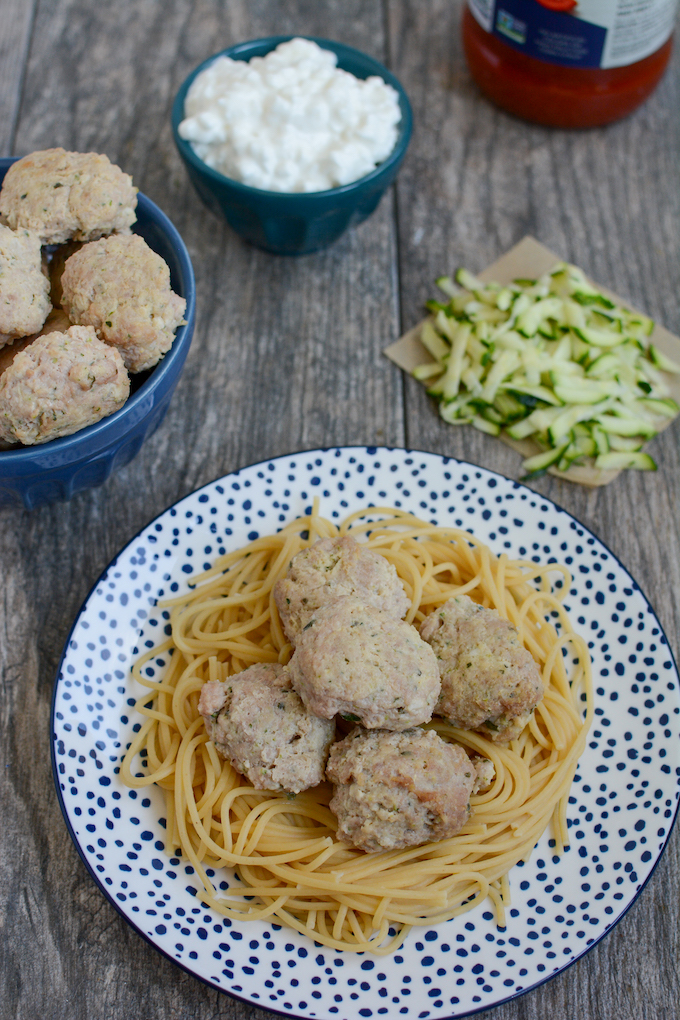
The nutritional profile of standard ground turkey often necessitates the addition of binding and hydrating agents. Lean ground turkey, typically sold in 93/7 ratios (93% lean, 7% fat), provides a robust amino acid profile but lacks the intramuscular fat content that keeps traditional beef meatballs succulent. The introduction of cottage cheese into the mixture serves a dual purpose. First, it introduces high-quality casein and whey proteins, which are noted for their slow-digesting properties and contribution to overall muscle protein synthesis. Second, the moisture content within the cheese curds prevents the protein fibers of the turkey from tightening excessively during the high-heat cooking process.
Zucchini acts as a critical dietary fiber source and a hydration reservoir. When processed into the meat mixture, the vegetable’s water content is released gradually during the heating process, effectively steaming the meat from the inside out. This technique allows for a lower-fat, lower-calorie profile without sacrificing the organoleptic qualities—texture and mouthfeel—that consumers expect from a meat-based protein source.
The Evolution of Meal Preparation Trends
The concept of "meal prepping"—the practice of preparing complete meals or components in advance—has become a cornerstone of dietary management for busy professionals and athletes. The history of this trend can be traced back to the mid-2010s, coinciding with the rise of fitness-tracking applications and a growing societal interest in nutrition labels.
According to market research on dietary habits, the ability to freeze and reheat high-protein staples is a significant factor in consumer retention of healthy eating habits. Turkey meatballs are particularly well-suited for this lifecycle. Unlike more delicate protein preparations, the structure of a baked meatball remains stable through the freezing and thawing cycle. Culinary experts recommend a specific storage protocol: cooling the meatballs completely to room temperature before vacuum sealing or using a displacement method (such as the straw-suction method) to remove excess oxygen from freezer bags. This minimizes the risk of freezer burn, which occurs when ice crystals form on the surface of the food, potentially degrading flavor and texture over an extended period.
Technical Preparation and Cooking Methodologies
The preparation of these meatballs requires careful attention to the binding agent, which replaces traditional refined breadcrumbs. Almond meal, a derivative of ground blanched almonds, serves as a nutrient-dense substitute that provides a healthy fat profile and essential micronutrients like Vitamin E and magnesium.
Chronologically, the assembly process follows a precise sequence to ensure optimal texture:
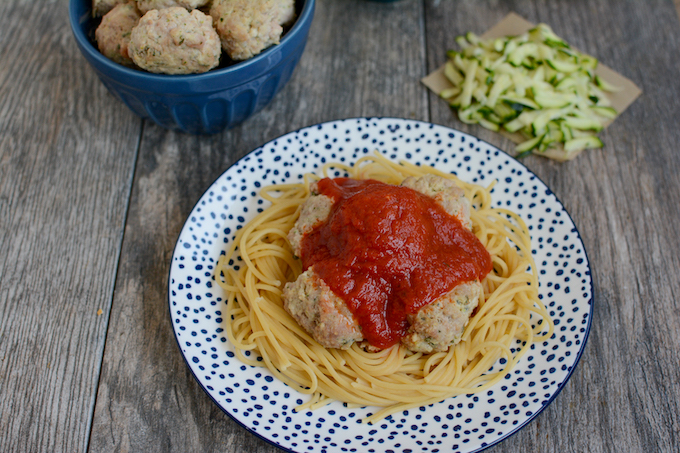
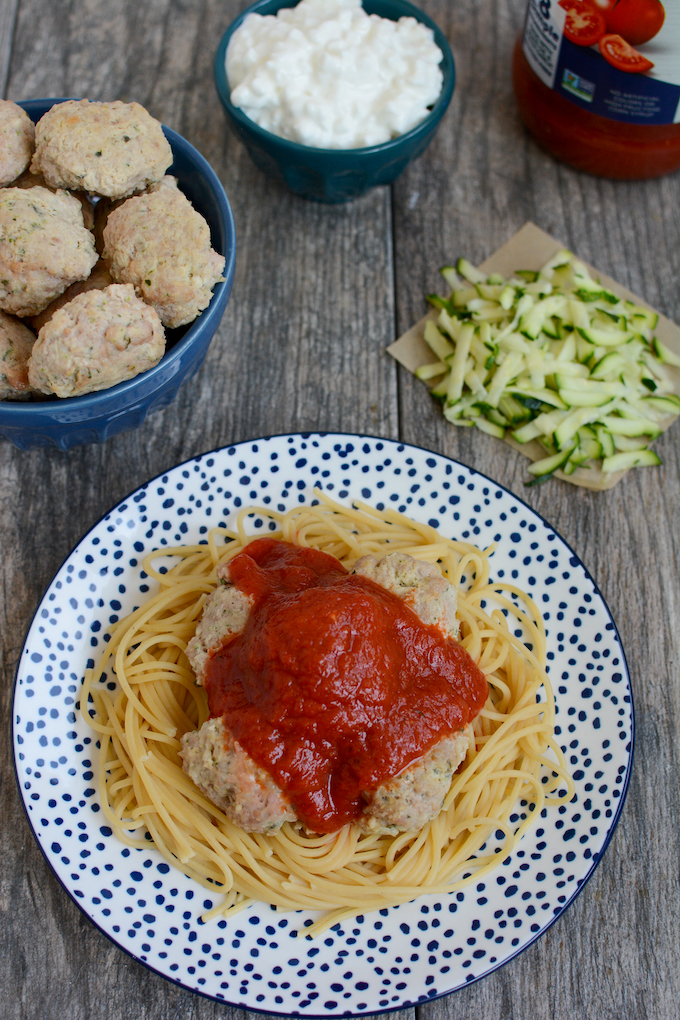
- Preparation of the Base: Combining the cottage cheese and shredded zucchini in a food processor is essential. This step ensures that the curds are pulverized, eliminating the "chunky" texture that can deter some palates while ensuring even distribution of moisture.
- Binding: Integrating the egg and almond meal with the ground turkey. The egg acts as a coagulant, setting the structure as the internal temperature rises.
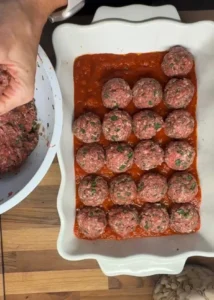
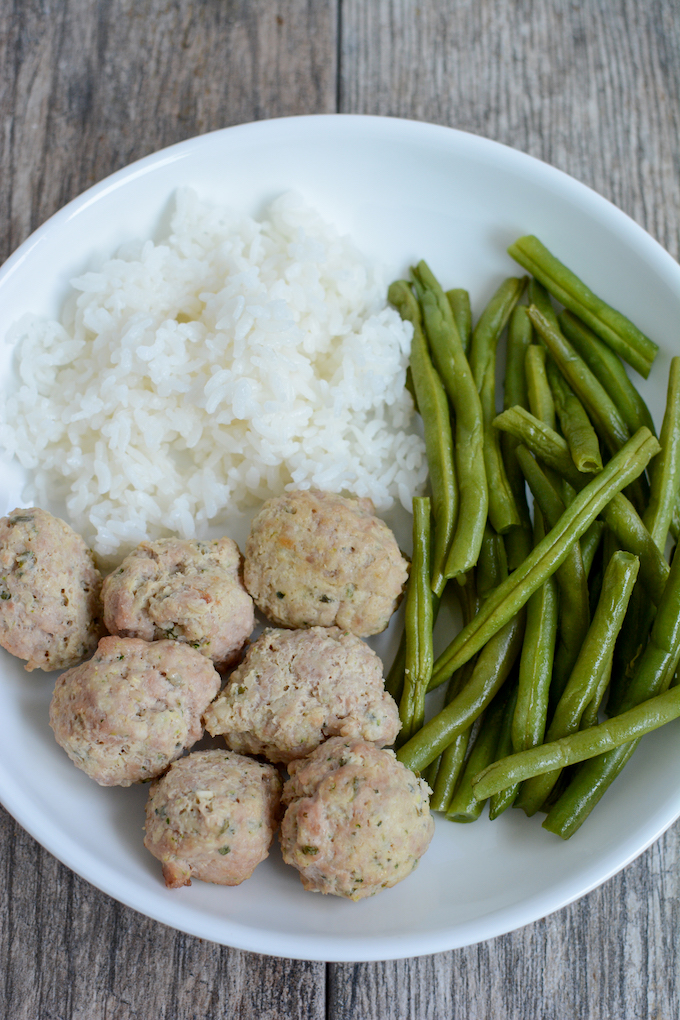
- Thermal Processing: Whether utilizing a conventional oven or an air fryer, the internal temperature of the poultry must reach 165°F (74°C) to ensure food safety. Baking at 400°F (200°C) for approximately 15 to 20 minutes is standard, though flipping the meatballs halfway through the cycle is recommended to promote uniform browning via the Maillard reaction.
Comparative Analysis of Protein Sources
When comparing ground turkey to ground beef, the primary differentiator remains the fat-to-protein ratio. Ground beef, particularly varieties higher in fat (such as 80/20), is naturally more tender but contains higher levels of saturated fats. Ground turkey or chicken, when prepared with the aforementioned moisture-retention techniques, offers a lean alternative that aligns with dietary guidelines suggesting a reduction in saturated fat intake.
Industry data suggests that the use of ground chicken as a substitute in this specific recipe is viable, though it presents a logistical challenge. Chicken, having a slightly higher moisture content and softer structural integrity than turkey, produces a "wetter" mixture. Culinary professionals often suggest utilizing a mechanical portioning tool, such as a spring-loaded ice cream scoop, to transfer the mixture directly to the baking sheet, as the batter may be too soft to form by hand.
Broader Health Implications
The broader implications of integrating vegetable-based fillers into meat dishes are twofold. Primarily, it increases the total volume of the meal without a proportional increase in caloric density, aiding in weight management through increased food volume. Secondly, it subtly increases the intake of phytonutrients and minerals that are often absent in standard high-protein, high-fat diets.
Medical nutritionists often advocate for this approach as a strategy for pediatric nutrition. By masking the presence of zucchini through the blending process, parents can ensure that children meet their daily protein requirements while simultaneously consuming essential vitamins found in the vegetables.
Dietary Adaptations and Culinary Versatility
The versatility of this meatball foundation extends to various dietary frameworks:
- Gluten-Free Protocols: By substituting breadcrumbs with almond meal, the recipe naturally adheres to gluten-free standards, making it accessible to individuals with celiac disease or gluten sensitivities.
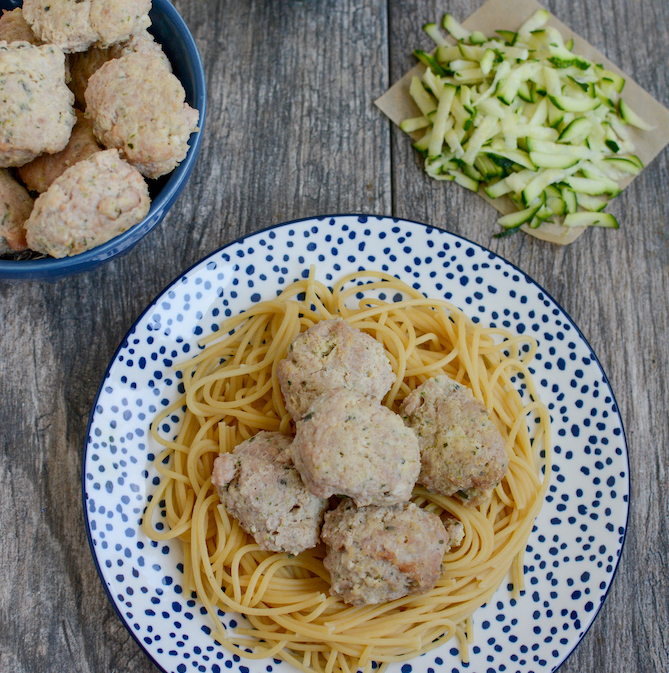
- Sub-sandwich Integration: The structural integrity of the meatball allows it to be served in a variety of contexts, from traditional pasta pairings to modern "sub" sandwiches. When placed on a roll with marinara and melted provolone or mozzarella, the meatball retains its shape under the broiler, providing a stable protein source that does not crumble.
- Global Flavor Profiles: Because the base flavor of the turkey, zucchini, and cottage cheese is relatively neutral, the meatballs serve as a blank canvas for various culinary traditions. They can be finished with a variety of sauces, including traditional Italian tomato-based sauces, buffalo-style hot sauces, or avocado-based creams for a more contemporary, southwest-inspired profile.
Conclusion
The shift toward high-protein, fiber-inclusive home cooking represents a significant milestone in public health literacy. The high-protein turkey meatball, through its clever utilization of cottage cheese and zucchini, stands as an example of how nutritional science and culinary practice can intersect to improve the quality of daily meals. By focusing on moisture-retaining techniques and structural binding, cooks can produce a shelf-stable, nutrient-dense, and highly versatile protein source that supports long-term health goals while adhering to modern standards of meal efficiency. As more households adopt structured meal preparation, the reliance on such nutrient-dense, easily replicable recipes is expected to remain a dominant trend in the culinary landscape.