Summer Meal Planning: A Strategic Approach to Family Nutrition and Enjoyment


As the summer season unfolds, families are increasingly seeking efficient and enjoyable ways to manage their meal preparation while maximizing outdoor activities and leisure time. This shift in lifestyle priorities has led to a growing interest in streamlined meal planning strategies that balance convenience with nutritional value. The current culinary landscape reflects a demand for recipes that are not only quick to prepare but also appeal to a broad range of palates, particularly within family units. This article examines a practical approach to weekly meal planning, highlighting its benefits for busy households and exploring specific recipe choices that cater to these contemporary needs.
The Rise of Strategic Summer Meal Planning
The summer months, traditionally associated with relaxed schedules and increased outdoor engagement, often present a unique challenge for families striving to maintain healthy eating habits. The allure of spontaneous outings, pool days, and extended family gatherings can sometimes lead to a departure from consistent, nutritious meal routines. Consequently, the concept of strategic meal planning has gained significant traction as a proactive solution. This approach involves pre-determining meals for a set period, typically a week, allowing for organized grocery shopping, reduced food waste, and minimized last-minute decision-making that can often result in less healthy choices.
The economic implications of meal planning are also noteworthy. By purchasing ingredients for specific recipes, consumers can often take advantage of bulk purchasing or sales, leading to cost savings. Furthermore, a well-planned menu can significantly reduce impulse buys at the grocery store and the temptation to order expensive takeout or delivery meals. Data from the U.S. Department of Agriculture (USDA) consistently shows that households that plan their meals tend to spend less on food and experience less food waste. For instance, a 2021 study indicated that families utilizing meal planning strategies could reduce their grocery bills by an average of 10-15%.
A Weekday Culinary Blueprint: Efficiency Meets Flavor
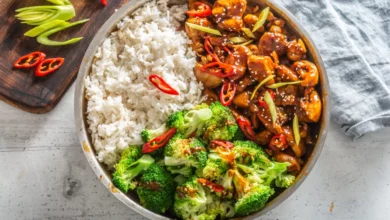
In assessing contemporary family meal strategies, the emphasis is on recipes that can be prepared swiftly without compromising on taste or nutritional content. One such example gaining prominence is Moo Shu Chicken. This dish, traditionally a Chinese-American takeout staple, is being reimagined for home kitchens with an emphasis on rapid assembly and wholesome ingredients.
Moo Shu Chicken: A Recipe for Speed and Satisfaction
The appeal of Moo Shu Chicken lies in its versatility and the speed at which it can be prepared, making it an ideal candidate for a weeknight family meal. The core components typically include thinly sliced chicken, a medley of crisp vegetables such as cabbage, carrots, and bell peppers, and a savory sauce often featuring soy sauce, hoisin sauce, and sesame oil. The dish is traditionally served with thin Mandarin pancakes, though a simpler preparation over steamed white rice offers a more accessible and equally satisfying alternative.
The culinary process for Moo Shu Chicken is designed for efficiency. Marinating the chicken briefly while preparing the vegetables ensures that flavors are infused quickly. The stir-frying technique, a hallmark of many Asian cuisines, allows for rapid cooking of both the protein and vegetables, preserving their textures and nutrients. The entire preparation, from initial chopping to the final plating, can often be completed within 30-45 minutes, aligning perfectly with the time constraints faced by many working parents and busy households during the week.
Nutritional Considerations:
From a nutritional standpoint, Moo Shu Chicken offers a balanced profile. The lean protein from the chicken provides essential amino acids. The variety of vegetables contributes dietary fiber, vitamins, and minerals. For example, cabbage is a good source of Vitamin C and K, while carrots are rich in Vitamin A. By serving it over steamed white rice, families receive a source of carbohydrates for energy. For those seeking to enhance the nutritional value further, brown rice can be substituted for white rice, increasing fiber content. Adding more diverse vegetables like broccoli or snap peas can further bolster the vitamin and mineral intake.

The Role of Convenience and External Dining
While home-cooked meals are central to a healthy lifestyle, the reality of modern life often necessitates acknowledging the role of convenience, including occasional dining out. The strategic meal plan acknowledges this by incorporating designated "order-in" nights. This practice serves multiple purposes: it provides a well-deserved break for the primary meal preparers, supports local businesses, and offers families a chance to explore different cuisines without the effort of cooking.
The Economic Impact of Local Restaurant Support:
The decision to order from local restaurants is not merely about convenience; it also represents a contribution to the local economy. According to the National Restaurant Association, independent restaurants are significant employers and vital to the economic fabric of communities. When families choose to dine out or order in from local establishments, they are directly supporting jobs and contributing to the tax base. The average American household spends a significant portion of its food budget on dining out and takeout. While specific figures vary by region and income level, industry reports suggest that this expenditure can range from 30% to over 50% of a household’s total food spending. Strategic inclusion of such options in a meal plan helps to budget for these expenses effectively.
Broader Implications for Family Well-being
The practice of strategic meal planning, exemplified by the approach outlined, extends beyond mere sustenance. It fosters a sense of order and predictability within the household, which can reduce stress levels. When families have a clear understanding of what is for dinner, it minimizes the daily negotiation and potential conflict that can arise around meal choices.
Promoting Healthy Eating Habits:
Furthermore, this approach can be a powerful tool for instilling healthy eating habits in children. By consistently offering a variety of nutritious home-cooked meals, parents can expose their children to different flavors and textures, encouraging them to become more adventurous eaters. The "all kids can be great eaters" philosophy underscores the belief that with consistent exposure and positive reinforcement, even picky eaters can develop a broader appreciation for healthy food. This educational aspect of meal planning is crucial for long-term health and well-being.
The "Mama of Three" Perspective:
The insights shared by Catherine, a mother of three with a philosophy centered on easy, healthy family meals, reflect a common understanding among parents: balancing the demands of family life with the need for nutritious food is a constant endeavor. Her approach, which emphasizes simplicity and family appeal, resonates with many who are navigating similar challenges. Her background, originating from Kentucky and now residing in California, suggests a blend of traditional values with a contemporary understanding of diverse culinary influences and lifestyle needs. This dual perspective allows her to create recipes that are both comforting and adaptable to modern dietary preferences and time constraints.
Conclusion: A Sustainable Model for Family Nutrition
In conclusion, the integration of strategic meal planning into the summer routine offers a practical and beneficial framework for families. By prioritizing recipes that are quick to prepare, nutritionally sound, and appealing to all members, families can navigate the demands of summer with greater ease and confidence. The inclusion of convenient options like ordering from local restaurants acknowledges the realities of busy schedules while supporting community businesses. Ultimately, this holistic approach to meal management contributes not only to the physical health of family members but also to their overall well-being and the creation of positive, shared dining experiences. The ongoing evolution of culinary resources and a focus on practical, family-friendly solutions continue to empower households to make informed and enjoyable choices around the dinner table, season after season.