Elevate Your Culinary Repertoire With Custom Homemade Greek Seasoning Blends

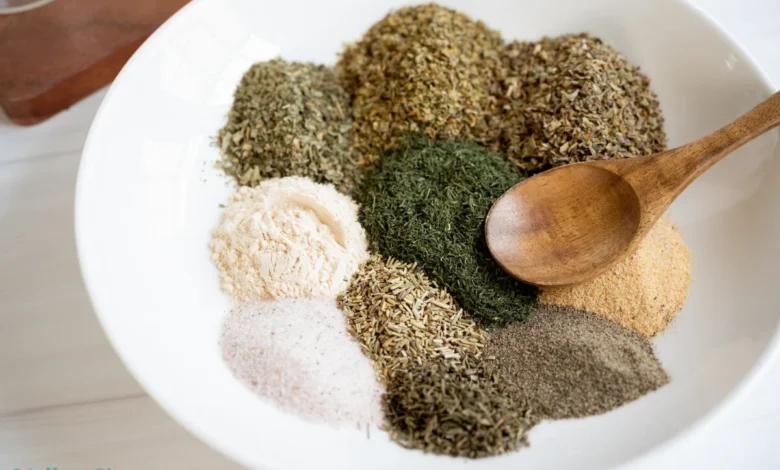
The movement toward scratch-made pantry staples has gained significant momentum in recent years as consumers prioritize ingredient transparency and nutritional optimization. Among the most versatile of these kitchen essentials is the traditional Greek seasoning blend, a Mediterranean-inspired mixture that has transcended its regional origins to become a global culinary staple. By shifting away from mass-produced, commercially packaged seasoning blends, home cooks are not only avoiding unnecessary fillers, synthetic preservatives, and excessive sodium additives but are also reclaiming control over the flavor profiles and quality of their daily nutrition.
The Evolution and Composition of Mediterranean Seasoning
The tradition of using dried herbs and spices to preserve and flavor food dates back thousands of years. Historically, Mediterranean civilizations relied on the abundance of local flora—specifically oregano, rosemary, thyme, and sage—to enhance the palatability of simple, harvest-based diets. In the contemporary culinary landscape, Greek seasoning is defined by its aromatic, savory, and slightly acidic profile.
At its core, a standard high-quality Greek blend typically features dried oregano as its primary ingredient. This herb is highly valued for its pungent, earthy notes and its documented antimicrobial properties. The profile is then rounded out by secondary herbs, including dried basil, parsley, dill, and thyme. To create the characteristic depth that professional chefs demand, these herbs are anchored by a base of garlic powder and onion powder. A distinctive feature of authentic Mediterranean blends is the inclusion of a trace amount of ground cinnamon, which provides a subtle, warm contrast that cuts through the fat of proteins like lamb or pork.
Nutritional Implications and Market Context
The primary motivation for the shift toward homemade seasoning is the significant disparity between the nutritional profiles of store-bought versions and DIY blends. Commercially processed seasonings are frequently formulated with anti-caking agents, such as silicon dioxide or calcium silicate, and are often bulked with fillers like maltodextrin or cornstarch to reduce costs. Furthermore, many shelf-stable products include refined sugars or high levels of sodium, which may not align with the health-conscious consumer’s goals.
According to food industry data, the spice and herb market is expected to continue growing at a steady compound annual growth rate (CAGR), driven by the increasing demand for "clean label" products. By opting for a homemade mixture, the consumer is able to regulate the sodium content, which is often the most significant health concern associated with pre-mixed seasonings. A standard teaspoon of a DIY Greek blend typically contains minimal calories and zero fat, while providing trace amounts of essential micronutrients and antioxidants derived from the dried herbs.
Chronology of the DIY Culinary Movement
The trend of DIY pantry staples has evolved in three distinct phases over the last two decades:
- The Awareness Phase (2005–2012): Initial consumer interest was sparked by early food blogs and wellness publications that emphasized the dangers of processed ingredients. During this period, the focus was primarily on avoiding trans fats and high-fructose corn syrup.
- The Efficiency Phase (2013–2019): As the practice gained traction, the narrative shifted toward the economic benefits of buying spices in bulk. Families discovered that purchasing raw, organic herbs in large quantities significantly lowered the cost per serving compared to buying small, branded plastic jars at the grocery store.
- The Optimization Phase (2020–Present): The current phase is characterized by a focus on "gastronomic customization." Home cooks are now treating seasoning blends as modular components, adjusting ratios based on specific recipes—such as increasing the dill content for seafood preparations or intensifying the garlic for robust roasted vegetables.
Expert Perspectives on Flavor Chemistry
Food scientists and culinary experts often note that the "shelf-life" of a spice blend is a critical factor in overall dish quality. Dried herbs and spices are subject to oxidation, which significantly degrades their volatile oils over time. When a consumer purchases a pre-mixed container from a grocery shelf, it is often impossible to determine how long the product has been processed or stored in a warehouse.
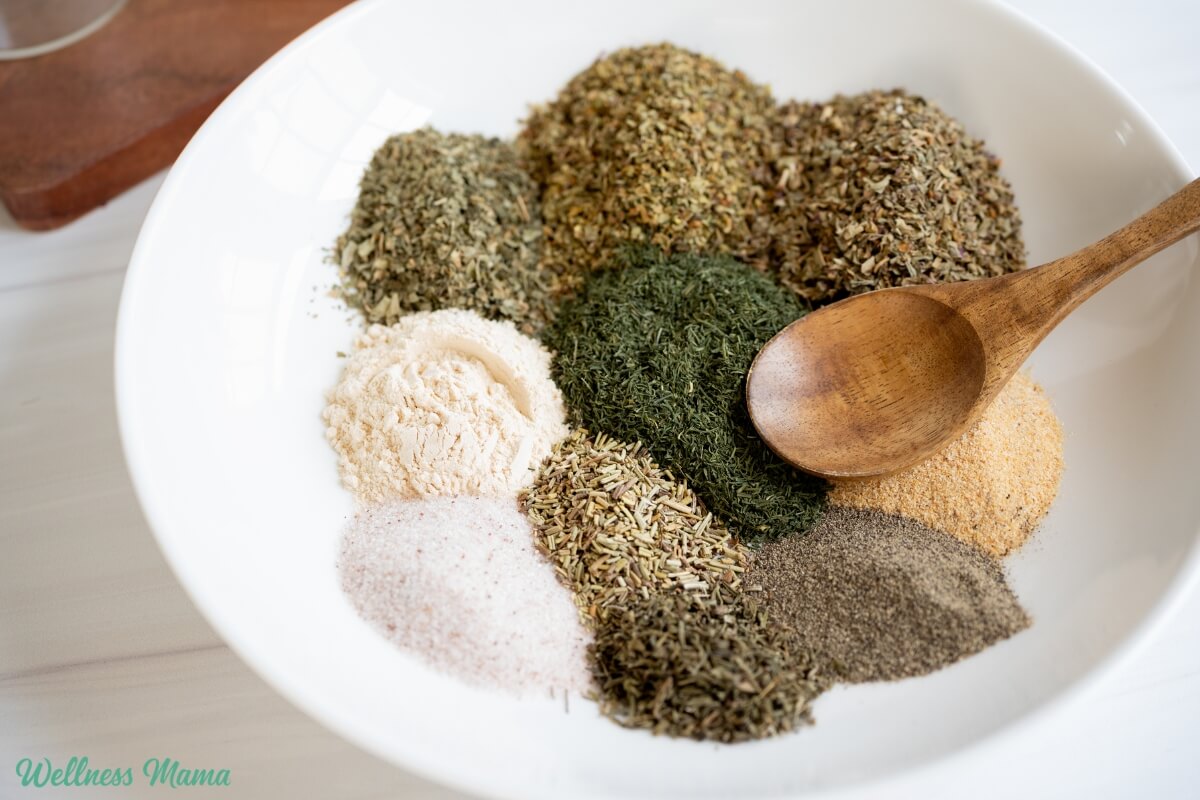
By creating a blend at home in smaller, manageable batches, the consumer ensures that the herbs retain their maximum potency. The volatile oils in spices like oregano and rosemary are the vehicles for their flavor; when these oils evaporate due to prolonged exposure to air or heat, the seasoning becomes "flat." Consequently, the act of mixing the blend immediately before use or in small batches is scientifically validated as the best method for maintaining sensory quality.
Culinary Applications and Versatility
The application of Greek seasoning extends far beyond traditional Mediterranean fare. In a professional kitchen, this blend is considered a "universal savory agent." Its utility spans across multiple cooking techniques:
- Dry Rubs: When applied to proteins such as chicken, lamb, or tofu prior to grilling or roasting, the herbs provide a consistent crust that withstands high heat.
- Emulsification: The blend can be incorporated into olive oil and lemon juice to create a potent marinade, where the acidity of the lemon helps to tenderize the protein while the oils carry the flavor of the herbs deep into the tissue.
- Vegetable Enhancements: Roasted root vegetables, particularly potatoes, zucchini, and bell peppers, benefit from the savory profile. The addition of heat allows the dried herbs to rehydrate, releasing their essential oils into the dish.
- Dairy-Based Sauces: Mixing the seasoning into Greek yogurt or labneh creates an immediate, low-calorie dip that functions as a healthier alternative to traditional mayonnaise-based dressings.
Broader Impact on Household Food Security
The transition to making staples from scratch represents a broader societal shift toward kitchen autonomy. By maintaining a collection of base spices—oregano, basil, thyme, dill, garlic powder, onion powder, and cinnamon—a household becomes less reliant on the availability of specific processed products. This enhances household resilience and allows for dietary flexibility.
Moreover, the process of blending one’s own spices encourages a higher level of engagement with the food preparation process. For families with children, this serves as an educational opportunity to understand flavor profiles and the chemistry of cooking. From a financial standpoint, while the initial investment in bulk spices may be higher, the long-term savings are substantial. A bulk purchase of these six or seven base ingredients can produce dozens of batches of Greek seasoning, lasting a family of four for more than a year if stored properly in airtight glass containers away from direct light.
Storage and Maintenance Protocols
To maximize the longevity of a homemade Greek seasoning blend, the storage environment must be strictly controlled. Light, heat, and moisture are the primary enemies of dried herbs. Experts recommend:
- Containment: Using dark glass jars, which protect the herbs from UV light exposure.
- Environment: Storing the jars in a cool, dry place, such as a pantry or a cupboard located away from the oven or dishwasher, which are sources of ambient heat.
- Seal Integrity: Ensuring the container is airtight to prevent the ingress of humidity, which can lead to clumping and the premature growth of mold in extreme cases.
Under these conditions, a homemade Greek seasoning blend can remain shelf-stable for up to six months. Beyond this timeframe, the herbs are not necessarily unsafe to consume, but they will have lost a significant portion of their aromatic intensity.
Conclusion
The practice of crafting a homemade Greek seasoning blend is a small but impactful step toward a more intentional approach to cooking. By eliminating unnecessary fillers and preservatives, the home cook is able to prioritize both the nutritional integrity and the flavor complexity of their meals. As the culinary landscape continues to value transparency and efficiency, the return to traditional, scratch-made pantry staples is likely to remain a permanent fixture in the modern kitchen. Whether used to enhance a simple weeknight chicken dish or to provide the foundation for an elaborate Mediterranean feast, the custom blend stands as a testament to the idea that the highest quality results are often the ones achieved by taking control of the process from the very beginning.