Mastering the Art of Summer Grilling: A Comprehensive Guide to Nutritional and Culinary Success with Grilled Chicken and Veggie Kabobs

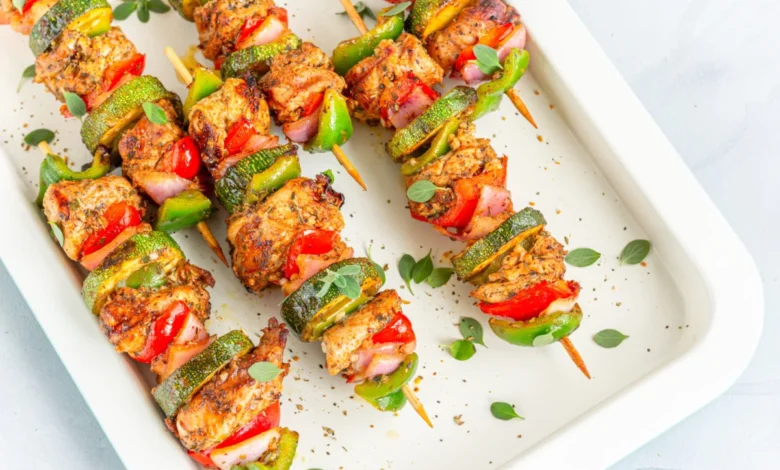
The arrival of the warm-weather culinary season inevitably sparks a renewed public interest in outdoor cooking techniques that balance efficiency, flavor, and nutritional value. Among the pantheon of backyard barbecue favorites, the grilled chicken and vegetable kabob stands out as a versatile staple of modern domestic gastronomy. Combining lean protein with antioxidant-rich seasonal produce, this dish has evolved from a simple summer novelty into a recognized model for balanced weeknight meal preparation. Culinary experts and nutritionists alike continue to advocate for skewered meals due to their inherent portion control, rapid cooking times, and adaptability to various dietary frameworks.
Background Context of the Outdoor Cooking Trend
The practice of cooking skewered meats over an open flame dates back millennia, rooted in the culinary traditions of the Middle East, the Mediterranean, and parts of Asia, where hunters and nomads utilized portable metal or wooden rods to roast game efficiently. In contemporary Western culture, the chicken and vegetable kabob gained widespread popularity during the post-World War II suburban expansion of the 1950s, coinciding with the mass commercialization of residential charcoal and gas grills.
Over the decades, the kabob transitioned from a casual backyard novelty into a recognized culinary canvas. In recent years, public health initiatives emphasizing the importance of vegetable consumption—such as the United States Department of Agriculture’s MyPlate campaign—have further elevated the status of skewered meals. By physically pairing bite-sized pieces of poultry directly with fiber-dense produce like zucchini, bell peppers, and red onions, home cooks are naturally encouraged to increase their vegetable intake without sacrificing the savory, charred flavors typically associated with heavier comfort foods. Furthermore, the rise of specialized meal-prepping culture in the 21st century has turned kabobs into a sought-after solution for time-pressed households seeking low-preparation, high-yield dinner options.
Chronology and Standard Preparation Timeline
Executing a successful batch of grilled chicken and vegetable kabobs requires adherence to a precise temporal framework to ensure both optimal flavor infusion and strict food safety compliance.
The preparation timeline generally spans approximately one hour from inception to table service:
- T-Minus 60 to 30 Minutes (Mise en Place and Marination): The process begins with the thorough washing and uniform slicing of vegetables—typically bell peppers, zucchini, and red onions—alongside boneless, skinless chicken breasts or thighs. The protein is submerged in a simple herb-and-oil marinade, which often incorporates acid such as lemon juice to tenderize the meat. According to culinary safety guidelines, chicken should not marinate in acidic solutions for more than four hours, as prolonged exposure can break down the proteins excessively and alter the texture.
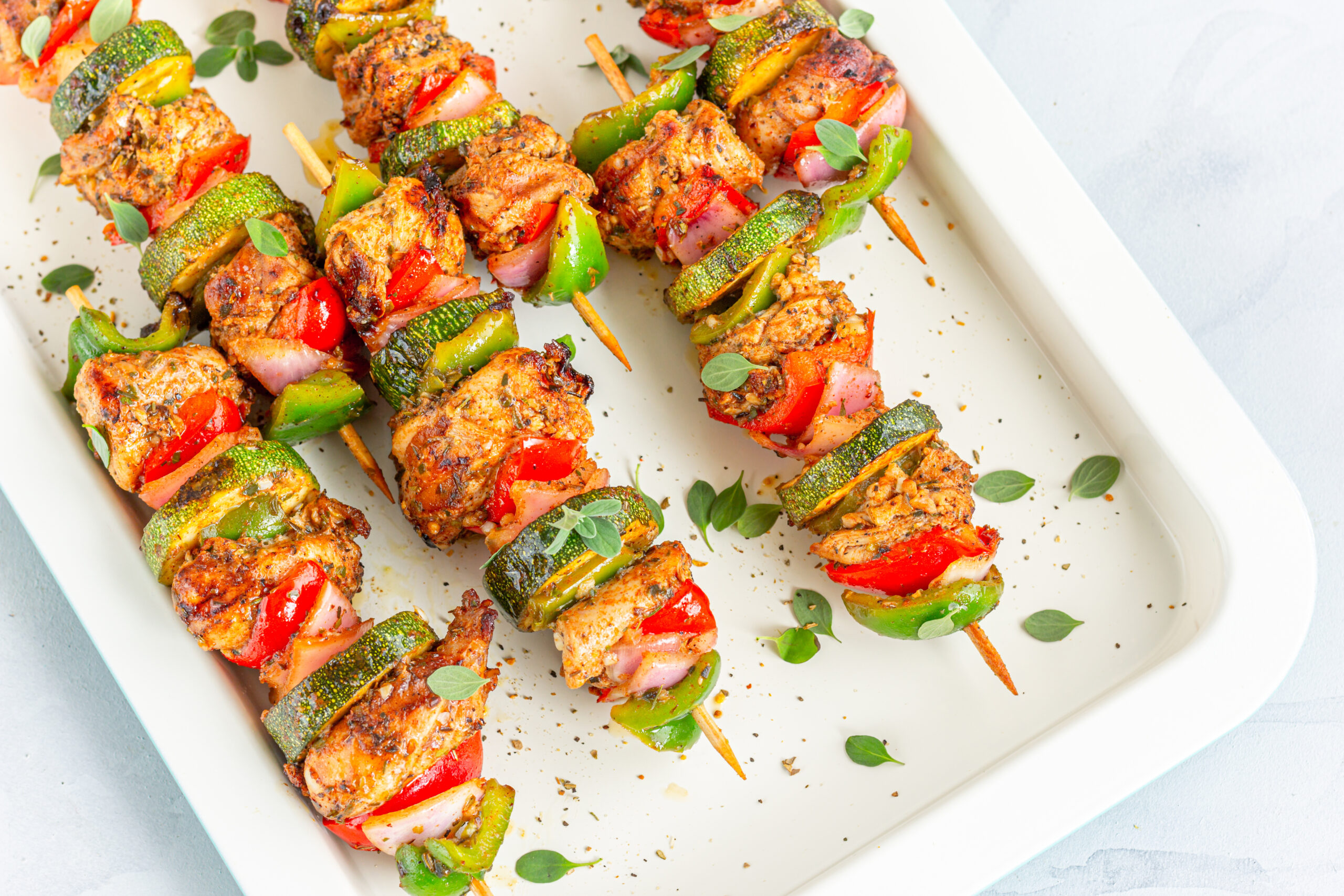
- T-Minus 20 Minutes (Assembly): Ingredients are threaded onto wooden or metal skewers. Culinary technicians emphasize the importance of leaving micro-gaps between individual pieces. Packing ingredients too tightly inhibits radiant heat circulation, causing the food to steam rather than achieve the characteristic caramelized char desired in grilled fare.
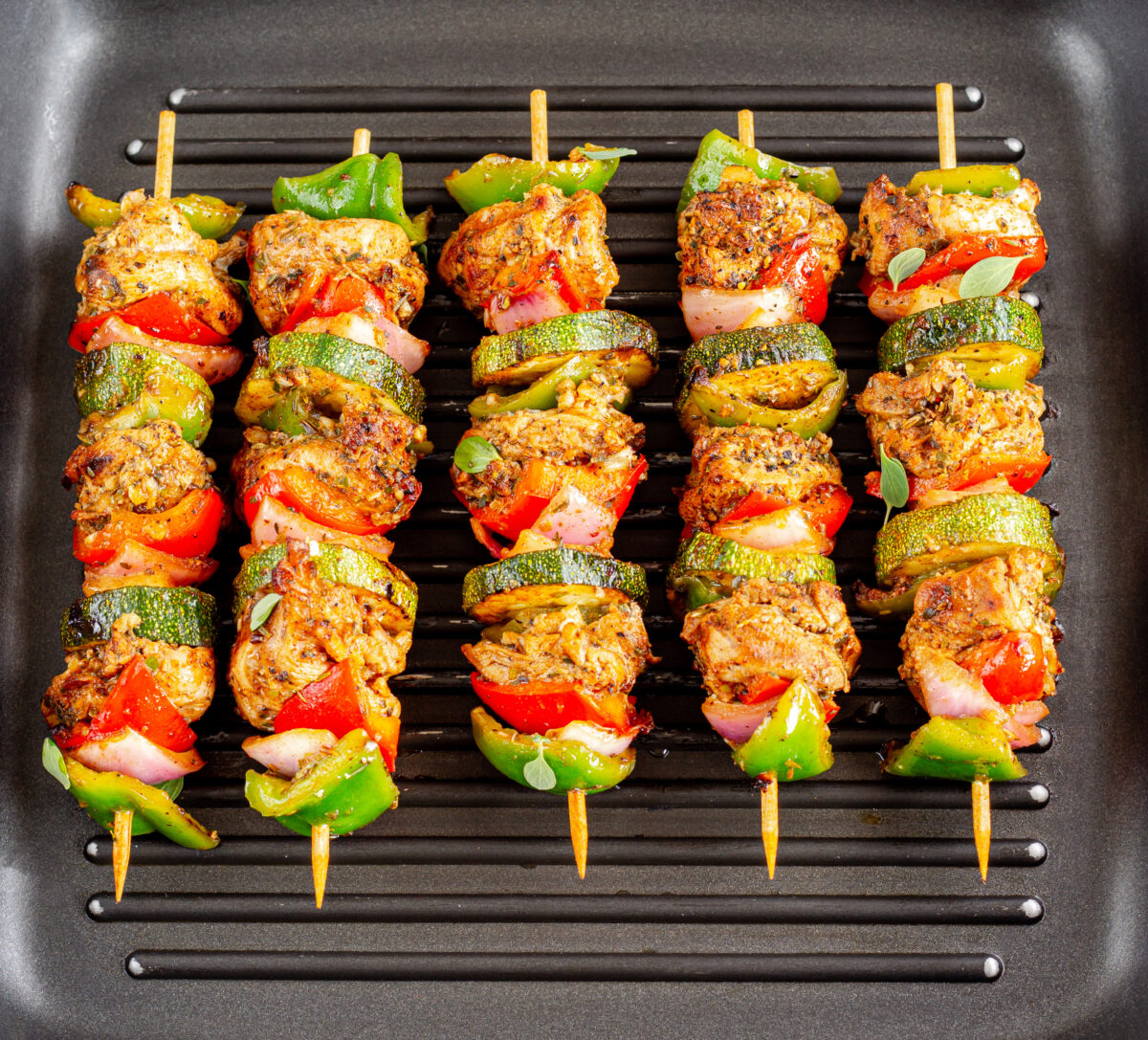
- T-Minus 10 Minutes (The Grilling Phase): The assembled skewers are placed over a preheated grill maintained at medium-high heat. Continuous monitoring and rotation are required. Because poultry and delicate vegetables cook at relatively rapid rates, total grill time rarely exceeds ten to twelve minutes.
- Zero Hour (Resting and Verification): Prior to service, an instant-read digital thermometer is inserted into the thickest piece of chicken to verify that an internal temperature of 165 degrees Fahrenheit has been achieved, eliminating foodborne pathogens while retaining internal juices.
Nutritional Data and Dietary Implications
From a nutritional perspective, chicken and vegetable kabobs offer a dense concentration of macro- and micronutrients with a comparatively low glycemic and caloric footprint. Standard servings of skinless chicken thighs or breasts provide high-biological-value protein necessary for muscle repair and metabolic regulation, while remaining low in saturated fats—particularly when utilizing modest amounts of healthy plant-based oils in the marinade.
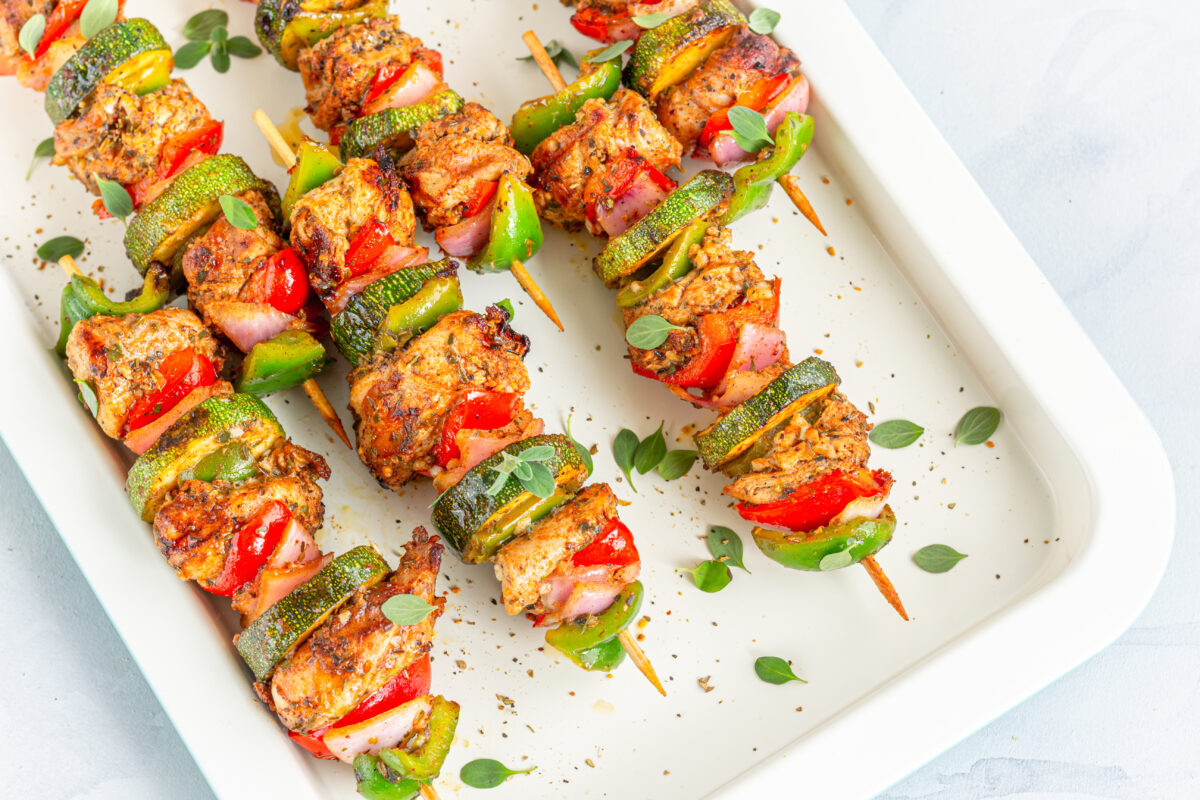
The inclusion of colorful garden vegetables significantly enhances the nutritional profile of the meal:
- Bell Peppers: High in Vitamin C and Vitamin A, supporting immune function and ocular health.
- Zucchini: Rich in dietary fiber, potassium, and antioxidants such as lutein and zeaxanthin.
- Red Onions: Contain significant amounts of quercetin, a flavonoid associated with reduced inflammation and cardiovascular support.
Because the recipe is naturally dairy-free and can easily be adapted to be gluten-free, it accommodates a broad spectrum of dietary restrictions. Furthermore, the absence of heavy sauces or pan-frying fats aligns with dietary patterns recommended by the American Heart Association for maintaining optimal heart health and weight management.
Professional Culinary Strategies for Superior Results
Achieving restaurant-quality results on a residential grill involves mastering several technical variables. Professional chefs emphasize uniformity as the paramount rule of skewer construction. If chicken pieces are significantly larger than the accompanying vegetable chunks, the vegetables will burn before the interior of the chicken is fully cooked. Conversely, if the vegetables are cut too thin, they may dehydrate and slip off the skewer into the fire box.
The choice of protein also warrants careful consideration. While chicken breast is universally popular due to its lean nature, boneless, skinless chicken thighs contain a slightly higher fat content that acts as a natural buffer against overcooking, rendering the meat more forgiving under high-heat conditions. For wooden skewers, a preliminary thirty-minute water soak is mandatory to prevent ignition over open flames. Alternatively, flat metal skewers prevent ingredients from spinning aimlessly when turned, ensuring even contact with the grill grates.
Industry Analysis and Market Impact
The sustained popularity of versatile, grill-friendly meals reflects broader shifts in consumer behavior toward efficient, health-conscious home cooking. Food industry analysts note that sales of grilling accessories, marinades, and fresh poultry consistently spike during the spring and summer months, driven by consumer demand for meals that minimize indoor kitchen heat and reduce cleanup time.
As grocery inflation prompts more households to eat at home rather than dine out, recipes that utilize affordable, readily available ingredients—such as chicken, zucchini, and bell peppers—gain significant traction across digital cooking platforms. The inherent modularity of the kabob allows consumers to substitute ingredients based on weekly supermarket sales or seasonal availability, contributing to reduced household food waste.
Broader Socio-Economic and Cultural Impact
Beyond the domestic kitchen, the tradition of cooking food on skewers reflects a universal culinary language. Across diverse cultures—from the Turkish shish kebab and Greek souvlaki to the Japanese yakitori—the method of roasting bite-sized portions over embers has always served a social function. It encourages communal gathering, interactive dining, and outdoor engagement.
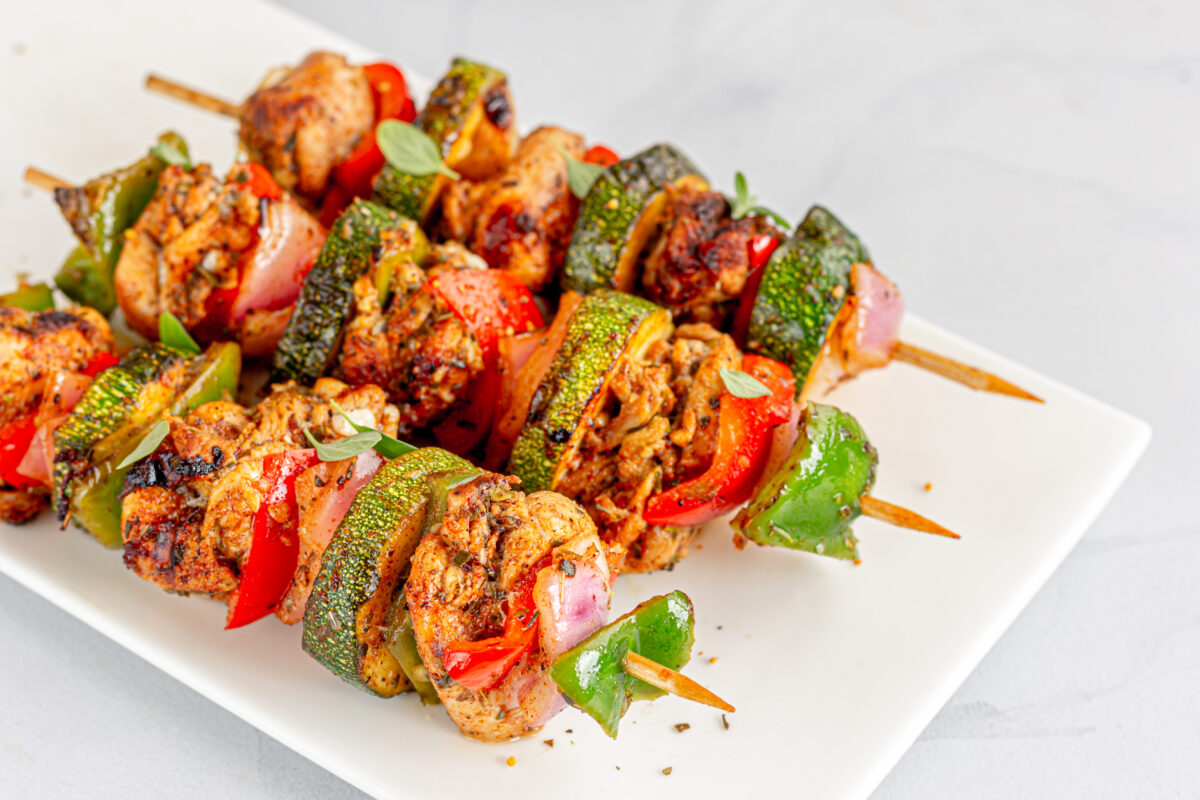
In modern educational and community contexts, teaching children and adolescents how to assemble kabobs serves as a practical introduction to culinary literacy. The tactile nature of threading ingredients promotes fine motor skills and encourages youth participation in meal preparation, which behavioral studies have linked to a higher willingness to consume vegetables and diverse nutrient sources.
Future Outlook for Outdoor Entertaining
Looking ahead, culinary trends indicate that consumers will continue to prioritize meals that seamlessly blend convenience with wellness. As smart-home integration enters the backyard through digital meat thermometers and precision-controlled pellet grills, the margin for error in preparing dishes like chicken and vegetable kabobs will narrow further, ensuring consistent culinary success for amateur and experienced cooks alike.
Ultimately, the enduring appeal of the grilled chicken and veggie kabob lies in its straightforward execution and sophisticated payoff. By marrying fundamental principles of food safety, nutritional balance, and precise thermal control, this classic summer dish remains a cornerstone of modern, health-conscious outdoor dining.
Related posts: