The Best Ethical and Sustainable Knitwear Brands in the UK for Conscious Consumers

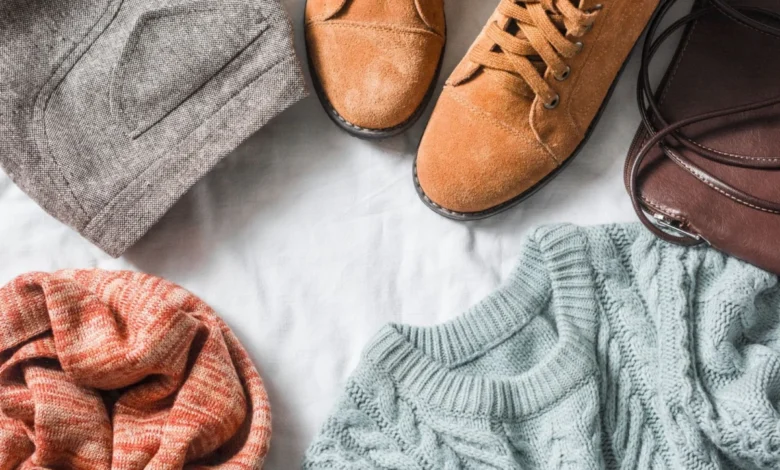
As winter temperatures descend across the United Kingdom, the demand for high-quality knitwear surges. While wool has long been celebrated for its natural thermoregulatory properties—offering warmth without the moisture-trapping drawbacks of synthetic alternatives—the modern fashion industry has complicated this simple utility. Today, consumers face a complex landscape where traditional craftsmanship often clashes with industrial shortcuts, including the use of plastic-based synthetic blends, chemically intensive dyes, and, in some cases, unethical animal husbandry practices.

The Rise of Synthetic Blends and the Microplastic Crisis
The prevalence of synthetic fibres in knitwear has become a significant point of contention for environmentalists and supply chain auditors. Market data indicates that many high-street retailers frequently blend wool with acrylic, polyester, or nylon. While these blends are often marketed as a means to prevent "bobbling" (pilling) and to help garments retain their structural integrity, the primary driver for this manufacturing shift is economic. Synthetic fibres are significantly cheaper than natural wool, allowing brands to lower production costs while maintaining the appearance of a woollen product.
From an environmental perspective, this reliance on synthetics presents a twofold crisis. First, acrylic is a plastic derived from fossil fuels; it is inherently non-biodegradable and carries a heavy carbon footprint. Second, research from the National Oceanic and Atmospheric Administration (NOAA) and various environmental bodies has confirmed that garments containing synthetic fibres shed microplastics during every laundry cycle. These particles eventually bypass filtration systems, entering global water supplies and marine ecosystems. Furthermore, these hybrid garments possess a shorter lifespan than pure wool; once they begin to pill, they are notoriously difficult to restore, leading to a faster turnover in consumer wardrobes and increased textile waste.

Animal Welfare and the Mulesing Controversy
The ethical scrutiny of the knitwear industry extends beyond material composition to the treatment of livestock. A primary concern within the wool supply chain is the practice of "mulesing," a procedure historically used in the Merino wool industry to prevent flystrike, an infection caused by parasitic larvae. The practice involves the removal of strips of skin from the breech area of lambs to create smooth, scar tissue that is less prone to infection.
The procedure, often performed without anaesthesia, has been widely condemned by animal welfare organizations, including the RSPCA, for the acute pain it inflicts on the animals. While countries like New Zealand have prohibited the practice, Australia—one of the world’s largest wool producers—remains a flashpoint for debate. Despite shifting market demands and growing pressure from luxury fashion houses to move toward non-mulesed wool, the practice remains legal in several regions. For the informed consumer, identifying brands that utilize Responsible Wool Standard (RWS) certification has become the most effective way to ensure that their knitwear originates from farms that mandate high standards of animal welfare and land management.

Navigating the Sustainable Knitwear Landscape: Leading UK Brands
In response to these systemic issues, a segment of the UK fashion industry has pivoted toward circularity, traceability, and material purity. The following brands represent a shift toward high-standard production.
BAM (Bamboo Clothing)
While initially recognized for its innovations in bamboo textiles, BAM has expanded into high-quality knitwear utilizing 100% RWS-certified wool. The brand differentiates itself through its "73 Zero" take-back scheme, which ensures that garments are designed for circularity. By partnering with the Circular Textiles Foundation, BAM guarantees that its knitwear can be recycled at the end of its life, directly countering the industry trend of landfill disposal.

ERIBÉ Knitwear
Founded in 1986, this Scottish manufacturer has maintained a long-term commitment to natural fibres. ERIBÉ operates on a business model that prioritizes small-batch production and made-to-order services, significantly reducing the risk of overproduction. By exclusively sourcing non-mulesed RWS merino and British wool, the company ensures high ethical standards. Furthermore, their manufacturing processes, which take place in Scotland and the EU, adhere to strict labour regulations, ensuring transparency in the supply chain.
Herd
Herd represents a niche, high-end approach to the revival of British wool. Recognizing the sharp decline in demand for local wool, the brand has created a "sheep-to-garment" journey that spans only 230 miles. By utilizing 100% Bluefaced Leicester fleece sourced from the Northern Uplands, Herd minimizes the transportation carbon footprint. The brand further emphasizes sustainability by employing traditional plant-based dyes, which eliminate the toxic chemical run-off associated with industrial synthetic dyeing processes.

Komodo
With over 35 years of experience in ethical fashion, Komodo maintains a stringent policy against synthetic-wool blends. Their collections are comprised solely of organic or natural fibres. As a member of the "1% for the Planet" initiative, the brand directs funds toward the restoration of biodiversity, specifically supporting the Sumatran Orangutan Society to rehabilitate rainforests degraded by palm oil production.
Beaumont Organic
Manchester-based Beaumont Organic offers a model of radical transparency. By partnering with small, family-run factories in the EU, the brand can trace its garments back to the individual machinist. Their commitment to fair wages and safe working conditions is a cornerstone of their operational philosophy. In addition, their offer of free repairs for UK customers serves to extend the lifecycle of their 100% natural, non-mulesed lambswool products, effectively reducing the per-wear environmental cost.

The Role of Circularity: Preloved and Vintage Markets
The most sustainable garment is arguably the one that already exists. Platforms like Oxfam Online have revolutionized the charity retail sector by digitizing the second-hand experience. By providing professional photography and detailed filtering tools, Oxfam has made it possible for consumers to source high-quality, preloved woollen garments without the need for new production.
Similarly, The Nearly New Cashmere Co. and Rokit have tapped into the luxury and vintage sectors, respectively. The Nearly New Cashmere Co. specializes in the "rescue" and reconditioning of discarded cashmere, providing a professional repair service that ensures these high-value natural fibres remain in circulation for decades. Rokit, meanwhile, has expanded its impact through its "Rokit Originals" range, which reworks vintage pieces, proving that textile waste can be transformed into contemporary fashion.

Industry Implications and Future Outlook
The transition toward ethical knitwear is not merely a trend; it is a necessary evolution in response to the fashion industry’s significant environmental impact. As regulatory bodies in the UK and the EU begin to introduce more stringent requirements regarding textile waste and supply chain transparency, the brands that have already adopted these practices are better positioned for long-term viability.
For the consumer, the path forward involves a three-pronged approach: prioritizing 100% natural fibres to avoid microplastic shedding, seeking third-party certifications like the Responsible Wool Standard to ensure animal welfare, and embracing circularity through the purchase of preloved items or the utilization of repair services. By shifting away from the convenience of cheap, synthetic-blend "fast fashion," consumers can contribute to a more resilient and humane textile economy, ensuring that the warmth of a jumper does not come at the expense of the environment or the welfare of animals.