Mastering the Art of Sustainable Meal Planning and Preparation to Combat Food Waste and Economic Inflation

The global food system currently faces a dual crisis of environmental sustainability and economic volatility, prompting a resurgence in household resource management strategies. As grocery prices continue to fluctuate due to supply chain disruptions and inflationary pressures, meal planning and preparation have emerged as essential tools for consumers seeking to mitigate financial strain and minimize ecological footprints. While the concepts are often used interchangeably, experts distinguish between meal planning—the strategic selection of weekly menus—and meal prepping—the physical act of advance cooking. When implemented correctly, these systems significantly reduce packaging waste, curb food spoilage, and provide a buffer against the impulsive buying habits that frequently drive up household expenditures.
The Structural Divide: Planning Versus Preparation
The efficacy of any domestic food management system relies on a clear understanding of its components. Meal planning is essentially an administrative task; it involves the foresight to curate a list of meals for a specific timeframe, encompassing breakfast, lunch, dinner, and snacks. This phase allows the consumer to align their dietary needs with their existing inventory, ensuring that every purchase serves a designated purpose.
Conversely, meal prepping is the operational phase of the process. It involves the execution of culinary tasks—such as washing, chopping, and pre-cooking ingredients—to streamline the cooking process during the workweek. While meal planning is a prerequisite for successful prepping, the two do not always occur in tandem. A consumer may plan their meals meticulously without ever pre-cooking a single dish, yet they still reap the benefits of reduced waste and lower costs by adhering to a predetermined grocery list.

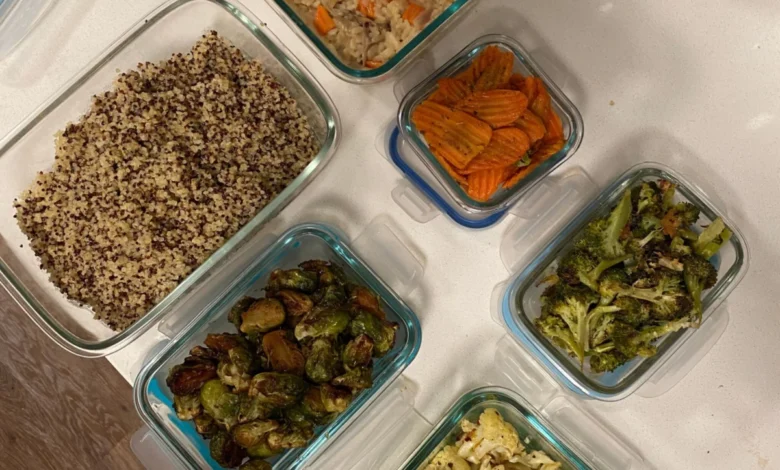
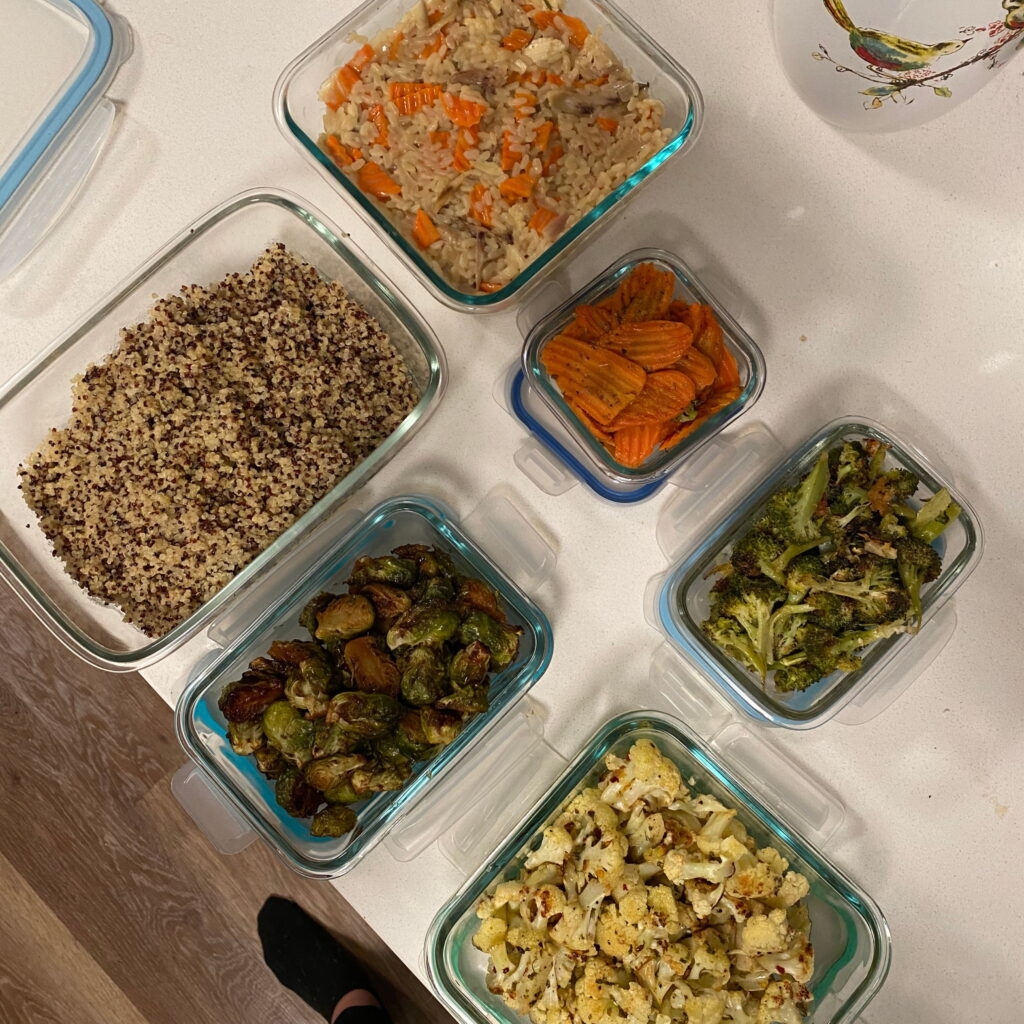
The primary hurdle for most individuals is the rigid nature of traditional planning. Forcing a specific meal onto a specific day often leads to failure when psychological cravings do not align with the schedule. Modern nutritional experts suggest a "flexible ingredient-based" approach rather than a "meal-based" approach. By prepping versatile components—such as roasted vegetables, grains, and proteins—rather than finished casseroles, households maintain the autonomy to decide what they eat on a given night based on their current preference, while still benefiting from the work already performed.
The Economic and Environmental Imperative: Supporting Data
The necessity for these systems is underscored by staggering global waste statistics. According to the Food and Agriculture Organization (FAO) of the United Nations, approximately one-third of all food produced for human consumption is lost or wasted globally, amounting to roughly 1.3 billion tons per year. In the United States, the Environmental Protection Agency (EPA) estimates that food is the single largest category of material placed in municipal landfills, where its decomposition contributes significantly to methane emissions.
From a financial perspective, the average American family of four loses nearly $1,500 annually to wasted food. By implementing a rigorous meal planning system, households can effectively lower their monthly grocery bills. Case studies in consumer behavior indicate that individuals who shop with a list and a plan spend up to 25% less than those who engage in "browsing" or impulse shopping. By focusing on seasonal produce and bulk-buying shelf-stable proteins like lentils and beans, consumers can further drive down the cost per meal.
A Chronological Framework for System Implementation
To transition from disorganized consumption to a streamlined meal system, a logical progression of steps is required. This chronology ensures that the system is sustainable for the long term and adaptable to changing schedules.

Phase 1: The Inventory and Master List
The process begins not at the grocery store, but in the pantry and refrigerator. A comprehensive audit of existing supplies prevents the redundant purchase of items already in stock. Following this, consumers should develop a "Master List" of 15 to 20 reliable recipes that the household enjoys and can prepare with ease. This list serves as the foundation for the weekly plan, reducing the cognitive load associated with decision-making.
Phase 2: The Calendar Audit and Menu Selection
Before drafting a grocery list, one must consult the weekly calendar. Identifying late-night meetings, social events, or travel prevents the over-purchasing of perishable goods for nights when cooking is impossible. Once the "available" nights are identified, meals are selected from the master list, factoring in weather and seasonal availability.
Phase 3: Strategic Procurement
The grocery list should be organized by store department (produce, protein, pantry, etc.) to minimize time spent in the aisles, which reduces the window for impulse buys. Consumers are encouraged to prioritize seasonal items, which are generally more nutrient-dense and less expensive due to the abundance of supply.
Phase 4: The Preparation Window
Dedicating a two-to-three-hour window, typically on a weekend, to ingredient preparation can save several hours throughout the week. This includes washing greens, chopping aromatics like onions and garlic, and preparing "bridge ingredients"—versatile items like rice or quinoa that can serve multiple meals.

Maximizing Resource Efficiency: From Scraps to Stocks
A sophisticated meal planning system extends beyond the plate to the utilization of "waste" products. In a professional journalistic analysis of zero-waste kitchens, the "circular economy" of the kitchen is paramount. Vegetable ends, carrot tops, and onion skins are not discarded but are collected in the freezer to be boiled into nutrient-rich vegetable stocks.
Furthermore, parts of vegetables often deemed inedible by the average consumer—such as beet tops, celery leaves, and broccoli stalks—are increasingly being recognized for their culinary potential. Beet tops can be sautéed like spinach, and broccoli stalks can be shaved into slaws. This level of resourcefulness ensures that the consumer extracts the maximum value from every dollar spent at the market.
Psychological and Health Implications
Beyond the tangible benefits of time and money, meal planning offers significant psychological advantages. Decision fatigue is a documented phenomenon where the quality of choices deteriorates after a long day of making decisions. By the time the average professional finishes work, the mental energy required to choose a healthy meal is often depleted, leading to the "convenience trap" of expensive, low-nutrient takeout.
A pre-established plan removes this barrier. When the ingredients are already washed and the menu is set, the path of least resistance becomes the home-cooked meal. Additionally, advance preparation allows for better nutritional balance. By adhering to a "Carb, Protein, Fat, and Fiber" rubric during the prep phase, individuals ensure that their meals are satiating and nutritionally complete, which prevents mid-afternoon energy crashes and poor snack choices.
Common Pitfalls and Strategic Mitigations
Despite the benefits, many systems collapse due to common errors in execution. Experts identify several key mistakes that beginners should avoid:
- Over-ambition: Attempting to cook five new, complex recipes in a single week often leads to burnout. It is more effective to stick to familiar favorites.
- Improper Storage: Investing in high-quality, airtight glass containers is essential. Poor storage leads to premature spoilage, defeating the purpose of the prep.
- Ignoring Leftovers: A successful plan factors in leftovers for lunches. Failing to do so results in unnecessary additional cooking and potential food waste.
- Rigidity: As previously noted, failing to allow for flexibility in the schedule often leads to the abandonment of the plan.
Broader Socio-Economic Impact
The move toward systematic meal planning is more than a personal lifestyle choice; it represents a shift in consumer consciousness that has broader implications for the global food industry. As more households adopt zero-waste and planning-heavy habits, the demand for excessively packaged, single-use convenience foods may decrease, forcing manufacturers to reconsider their packaging strategies.
Furthermore, the emphasis on local and seasonal shopping supports regional agricultural economies. By participating in Community Supported Agriculture (CSA) programs or frequenting farmers’ markets, meal planners contribute to a more resilient and localized food system that is less dependent on long-haul transportation and the carbon emissions associated with it.
In conclusion, the adoption of a structured meal planning and preparation system is a powerful response to the contemporary challenges of food waste and economic inflation. By shifting the focus from "meals" to "ingredients" and from "impulse" to "inventory," consumers can regain control over their finances and their environmental impact. As society continues to grapple with resource scarcity, these traditional methods of household management, enhanced by modern nutritional science and organizational tools, remain the most effective path toward a sustainable future.
Related posts: